

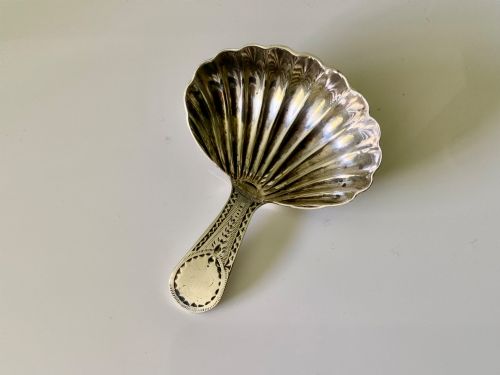
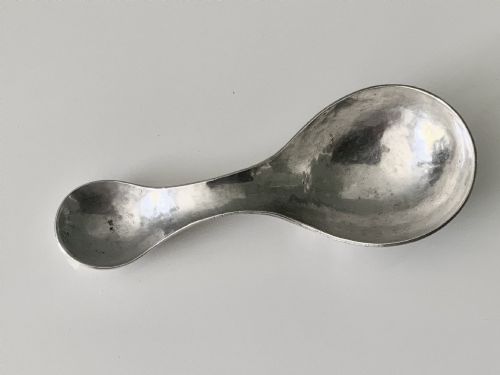
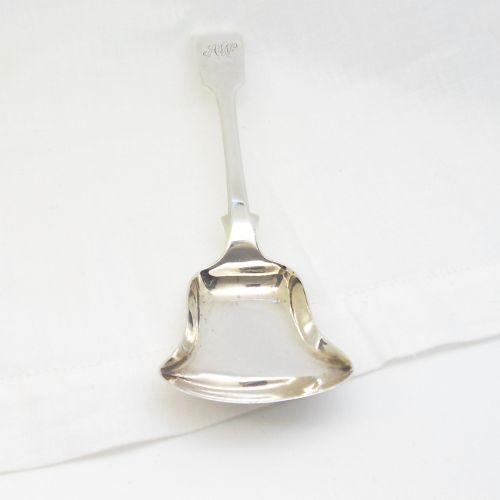
Antique Caddy Spoon
An antique caddy spoon is a small, specialised utensil designed for measuring loose tea from a caddy into a pot.
What an antique caddy spoon is
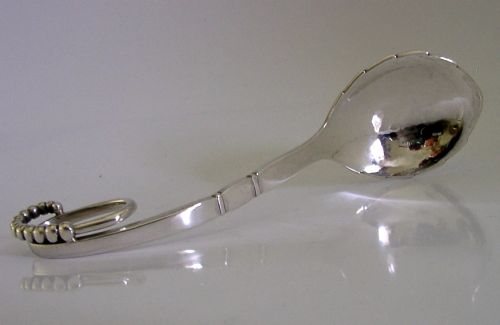
An antique caddy spoon is a small domestic utensil created specifically for transferring dry tea leaves from a storage canister into a teapot. These implements date from the Georgian period through the 20th century, emerging when tea was an expensive commodity requiring careful measurement.
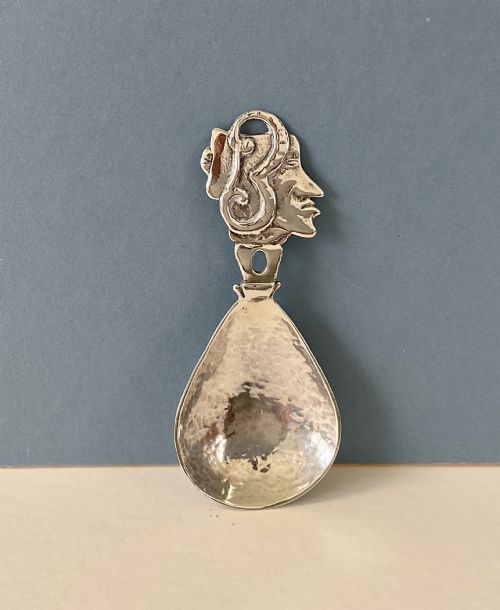
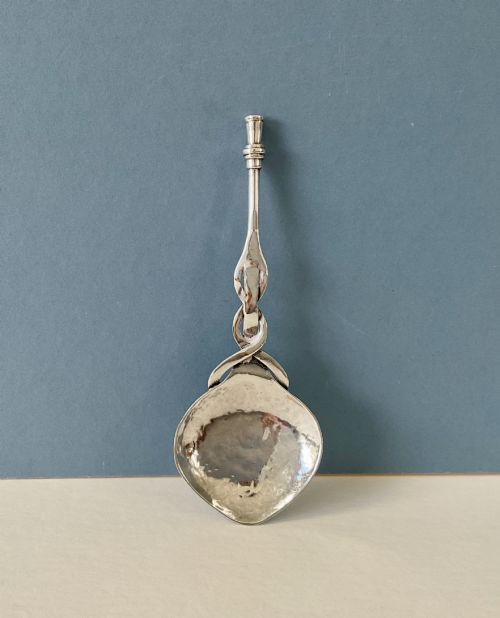
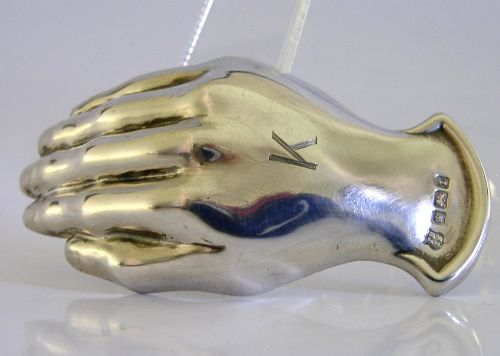
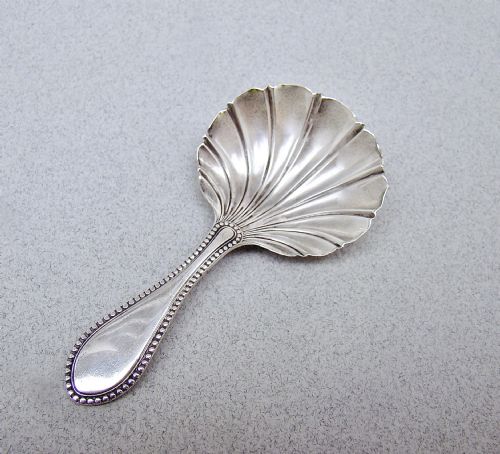
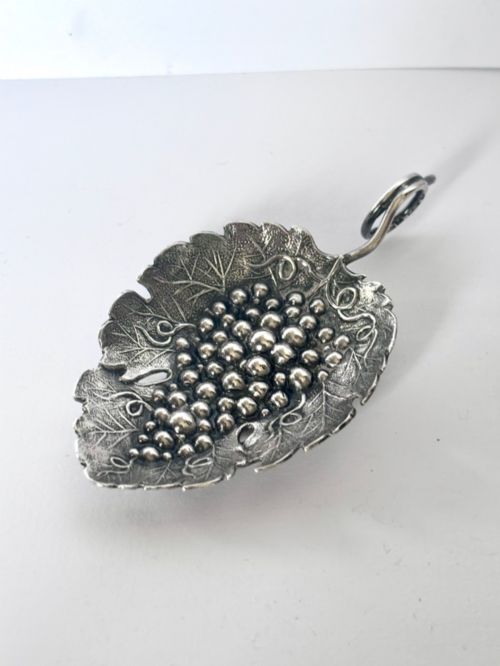
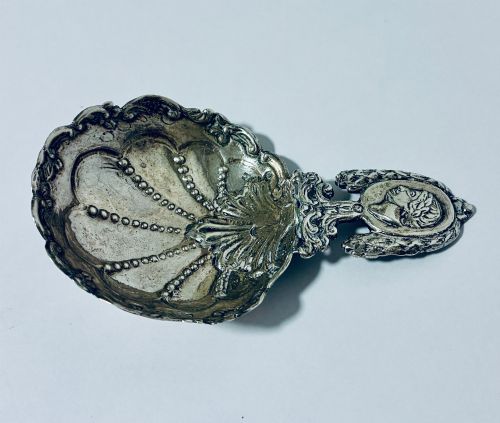
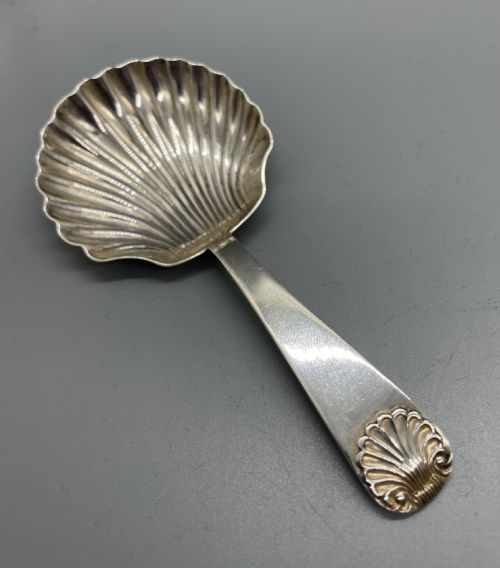
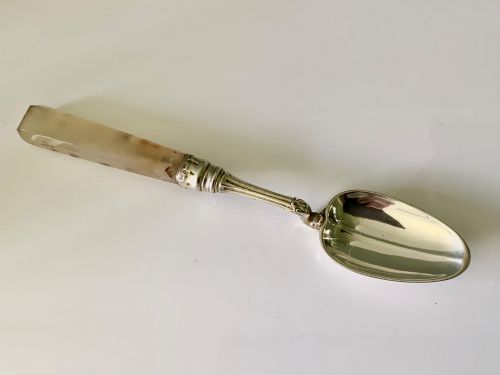
The versions most commonly met on this page include sterling silver examples from the Victorian and Edwardian eras, alongside pieces bearing specific stylistic influences such as Arts and Crafts, Art Nouveau and Art Deco. Forms range from simple shovel bowls to novelty designs shaped like shells, leaves and jockey caps.
Makers utilised both standard domestic patterns and elaborate regional styles, producing items that functioned as tea service accessories and small display pieces. Collectors encounter these objects in sterling silver and silver gilt, frequently carrying hallmarks that indicate their city and year of manufacture.
How they were made
Silversmiths constructed these utensils primarily from solid sterling silver or silver gilt, employing techniques such as stamping, casting and hand-raising. Bowls were frequently formed with scalloped edges or shaped to mimic natural objects like leaves, shells and flowers.
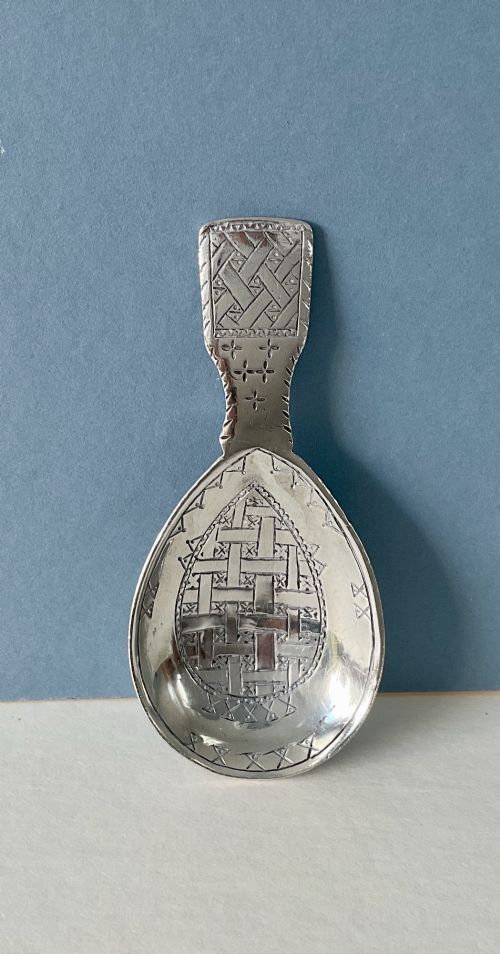
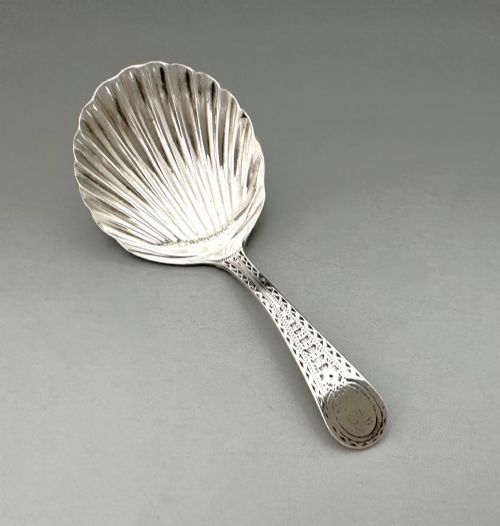
Surface decoration involved hand-engraving, bright-cut work and chasing, which highlighted handles and bowl interiors. Makers also integrated specialised techniques like cloisonné enamel on specific continental pieces, while others applied simple fiddle or kings patterns to standard handles.
Retail Price Guide 2026
Typical UK retail prices for caddy spoon, calculated from the Sellingantiques database of over a million retail prices indexed since 2003. This retail price guide relies exclusively on Sellingantiques data; no external sources or auction records are used, so the figures do not describe the wider market.
Listings feature items primarily from the 19th Century, 1900, 1910, and 1930, utilising sterling silver and silver gilt.
What varies in quality
The distinction between standard examples and the top of the range rests upon the depth of hand-craftsmanship and the originality of the form. Utensils featuring crisp, deep-stamped bright-cut engraving or sculptural novelty motifs display a higher degree of artisan skill than mass-produced flatware variants.
Maker attribution and clarity of hallmarks heavily influence the standing of a piece. Well-documented silversmiths and provincial workshops command greater attention from collectors, particularly when the design integrates complex motifs like floral patterns or figural elements without losing its balance.
Lee and Wigfull·Oliver Barker·Hilliard and Thomason·Amy Sandheim·Gustav Klingert·Georg Jensen·William Jamieson·Joseph Willmore·Henry Wilkinson·William Pugh
The Antique Caddy Spoon Glossary
- Bright-cut engraving
- A surface decoration technique utilising faceted angled cuts that reflect light from different directions. This method creates a glittering, geometric pattern along the edges or handles of silver items.
- Caddy spoon
- A short-handled teaspoon specifically designed to scoop tea from a caddy. They typically feature shallow bowls styled to hold a single measured portion.
- Silver gilt
- Silver that has been coated with a thin layer of gold on its surface. This technique provides a warm, golden interior to bowls while retaining a silver exterior.
- Novelty spoon
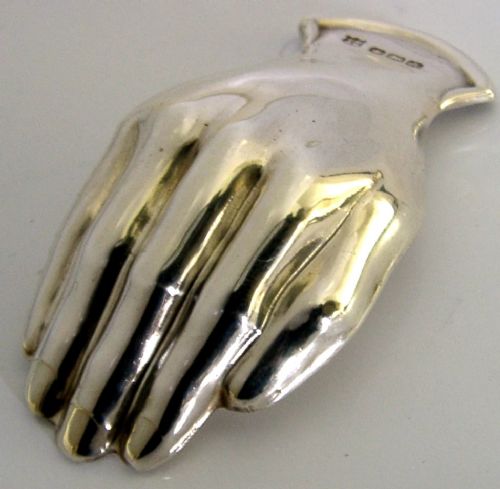
- A decorative utensil shaped to represent an animal, object or human figure rather than following standard flatware templates. Examples often mimic jockey caps, leaves or hands.
- Hallmark
- An official stamp or series of marks applied to precious metals to indicate standard of purity, maker and year of manufacture. British examples traditionally include a leopard's head, lion passant and date letter.
Frequently Asked Questions
What is an antique caddy spoon used for?
These utensils were created to scoop loose tea leaves from a storage caddy into a teapot. Because tea was an expensive and measured commodity in past centuries, the short handle and wide bowl allowed users to reach inside narrow containers easily.
Over time, they evolved from purely utilitarian items into decorative tabletop accessories. Many households kept them stored directly inside or beside the tea caddy itself.
How do I care for silver caddy spoons?
Silver caddy spoons require gentle cleaning with warm soapy water and a soft cloth to remove everyday dust and oils. Avoid harsh abrasive dips that can strip away original hand-engraving and delicate patination built up over decades.
Store them in a dry environment away from direct sunlight and high humidity. If polishing is necessary, use a traditional silversmith cloth rather than aggressive chemical pastes.
How can I tell the period of a silver spoon?
The primary method for dating British silver involves reading the hallmarks stamped into the metal. These marks typically include a maker's mark, a standard mark for silver purity, and a date letter corresponding to the exact year of assay.
Stylistic indicators also help determine the era when hallmarks are absent or worn. For instance, geometric motifs suggest Art Deco production, while organic flowing lines point towards Art Nouveau or Arts and Crafts periods.
Why are some caddy spoons shaped like caps?
Novelty items shaped like jockey caps or helmets became popular during the late Georgian and Edwardian eras. Silversmiths created these playful designs to showcase their technical skill and cater to Victorian tastes for whimsical domestic objects.
These pieces often reflect the sporting interests of the period, such as horse racing. Their unusual bowl shapes still functioned practically as scoops despite their decorative exterior.