
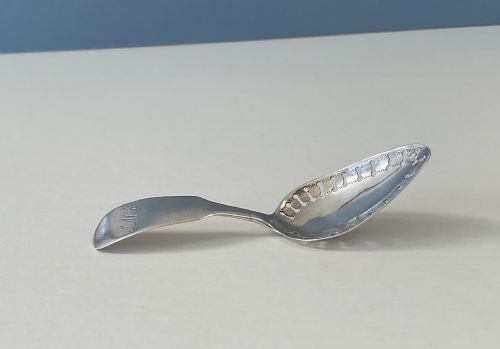


Antique Tea Scoop
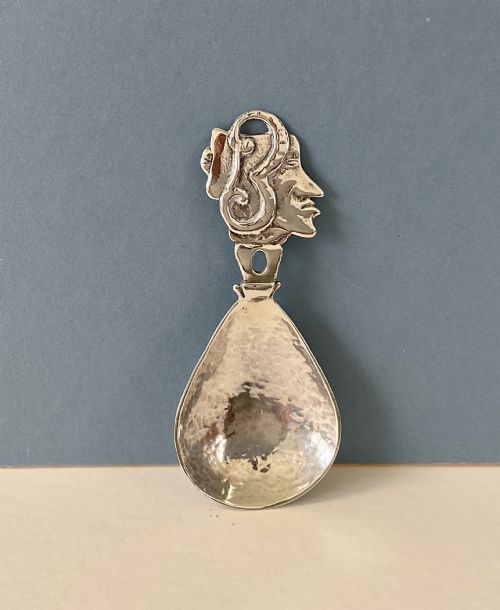
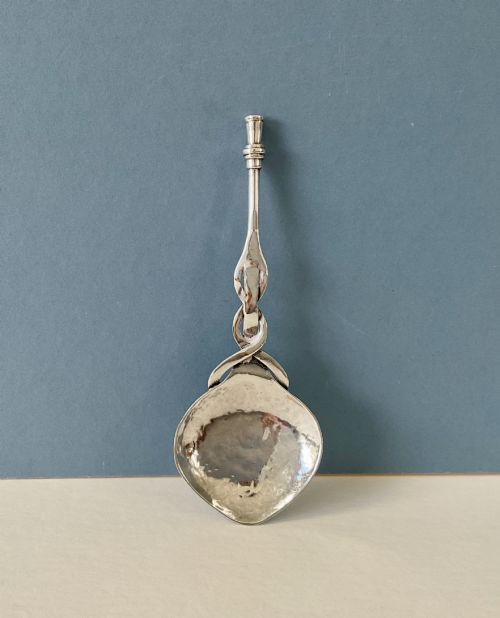
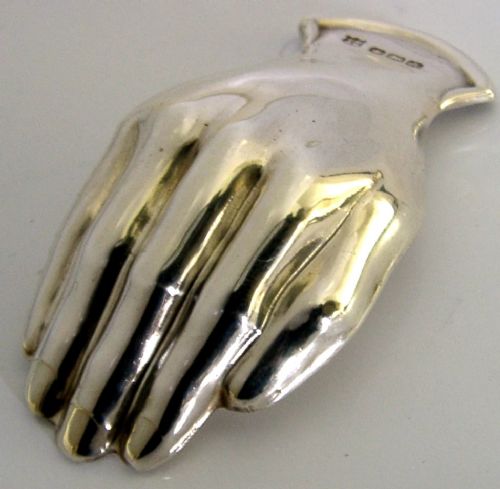
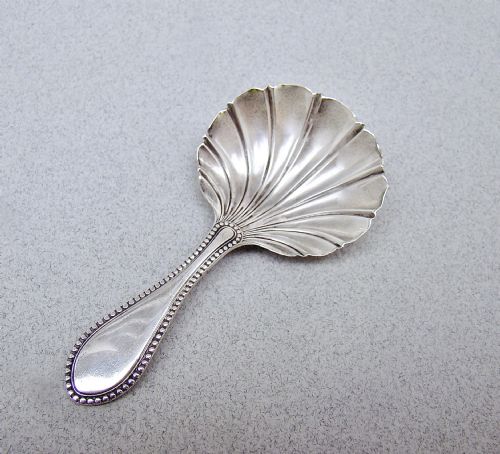
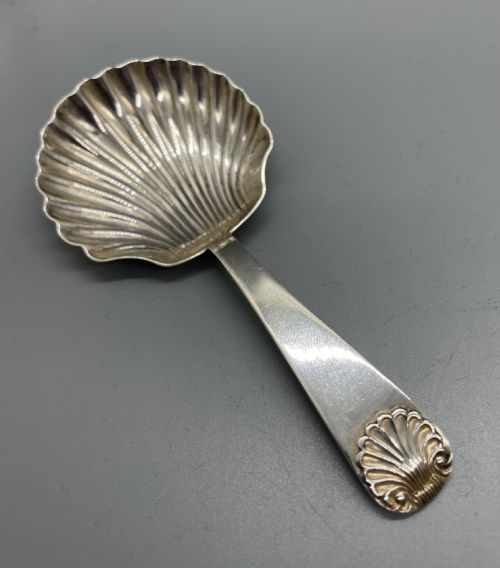
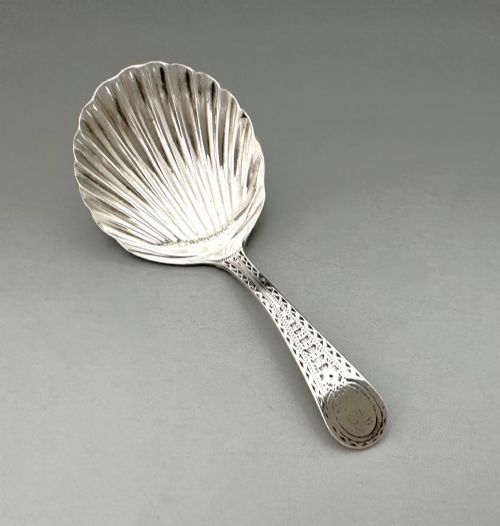
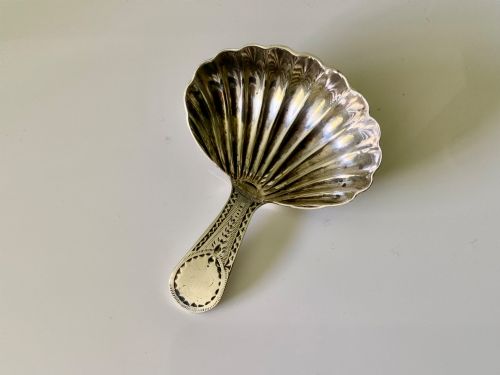
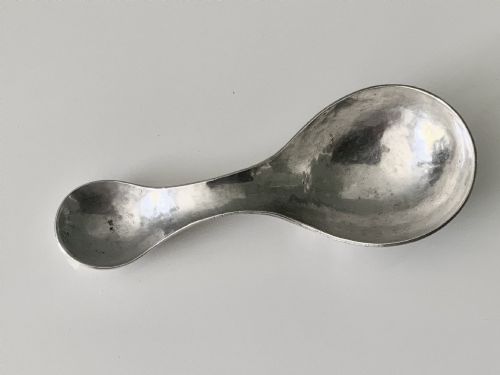
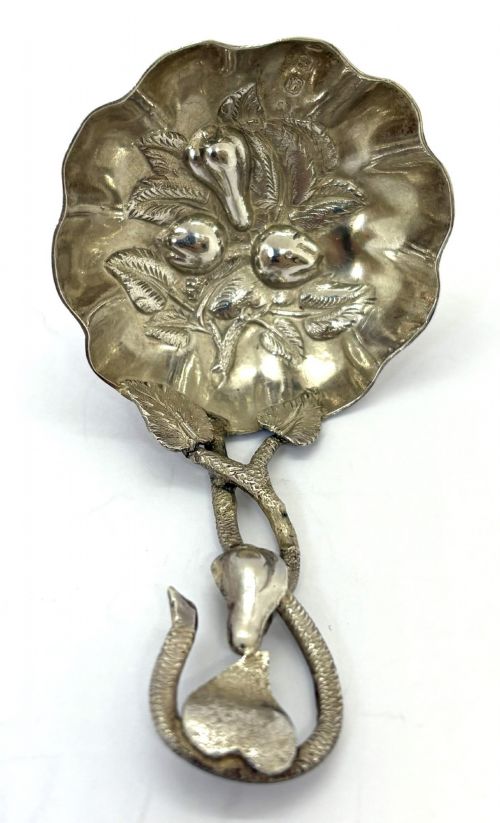
These antique tea scoop pieces, commonly known as caddy spoons, are small silver utensils designed to measure dried leaves into a pot.
What they are
An antique tea scoop, also catalogued as a caddy spoon, is a specialist domestic implement created to transfer loose leaves from a storage container.
The selections available here span the Victorian, Edwardian, and Georgian periods, encompassing stylistic eras from the nineteenth century up to nineteen hundred.
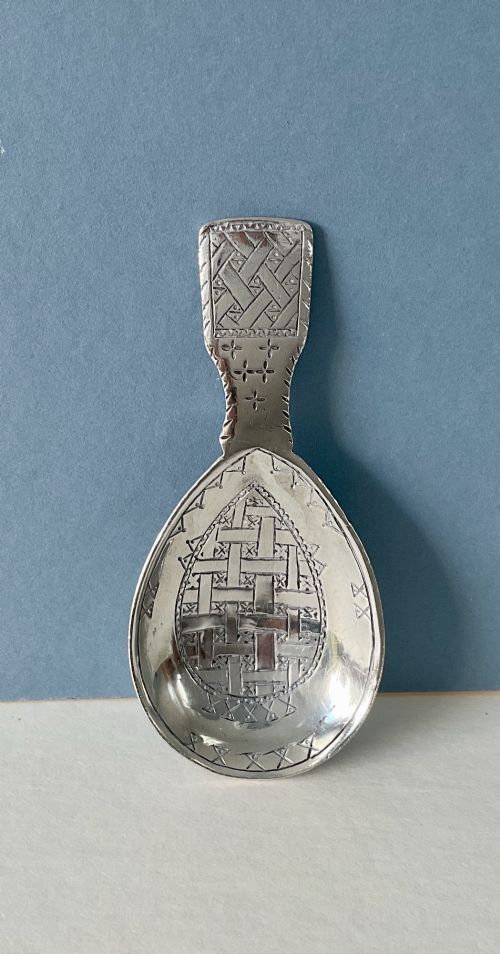
Forms range from simple utilitarian designs to decorative examples featuring engraved bowls, reflecting the changing tastes of British households over successive generations.
How they were made
Every piece recorded in the current evidence is fashioned from sterling silver, reflecting the high status of tea as a domestic commodity.
Metalworking techniques of the period include precise foliate engraving applied directly to the surface of the rectangular bowls.
Silversmiths utilised traditional manufacturing methods, striking and shaping the metal to produce durable functional objects bearing regional hallmarks.
Retail Price Guide 2026
Typical UK retail prices for tea scoop, calculated from the Sellingantiques database of over a million retail prices indexed since 2003. This retail price guide relies exclusively on Sellingantiques data; no external sources or auction records are used, so the figures do not describe the wider market.
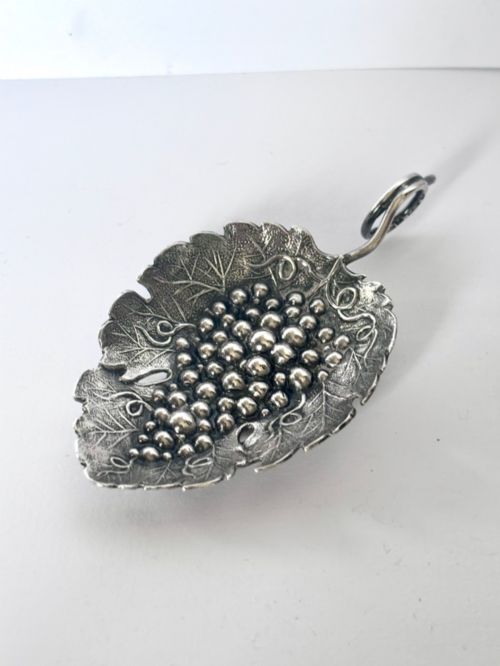
Early tea scoops sometimes feature tiny leaf-shaped bowls designed to mimic the very plant they harvested.
What varies in quality
The distinction between standard examples and superior pieces rests upon the crispness of the engraved decoration and the overall balance of the form.
Origin influences character, with regional British and Irish assay offices imparting distinct characteristics to the silver work.
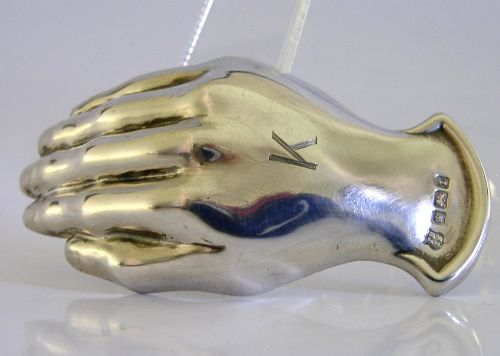
The clarity of the stamped hallmarks and the preservation of the original surface texture indicate the level of craftsmanship involved in creation.
The Antique Tea Scoop Glossary
- Caddy spoon
- A short-handled spoon specifically designed for measuring tea leaves from a caddy into a teapot. These utensils developed diverse bowl shapes during the Georgian and Victorian eras.
- Sterling silver
- An alloy comprising ninety-two point five percent silver and seven point five percent other metals, usually copper, chosen for durability. This material standard ensures the longevity of antique domestic items.
- Hallmark
- An official stamp applied by an assay office to indicate metal purity, the maker, and the year of production. British silver often bears city marks such as Sheffield for identification.
- Foliate engraving
- Surface decoration cut into metal in the form of leaves, vines, or foliage. Victorian silversmiths frequently utilised this technique to ornament the bowls of tea scoops.
Frequently Asked Questions
What is an antique tea scoop?
An antique tea scoop is a small silver spoon designed to measure loose tea leaves from a storage caddy.
These pieces date from the Georgian, Victorian, and Edwardian periods, reflecting the domestic habits of past centuries.
How were caddy spoons used?
They were kept alongside tea caddies to measure precise amounts of leaves before brewing.
Their short handles allowed them to sit conveniently inside or beside the storage containers.
What material are these spoons made from?
The pieces recorded here are constructed entirely from sterling silver.
This precious metal provided both the necessary durability and the appropriate status for a formal tea service.
How do I identify the date of a tea scoop?
Dating relies upon the stamped hallmarks, which indicate the assay office and year of manufacture.
Stylistic elements such as foliate engraving also point to specific eras like the Victorian period.