


Georgian Silver Tea Spoon
When you search for a georgian silver tea spoon, you enter a world of small-scale domestic silver designed for the tea table.
Georgian Silver Tea Spoon
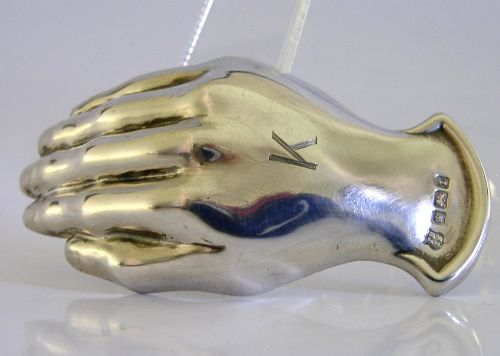
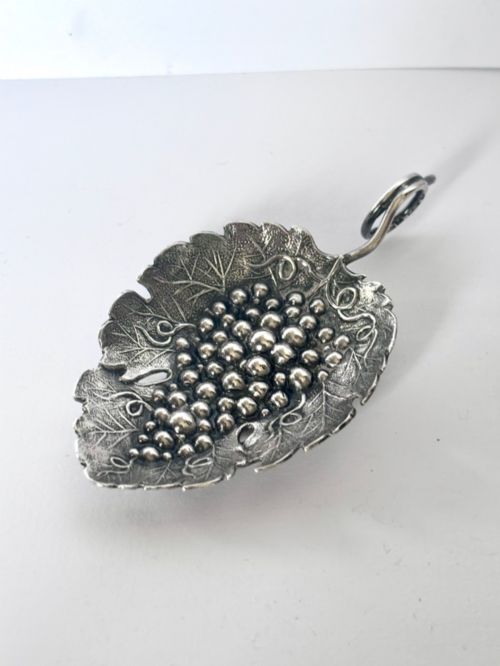
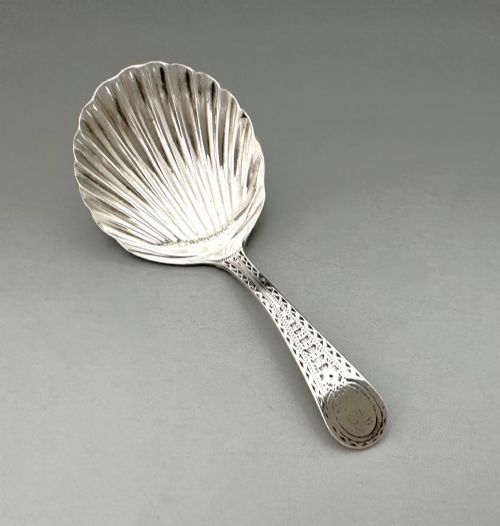
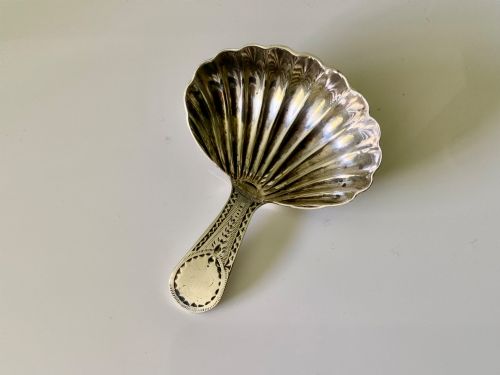
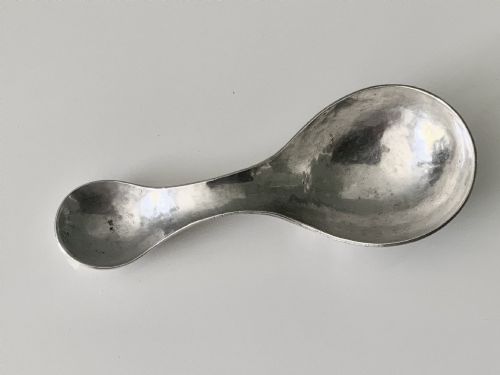
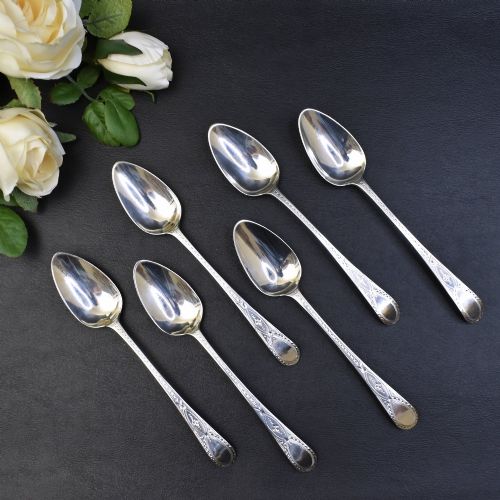
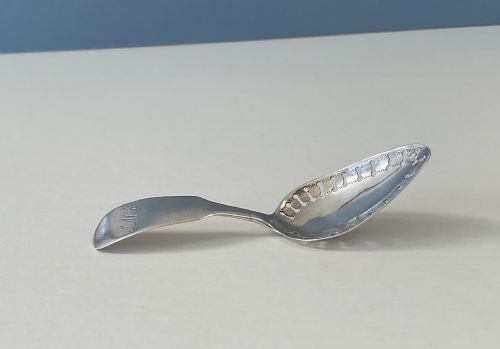
The most common form on this page is the caddy spoon, designed specifically to measure loose tea leaves from the caddy into the pot. Alongside these are sets of teaspoons, often found in matched groups of six, featuring bright-cut engraving or fancy backs.
Origins span major English, Scottish, and Irish assay offices, including London, Birmingham, Glasgow, and Dublin. Makers varied from provincial silversmiths to celebrated specialists such as Joseph Willmore and the Bateman family.
How they were made
Silversmiths shaped sterling silver and silver-gilt through hammering, casting, and piercing. Bowls were often formed as shells, vine leaves, shovels, or simple ovals, attached separately to handles or worked from a single sheet of metal.
Decoration relied on hand engraving, bright-cutting, embossing, and parcel-gilding to highlight details like grapes and foliage. Some specialised pieces incorporated turned green ivory handles or enamel work.
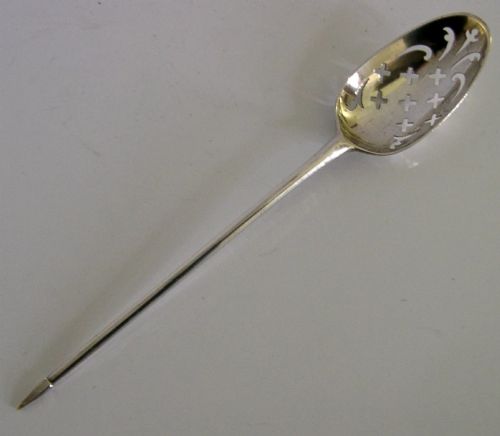
Some eighteenth-century tea drinkers used a thin spike on the end of a mote spoon to unblock stubborn leaves in the teapot spout.
What varies in quality
Quality rests upon the crispness of the original stamping or casting and the depth of the hand engraving. Superior examples retain sharp relief in motifs such as vine leaves and shells, whereas worn pieces lose definition across the bowl and handle.
The distinction between ordinary production and top-tier work also lies in the individuality of the form and the clarity of the hallmarks stamped into the silver. Novelty shapes, such as jockey caps or hands, combined with named makers, elevate the standing of a piece.
Joseph Willmore·Wallis·Jeremiah Lee·P A W Bateman·George Wintle·William Bateman·Taylor and Perry·Bateman Family
The Georgian Silver Tea Spoon Glossary
- Caddy spoon
- A short-handled spoon specifically designed for measuring loose tea leaves from a storage caddy. These small implements allowed eighteenth-century hosts to portion precious tea with precision.
- Mote spoon
- An eighteenth-century slender spoon featuring a pierced bowl for skimming tea leaves and a tapered spike at the end for clearing blocked teapot spouts. They date principally from the Georgian era.
- Bright-cut
- An engraving technique utilising faceted cuts made with a flat graving tool to create shimmering geometric and floral patterns. It reflects light brightly from the silver surface.
- Silver-gilt
- Sterling silver that has been coated with a thin layer of gold, sometimes called vermeil. This treatment added a rich golden glow to the interior of bowls or entire spoons.
- Fancy back
- A teaspoon style featuring decorative scrollwork, shells, or floral motifs stamped on the reverse side of the bowl. This detailed ornamentation became popular on spoons during the mid-eighteenth century.
- Assay office
- An official body responsible for testing the purity of precious metals and stamping items with hallmarks. Offices in cities like London, Birmingham, and Dublin certified Georgian silver.
Georgian Silver Tea Spoon: Frequently Asked Questions
What is a georgian silver tea spoon used for?
These implements served various functions around the tea service, from stirring brewed tea to measuring dry leaves into the pot.
Specialised forms like caddy spoons and mote spoons fulfilled specific duties in preparing the beverage before pouring.
How do I identify a caddy spoon?
A caddy spoon typically has a short handle paired with an unusually wide or deep bowl. The proportions are designed to fit comfortably inside a tea caddy.
Their bowls often take whimsical shapes, such as shells, hands, or leaves, making them distinct from standard teaspoons.
What does parcel-gilt mean on silver?
Parcel-gilt describes an object where only specific parts are gilded with gold while the rest remains bare silver. This technique created striking visual contrast on spoons.
Silversmiths frequently used parcel-gilding to highlight the bowls or engraved details of tea caddy spoons.
How can I tell the date of a spoon?
Dating relies upon the set of hallmarks stamped directly onto the silver by the assay office. These marks typically include a date letter, a maker's mark, and standard sterling symbols.
Reference tables match specific punch shapes and letter fonts to the exact year the piece was tested and sold.