


Silver Tea Caddy Shovel
A silver tea caddy shovel is a small utensil designed for measuring loose leaf tea, combining practicality with fine metalwork.
Silver Tea Caddy Shovel
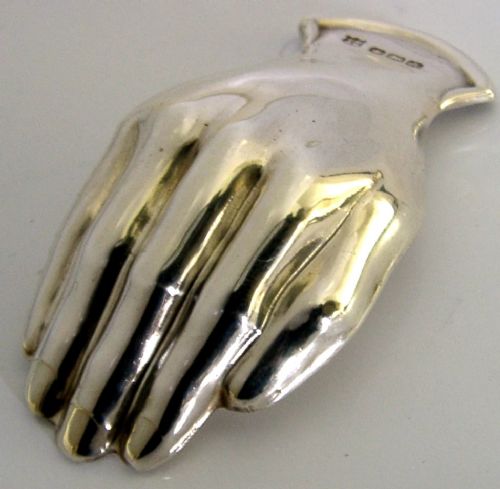
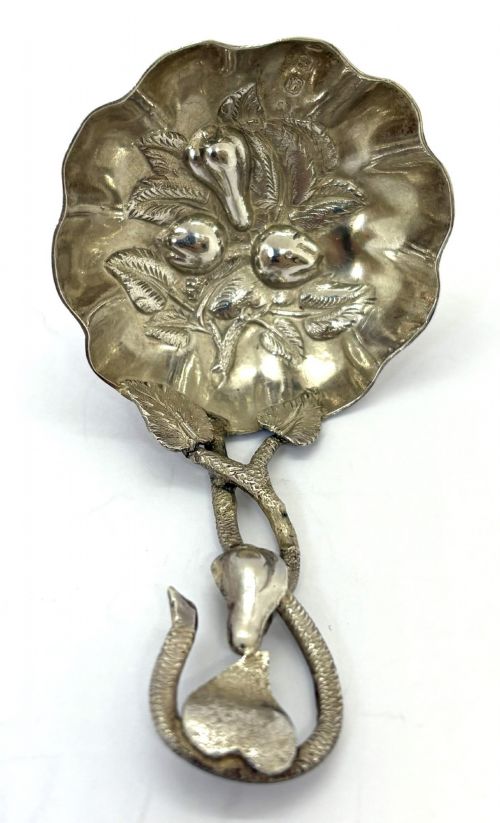
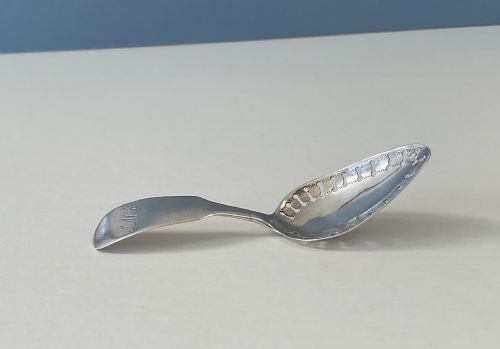
When you search for a silver tea caddy shovel, you encounter miniature implements designed specifically for dispensing loose leaf tea from a caddy into a pot. The items on this page span several eras, with Georgian and Victorian examples appearing most frequently alongside Edwardian and mid twentieth century pieces. Forms range from simple shovel shaped bowls to novelty hand designs and embossed floral motifs.
The objects originate primarily from English makers, with regional pieces such as Scottish provincial items also represented. Dating stretches from the late eighteenth century through the Victorian period and into the 1920s and 1940s. Collectors find these spoons grouped under tea accessories, silverware, and flatware categories.
Materials and construction methods
These pieces are constructed from sterling silver, often utilising parcel gilt or silver gilt finishes to highlight specific details of the design. Metalsmiths shaped the bowls into distinct shovel profiles, sometimes embossing the surfaces with floral scrolls or forming the handles into novel shapes like hands.
Makers applied traditional silversmithing techniques to strike hallmarks and shape the handles and bowls. Gilding was applied selectively to the interior of bowls or decorative accents to contrast with the bright polished sterling silver.
Listings span the Georgian, Victorian, and Edwardian periods, featuring materials such as sterling silver alongside parcel gilt and silver gilt finishes.
Distinctions in quality
Quality in a silver tea caddy shovel rests upon the crispness of the chasing, the weight of the sterling silver, and the legibility of the hallmarks. Pieces exhibiting detailed embossing, such as floral and scroll work, demonstrate higher levels of silversmithing skill than plain examples.
The integrity of the gilt finish and the retention of original form also separate standard examples from superior pieces. Maker marks from established workshops contribute significantly to the distinction between ordinary utility items and collected works of art.
Mappin and Webb·Georg Jensen·George Unite·George Wintle
The Silver Tea Caddy Shovel Glossary
- Sterling silver
- An alloy containing ninety two point five percent silver and seven point five percent other metals, typically copper. This standard composition ensures durability while maintaining a bright metallic lustre.
- Parcel-gilt
- A decorative treatment where only specific areas of a silver object are gilded with a thin layer of gold. This technique accentuates engraved or embossed details against the silver background.
- Silver-gilt
- Silver objects that have been entirely coated with a thin layer of gold over the surface. It provides a rich, warm tone while retaining the underlying metal structure.
- Hallmark
- An official stamp applied to precious metals indicating the standard of purity, the assay office, and the date letter. These marks verify the origin and period of the item.
- Novelty
- An object manufactured in an unusual, amusing, or decorative shape departing from standard functional forms. In flatware, hand shapes and miniature tools are common expressions.
Silver Tea Caddy Shovel: Frequently Asked Questions
What is a silver tea caddy shovel?
A silver tea caddy shovel is a small spoon fashioned in the shape of a miniature coal shovel, used historically for transferring tea leaves from a storage caddy into a teapot.
These pieces were essential accessories in formal tea service during the Georgian and Victorian eras, combining utility with decorative metalwork.
How do I date a silver caddy shovel?
Dating relies heavily on the hallmarks stamped into the silver, which indicate the assay office, the maker, and a specific date letter.
Style, handle construction, and decorative motifs such as floral embossing or plain shovel bowls also offer strong indicators of the period in which the item was made.
Were these shovels used for tea?
Yes, they were specifically created to scoop loose tea leaves from caddies at a time when tea was an expensive commodity requiring careful measurement.
The flat, shovel shaped bowl allowed users to gather leaves efficiently from narrow caddy openings.
What is the difference between silver and silver gilt?
Standard silver items display the natural greyish white metallic finish of sterling silver, whereas silver gilt pieces have a thin layer of gold applied over the entire surface.
Parcel gilt variations feature gold on only select portions, such as the interior of the bowl, to create visual contrast.