




Antique Tea Caddy Accessories
These antique tea caddy accessories are the small spoons, boxes, and containers made to hold and serve loose leaf tea during past centuries.
Antique Tea Caddy Accessories
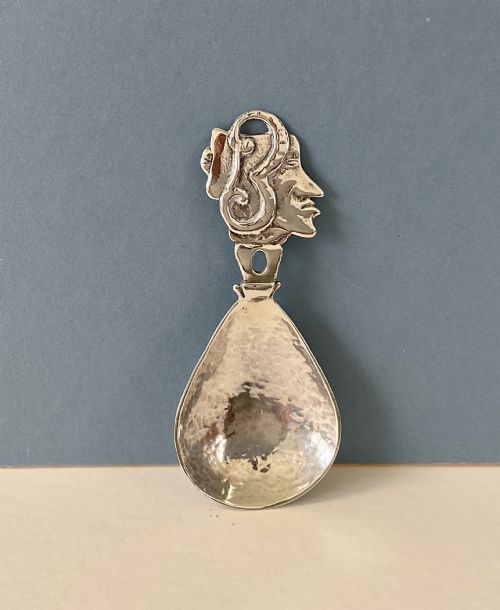
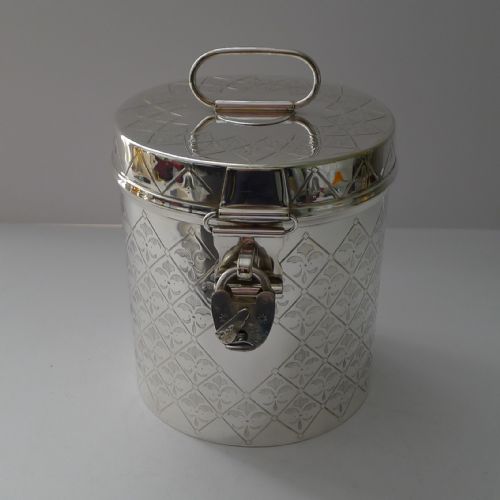
When you search for antique tea caddy accessories, you find a selection of small implements and storage vessels designed for the tea table. The most frequent items on this page are caddy spoons, alongside larger tea caddies, biscuit barrels, and decorative containers.
The objects span multiple eras, with Georgian examples appearing frequently alongside Victorian, Edwardian, and later twentieth-century pieces. Makers utilised materials ranging from sterling silver and silver plate to mahogany, brass, and marquetry inlay.
How they were made
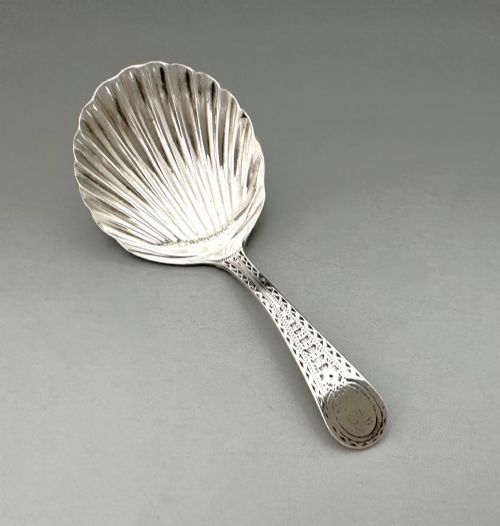
Silversmiths shaped solid sterling silver and silver plate into spoons and boxes, often adding hand-engraved foliate patterns, double-striking, or cast novelty forms like jockey caps. Cabinetmakers constructed timber caddies from mahogany, incorporating brass mounts and detailed marquetry inlay.
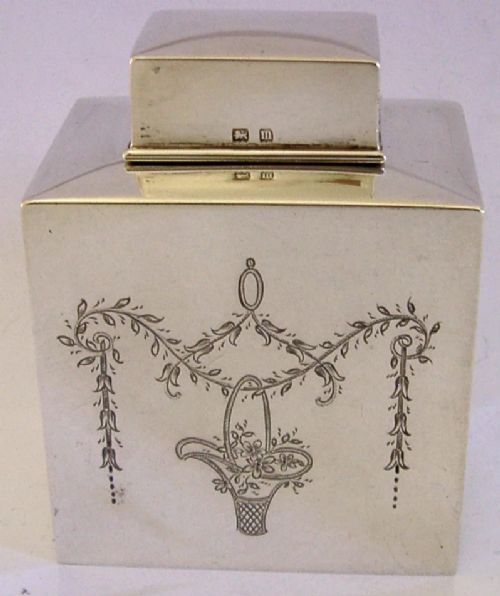
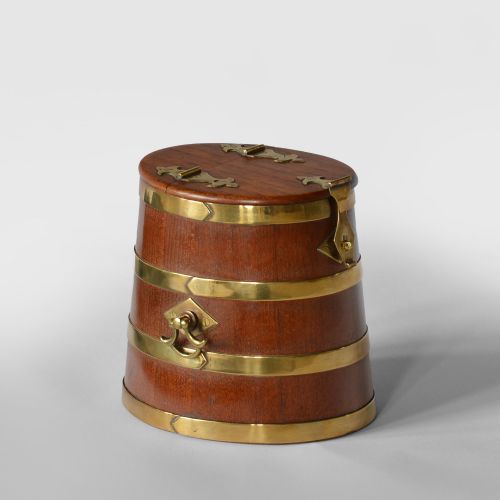
Makers such as Mappin and Webb, George Unite, and William Neale stamped their works with hallmarks to indicate metal purity and origin. Coopered vessels utilised wooden staves bound with brass hoops to create miniature barrels for storage.
Several caddy spoons take the delightful form of a jockey's cap, combining the domestic ritual of tea with the excitement of the racecourse.
What varies in quality
Quality rests in the crispness of the hand-engraving on the bowl of a caddy spoon and the weight of the solid silver used in construction. Pieces featuring specific maker marks or distinct novelty forms demonstrate higher manufacturing ambition.
For wooden caddies and boxes, the precision of the star inlay and the retention of original brass hardware separate standard domestic items from superior examples.
Zimmermann·Mappin and Webb·William Neale·George Unite·Peter Pierre Gillois
The Antique Tea Caddy Accessories Glossary
- Caddy spoon
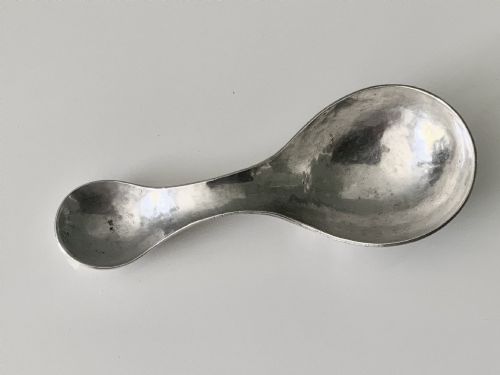
- A short-handled spoon specifically designed for measuring loose tea leaves from a caddy into a teapot. These small implements display a variety of shaped bowls and engraved decoration.
- Hallmark
- An official stamp applied to precious metals indicating the standard of purity, the maker, and the year of assay. These marks provide a secure method of dating silver accessories.
- Marquetry
- The art of applying pieces of veneer to a structure to form decorative patterns and pictures. This technique adorns the surfaces of wooden tea caddies.
- Biscuit barrel
- A covered container used for storing biscuits on the Victorian or Edwardian dining table. They frequently combine ceramic or glass bodies with silver-plated mounts.
- Double struck
- A method where the die stamp is applied twice during manufacture to deepen and sharpen the decorative relief on a silver spoon. This creates a more pronounced pattern.
Antique Tea Caddy Accessories: Frequently Asked Questions
What is a caddy spoon used for?
A caddy spoon measures loose tea leaves from a storage container into a teapot. Their short handles allowed them to sit neatly inside or beside the tea caddy.
These small silver or metal spoons became popular collectible items due to their diverse bowl shapes and engraved designs.
How do I date an antique silver caddy spoon?
You date silver caddy spoons by reading the hallmarks stamped onto the metal. These tiny marks record the assay office, the maker's mark, and a date letter corresponding to a specific year.
Stylistic elements like foliate engraving or the shape of the bowl also offer clues to the period of manufacture.
What materials are tea caddy accessories made from?
Tea caddy accessories appear in solid sterling silver, silver plate, EPNS, and various base metals. Wooden caddies often incorporate mahogany, brass banding, and marquetry inlay.
Some exceptional sets include shagreen casing to protect the interior silver components.
How were biscuit barrels used in the past?
Biscuit barrels served as decorative containers for holding dry biscuits on the dining or drawing-room table during the Victorian and Edwardian periods. They featured hinged lids and sometimes automated or locking mechanisms.
Guests would help themselves to biscuits during tea service or evening gatherings.