
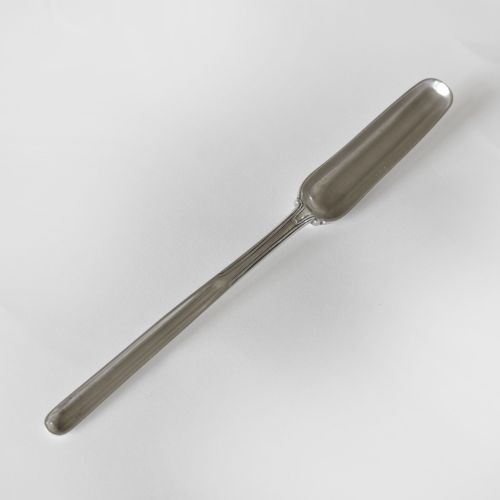


British Sterling Silver Spoon
A british sterling silver spoon is a practical antique of solid metal that brings history directly to the dining table or tea caddy.
What They Are
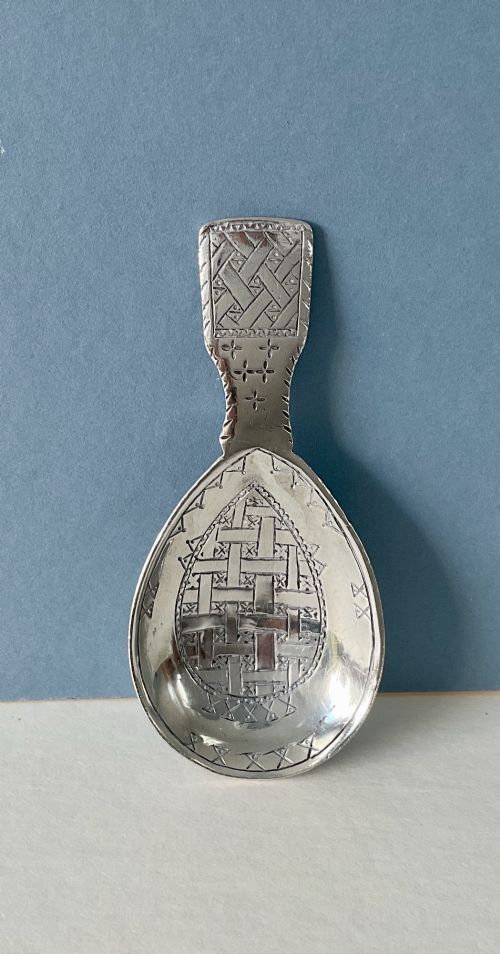
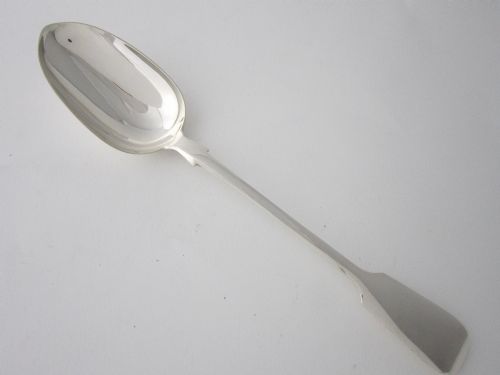
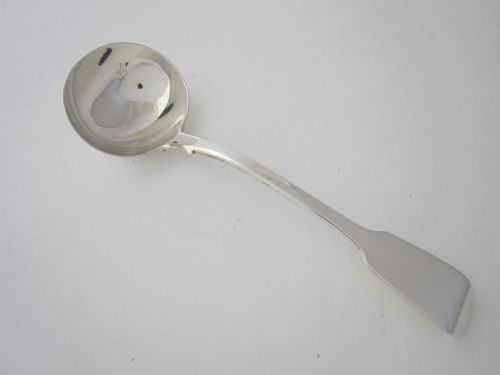
When you search for a british sterling silver spoon, you are looking at functional tableware forged from solid precious metal across several centuries of British manufacturing. The examples appearing on this page span from the mid eighteenth century through to the mid twentieth century, covering styles like George II, Edwardian, George V, and Arts and Crafts.
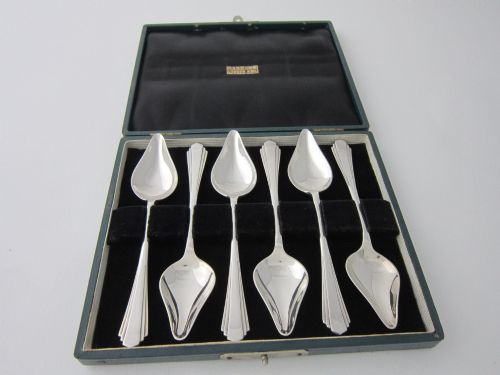
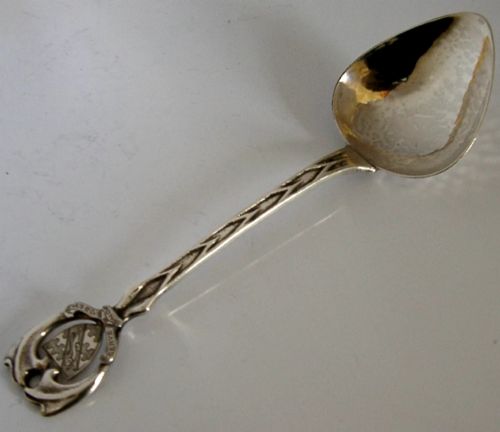
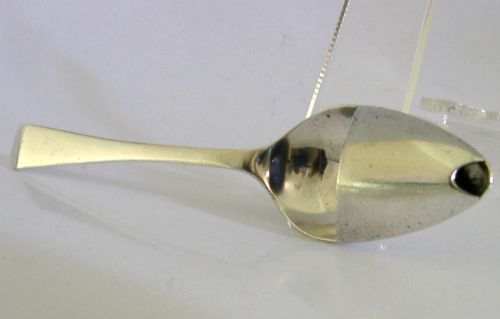
The most common forms you will encounter here include caddy spoons designed for tea leaves, larger tablespoons, and specialised pieces such as stilton spoons and enamelled emblem sets. These items originate from major silversmithing hubs like London and Sheffield, reflecting the domestic habits and dining rituals of their respective periods.
How They Were Made
These spoons are formed from sterling silver, a durable alloy containing a high proportion of pure silver strengthened with other metals to withstand daily use. Makers shaped the metal through traditional methods of forging, hammering, and casting, often incorporating detailed bowl shapes and handles suited to the specific purpose of the utensil.
Decoration and assembly required specialist techniques including hand engraving, rat-tail reinforcement on the reverse of bowls, and the application of colourful enamel work. Every piece bears punched hallmarks that officially recorded the standard of the metal, the assay office, and the year of production.
The listings span four distinct periods from the eighteenth through to the twentieth century, utilising sterling silver exclusively across various caddy, tablespoon, and flatware forms.
What Varies in Quality
Quality in these spoons rests primarily on the crispness of the original hallmarks and the preservation of the maker's intended form against decades of polishing. Pieces that retain their sharp engraving, correct bowl thickness, and unrubbed decorative motifs sit comfortably at the top of the range.
J Thompson And Sons·Liberty
The British Sterling Silver Spoon Glossary
- Sterling silver
- A silver alloy consisting of a fixed proportion of pure silver and other metals to ensure durability in objects. This standard has been legally regulated in Britain for centuries.
- Hallmark
- A series of official marks stamped into precious metal objects to guarantee their purity and origin. These typically include the maker's mark, standard mark, assay office mark, and date letter.
- Caddy spoon
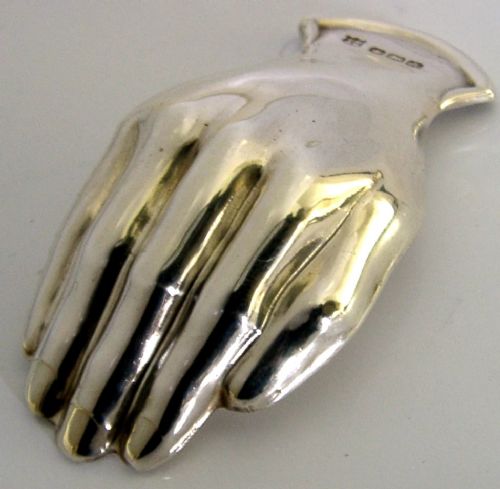
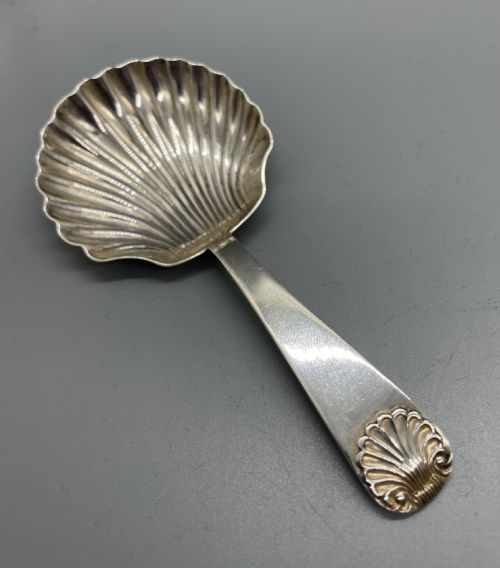
- A short-handled spoon specifically created for measuring dry tea leaves from a caddy into a teapot. They often feature decorative bowls shaped like leaves, shells, or hands.
- Rat-tail
- A tapering tongue of metal extending down the back of a spoon bowl from the handle. This traditional feature strengthens the joint between the bowl and the stem.
- Assay office
- An official body charged with testing the purity of precious metals and stamping them with hallmarks. Prominent offices include those in London and Sheffield.
Frequently Asked Questions
What is a british sterling silver spoon used for?
These spoons served various domestic functions ranging from serving tea and cheese to general dining at the table. Specific forms like caddy spoons were dedicated to measuring loose leaf tea.
Over time, many of these utensils transitioned from active dining service into collectible display pieces or cherished family heirlooms.
How do I read the hallmarks on my spoon?
British hallmarks typically consist of a maker's mark, a standard mark indicating sterling quality, a town mark for the assay office, and a date letter. Each symbol corresponds to specific registers that reveal when and where the object was made.
Consulting standard silver reference books helps decode the specific shapes and fonts used in these stampings across different centuries.
How should I clean my silver spoon?
Cleaning requires a gentle approach using a specialised silver cloth or mild polish designed to preserve the original surface and hallmarks. Avoid harsh abrasive cleaners that can wear away delicate engraving and thinning metal.
Regular, careful maintenance prevents heavy tarnish buildup without harming the historical integrity of the piece.
Can I use antique silver spoons every day?
Many people enjoy using their silver spoons for daily dining, as sterling silver is robust enough for regular handling. Hand washing immediately after use keeps the metal in prime condition.
Careful daily use connects modern owners directly with the long history of British domestic traditions.