



Edwardian Caddy Spoon
An edwardian caddy spoon is a small, purpose-made scoop for measuring loose tea, prized for its decorative handles and tactile form.
Edwardian Caddy Spoon
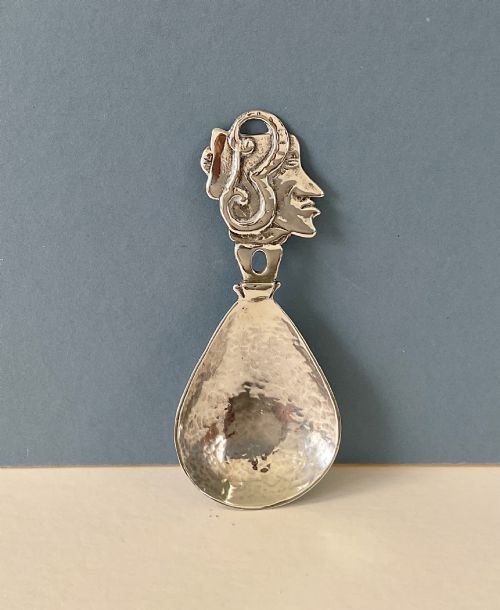
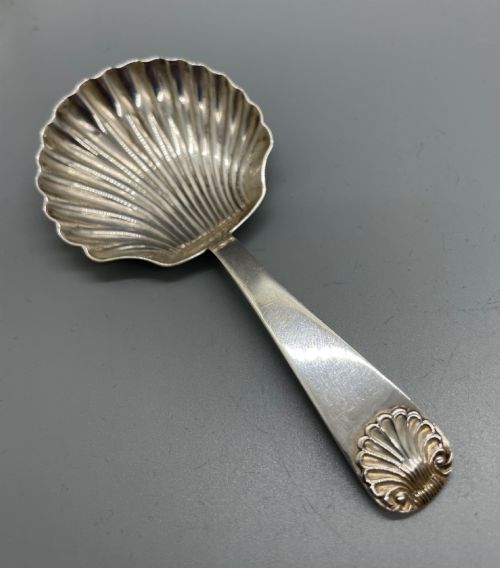
An edwardian caddy spoon is a specialist small scoop designed for transferring loose tea leaves from a caddy to the pot, reflecting the social rituals of the tea table. When you search for an edwardian caddy spoon, you encounter diminutive silver bowls attached to short handles, often shaped to mimic everyday objects or decorated with natural motifs.
The versions most commonly met on this page date from the early twentieth century, spanning standard hallmarked sterling silver pieces alongside silver-plated variants. Many examples emerge from provincial and major British assay offices like Sheffield, Birmingham, Chester, and London, reflecting the prolific silversmithing output of the period.
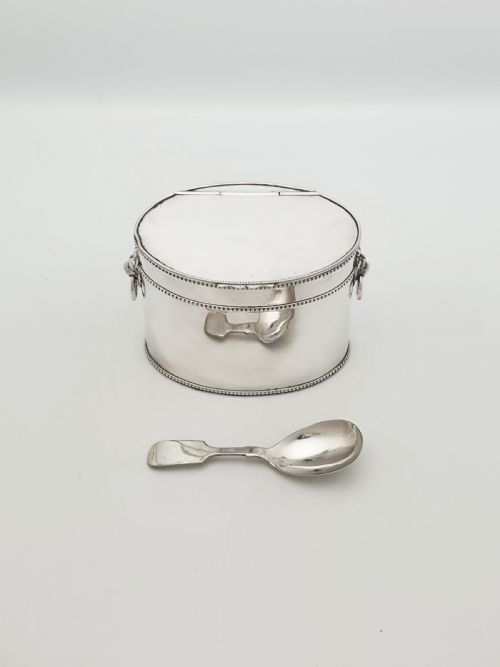
Beyond straightforward shovel bowls, the selection includes whimsical novelty forms such as jockey caps and leaf designs, alongside spoons originally retailed alongside tea caddies or cruet sets. These items bridge utilitarian kitchen tasks and decorative silver collecting.
How They Were Made
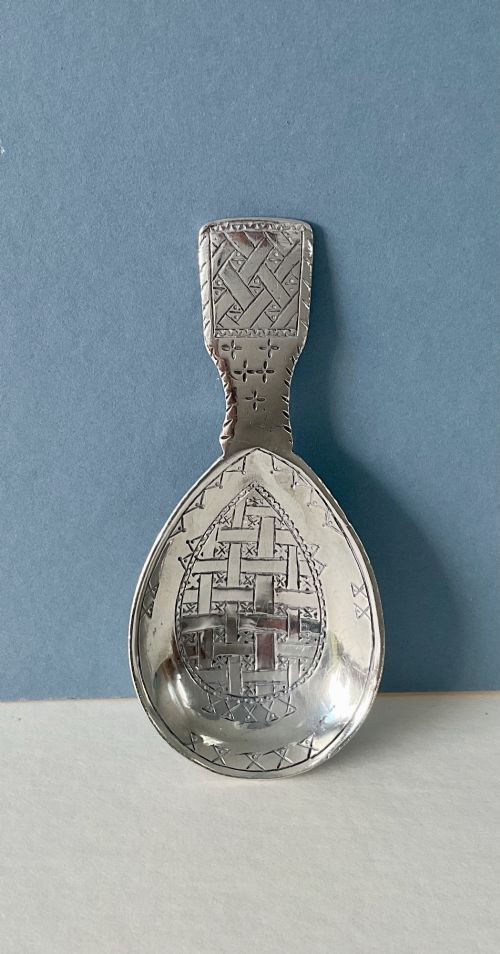
Makers utilised sterling silver and silver plate as the primary metals, shaping the bowls through stamping, hammering, and hand-cutting before attaching decorative handles. Surface enrichment relies on techniques such as engraving, piercing, and embossing to produce floral motifs, oak leaves, or rose details.
Novelty pieces like jockey caps involve multi-part construction, soldering peak caps and button crowns onto formed bowls to achieve convincing miniature likenesses. Hallmarks stamped directly into the metal record the assay town, date letter, and maker's mark, anchoring each piece in its specific year of production.
Edwardian Caddy Spoon Retail Price Guide 2026
Typical asking prices for edwardian caddy spoon among the pieces listed under this phrase on Sellingantiques today, from the lower quarter to the upper quarter. They describe what is for sale here now, not the wider market.
Object forms range from traditional tea caddy spoons and preserve servers to novelty jockey caps and condiment sets.
What Varies in Quality
The distinction between ordinary production and superior work rests on the clarity of the chasing, the crispness of the hallmarks, and the ingenuity of the design. Hand-pierced geometric or floral patterns executed with clean symmetry separate ambitious studio output from mass-manufactured stamped blanks.
Novelty forms gain distinction through anatomical accuracy and proportional balance, where every seam is neatly concealed and the detailing remains sharp despite miniature scale. Maker attribution also influences standing, as marked pieces originating from notable workshops command greater interest among collectors.
George Unite·Thos Bradbury And Sons·Levi And Salaman·William Neale·Oliver Barker·Amy Sandheim
The Edwardian Caddy Spoon Glossary
- Assay office
- An official body responsible for testing the purity of precious metals and stamping them with hallmarks. British offices include Sheffield, Birmingham, Chester, and London.
- Hallmark
- A series of stamped marks on silver indicating the maker, metal purity, assay office, and year of manufacture. These symbols provide the primary evidence for dating an antique piece.
- Pierced work
- Metal cut through to create decorative openwork patterns, often seen on spoon bowls or borders. This technique lightens the weight while adding visual intricacy.
- Sterling silver
- An alloy consisting of silver and other metals, predominantly copper, standardising at a purity proportion of ninety-two point five percent. This standard forms the basis of British hallmarked tableware.
Edwardian Caddy Spoon: Frequently Asked Questions
What is an edwardian caddy spoon used for?
An edwardian caddy spoon was designed specifically to scoop loose tea leaves from a storage caddy into a teapot. Their short handles allowed them to sit conveniently inside or alongside the container.
Over time, many of these small utensils transitioned from functional tea-table accessories into collectible display pieces. Their compact size and decorative detail also made them suitable for serving condiments or bonbons.
How do I identify an edwardian caddy spoon?
Identification relies on examining the physical proportions, decorative styles, and stamped hallmarks. Edwardian examples often feature naturalistic motifs like roses and oak leaves, or Arts and Crafts linear work.
Checking the date letter within the hallmark confirms the manufacturing period. Many pieces bear marks from Birmingham, Sheffield, or London assay offices active during the early twentieth century.
Are these spoons made of solid silver?
The materials vary between solid sterling silver and silver-plated white metal. Hallmarks stamped on the reverse indicate solid silver standards, showing symbols like the lion passant.
Silver-plated pieces feature base metal cores covered in a thin layer of silver. These plated items often accompanied tea caddies sold as matched sets.
What are novelty caddy spoons?
Novelty caddy spoons depart from standard bowl shapes to mimic recognisable objects. Popular Edwardian examples include miniature jockey caps, hands, and carved leaves.
Silversmiths produced these whimsical forms to appeal to collectors and fashionable households. Their playful designs make them particularly sought after today.
How should I display or store them?
Displaying edwardian caddy spoons in shallow cabinets or shadow boxes protects them from dust and physical damage. Their compact dimensions allow multiple pieces to be grouped together effectively.
Occasional gentle cleaning with a soft cloth maintains the metal surface. Avoid aggressive polishing that might wear away fine engraving or thin silver plating.