
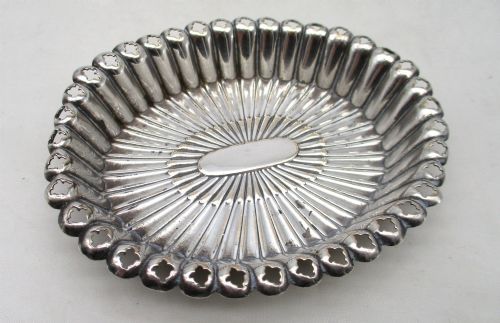


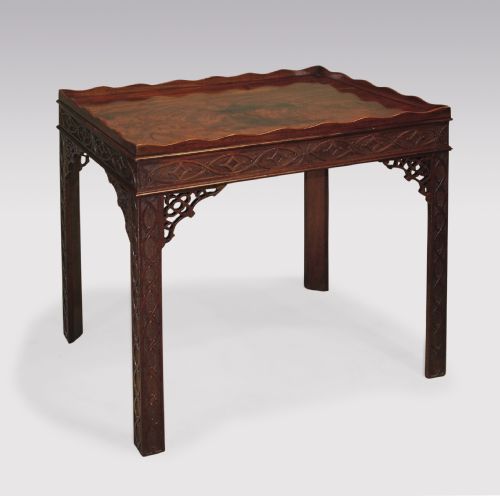


Mid 18th Century Silver
Mid 18th century silver brings the refined weight of the Georgian era directly to the table.
Understanding mid 18th century silver
Mid 18th century silver encompasses diverse items created during the Georgian and George II periods, alongside Italian Rococo examples. Buyers exploring mid 18th century silver encounter practical tableware and decorative objects that reflect the domestic habits of the period.
The selection ranges from functional cutlery and flatware, such as tablespoons, dessert spoons, sifter spoons, and serving spoons, to specific forms like sugar tongs, ladles, cream jugs, teaspoons, and coffee pots. Candlesticks, salvers or card trays, and larger furnishings like console tables and silver chests also appear in the record.
Origin points span London, Scotland, and Naples, showing that craftsmanship of this era crossed regional boundaries while maintaining high standards of metalwork. Sterling silver and solid silver form the foundation of these surviving pieces.
Measures of quality
Quality in mid 18th century silver rests on the crispness of casting and the retention of original form across items like candlesticks, coffee pots, and flatware. Pieces featuring distinct decorative flourishes, such as shell backs or gilding, display higher levels of artisan effort.
The involvement of identifiable makers, including female silversmiths and named craftsmen like Robert Arbin Cox, separates standard utilitarian output from more distinguished workshops. The integrity of materials, from solid silver structures to integrated painted marble tops, defines the upper tier of the range.
Listings and archives show materials spanning sterling silver, silver, and painted marble, alongside styles like George II, Georgian, and Italian Rococo.
Robert Arbin Cox
The Mid 18th Century Silver Glossary
- Sterling silver
- An alloy of silver containing 92.5 percent by mass of silver and 7.5 percent by mass of other metals, usually copper. This standard composition provides the durability required for domestic cutlery and hollowware.
- Silver gilt
- Silver that has been coated with a thin layer of gold on its surface. This technique adds warmth and protects the underlying silver from tarnishing.
- Salver
- A flat plate or tray, usually made of silver and raised on feet, used for presenting items or serving drinks. These pieces function as card trays in formal settings.
- Cast silver
- Silver that has been poured into a mould to shape it while molten. This method allows for heavier, more substantial forms like candlesticks and tongs.
- Shell back
- A decorative motif shaped like a scallop shell stamped or cast onto the reverse bowl of a spoon. This design element characterises mid 18th century flatware.
Frequently Asked Questions
What items are included in mid 18th century silver?
The category covers a wide array of domestic and decorative objects produced around the middle of the seventeen-fifties. These range from everyday flatware like tablespoons and teaspoons to hollowware such as coffee pots, cream jugs, and salvers.
Larger items like candlesticks, console tables, and silver chests also form part of the historical record for this era.
How do George II and Georgian styles differ?
George II style specifically falls under the broader umbrella of the Georgian period, which spans the reigns of the first four Hanoverian kings. George II pieces often display strong Italian Rococo influences with dynamic, flowing ornamentation.
General Georgian items may show varying regional traits depending on whether they originated in London or Scotland.
Where were these silver objects made?
Surviving pieces originate from multiple manufacturing centres, with London and Scottish workshops producing much of the domestic flatware and hollowware. Italian makers, particularly around Naples, also contributed distinct items like Rococo candlesticks and marble-topped console tables.
Regional marks help identify the specific origin of each piece.