
English Silver Spoon
An english silver spoon carries centuries of tactile history, offering a tangible link to bygone dining rituals and domestic life.
Form and Period
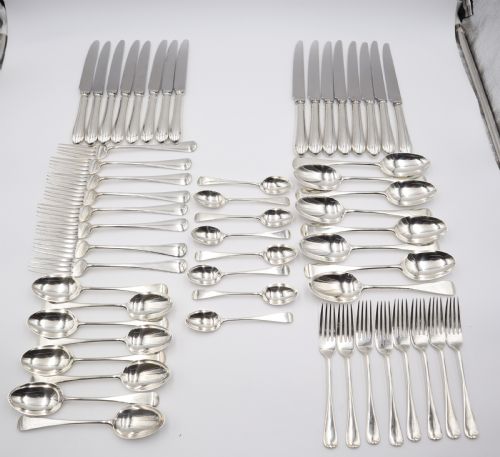
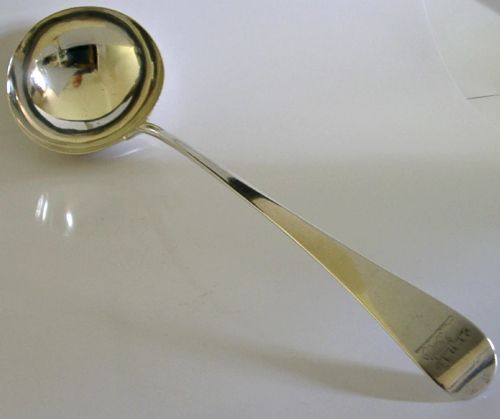
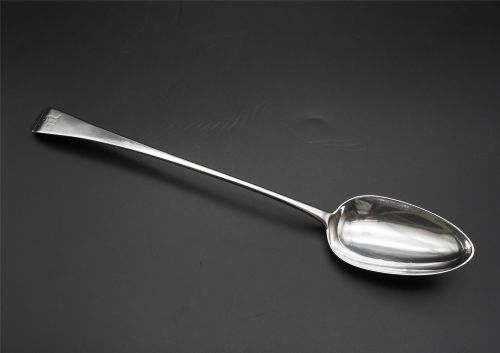
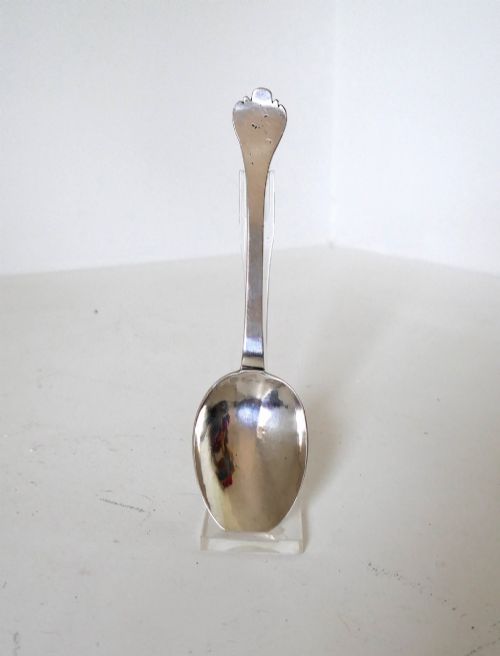
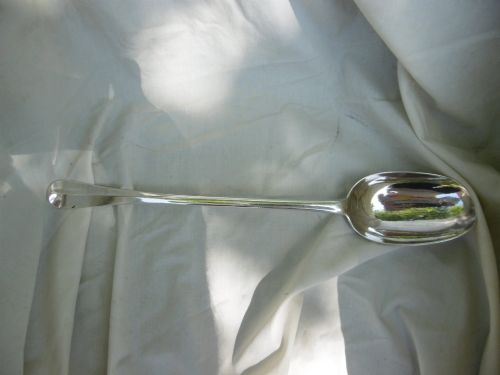
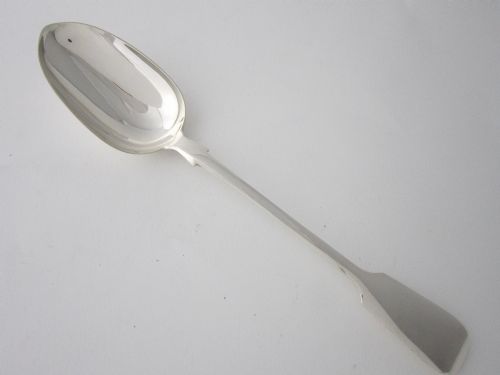
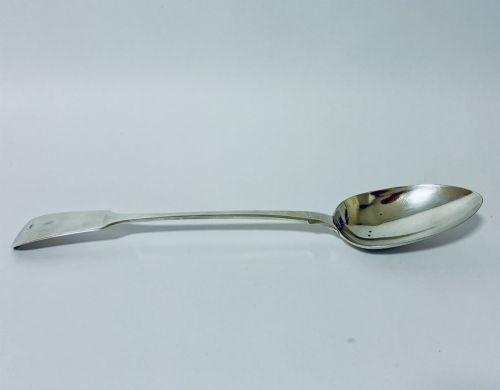
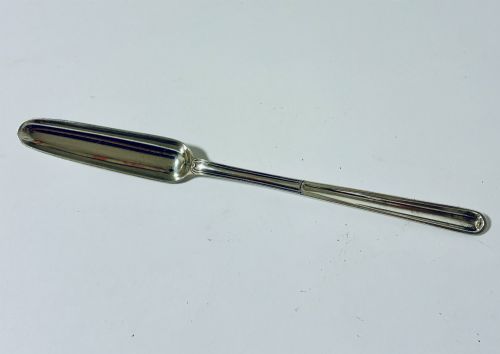
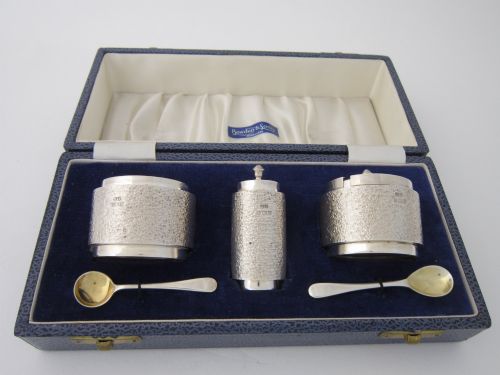
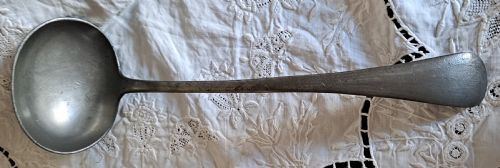
When searching for an english silver spoon, collectors encounter forms spanning from sixteenth-century seal-tops and seventeenth-century trefids to Georgian berry spoons and later specialty caddies.
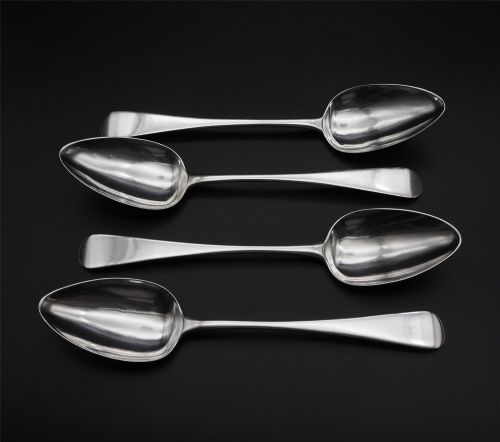
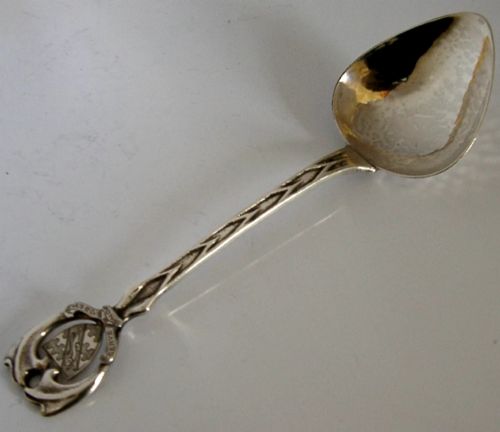
Early survivals from the sixteenth and seventeenth centuries, including Elizabethan and Stuart examples, appear alongside Georgian tablespoons and Victorian commemorative or novelty iterations.
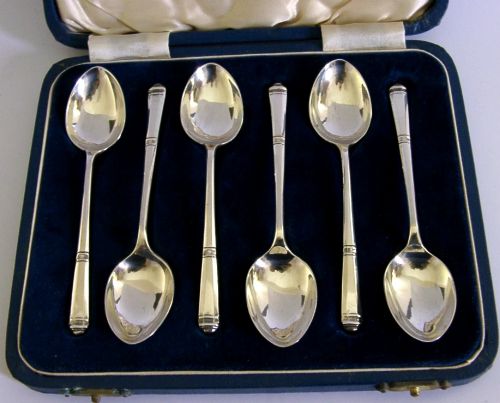
The material record shifts from early sterling and Britannia standard silver through to nineteenth- and twentieth-century tableware, reflecting changing domestic habits across generations.
Materials and Technique
Silversmiths shaped these utensils from sterling or Britannia standard silver, employing hand-beating, planishing, and casting techniques appropriate to each period.
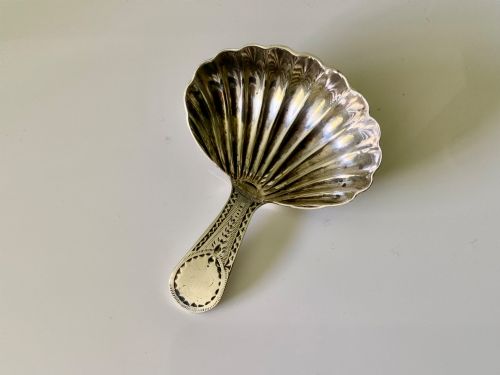
Decoration developed from simple early hallmarks and rattails to intricate brightcutting, gilding, and applied enamel work seen in later caddy and serving spoons.
Retail Price Guide 2026
Typical UK retail prices for english silver spoon, calculated from the Sellingantiques database of over a million retail prices indexed since 2003. This retail price guide relies exclusively on Sellingantiques data; no external sources or auction records are used, so the figures do not describe the wider market.
Listings demonstrate a chronological span from the sixteenth century through the Georgian and Victorian eras into the twentieth century.
Standards of Execution
Distinction across the range rests on the crispness of hallmarks, the preservation of original bowl profiles against wear, and the delicacy of hand-engraved or chased decoration.
Early cast terminals like seal-tops and trefids demonstrate the precision of the maker's mould and subsequent hand-finishing, whereas later pieces rely on the sharpness of planishing and brightcut lines.
William Penstone·Thomas Issoa·Amy Sandheim·R Hennell·Bateman
The English Silver Spoon Glossary
- Trefid
- A late seventeenth-century spoon form featuring a lobed, trifurcated terminal and a flat stem. It marks a distinct departure from earlier solid stem styles.
- Seal-top
- An early form terminating in a small cast bust or seal, popular in the sixteenth and seventeenth centuries. These often bear full maker marks and date letters on the stem or bowl back.
- Brightcut
- A style of engraving utilising faceted cuts that reflect light from different angles. It is frequently found on late eighteenth-century caddy spoons and tablespoons.
- Caddy spoon
- A short-handled specialty spoon designed for measuring tea leaves from a canister. Makers produced them in diverse novelty and planished forms throughout the Georgian and Victorian eras.
- Britannia standard
- A higher purity silver standard introduced by law in late seventeenth-century England to deter the melting of coinage. It contains ninety-five point eight percent pure silver.
Frequently Asked Questions
How do I date an early spoon?
Early examples rely on punch marks, maker stamps, and distinctive terminal styles such as seal-tops or trefids to establish their decade of creation.
Matching these against documented London and provincial assay office records yields reliable chronology.
What is a trefid spoon?
A trefid is a seventeenth-century form defined by its split, three-lobed terminal and flat stem design.
It represents a major stylistic shift in domestic cutlery before the evolution of the Hanoverian pattern.
Why did caddy spoons vary?
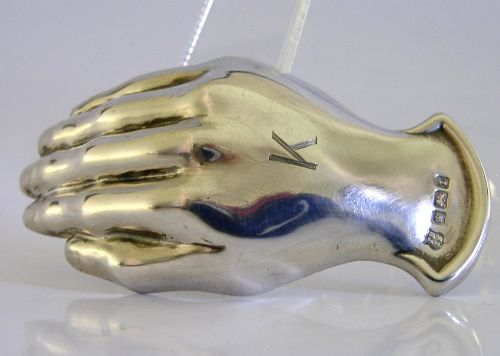
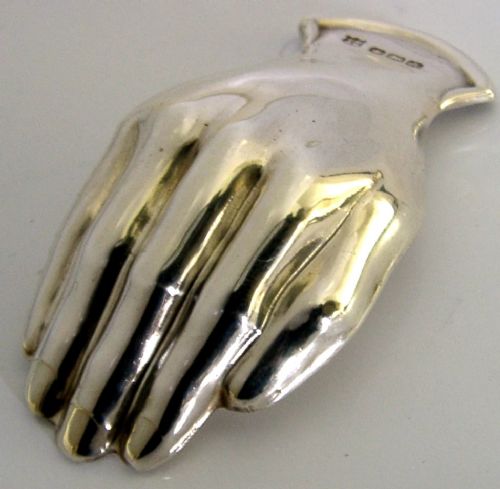
Tea caddy spoons were produced in myriad novelty shapes, from shells and hands to camels, to suit changing Victorian and Georgian tastes.
Their compact size allowed silversmiths to experiment freely with decorative techniques like planishing and brightcutting.
How should antique silver be cleaned?
Routine maintenance requires minimal intervention using non-abrasive cloths to preserve the underlying metal and patina.
Harsh chemical dips strip historical surface character and dull the crispness of early hallmarks.