
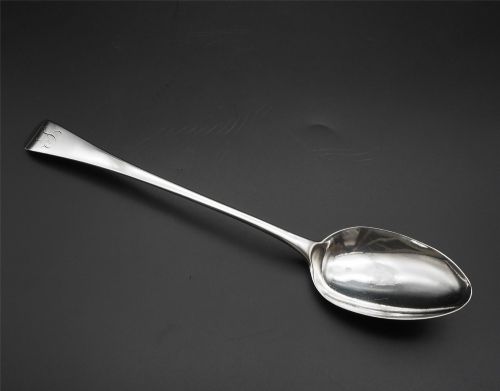
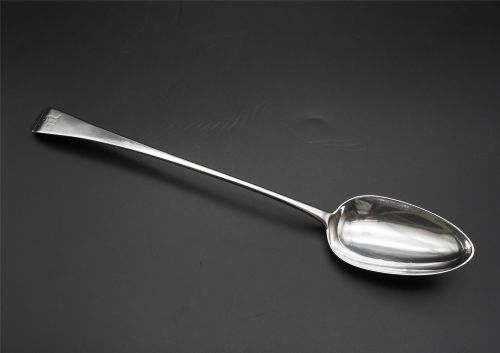
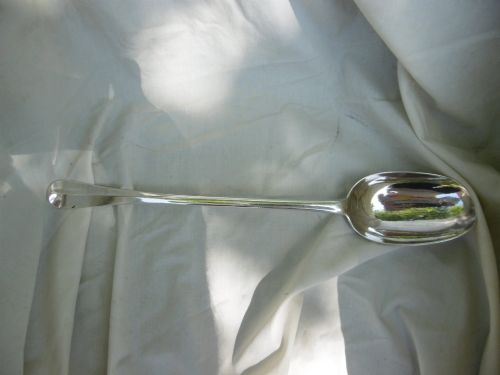
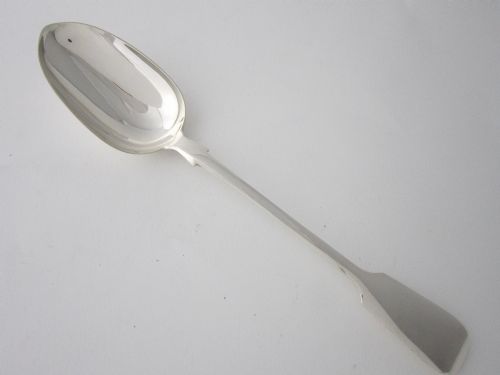


Silver Stuffing Spoon
A silver stuffing spoon is a large, sturdy implement designed for generous dining tables, offering both historical utility and elegance.
Identifying silver stuffing spoons
A silver stuffing spoon is a substantial serving implement primarily produced during the Georgian and Victorian eras. These pieces typically measure twelve inches or longer, engineered to assist with heavy joints of meat and large portions.
The selections span various regional British and Irish Assay offices, including London, Dublin, Exeter, Newcastle, and York, alongside Scandinavian examples. Forms range from plain fiddle pattern to intricate thread and shell designs, rat-tail variants, and berry spoons.
Materials and construction
These items are constructed from solid sterling silver, handled by provincial and metropolitan silversmiths using traditional smithing techniques. Heavier gauges of silver were selected to ensure the long stems resisted bending under the weight of heavy service.
Makers struck their pieces with distinct hallmarks denoting the town, year, and sterling standard, occasionally incorporating parcel gilding inside the bowl as seen in specific Victorian berry spoons.
Retail Price Guide 2026
Typical UK retail prices for silver stuffing spoon, calculated from the Sellingantiques database of over a million retail prices indexed since 2003. This retail price guide relies exclusively on Sellingantiques data; no external sources or auction records are used, so the figures do not describe the wider market.
Listings feature sterling silver spanning the eighteenth, nineteenth, and twentieth centuries, originating from British, Irish, and Scandinavian makers.
Distinctions in quality
Quality in a silver stuffing spoon rests upon the crispness of the hallmarks, the preservation of the original bowl shape against heavy wear, and the weight of the metal itself. Thicker gauges maintain their structural integrity and decorative motifs far better over centuries of use.
The reputation of the maker and the regional rarity of the assay office further elevate a piece, alongside the clarity and completeness of the decorative patterns such as thread and shell or fiddle designs.
John Wilks·John Harris IV·George Adams·Paul Storr
The Silver Stuffing Spoon Glossary
- Stuffing spoon
- A large nineteenth or eighteenth-century serving implement also known as a basting or gravy spoon. It was utilised at large dining tables for serving meat and sauces.
- Fiddle pattern
- A popular nineteenth-century flatware style featuring a distinctive fiddle-shaped shoulder just above the stem. This design became standard across many formal dining services.
- Assay office
- An official body charged with testing the purity of precious metals and stamping them with hallmarks. British and Irish offices utilised distinct town marks like the Dublin harp or Exeter castle.
- Rat-tail
- A traditional strengthening ridge running down the back of the spoon bowl. This feature connects the bowl directly to the stem for added durability.
- Berry spoon
- A serving spoon decorated at a later date with chased fruit and foliage over the original bowl. These pieces were frequently adapted during the Victorian period from older spoons.
Frequently Asked Questions
What is a silver stuffing spoon used for?
These large spoons were designed for serving heavy portions of meat, fowl, and vegetables at large dining tables. They functioned as both basting and gravy implements during formal meals.
Their substantial length and deep bowls allowed hosts to manage heavy joints with ease. Today, collectors utilise them primarily as decorative serving pieces or display items.
How do I identify the date of a silver stuffing spoon?
Dating relies upon the hallmarks stamped directly into the silver, which typically include a date letter, a town mark, and a maker's mark. British and Irish offices maintained strict records for these symbols.
Stylistic cues such as fiddle patterns or rat-tail backs also point toward specific periods. Comparing these details against established hallmarking registers reveals the exact year of manufacture.
Are Irish stuffing spoons different from English ones?
Irish silver stuffing spoons often feature distinct regional hallmarks, such as the Dublin Hibernia stamp or the crowned harp. Provincial Irish workshops produced distinctive variations in weight and pattern.
Collectors frequently seek these Irish examples due to their lower production numbers compared to London pieces. They represent a distinct tradition within British Isles silversmithing.
How should I care for antique silver?
Regular, gentle dusting and occasional cleaning with a specialist silver cloth preserve the metal without wearing away the hallmarks. Avoid harsh abrasive pastes that can damage crisp engraving.
Storing pieces in a dry environment prevents excessive tarnishing. Proper handling ensures the historical surface retains its character over time.