
Silver Serving Utensil
A silver serving utensil is a distinguished addition to the table, combining historic weight with practical grace for any formal gathering.
What They Are
A silver serving utensil is designed for significant dining tasks, ranging from ladling broth to presenting joints of meat. These pieces carry the presence of large table service from past centuries.
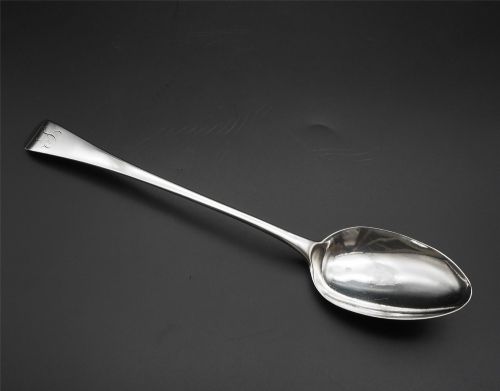
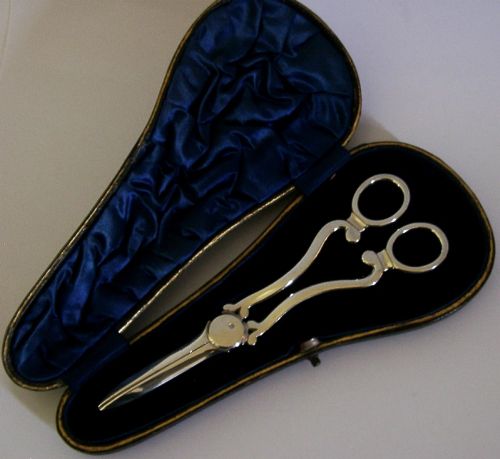
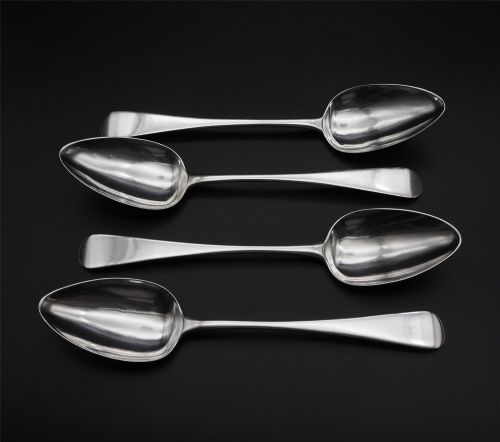
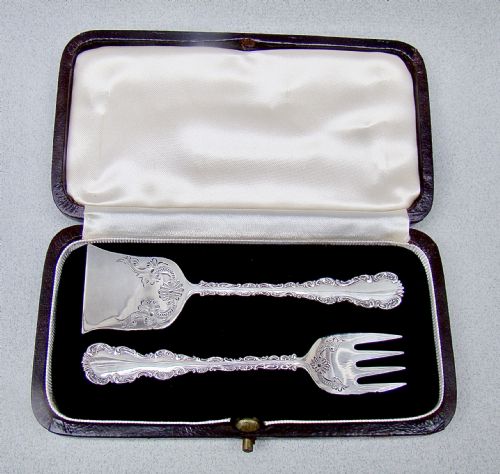
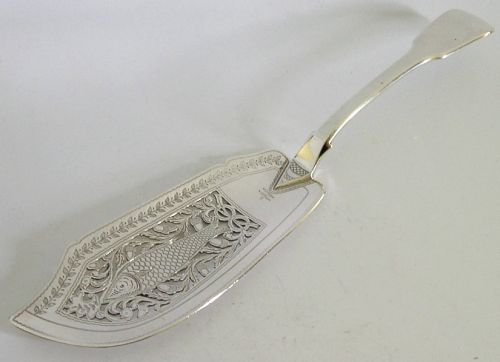
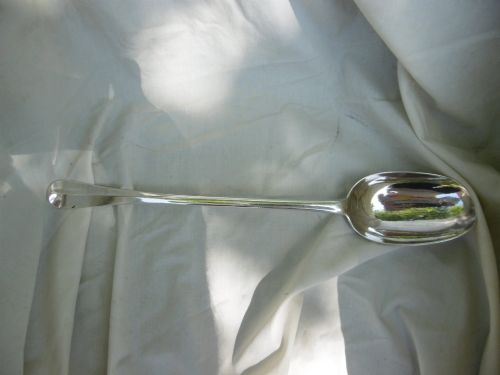
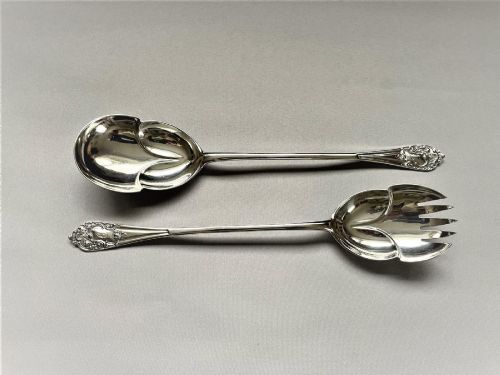
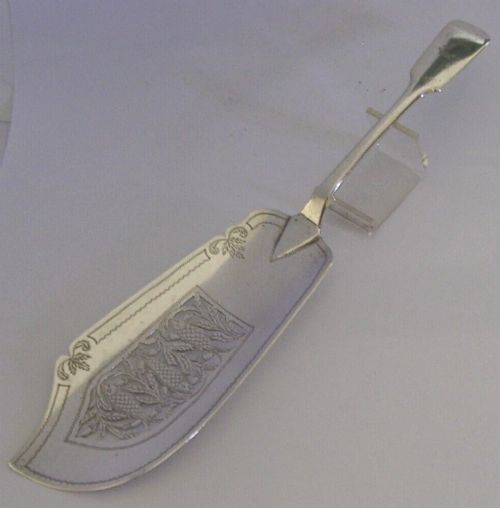
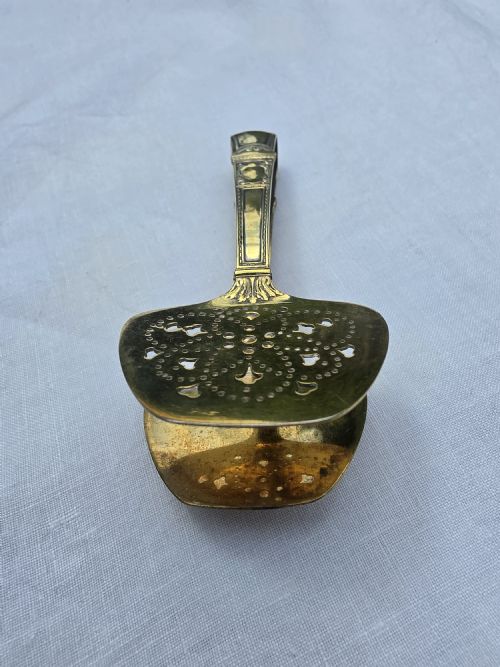
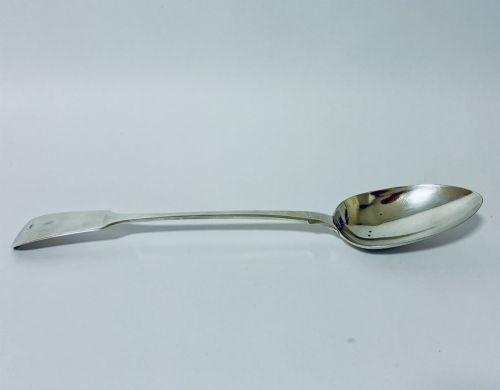
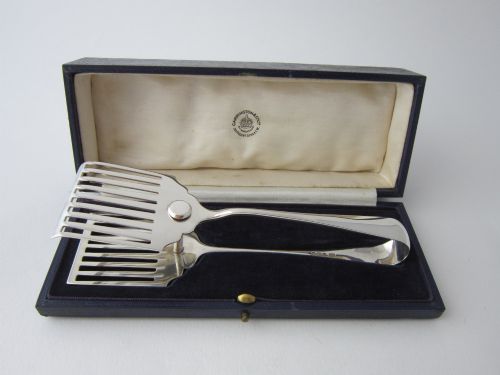
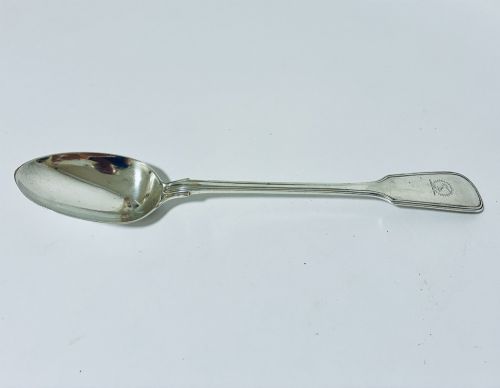
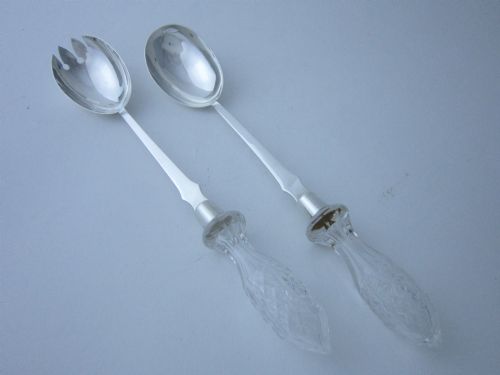
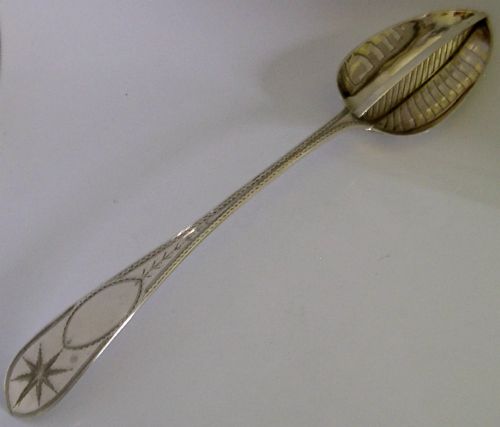
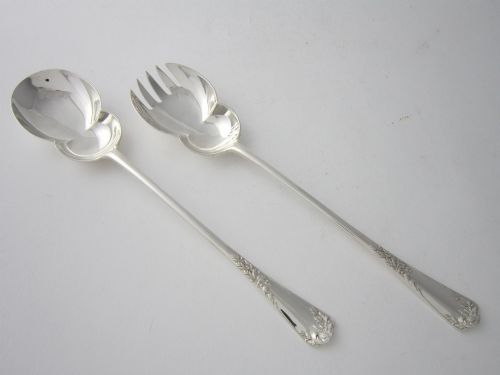
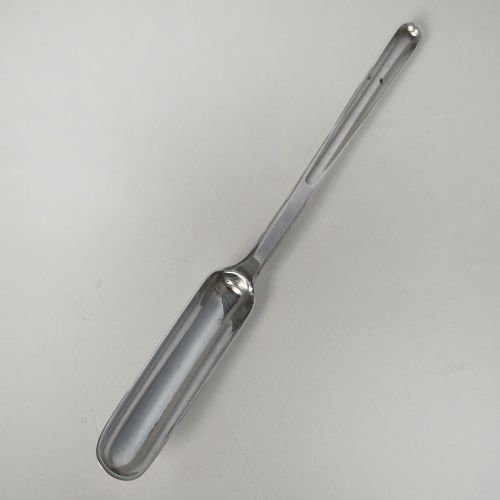
Buyers encountering this group will most frequently find examples dating from the Georgian and Victorian eras. The selection encompasses substantial serving spoons, hash spoons, basting spoons, soup ladles, and fish slices.
The forms span the eighteenth and nineteenth centuries, reflecting shifts in dining habits from communal serving to individual course division. Each item represents a specific functional tool from its period of origin.
How They Were Made
The primary material across the inventory is sterling silver, fashioned into heavy, durable implements meant for daily or ceremonial dining. Silversmiths hammered and shaped the metal to withstand the rigours of large-scale hospitality.
Techniques relied on traditional hand-wrought methods, visible in the substantial gram weights and generous dimensions of pieces like the hash and basting spoons. These methods ensured both structural integrity and balance in the hand.
Retail Price Guide 2026
Typical UK retail prices for silver serving utensil, calculated from the Sellingantiques database of over a million retail prices indexed since 2003. This retail price guide relies exclusively on Sellingantiques data; no external sources or auction records are used, so the figures do not describe the wider market.
One listed hash spoon stretches to thirty-five centimetres and weighs one hundred and seventy-five grams.
What Varies in Quality
Quality in a silver serving utensil is rooted in the substance of the metal and the authority of the maker's hand. Heavier gram weights and generous proportions distinguish the finest utilitarian pieces from lighter equivalents.
The distinction between ordinary production and superior craftsmanship lies in the crispness of the form and the integrity of the silver. Pieces bearing identified silversmith marks carry greater documentary interest for the collector.
Andrew Archer·Hester Bateman
The Silver Serving Utensil Glossary
- Basting spoon
- A large spoon traditionally used for spooning juices over roasting meat. These items measure considerably longer than standard table spoons.
- Hash spoon
- An exceptionally large serving spoon designed for deep-dish meat and vegetable hashes. They often exceed thirty centimetres in length.
- Fish slice
- A wide, flat utensil with a pierced blade used for serving fish portions. The perforation allowed liquids to drain away before plating.
- Sterling silver
- An alloy containing a high proportion of pure silver, standard for British plate. It provides the necessary durability for functional cutlery.
Frequently Asked Questions
What is a silver serving utensil?
A silver serving utensil is a large-format implement designed for portioning food at the dining table. These include basting spoons, soup ladles, and fish slices.
They differ from standard cutlery through their increased scale and specialised bowl or blade shapes tailored for specific dishes.
How do I care for silver?
Silver requires gentle cleaning with non-abrasive polishes specifically formulated for precious metals. Regular, careful use prevents heavy tarnish accumulation.
Store pieces in dry conditions away from direct sunlight and moisture to preserve the finish.
How do I identify Georgian silver?
Georgian silver dates from the reigns of the four King Georges, spanning the eighteenth and early nineteenth centuries. Pieces from this era often display robust proportions and hand-wrought characteristics.
Assay office marks and date letters stamped into the metal provide precise verification of the period.
Can I use these utensils today?
These items remain entirely functional for modern dining and hospitality use. Their solid construction makes them durable additions to contemporary service.
Hand washing is recommended to protect the historic metal and any engraved details from modern dishwasher detergents.