

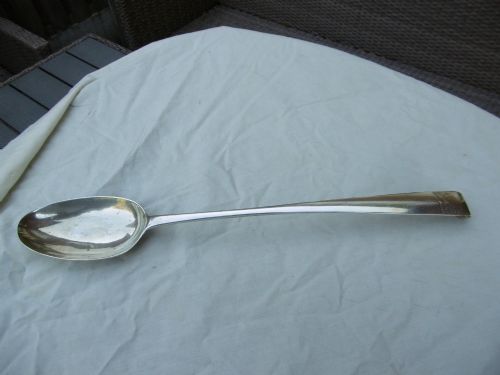


Crested Silver Spoon
When you handle a crested silver spoon, you hold centuries of family history etched into solid sterling metal.
Crested Silver Spoon
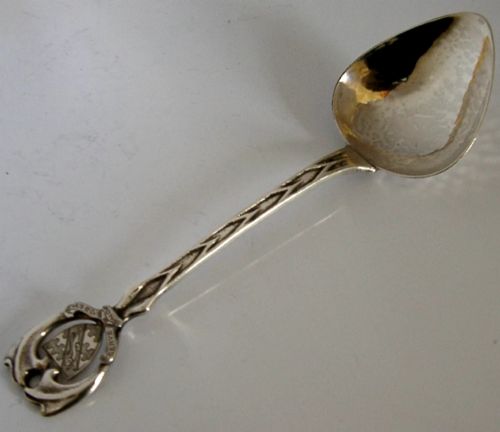
A crested silver spoon is a piece of cutlery or serving silverware engraved with a specific family crest, motto, or coat of arms. The examples gathered here span from the early eighteenth century through the Victorian era and into the twentieth century, taking forms such as standard tablespoons, dessert spoons, and larger serving utensils.
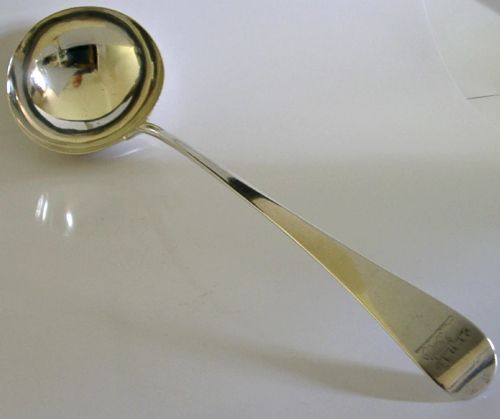
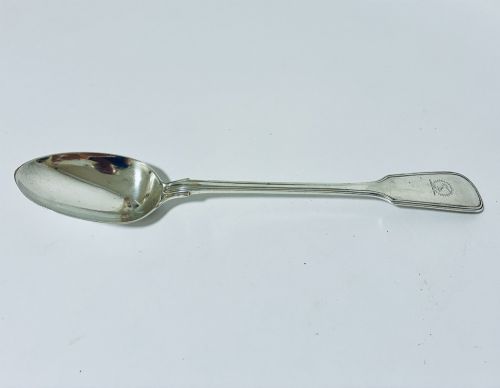
The pieces you are most likely to encounter on this page belong to the Georgian and Victorian periods, including basting spoons, soup ladles, and berry spoons. Makers shaped these items in sterling silver and silver gilt, frequently applying traditional regional patterns like old english and fiddle.
These items were originally commissioned by landed gentry and prosperous families to mark their lineage on everyday dining silver. Today, collectors seek them out for their connection to specific historical households and their display of period silversmithing.
How they were made
Silversmiths forged these pieces primarily from sterling silver, hammering and shaping the metal into heavy soup ladles, basting spoons, and smaller caddy spoons. Certain items also received a layer of silver gilt, adding a rich golden tone to the bowl or handles.
The heraldic crests were hand-engraved onto the terminal of the handle using sharp gravers to cut detailed motifs such as animals, coronets, and family crests into the solid silver. Master smiths often added town marks, maker stamps, and date letters directly onto the reverse of the stem.
Crested Silver Spoon Retail Price Guide 2026
Typical asking prices for crested silver spoon among the pieces listed under this phrase on Sellingantiques today, from the lower quarter to the upper quarter. They describe what is for sale here now, not the wider market.
One determined eighteenth-century cook dropped a heavy ladle, leaving a dent that outlived the empire.
What varies in quality
The distinction between ordinary and exceptional examples rests heavily on the crispness of the heraldic engraving and the weight of the silver. Items carrying deep, sharply defined crests executed by skilled hands stand apart from pieces where centuries of polishing have softened the detail.
Makers and origin also dictate standing, with pieces bearing marks from notable provincial towns, Dublin smiths, or renowned makers like Hester Bateman commanding greater attention. Substantial weight, balanced proportions, and complete sets in original fitted cases further elevate certain utensils above standard individual spoons.
Hester Bateman·Michael Smith·Elizabeth Morley·John Craig·J Ladyman
The Crested Silver Spoon Glossary
- Crest
- The specific heraldic device or familial symbol engraved onto the handle of the spoon. This emblem denoted the lineage and house of the original owner.
- Berry spoon
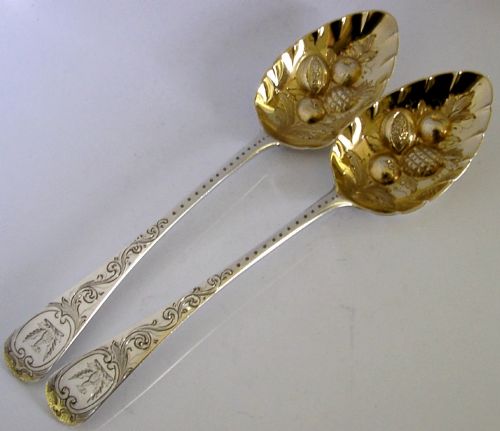
- A serving spoon, typically Georgian or Victorian in origin, featuring fruit and foliage embossed or chased onto the bowl long after its initial manufacture. The engraved handle usually retains its original crested design.
- Basting spoon
- An exceptionally large spoon used originally for ladling juices over roasting meat in the kitchen or at the table. These heavy implements often bear prominent family crests on the terminal.
- Fiddle pattern
- A nineteenth-century cutlery style featuring a rounded shoulder above a narrow stem that widens towards a squared terminal. This design became a standard canvas for family crests during the Georgian and Victorian eras.
Crested Silver Spoon: Frequently Asked Questions
What is a crested silver spoon?
A crested silver spoon is a piece of antique flatware or holloware featuring an engraved family crest or heraldic badge. These emblems were commissioned by households to personalise their dining silver.
Over generations, these crests survived while families scattered, leaving behind tangible records of genealogy on solid sterling silver.
How do I know the age of my spoon?
Silver spoons usually carry hallmarks stamped directly onto the metal, indicating the assay office, the year of production, and the maker. Comparing these stamps against official assay records reveals the exact date.
Stylistic shifts, such as the shape of the terminal and the pattern of the stem, also provide clear clues to the period.
Were these spoons used every day?
Wealthy households utilised heavy silver spoons for formal dining, food preparation, and serving large portions at the table. Basting spoons and soup ladles saw heavy service during grand dinners.
Many families kept their best flatware stored safely when not entertaining guests, which explains the survival of crisp engraving today.
What does a berry spoon mean?
A berry spoon is an antique serving spoon that received decorative fruit repoussé work during the Victorian era. Silversmiths often took older Georgian spoons and added embossed fruit and leaves to the bowl.
The original family crest on the handle remained untouched, blending eighteenth-century metalwork with nineteenth-century decorative tastes.