


Antique Silver Sifter
An antique silver sifter brings the refined ritual of dusting sugar and spices to the table through standing castors and perforated spoons.
Antique Silver Sifter
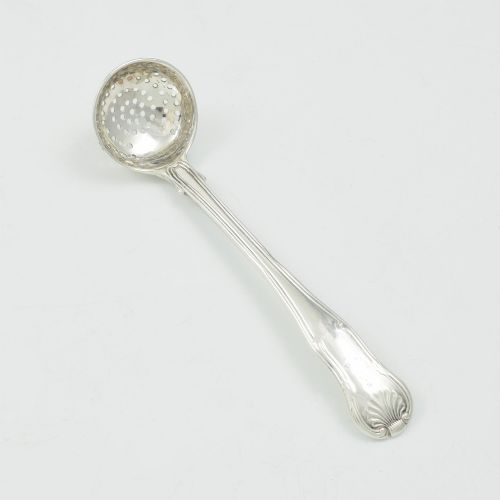
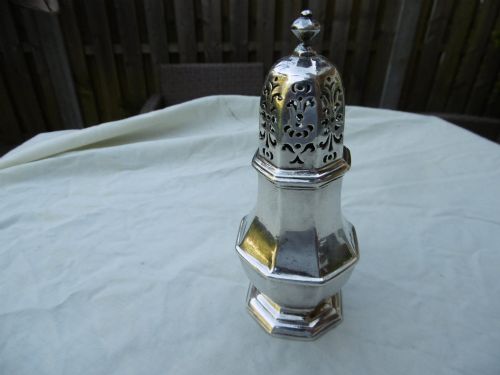
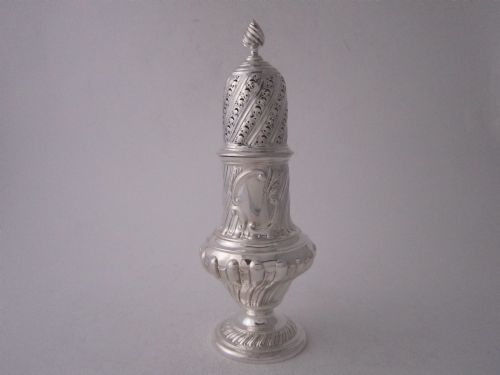
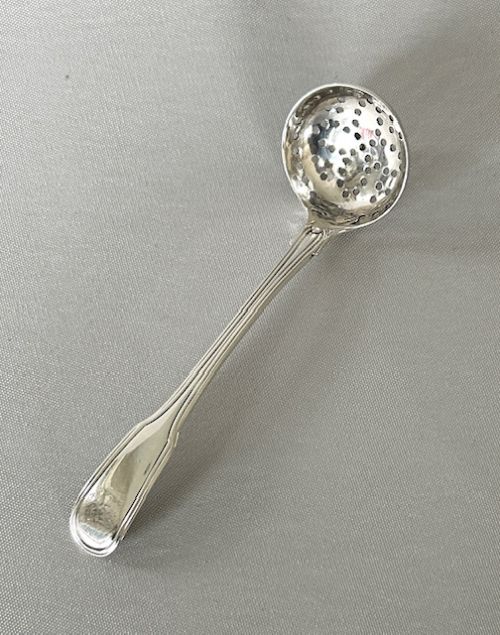
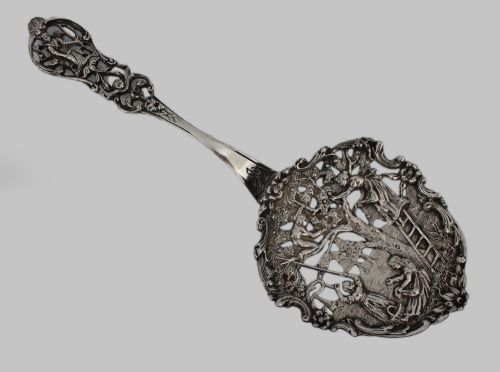
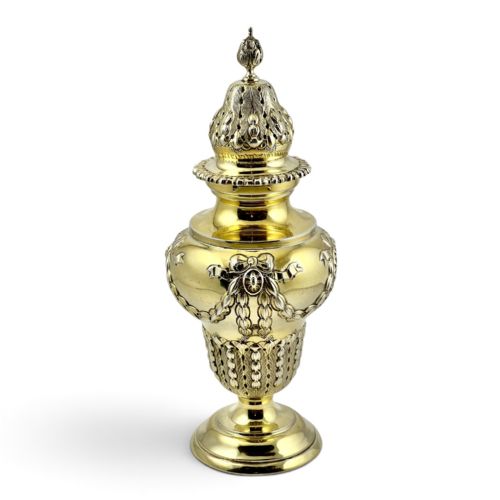
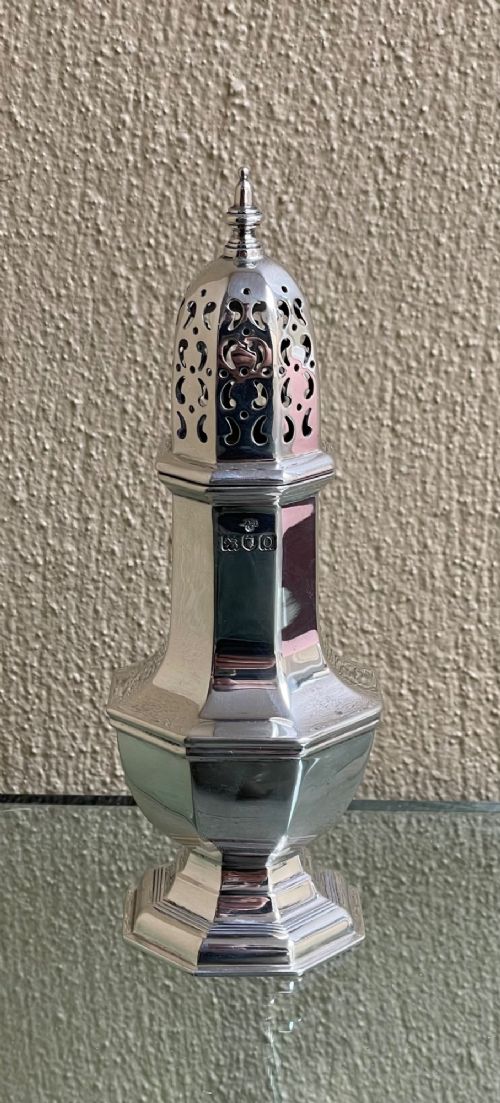
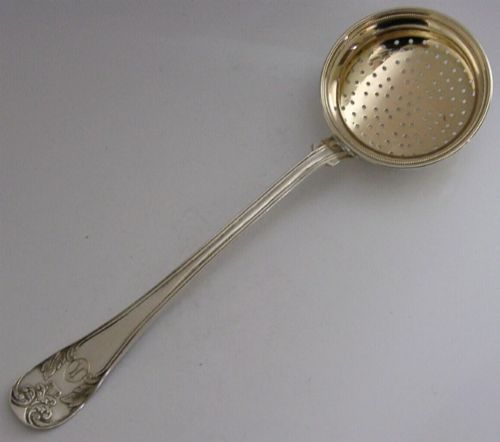
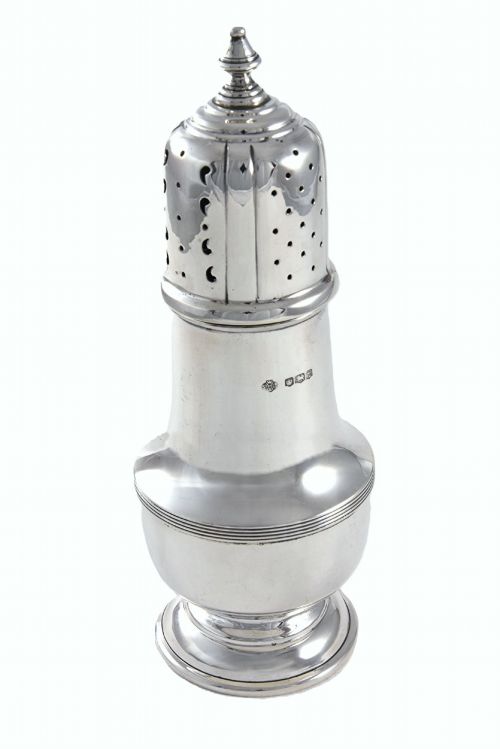
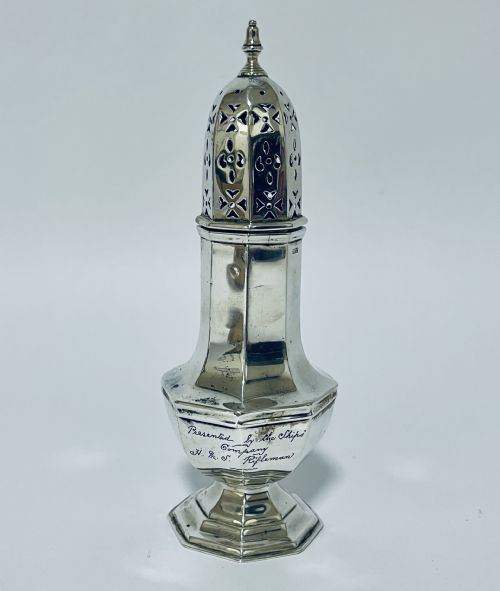
The antique silver sifter encompasses both tall standing vessels designed to sprinkle castor sugar and specialised spoons featuring pierced bowls for shaking spices or berries. Standing examples, often termed muffineers or casters, appear from the Georgian and Victorian eras with weighted bases and pierced domed covers.
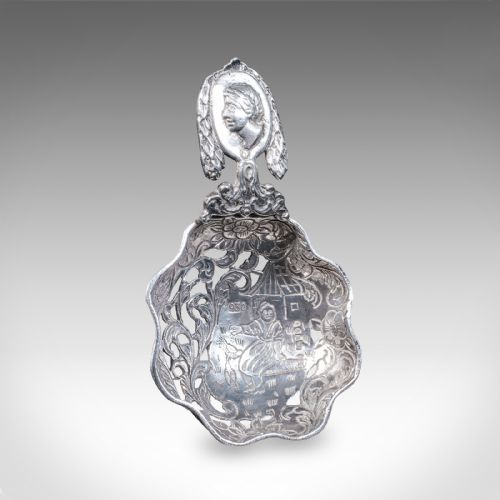
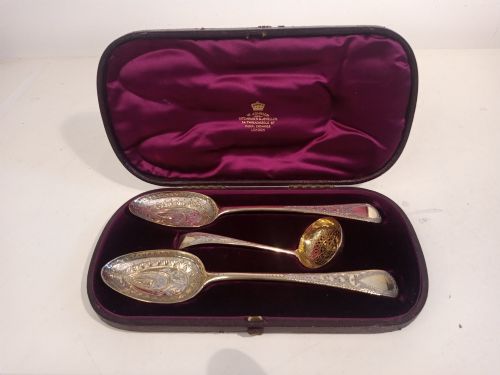
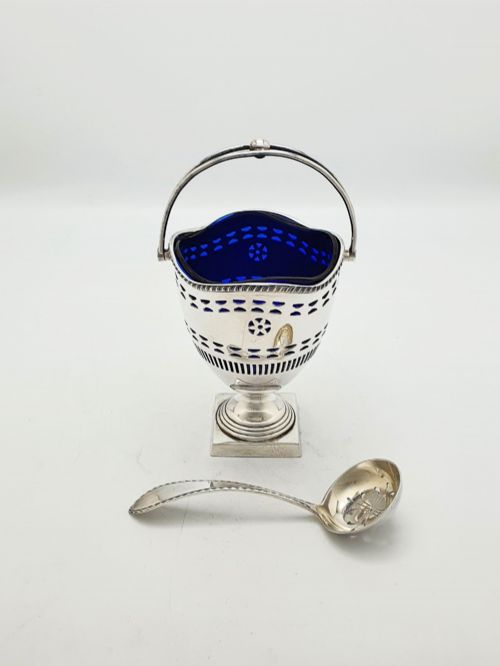
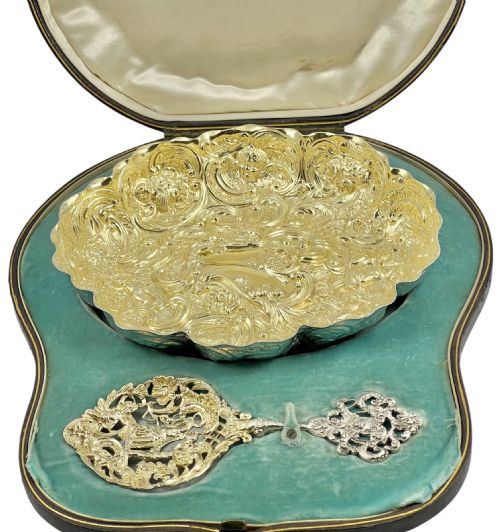
Spoon formats emerge in various regional patterns, including parcel-gilt iterations, berry spoons, and fiddle-thread designs spanning the eighteenth, nineteenth, and early twentieth centuries. Many pieces arrive housed in fitted presentation cases alongside matching sugar bowls or cranberry and cobalt glass liners.
Origins stretch across British workshops in London, Sheffield, Birmingham, and Chester, alongside continental European pieces carrying import hallmarks and American examples. Surviving items demonstrate how dining customs evolved from heavy Georgian silverware through ornate Victorian revivalism to sleek Edwardian and Art Deco forms.
How They Were Made
Silversmiths constructed standing casters from solid sterling silver using hammering, spinning, and casting techniques to shape octagonal, polygon, or cornucopia bodies. Pierced patterns on the lids and spoon bowls were meticulously hand-sawn or punched into intricate floral, geometric, and scroll motifs.
Surface decoration frequently incorporated silver gilt applications, bright-cut engraving, and applied cast borders such as bead-and-reel or shell edges. Makers combined the metal with complementary materials including cut glass, cranberry glass, and velvet-lined presentation boxes.
Antique Silver Sifter Retail Price Guide 2026
Typical asking prices for silver sifter among the pieces listed under this phrase on Sellingantiques today, from the lower quarter to the upper quarter. They describe what is for sale here now, not the wider market.
Some Victorian spoons feature whimsical figural terminals shaped like birds, flowers, or Shakespearean characters looking back at the user.
What Varies In Quality
The standard of an antique silver sifter depends upon the crispness of the pierced work on the lid or bowl and the integrity of the maker's marks. Heavy-gauge silver provides a substantial weight in the hand, whereas lighter examples show thinner gauge metal that bends under pressure.
Design complexity distinguishes basic utilitarian items from masterworks featuring figural terminals, cast scrolling foliage, or complete matching cased sets with glass inserts. Preserved gilding and intact hallmarks that remain legible without over-polishing elevate the standing of the piece.
Stephen Adams·The Barker Brothers·James Dixon And Sons Ltd·Evald Nielsen·Roberts And Belk·Horace Woodward And Co Ltd·Thomas Hart Stone·Atkin Brothers·Francis Higgins·Taylor And Perry·A B Savory And Sons
The Antique Silver Sifter Glossary
- Caster
- A standing vessel with a pierced cover used for sprinkling sugar or spices over food. These vessels appear in octagonal, cylindrical, and urn-like forms.
- Muffineer
- An alternative nineteenth-century term for a small sugar caster utilised specifically at breakfast or tea tables for muffins. They share the same perforated domed top as larger casters.
- Silver Gilt
- Sterling silver that has been coated with a thin layer of gold on the interior or exterior surface. This technique protected the silver from corrosive food acids.
- Import Hallmark
- Official stamps applied by a British assay office to foreign silver brought into the country for sale. These marks confirm the metal standard after 1883.
- Bright-Cut Engraving
- A surface decoration technique utilising faceted angled cuts to create sparkling geometric or floral patterns. It was particularly popular during the Georgian period.
Antique Silver Sifter: Frequently Asked Questions
How were silver sifters used at the table?
These items were central to tea and dessert services during the Georgian and Victorian periods, when refined sugar was an expensive commodity. Hosts used them to dust desserts, pastries, and fruit with sugar or aromatic spices.
Many spoons were paired with berry bowls or presented inside velvet-lined cases as complete wedding or dining gifts.
How do I identify the age of a silver sifter?
Age is determined by reading the assay office marks, date letters, and monarch's head stamps struck directly into the silver. Stylistic clues such as the heavy rococo scrolls of the Victorian era or the clean geometry of Art Deco pieces also point to specific decades.
Matching the maker's mark against historical records confirms the exact year and location of manufacture.
Can I use an antique silver sifter today?
These pieces remain fully functional for modern dining and can be used to dust icing sugar or cinnamon onto desserts. Gentle hand washing with warm soapy water preserves the finish without damaging the antique metal.
Avoid abrasive cleaners and dishwasher cycles to protect any original gilding, glass liners, and delicate pierced work.