




Silver Sifter Spoon
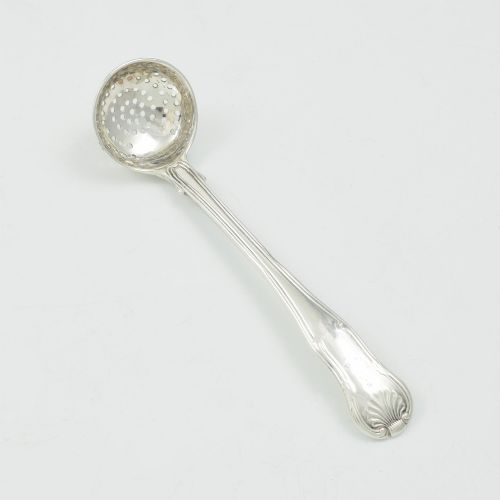
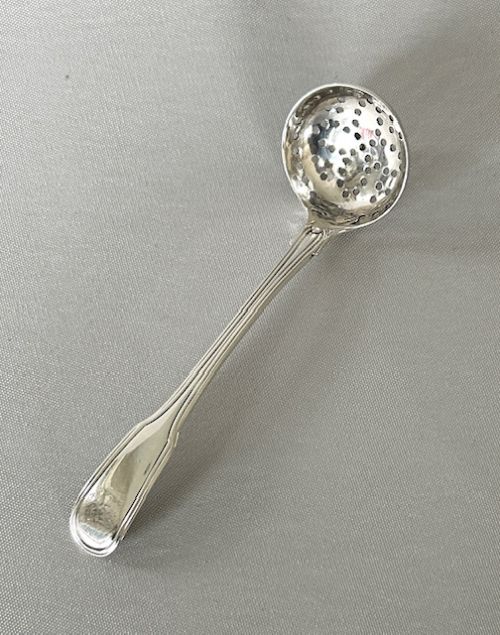
A silver sifter spoon brings pierced elegance to the tea table, designed to sprinkle powdered sugar or spices over food.
Understanding silver sifter spoons
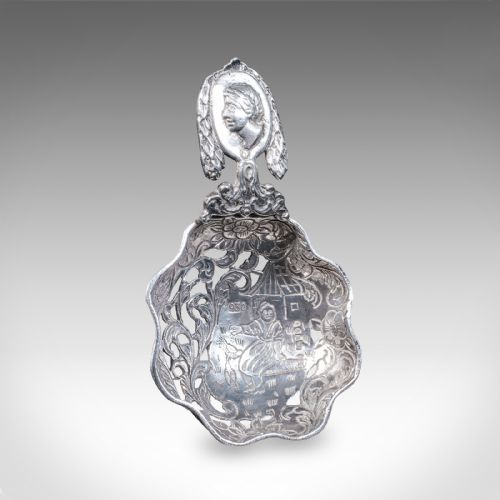
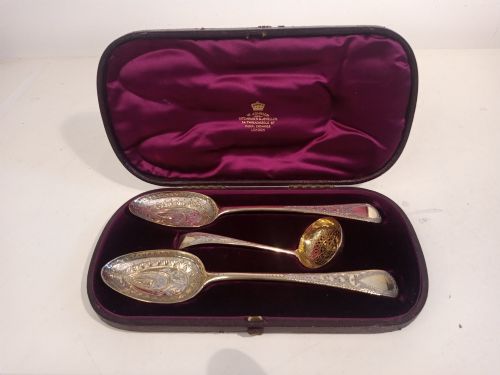
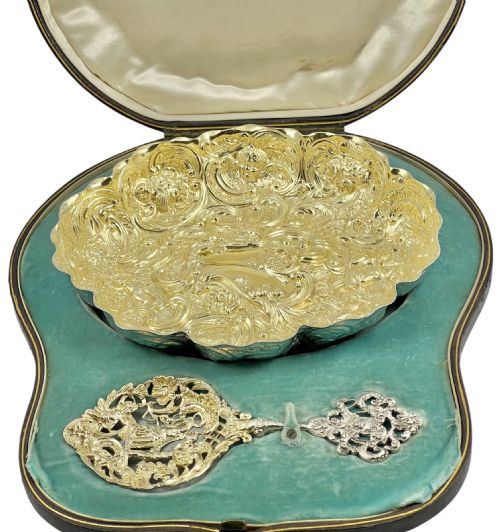
A silver sifter spoon is a specialist utensil featuring a pierced bowl designed for dusting sugar or spices onto food. Collectors searching this phrase encounter examples ranging from the crisp geometry of the Georgian period to ornate Victorian designs. Many survive alongside sugar bowls or within fitted presentation cases lined with silk and velvet.
The form developed to serve loose sugar when loaf sugar required grating at the table. Georgian makers produced restrained spice sifter spoons alongside larger sugar ladles, while Victorian silversmiths introduced heavy cast handles and naturalistic motifs like ivy leaves and lilies. French and Russian makers also contributed distinct regional variations during the nineteenth century.
Materials and construction methods
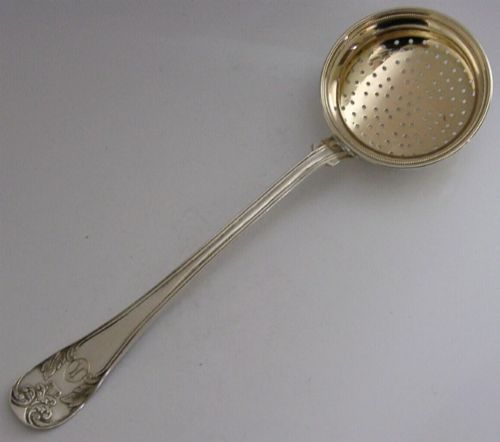
Silversmiths forged these utensils primarily from sterling silver, occasionally employing gold gilt finishes to interior bowl surfaces or highlights. Early pieces utilised Britannia standard silver or standard sterling, while fitted cases combined wooden structures with leather exteriors and silk or velvet linings. Handles sometimes incorporated cast figural terminals or applied crests.
The piercing of the bowl required careful hand-sawing or punching to create geometric slots, trellis patterns, or floral arrangements. Silversmiths shaped stems using patterns such as Fiddle and Thread, King's Hourglass, or Onslow, before applying hallmarks to record the assay office, date letter, and maker's mark.
Retail Price Guide 2026
Typical UK retail prices for silver sifter spoon, calculated from the Sellingantiques database of over a million retail prices indexed since 2003. This retail price guide relies exclusively on Sellingantiques data; no external sources or auction records are used, so the figures do not describe the wider market.
Listings feature sterling silver pieces spanning the Georgian, Victorian, and early twentieth-century periods, including items housed in silk-lined leather cases.
Evaluating craftsmanship and distinction
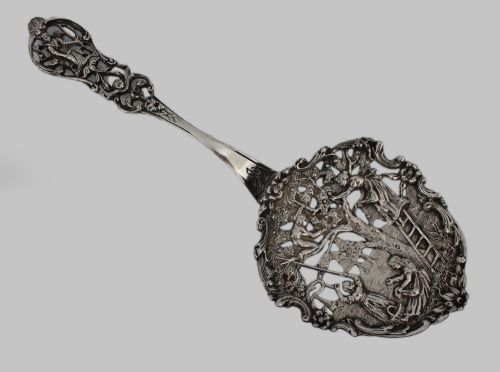
Quality rests in the crispness of the pierced bowl pattern and the weight of the silver used in the handle. Plain Georgian examples rely on balanced proportions and clear hallmarks, whereas high-end Victorian pieces feature deep cast detailing, such as cherubs or naturalistic fruit and bird motifs.
The survival of original fitted cases lined with velvet and silk adds context to the piece. Maker attribution also influences distinction, with pieces bearing marks from notable silversmiths commanding particular attention among collectors.
John Lambe·Richard Crossley·Thomas Hart Stone·Francis Higgins·William Sumner I·William Bateman
The Silver Sifter Spoon Glossary
- Pierced bowl
- A spoon bowl perforated with holes or slots to allow fine sugar or spices to pass through. This feature defines the primary function of the utensil.
- Hallmark
- A series of stamped official marks indicating the metal purity, assay office, and year of manufacture. These symbols allow collectors to date British silver accurately.
- Fiddle pattern
- A nineteenth-century flatware handle design featuring a shoulder above a wider, squared end resembling a violin. It frequently appeared on silver sifter spoons.
- Parcel gilt
- Silver objects with specific areas highlighted in applied gold wash. This technique was used on select sifter spoons to contrast against the bright silver bowl.
- Incuse duty mark
- A sovereign's head stamp pressed into the silver in relief rather than raised, used briefly during the Georgian period to show tax payment.
Frequently Asked Questions
What was a silver sifter spoon used for?
These utensils served to sprinkle loose sugar or fine spices over desserts, pastries, or hot drinks before granulated sugar became standard.
They appeared on the table alongside sugar bowls, baskets, or tea services during formal dining occasions.
How do I identify a Georgian sifter spoon?
Georgian examples typically feature simpler bowls with bright-cut engraving, feather edges, or Onslow patterns, often bearing crisp incuse duty marks.
Assay office stamps and date letters stamped directly into the silver help confirm the eighteenth-century origins.
Why do some sifter spoons come in fitted cases?
Many Victorian and later examples formed part of matched sets that included berry spoons or sugar bowls intended as gifts.
The leather cases lined with velvet or silk protected the delicate pierced bowls and polished silver from tarnishing.
What is the difference between a spice sifter and a sugar sifter?
Spice sifters were generally smaller and produced during the Georgian era to handle aromatic flavourings for punch or food.
Sugar sifter spoons grew larger through the nineteenth century to accommodate the increasing availability of refined sugar.