

Antique Silver Sugar Basin
An antique silver sugar basin brings tactile weight to the table, and these pieces span Georgian elegance through to Edwardian refinement.
What an antique silver sugar basin is
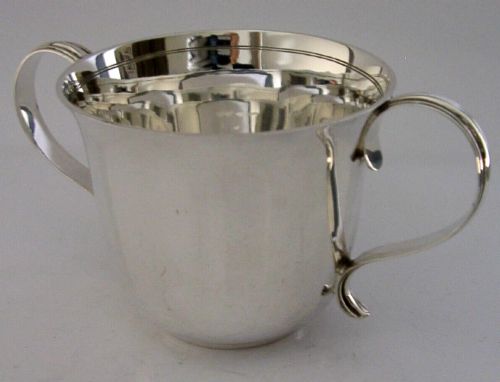
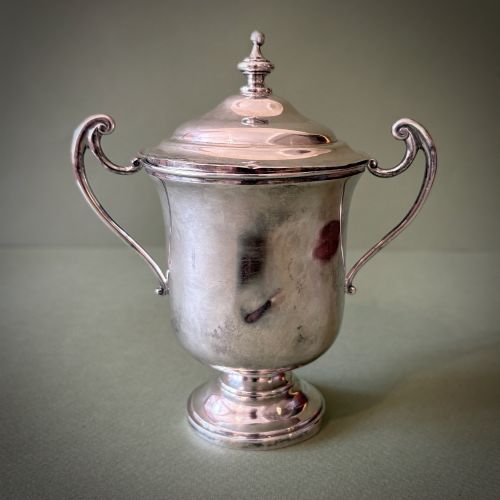
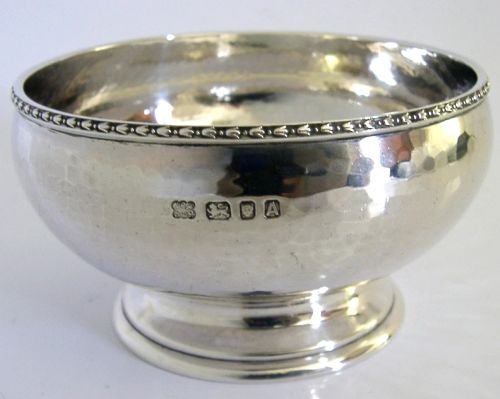
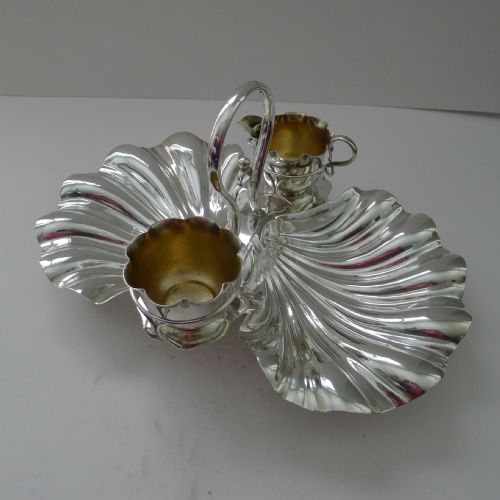
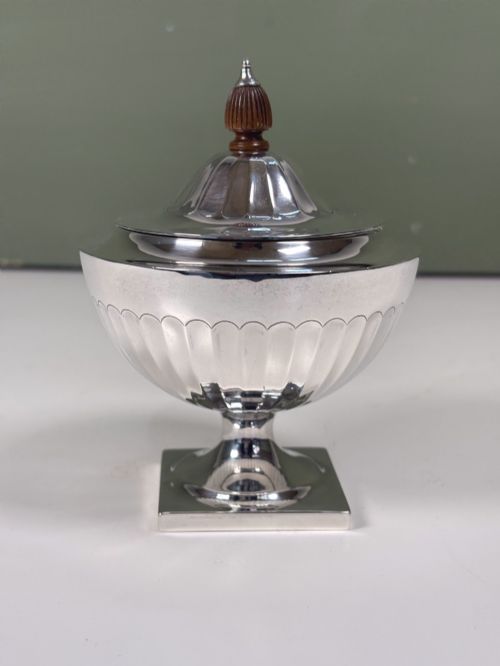
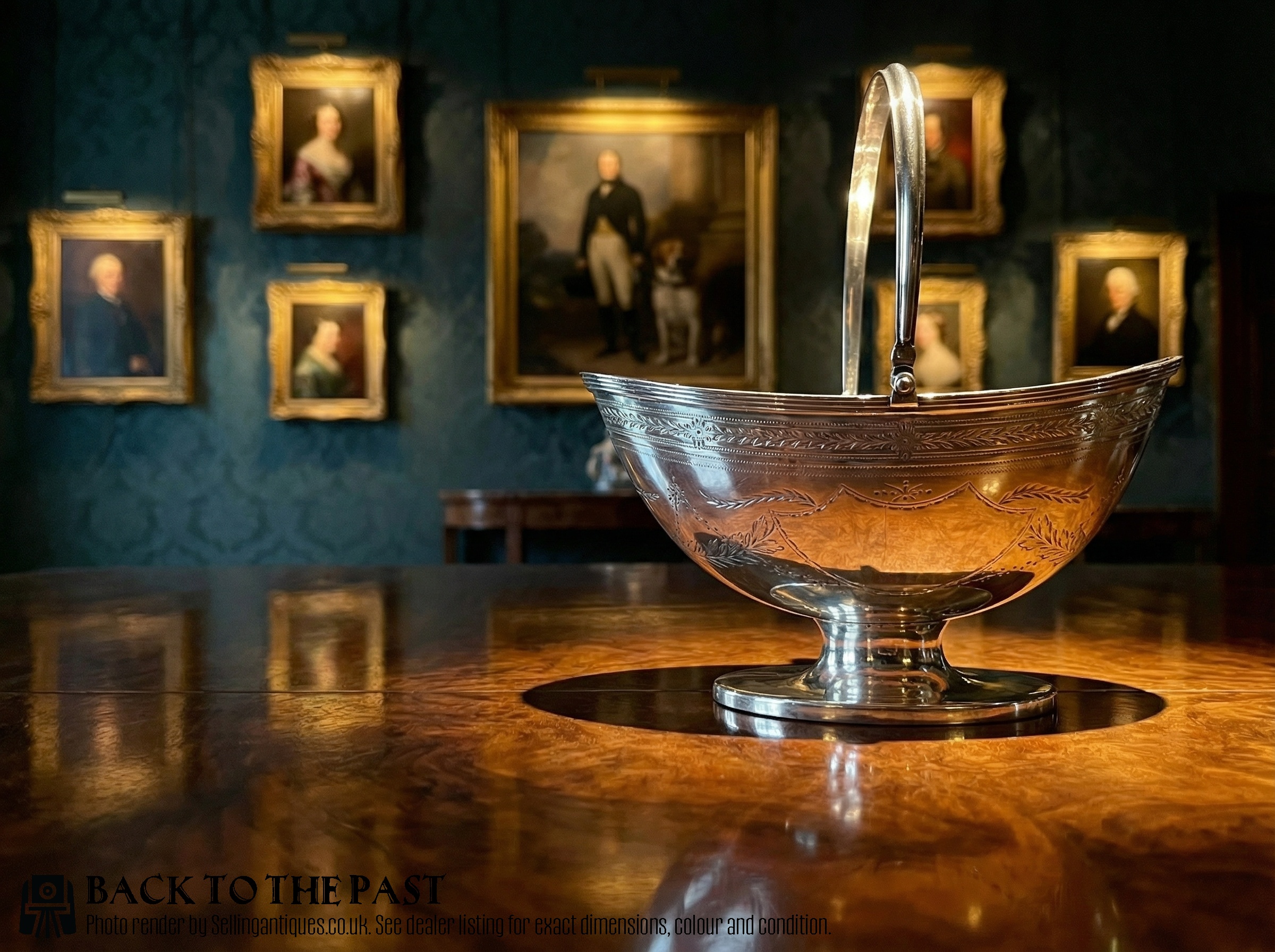
When searching for an antique silver sugar basin, a buyer discovers an array of sugar bowls, serving dishes, teaware, and sugar baskets made to hold sugar during tea service. These vessels range from open bowls to covered urns and handled baskets designed to display the contents.
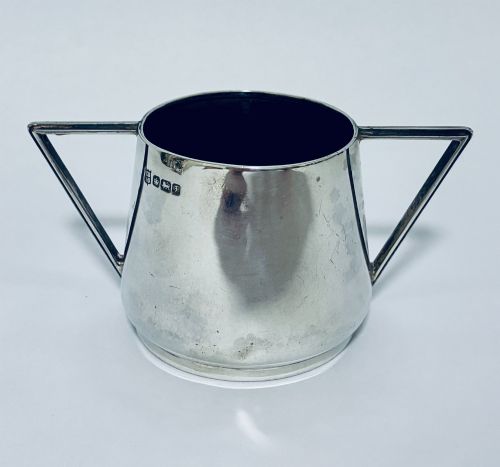
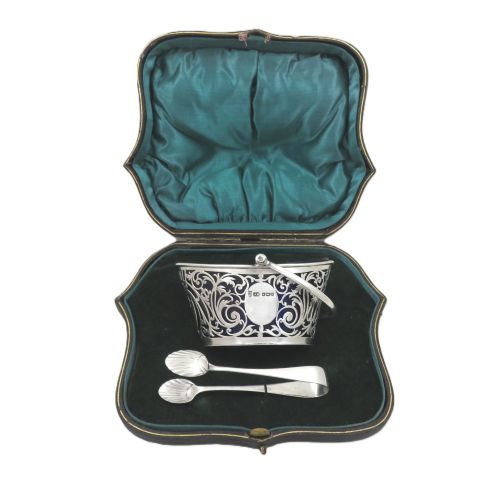
The versions most commonly met on this page include sterling silver and silver plated examples originating from the Georgian, Victorian, and Edwardian periods. They appear as standalone pieces, matched sets with cream jugs, or complete cased services with sifter spoons.
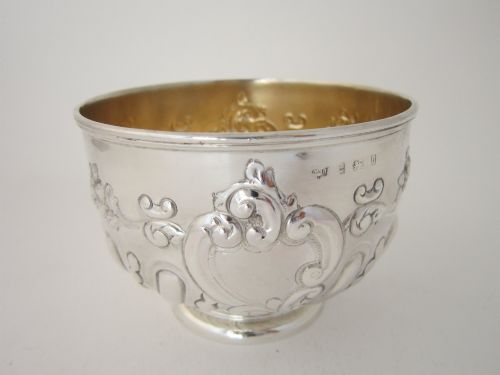
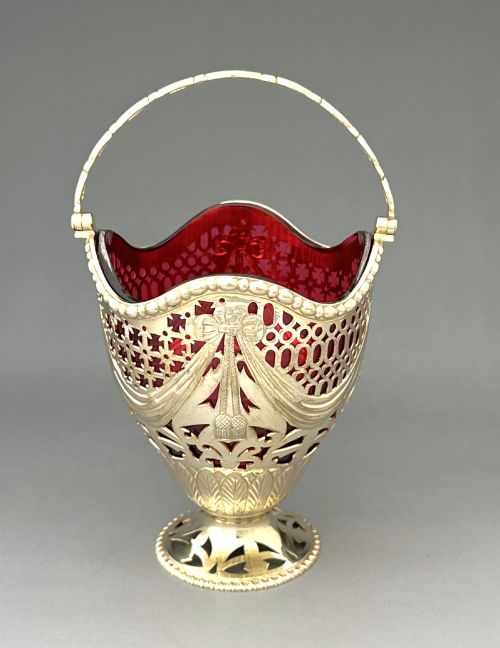
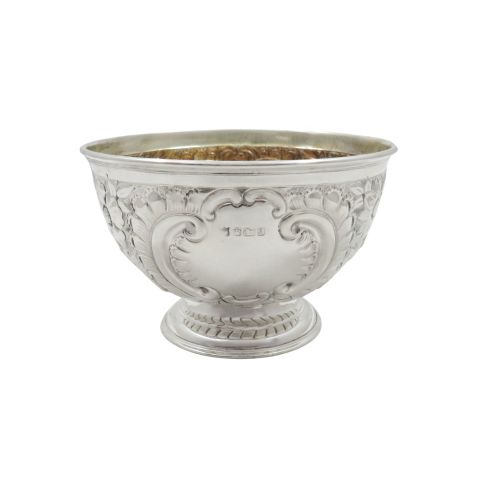
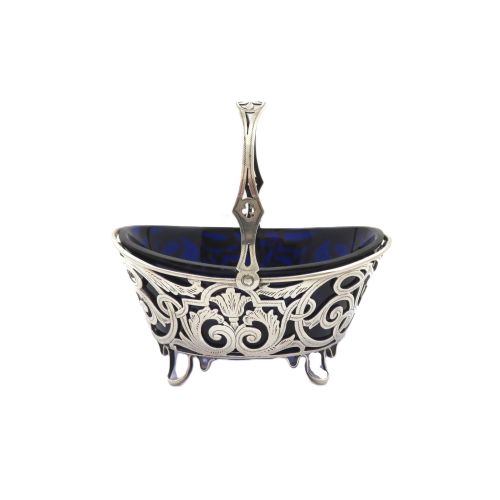
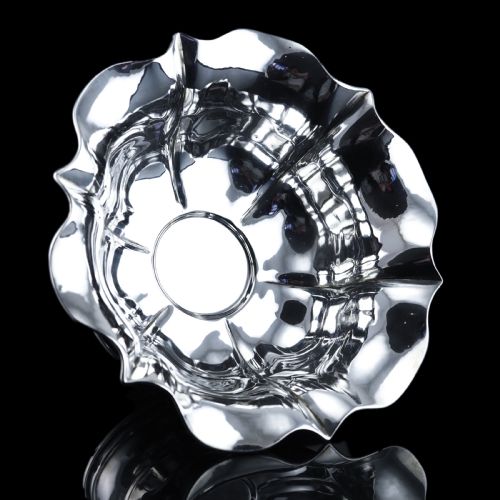
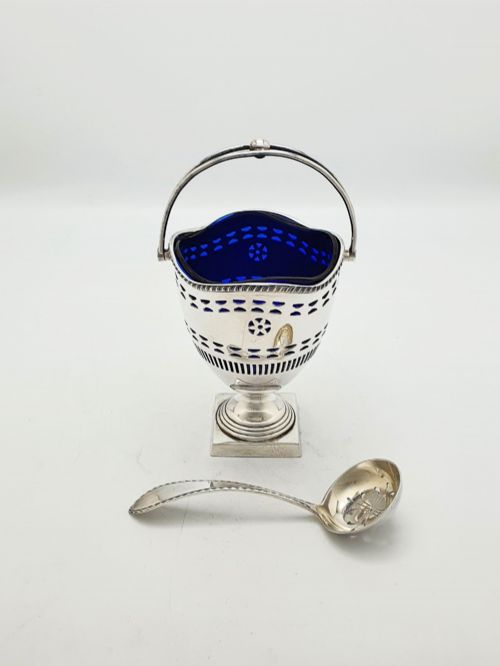
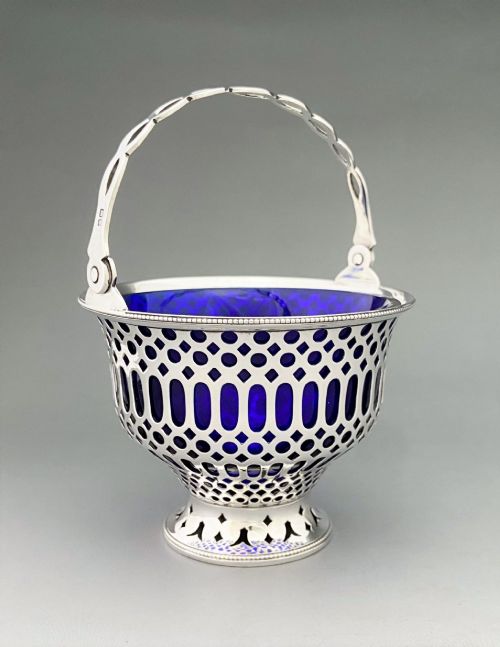
Makers and silversmiths utilised diverse forms, such as footed bowls and pierced baskets equipped with coloured glass liners or gold washes. Each object reflects the social rituals of its era, combining utility with decorative metalwork.
How they were made
The construction of an antique silver sugar basin involves traditional metalworking techniques applied to sterling silver, Sheffield plate, and electroplated nickel silver. Smiths shaped the metal bodies through hammering, casting, and piercing.
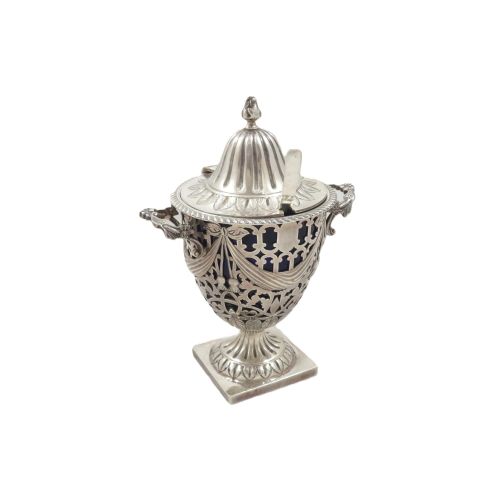
Many open baskets and bowls feature intricate pierced decoration combined with fitted cobalt glass liners or internal gold washes. Details such as cast floral handles and lids demonstrate precise craftsmanship across different manufacturing periods.
Retail Price Guide 2026
Typical UK retail prices for silver sugar basin, calculated from the Sellingantiques database of over a million retail prices indexed since 2003. This retail price guide relies exclusively on Sellingantiques data; no external sources or auction records are used, so the figures do not describe the wider market.
Some basins arrived with matching sifter spoons tucked into velvet cases just in case the lumps got uppity.
What varies in quality
Quality in an antique silver sugar basin is determined by the crispness of cast decorative details, such as floral handles and pierced scrollwork, and the preservation of original interior gilding or glass liners. Pieces that retain their matching components, like sifter spoons or cream jugs, stand higher in the range.
The choice of material also shapes the piece, distinguishing solid sterling silver items from Sheffield plate or electroplated nickel silver alternatives. The precision of the silversmith's handwork separates standard production items from finer studio or factory commissions.
Daniel Arter·Hukin & Heath
The Antique Silver Sugar Basin Glossary
- Sterling silver
- A standard alloy consisting of silver and other metals, typically copper, possessing a purity of 925 parts per thousand. It forms the primary metal for higher quality basins.
- Silver plate
- A base metal coated with a thin layer of silver, encompassing techniques from traditional Sheffield plating to later electroplating on nickel silver. This method offered an accessible alternative to solid silver.
- Cobalt glass
- A deep blue glass produced by adding cobalt oxide to the molten batch, frequently used for liners inside pierced baskets. It provides a striking contrast against polished silver.
- Gold wash
- A thin layer of gold applied to the interior surface of a silver bowl, also known as vermeil. This technique protected the silver from corrosion caused by acidic foods.
- Sifter spoon
- A perforated spoon designed for sprinkling loose sugar over food or beverages, commonly found accompanying sugar basins in fitted cases.
Frequently Asked Questions
How do I clean an antique silver sugar basin?
Maintenance requires gentle washing with warm soapy water and a soft cloth to preserve the patina. Avoid harsh chemical dips that strip away age and fine detail.
For pieces with cobalt glass liners or gold washes, remove the insert before cleaning the metal frame separately. Proper drying prevents water spots on the silver surface.
Were all sugar basins sold with glass liners?
Glass liners appear primarily in pierced or openwork designs where the metal alone could not securely contain loose sugar granules. Cobalt glass was the preferred choice for its vibrant contrast.
Solid walled basins do not require liners and hold sugar directly against the silver or gold washed interior.
How do I distinguish Georgian from Edwardian pieces?
Georgian examples often display neoclassical lines, bright-cut engraving, and heavier hand-wrought construction from the late eighteenth and early nineteenth centuries. They prioritize classical proportions and restraint.
Edwardian items, made around the dawn of the twentieth century, frequently revive earlier motifs with lighter manufacturing methods and machine-assisted finishing.
Can I use my sugar basin daily?
These vessels were originally made for domestic service and handle everyday use provided they receive gentle care. Solid silver and plated basins accommodate modern dining without issue.
Take care with antique glass liners, which remain fragile and benefit from hand washing rather than automated dishwashers.