
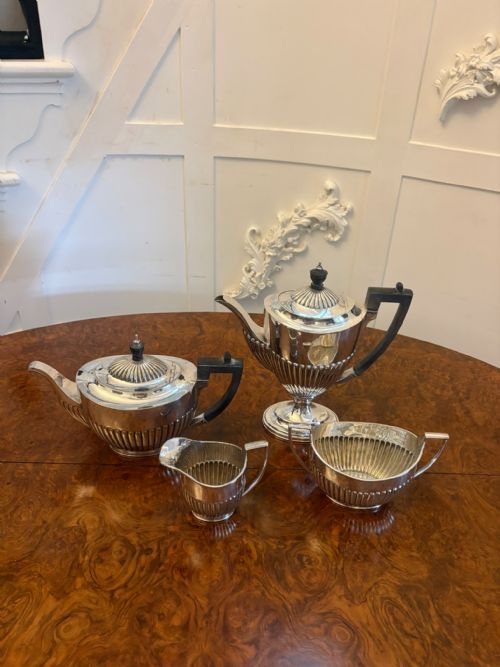
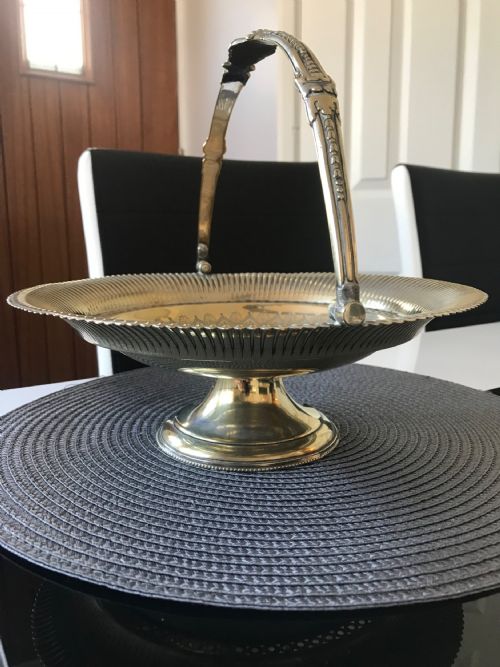
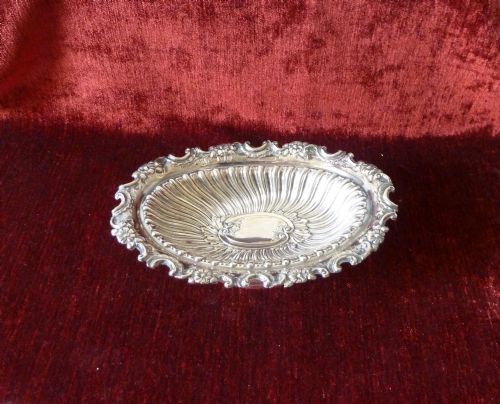


Fluted Silver Bowl
A fluted silver bowl brings light and texture to a room, offering the clean, reflective qualities characteristic of fine metalwork.
Understanding the fluted silver bowl
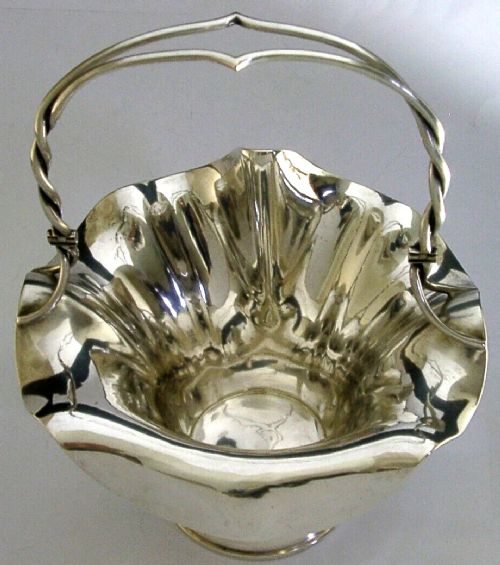
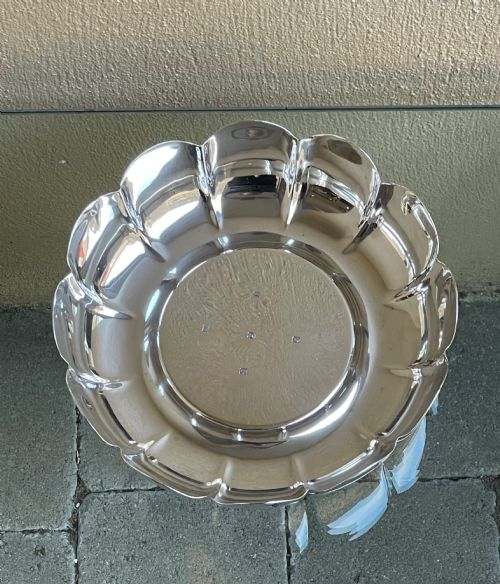
The fluted silver bowl encompasses a range of decorative and serving vessels defined by their distinctive vertical or radial grooves. These pieces appear across several eras, including the Georgian period, Victorian times, and the 1920s.
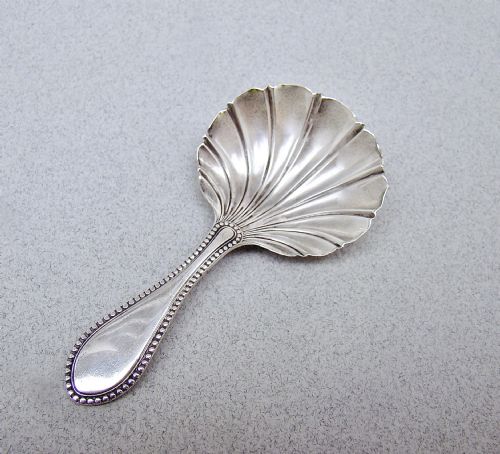
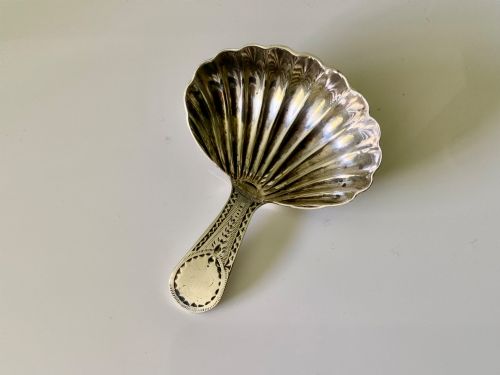
Buyers encounter diverse forms, from sweet bowls and serving dishes to pedestal rose bowls and tea caddy spoons. Origin points and stylistic details span from antique Irish examples to ornate Victorian and geometric Art Deco designs.
Materials and construction
Items in this category utilise sterling silver, silver plate, EPNS, and nickel alloy as foundational materials. Artisans shape these metals through hammering, casting, and repoussé techniques to create the characteristic fluting.
Surface embellishments include floral engraving, scalloped edges, and pedestal bases. Hallmarks often stamp the metal to indicate standard purity and origin, particularly on sterling pieces.
Listings span the Georgian period, Victorian era, and 1920s, utilising sterling silver, silver plate, nickel alloy, and EPNS.
Quality distinctions
Quality rests upon the weight of the metal and the crispness of the fluting. Sterling silver examples demonstrate superior substance compared to plated alternatives, though high-grade silver plate exhibits durable craftsmanship.
The sophistication of the engraving and the balance of pedestal proportions distinguish finer works from simpler utilitarian vessels. Clean hallmarks and well-preserved surface detail indicate superior original manufacture.
Walker & Hall
The Fluted Silver Bowl Glossary
- Fluted
- Decorated with parallel vertical grooves or channels. This technique catches light and adds textural depth to the vessel.
- Pedestal Bowl
- A vessel raised upon a footed base or stem. This form elevates the bowl for display or serving purposes.
- Hallmark
- An official stamp applied to precious metals indicating purity, maker, and assay office. These marks provide historical context and verification.
- EPNS
- Electroplated nickel silver. This denotes a base metal coated with a thin layer of silver through an electrical process.
Frequently Asked Questions
What is a fluted silver bowl used for?
These vessels serve multiple domestic purposes, historically functioning as rose bowls, sugar basins, or sweet dishes for the table. Their decorative profiles also suit general display within a room.
Today, owners often utilise them as centrepieces or decorative containers without assigning them a strict utilitarian role.
How do I date a silver bowl?
Dating relies heavily upon hallmarks stamped into the metal, which record the assay office and year of manufacture. Stylistic indicators, such as Victorian floral engraving or Art Deco geometric pedestals, also point to specific eras.
Examining the construction methods and material type helps narrow down whether a piece originates from the Georgian period or the twentieth century.
Is silver plate different from sterling silver?
Sterling silver consists of solid precious metal meeting a specific purity standard, whereas silver plate applies a thin layer of silver over a base material like nickel alloy or EPNS.
Both materials appear across different periods, with sterling examples generally carrying higher intrinsic value and more distinct hallmarks.
How should I clean a silver bowl?
Maintenance requires gentle cleaning with dedicated silver polish and a soft cloth to preserve the surface and any engraved detail. Harsh abrasives must be avoided to prevent damage to the metal or plating.
Regular, light upkeep prevents heavy tarnish accumulation while protecting the historical integrity of the piece.