
Antique Sterling Silver
Antique sterling silver comprises domestic implements, desk accessories and personal items shaped from solid precious metal across several centuries.
Antique Sterling Silver
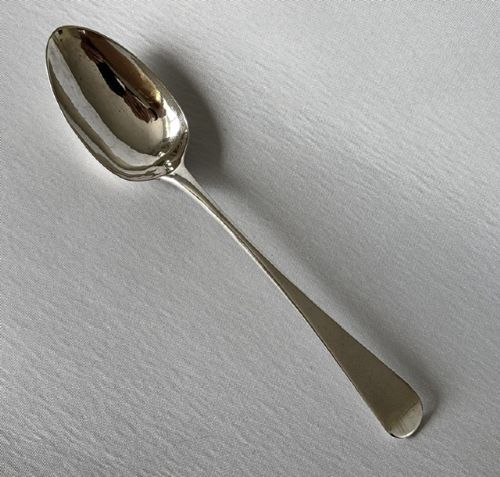
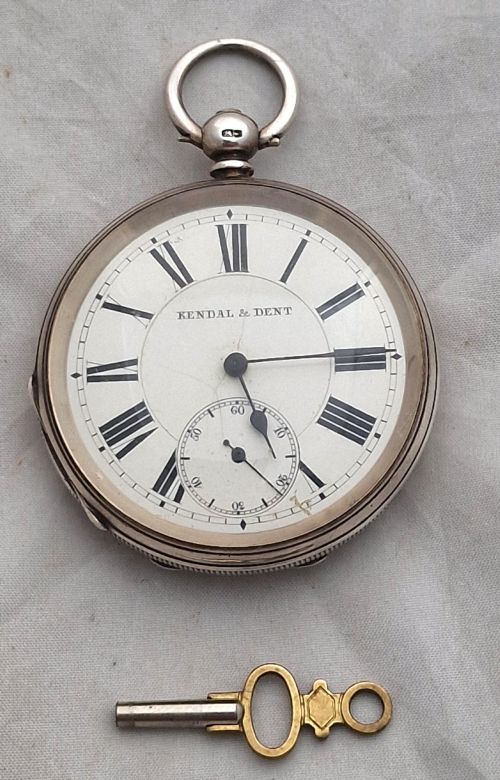
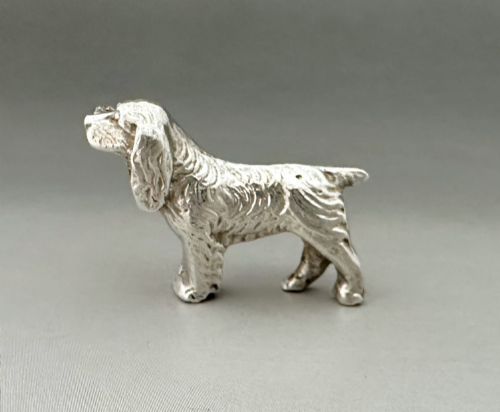
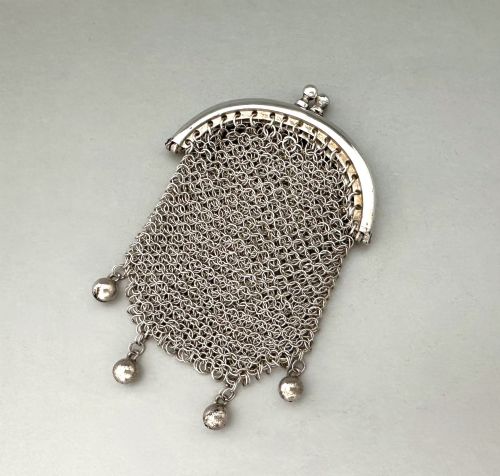
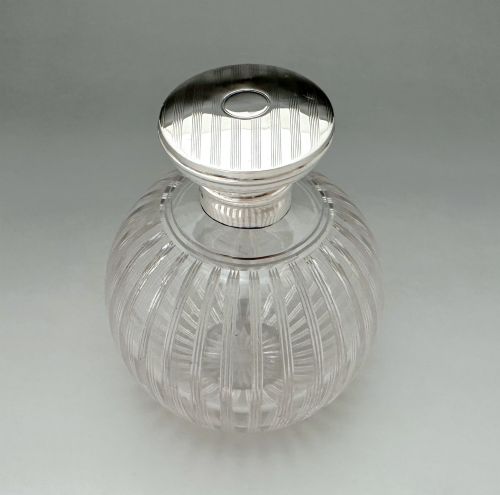
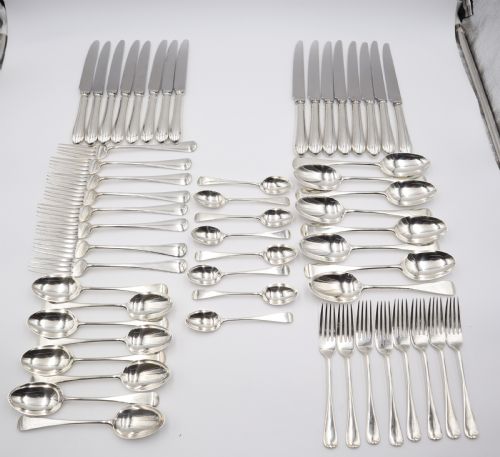
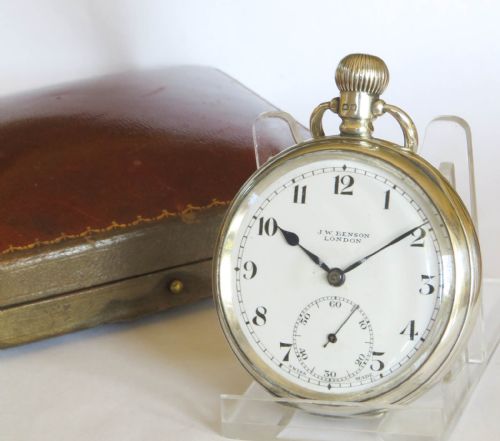
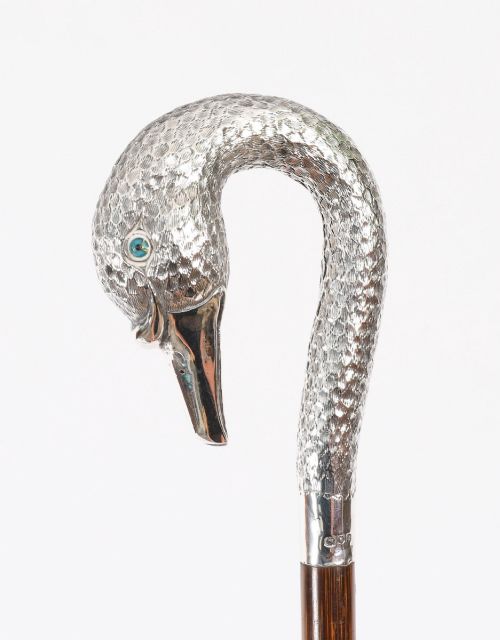
Antique sterling silver encompasses a wide assortment of functional and decorative items, ranging from Georgian basting spoons and Hester Bateman ladles to Victorian desk accessories and Edwardian scent bottles. Buyers exploring antique sterling silver encounter domestic tableware such as porringer bowls, grape shears, and toast racks alongside personal effects including pocket watches, coin purses, and walking stick canes.
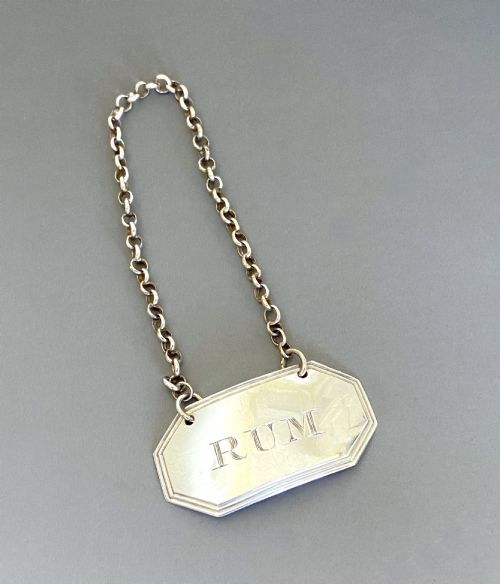
The selection frequently spans the Georgian, Victorian, and Edwardian eras, extending into later twentieth-century movements including Art Deco and Arts and Crafts. Pieces such as cased napkin rings, decanter labels, and quaich cups demonstrate the breadth of utilitarian silver produced by British and continental workshops.
How they were made
Silversmiths shaped these objects using traditional techniques of hammering, casting, and piercing, often working sterling silver alongside complementary materials such as cut glass, enamel, wood, and leather. Items from the Arts and Crafts period frequently display visible planished surfaces formed by deliberate hand-hammering, while earlier Georgian items rely on smooth cast profiles and engraved crests.
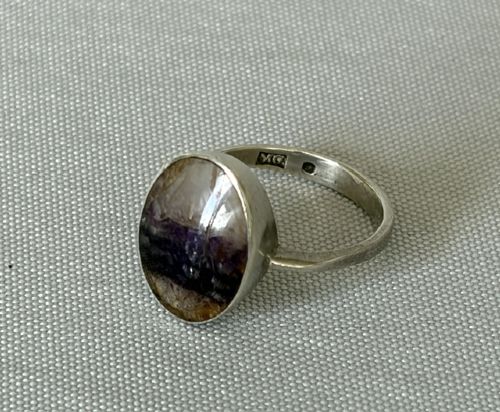
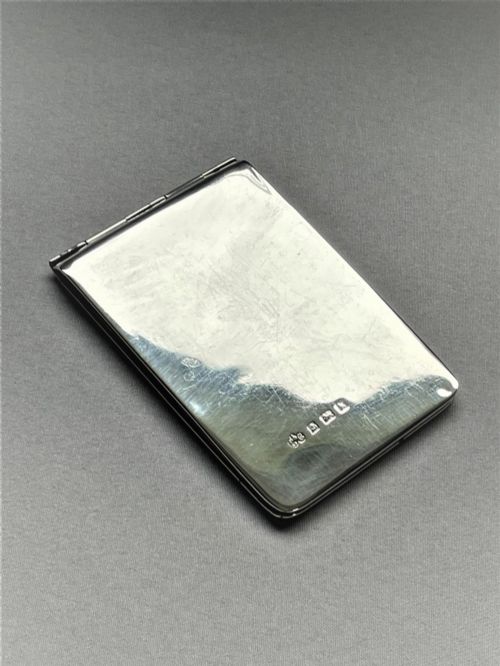
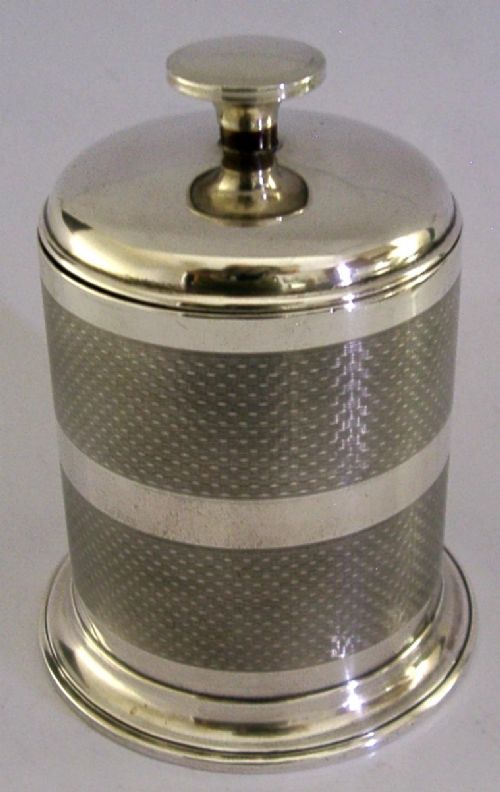
Many holloware pieces and containers combine silver mounts with glass or ceramic bodies, requiring precise bezel setting and hinged construction. Assay office hallmarks stamped directly into the metal record the year of manufacture, city of origin, and standard of silver purity.
Antique Sterling Silver Retail Price Guide 2026
Typical asking prices for sterling silver among the pieces listed under this phrase on Sellingantiques today, from the lower quarter to the upper quarter. They describe what is for sale here now, not the wider market.
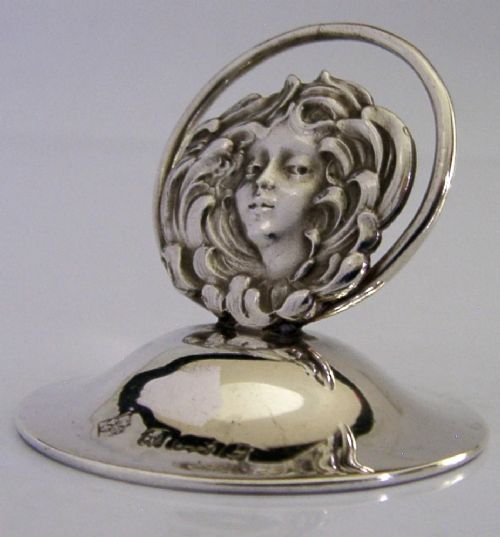
A cautious silver owl sits silently on watch as a menu holder, guarding the dining table from uninvited guests.
What varies in quality
Quality in these objects rests upon the weight of the metal, the crispness of chased or engraved details, and the reputation of the maker or retailer. Heavy gauge silver resists distortion and maintains structural integrity in items subjected to daily handling, such as cutlery and snuff boxes.
Design execution distinguishes standard commercial output from exceptional workshop production. Pieces bearing marks of notable makers like Hester Bateman, Paul Storr, or Georg Jensen exhibit superior balance, refined proportions, and deliberate attention to decorative finish.
Elizabeth Morley·J W Benson·Hester Bateman·R E Stone·Georg Jensen·Harrods Ltd·A. J. Pepper & Co·Charles Penny Brown·Sampson Mordan·Paul Storr
The Antique Sterling Silver Glossary
- Sterling silver
- An alloy consisting of ninety-two point five percent silver and seven point five percent other metals, typically copper, chosen for durability. This standard has served as the baseline for British plate and tableware for centuries.
- Hallmark
- A series of official marks stamped into an item to guarantee its metal purity, place of assay, and date of manufacture. These symbols provide the primary evidence for dating antique silver.
- Planishing
- A metalsmithing technique involving systematic blows with a flat-faced hammer to smooth metal and create a textured, light-reflecting surface. It is particularly characteristic of Arts and Crafts silver.
- Holloware
- Tableware and vessels such as bowls, teapots, and baskets that possess interior volume rather than being solid flat objects. These pieces are often formed from sheet silver raised over stakes.
- Quaich
- A traditional two-handled drinking vessel originating in Scotland, usually shallow in form. Antique examples often feature hand-hammered surfaces and decorative handles.
Antique Sterling Silver: Frequently Asked Questions
How do I clean antique silver?
Clean sterling silver gently using a soft cloth and specialised silver polish, avoiding harsh abrasive materials that can wear away engraving or thin plating.
Store pieces in dry conditions away from direct sunlight and rubber materials to minimise tarnishing over time.
What do silver hallmarks tell me?
Hallmarks indicate the standard of silver purity, the specific assay office that tested the item, and a date letter corresponding to the year of manufacture.
Additional maker marks identify the silversmith or retail establishment responsible for bringing the piece to market.
How were caddy spoons used?
Caddy spoons were utilised during the eighteenth and nineteenth centuries to measure dry tea leaves from a caddy into a teapot. Their short handles and broad bowls were specifically designed to fit inside storage containers.
Silversmiths produced these spoons in diverse novelty and botanical forms, making them distinct collectibles today.
Can I use antique silver daily?
Many solid silver items, such as flatware, napkin rings, and small bowls, were manufactured for daily domestic utility and remain robust enough for regular use.
Delicate items featuring fragile enamel, glass inserts, or hollow filled structures require more careful handling and are better suited for display.