
Silver Candlestick Pair
A silver candlestick pair brings formal symmetry and warm candlelight to a room, drawing the eye with polished metal and classical proportions.
What silver candlestick pair pieces are
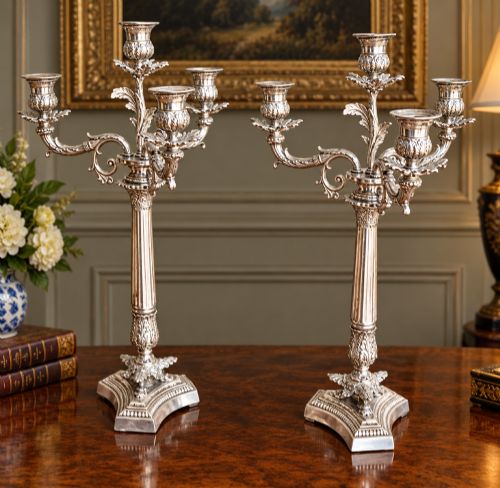
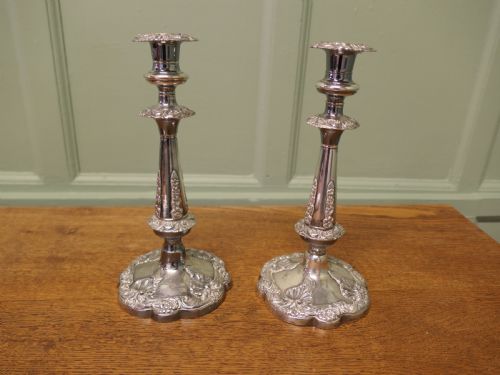
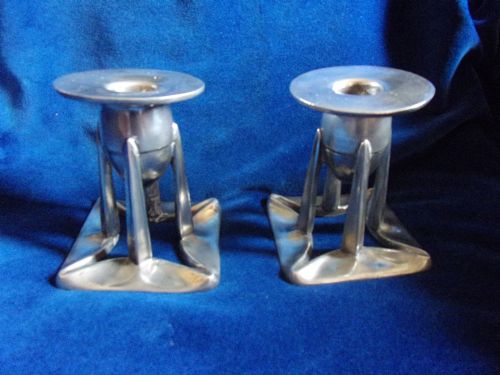
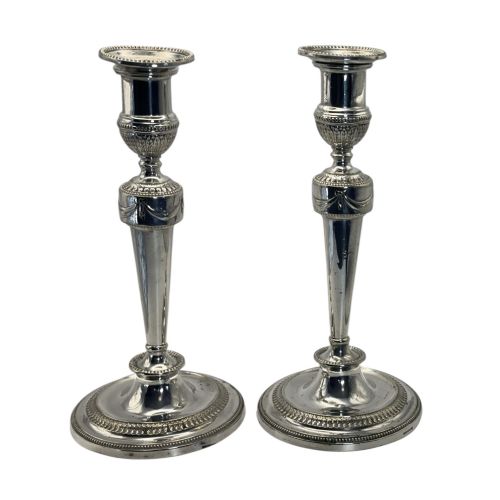
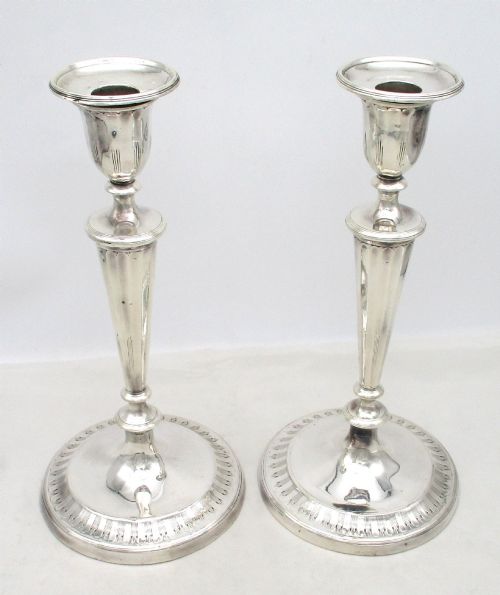
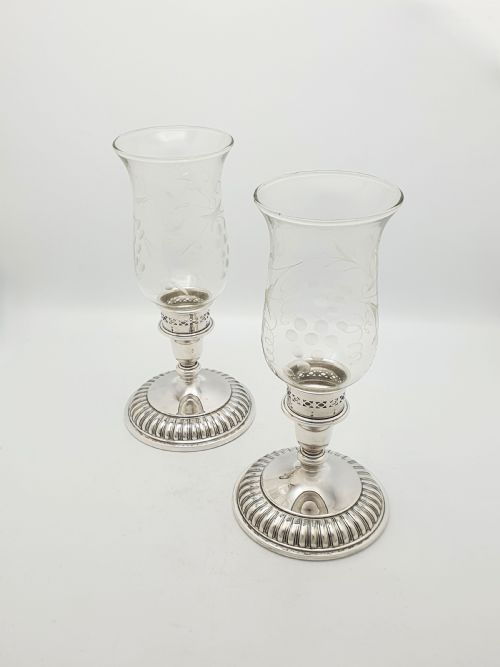
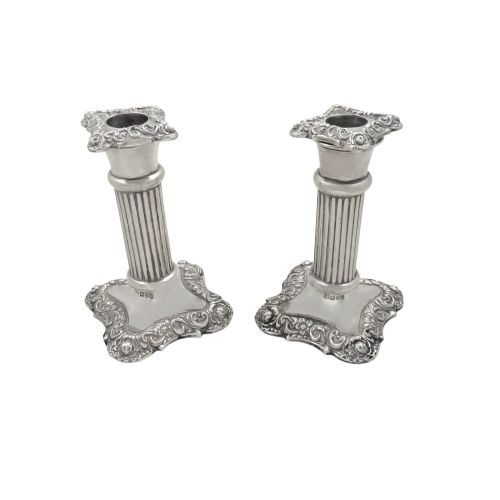
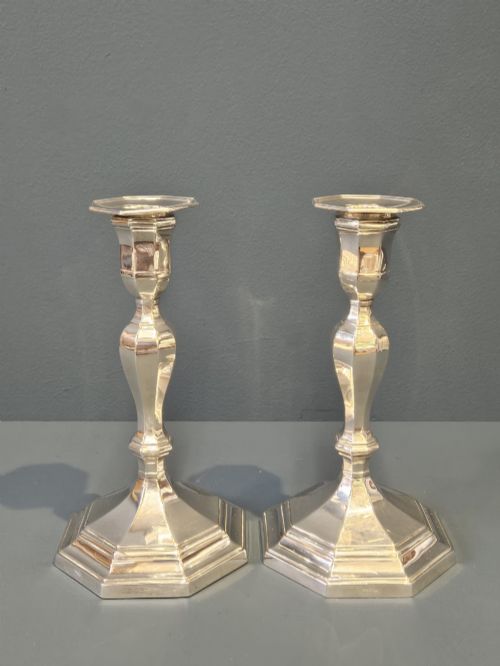
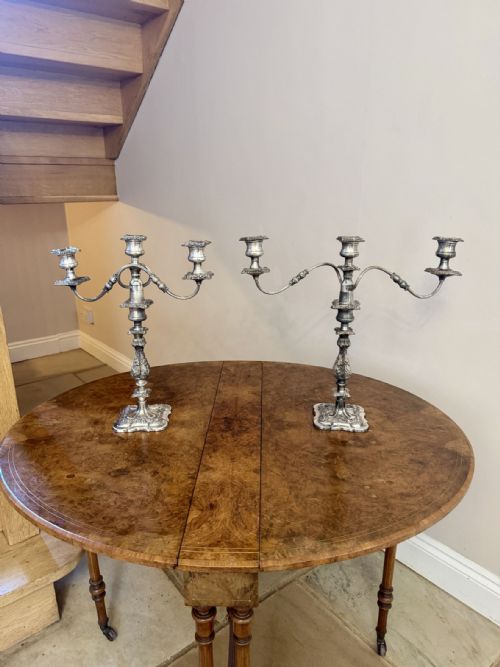
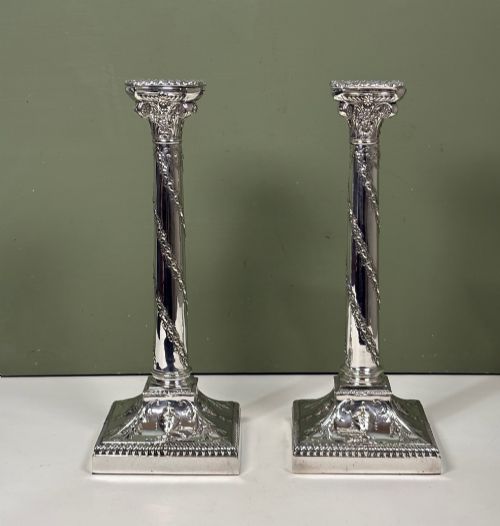
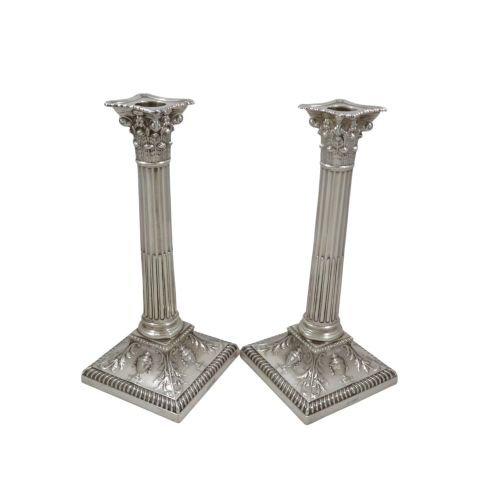
A silver candlestick pair consists of matchingholders designed to support taper candles for illumination. The pieces on this page span the eighteenth, nineteenth, and early twentieth centuries, encompassing Georgian, Victorian, Edwardian, and Art Nouveau periods.
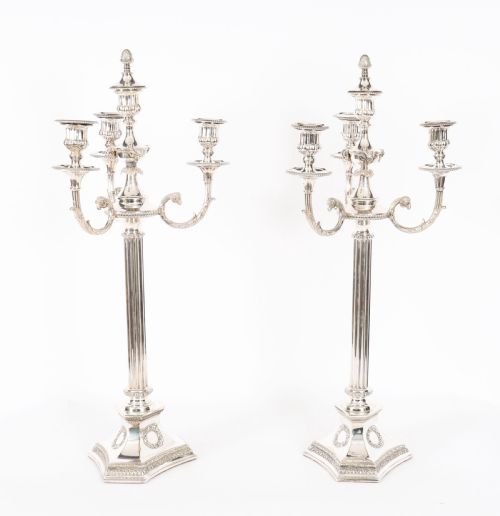
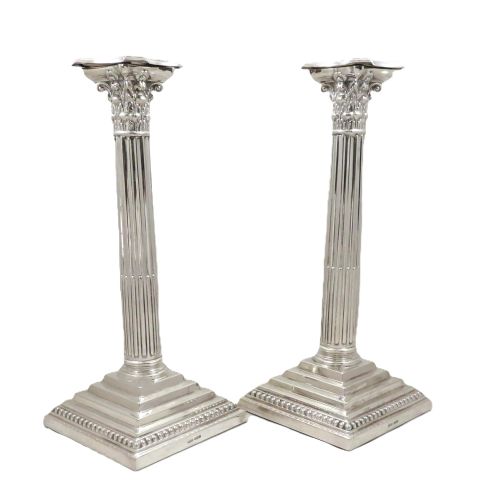
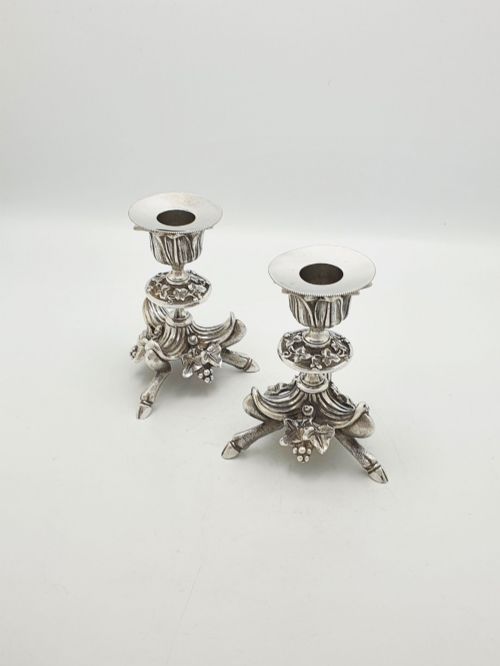
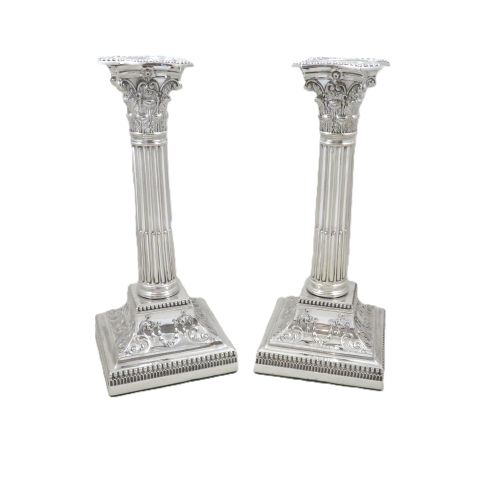
Buyers encounter solid sterling silver items alongside silver-plated metal, copper, and nickel silver constructions. Forms range from classical Corinthian columns and neoclassical styles to low desk variants and ornate decorative designs.
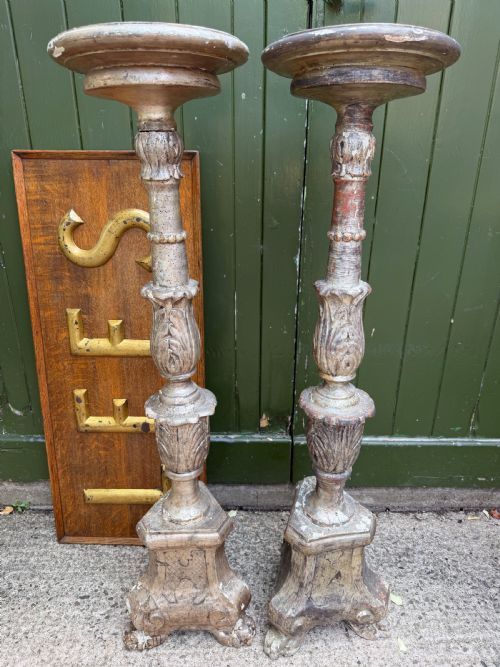
Edwardian and Victorian examples appear frequently in both solid metal and plated versions. The selection includes standard height items alongside large floor-scale or compact desk pairs.
How they were made
Silversmiths utilised sterling silver or applied silver plate over base metals such as copper and nickel silver. Cast construction methods created solid forms with substantial weight, particularly visible in Georgian and William IV pieces.
Makers shaped columns, capitals, and weighted bases through spinning, stamping, and casting techniques. Hallmarks stamped into the metal recorded assay offices like Sheffield and London alongside maker marks.
Retail Price Guide 2026
Typical UK retail prices for silver candlestick pair, calculated from the Sellingantiques database of over a million retail prices indexed since 2003. This retail price guide relies exclusively on Sellingantiques data; no external sources or auction records are used, so the figures do not describe the wider market.
Listings include sterling silver and silver plate materials across Georgian, Victorian, Edwardian, and Art Nouveau styles.
What varies in quality
The distinction between tiers rests upon the thickness of the silver application, the crispness of cast ornamentation, and the integrity of the weighted base. Higher grade examples display deep, sharp chasing on classical motifs and crisp hallmarks.
Makers such as John Cafe, Walker & Hall, Elkington & Co, and Crichton Brothers contributed varying levels of workshop execution. Weight distribution and structural balance separate standard production items from master-silversmith castings.
John Cafe·Walker & Hall·Elkington & Co·Crichton Brothers·Thomas Bradbury·Carrington & Co·Royal Doulton
The Silver Candlestick Pair Glossary
- Sterling silver
- An alloy containing ninety-two point five percent silver by mass, with the remainder usually copper. This standard composition provides the durable material for hallmarked antique items.
- Silver plate
- A thin layer of silver fused or electroplated onto a base metal core such as copper or nickel silver. This technique allowed manufacturers to produce decorative tableware at lower cost.
- Corinthian column
- A classical architectural order featuring an ornate capital decorated with acanthus leaves. Candlestick makers adopted this column style extensively during the Victorian and Edwardian eras.
- Hallmark
- A series of official marks stamped on precious metals indicating the standard of purity, assay office, and maker. These symbols verify the origin and date of British silver items.
- Cast
- A manufacturing method where molten metal is poured into a mould to shape intricate details. Solid cast examples offer greater weight and durability than pressed sheet metal equivalents.
Frequently Asked Questions
How do I date an antique silver candlestick pair?
Examine the stamped hallmarks on the base or nozzle for assay office symbols and date letters. Comparing the decorative style, such as Georgian neoclassical or Edwardian classical, also indicates the period of manufacture.
Makers' marks further narrow down the production decade. Consulting standard silver reference books helps decode specific town marks and date ciphers.
Are plated candlesticks as good as solid silver?
Silver plated items offer the visual appeal of solid metal without the higher material cost. They feature a durable layer over copper or nickel silver cores.
Solid sterling silver holds intrinsic metal value and bears official hallmarks. Both types provide the same decorative function in a room setting.
How should I clean antique silver candlesticks?
Use a soft cloth and a gentle, non-abrasive silver polish to remove tarnish. Avoid aggressive rubbing that might wear through thin silver plating on older pieces.
Keep polish away from weighted base felt and recessed crevices. Regular dusting preserves the shine without requiring frequent chemical cleaning.
What is the difference between George II and Edwardian styles?
George II designs from the mid-eighteenth century often feature heavy cast construction and bold classical casting. Edwardian pieces from the early twentieth century lean towards lighter neoclassical revivals and refined proportions.
Georgian items typically display superior casting weight. Edwardian examples reflect changing domestic lighting habits and manufacturing efficiencies.