
Antique Silver Table Lights
Antique silver table lights bring soft, gleaming illumination to a dining room, combining functional brilliance with historical craftsmanship.
What these pieces are
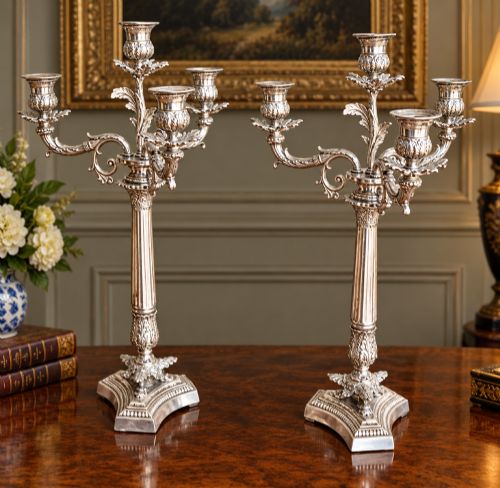
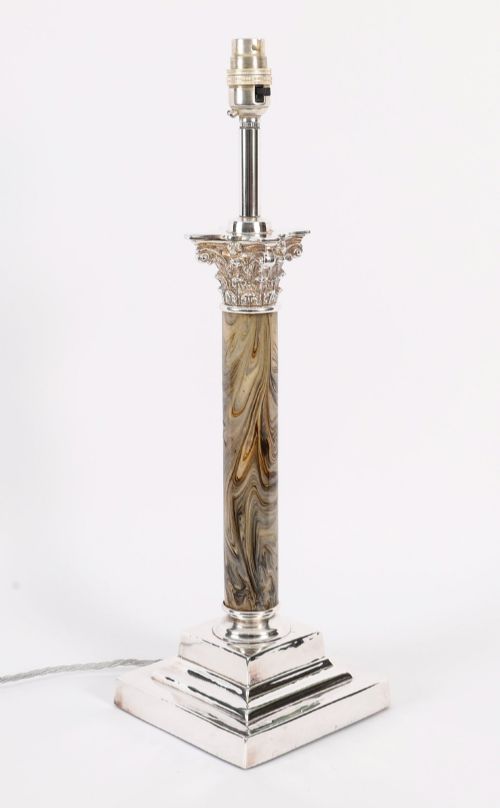
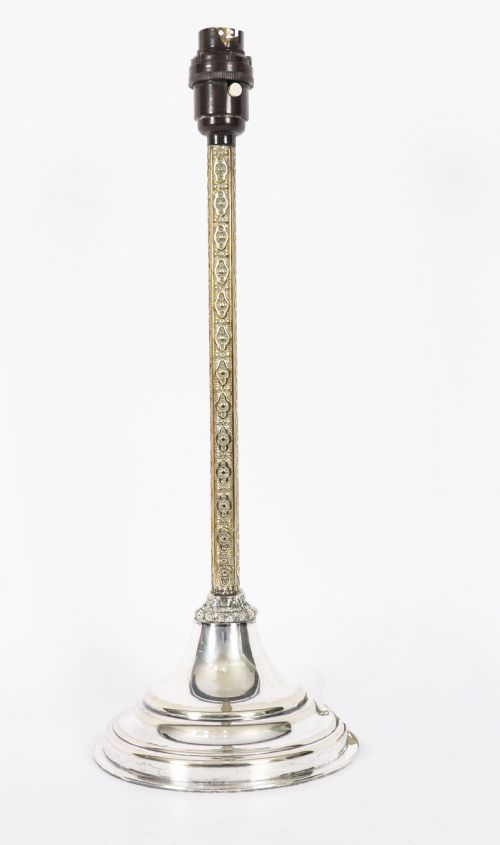
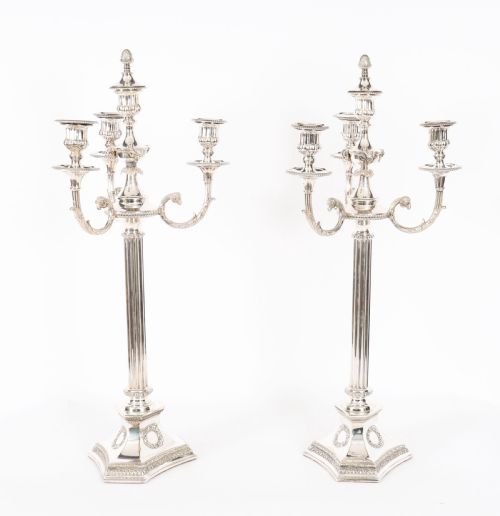
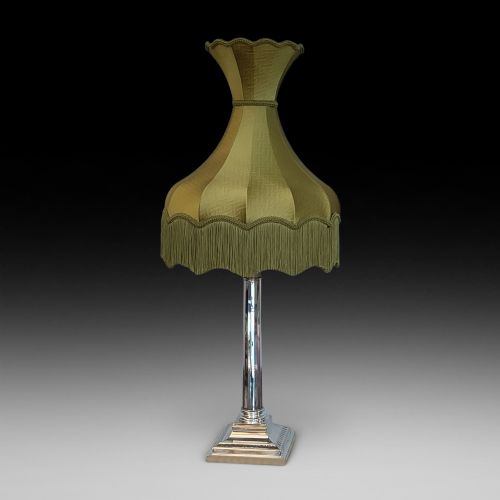
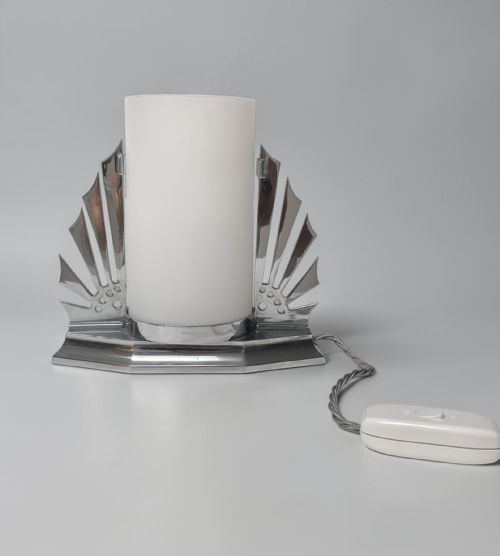
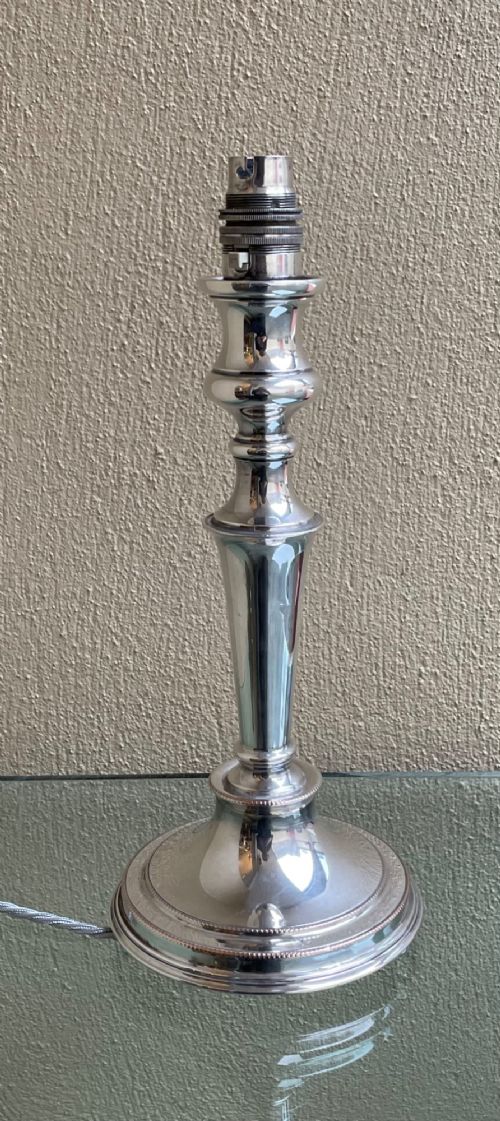
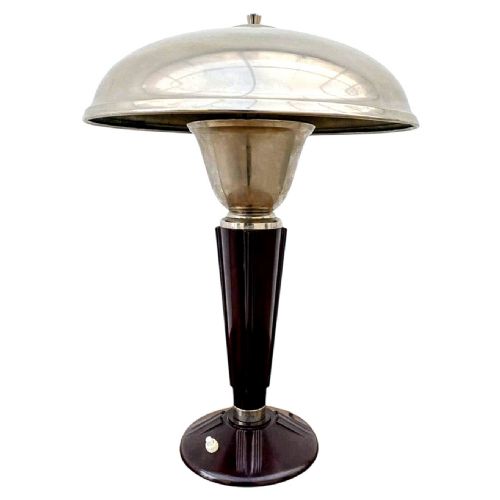
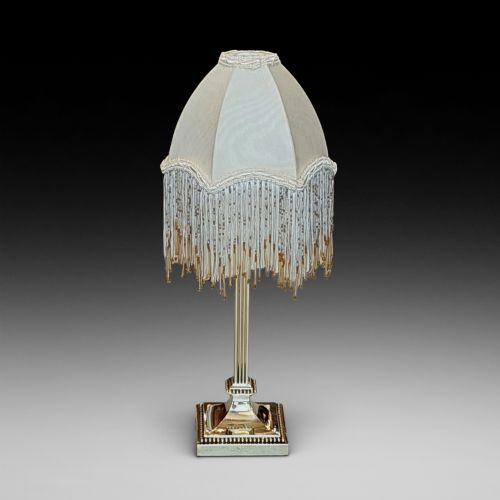
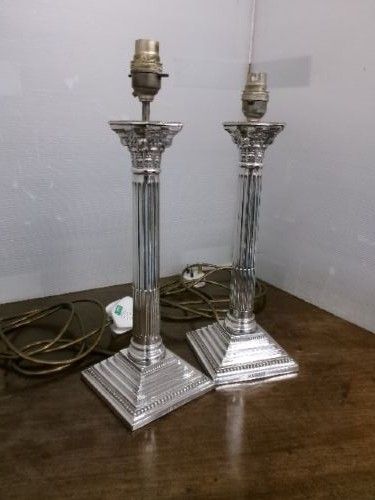
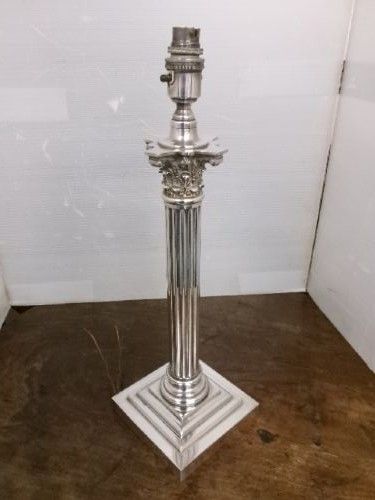
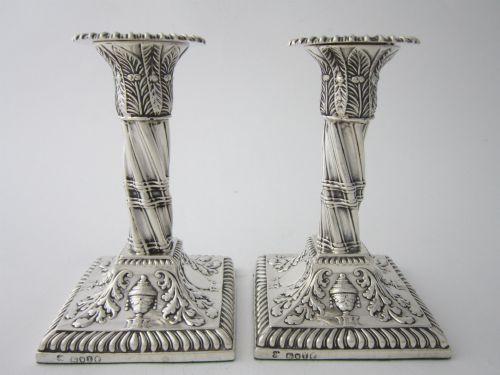
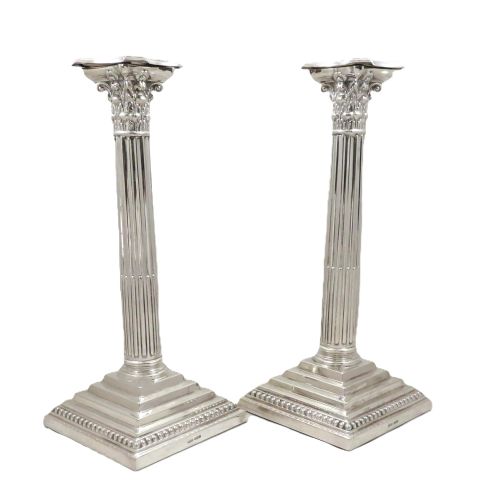
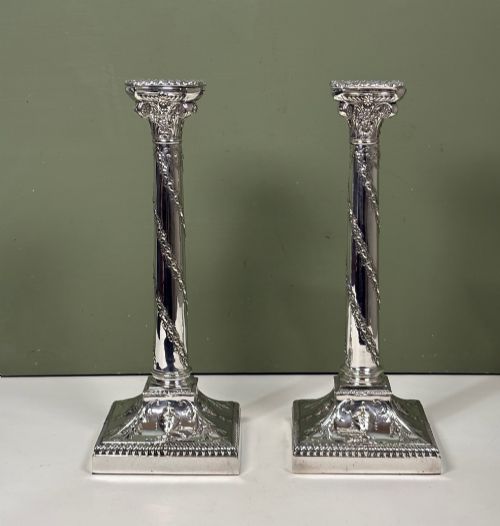
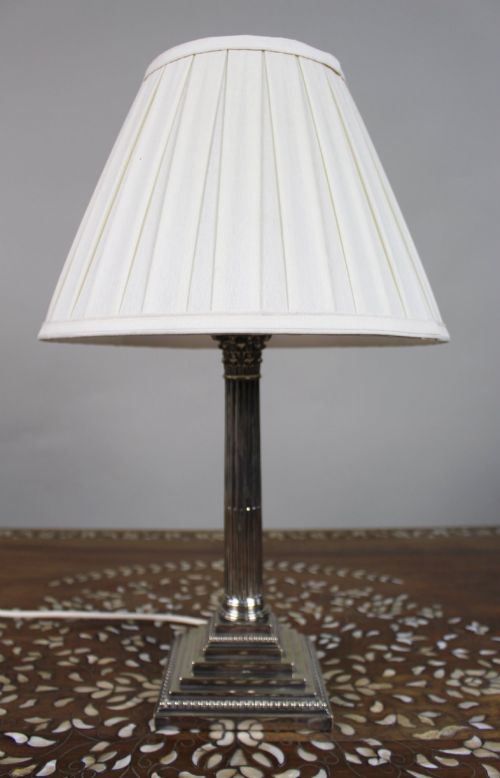
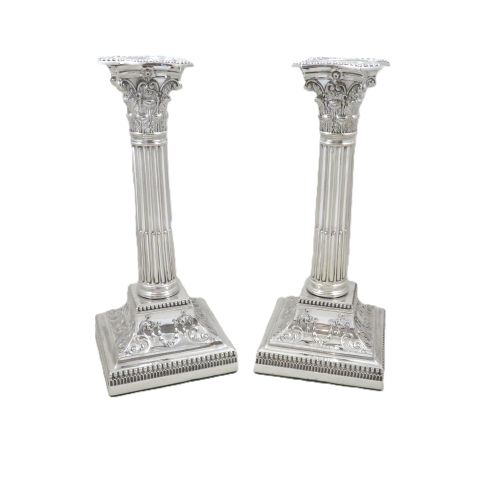
Antique silver table lights primarily take the form of candlesticks, appearing across several distinct historical periods. These lighting fixtures provide both practical illumination and decorative presence for the dining table or sideboard.
Stylistic variation ranges from Grand Regency and Victorian Classical Revival to flowing Art Nouveau forms. Each era brings distinct aesthetic choices to the basic column or socket structure.
How they were made
Materials recorded in the inventory include sterling silver, silver plate, copper, and Old Sheffield plate. These substances provide the durable foundation required for structural stability on dining surfaces.
Certain examples utilise telescopic or extending mechanisms to adjust height. Metalworking techniques of the nineteenth and early twentieth centuries combined heavy plating or solid casting with intricate decorative detailing.
Retail Price Guide 2026
Typical UK retail prices for silver table lights, calculated from the Sellingantiques database of over a million retail prices indexed since 2003. This retail price guide relies exclusively on Sellingantiques data; no external sources or auction records are used, so the figures do not describe the wider market.
Some nineteenth-century designers added extending tubes so diners could raise the flame out of their line of sight.
What varies in quality
Quality differences emerge in the weight of the metal and the crispness of decorative chasing or moulded detail. Heavier gauge silver and superior plating thickness indicate higher production standards from the outset.
The integration of mechanical elements, such as sliding extending stems, demonstrates superior workshop engineering. Complete matching sets or pairs retain greater cohesion than assembled groups.
William Hutton & Sons
The Antique Silver Table Lights Glossary
- Old Sheffield Plate
- A fused composite material made by applying a thin sheet of silver to a thicker copper base. This technique predates modern electroplating and produces a warm, durable finish.
- Sterling Silver
- An alloy containing a high percentage of pure silver combined with other metals for strength. It provides a bright, reflective surface that polishes to a classic lustre.
- Telescopic
- A descriptor for candlesticks featuring adjustable height mechanisms. These nested tubes allow the user to alter the elevation of the flame.
- Art Nouveau
- A stylistic movement characterised by organic, sinuous lines and natural motifs. This aesthetic breaks away from historic revival styles.
Frequently Asked Questions
How do I clean antique silver table lights?
Use a soft cloth and a gentle, non-abrasive silver cleaner specifically formulated for antiques. Avoid harsh scrubbing that can wear away thin plating.
Take care around weighted bases and mechanical joints to prevent moisture accumulation. Regular, light dusting preserves the finish better than infrequent heavy polishing.
Can I use standard candles in these candlesticks?
Most antique sockets accommodate standard taper candles, though minor variations in diameter occur across different periods. Using beeswax or dripless tapers helps protect the metal from wax buildup.
Ensure the candle fits snugly in the nozzle to maintain stability during use. A small paper or foil shim can secure loose tapers safely.
What is the difference between sterling and plated lights?
Sterling silver consists of solid precious metal throughout the piece, marked by hallmarks indicating its purity. Silver plate and Old Sheffield plate apply a thin layer of silver over a base metal such as copper.
Plated items offer the visual appeal of silver at a different material composition. Examination of wear points often reveals the underlying copper base on older plated pieces.
How do I date an antique candlestick?
Dating relies on stylistic clues, manufacturing techniques, and any accompanying hallmarks or maker stamps. Georgian and Victorian pieces reflect the prevailing decorative tastes of their respective decades.
Mechanisms like telescopic stems also point towards specific nineteenth-century production methods. Comparing construction details with documented examples clarifies the timeline.