

Antique Silver Taper Holders
Antique silver taper holders combine practical candle lighting with period craftsmanship, offering collectors both desk accessories and tabletop lighting.
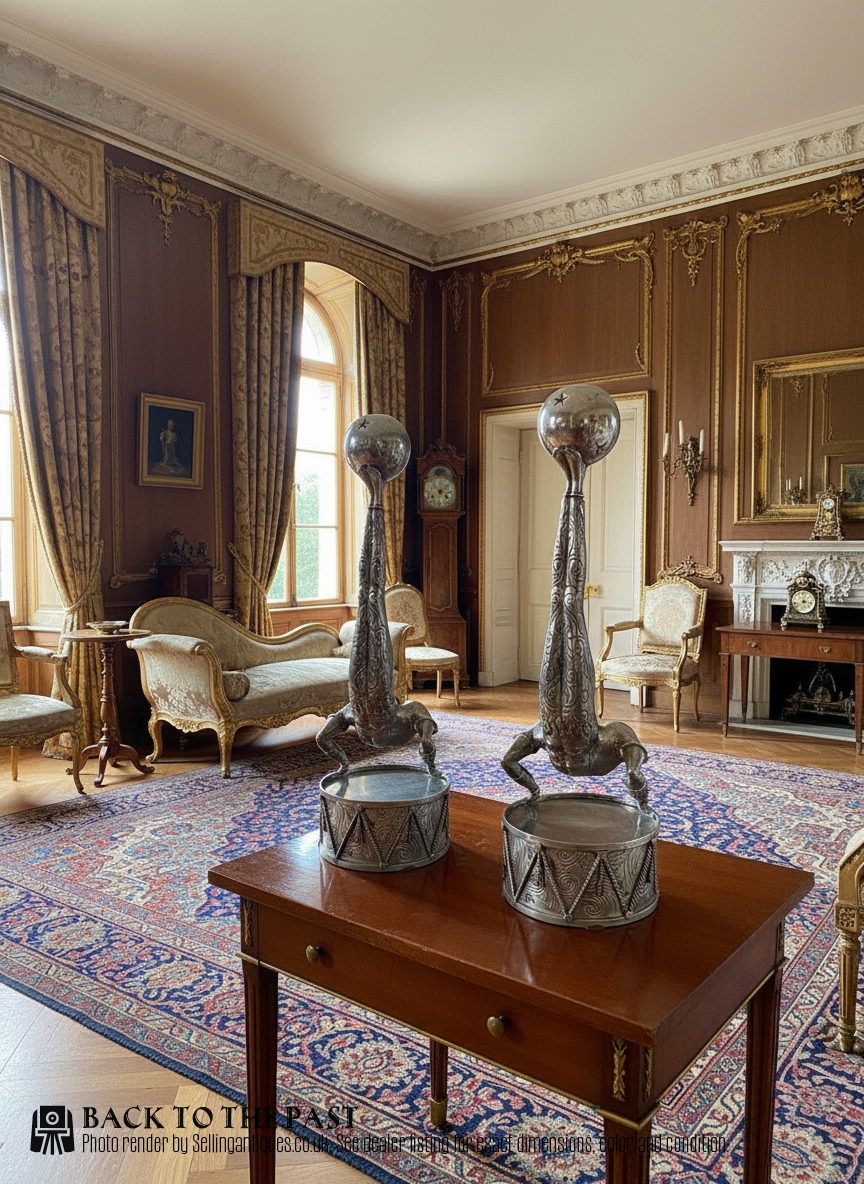
Antique Silver Taper Holders
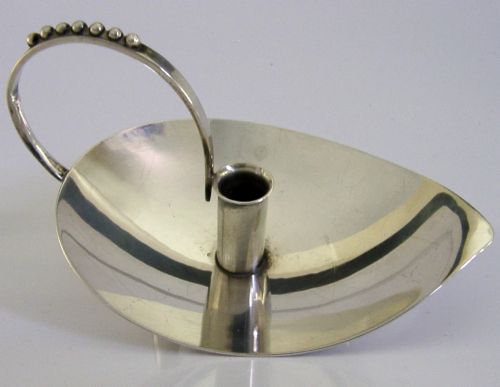
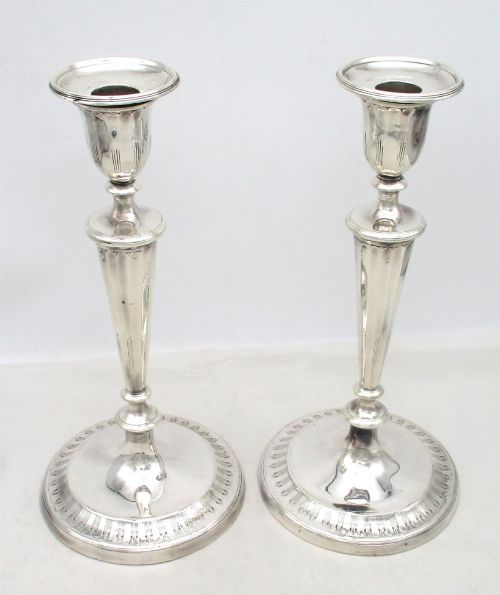
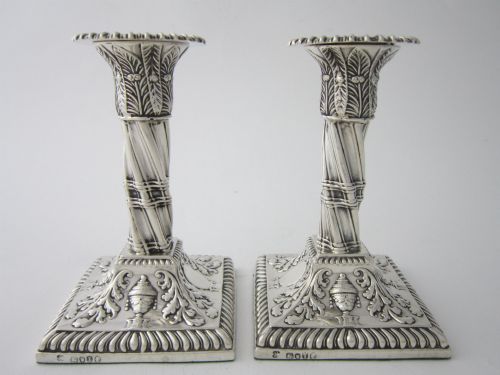
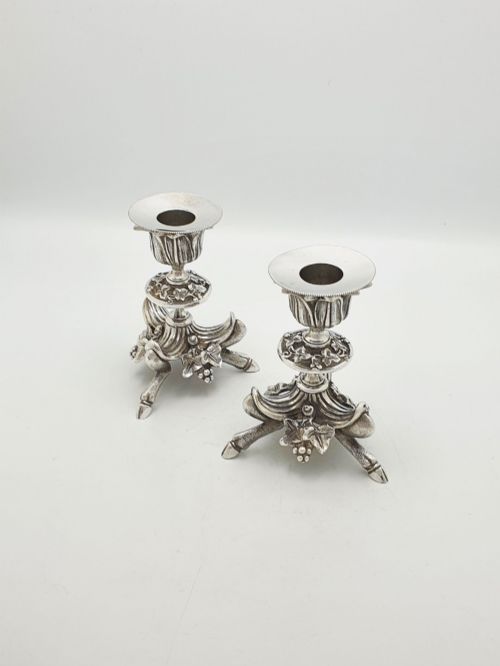
When searching for antique silver taper holders, buyers encounter a variety of forms including small chambersticks, desk accessories, and candlesticks designed for everyday domestic illumination. These pieces originate primarily from the Victorian and Edwardian eras, spanning the nineteenth and early twentieth centuries.
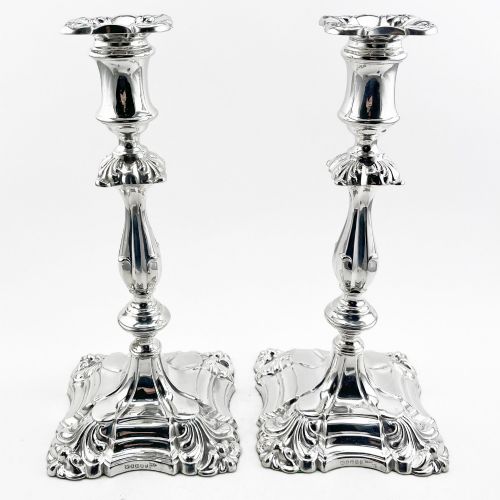
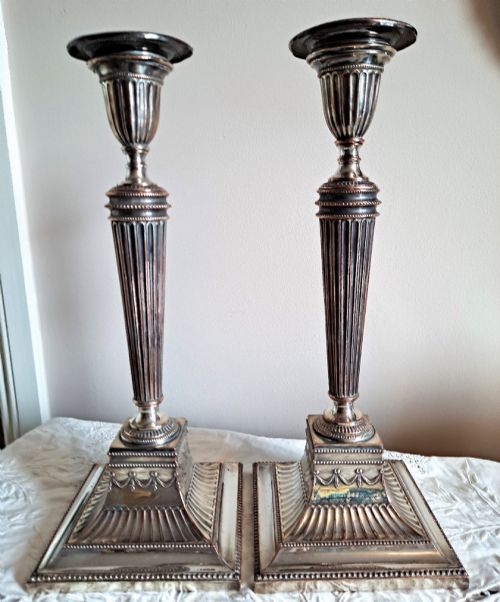
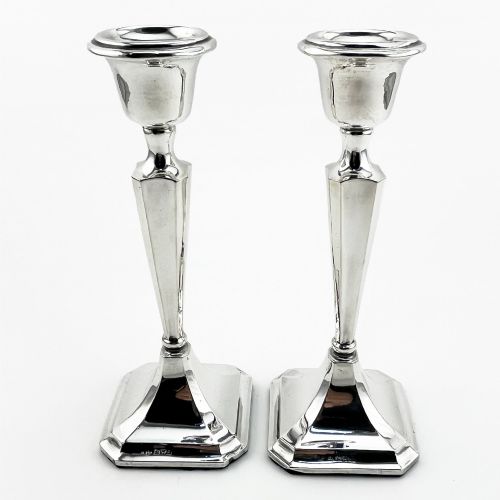
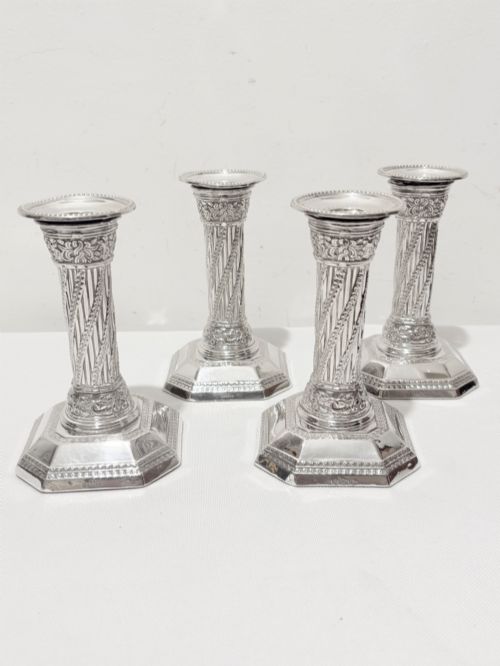
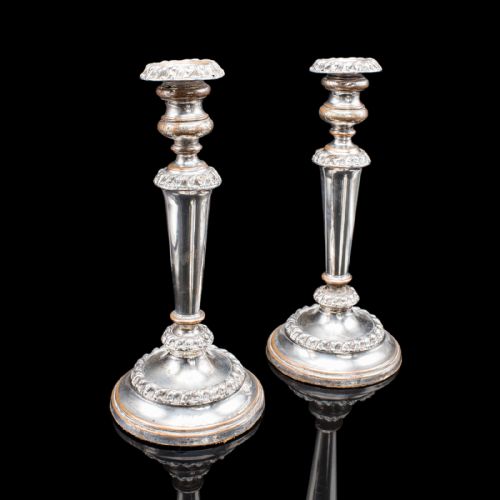
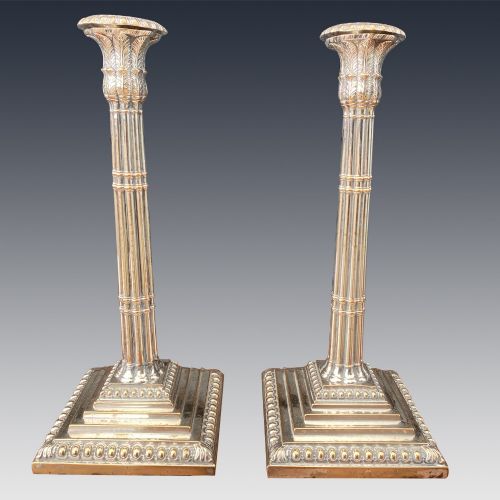
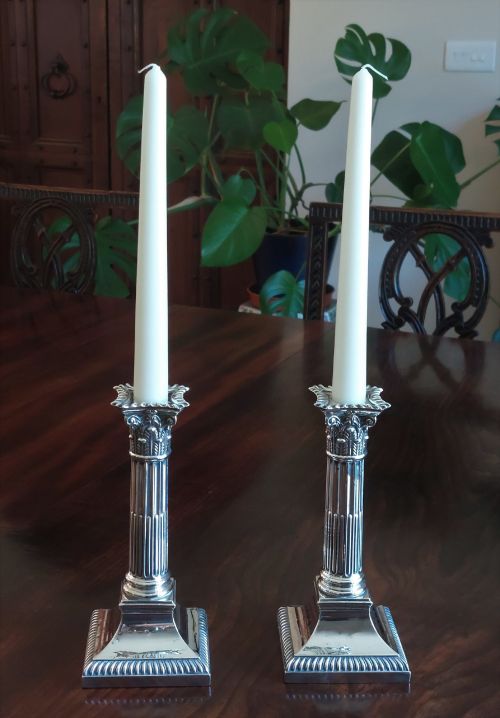
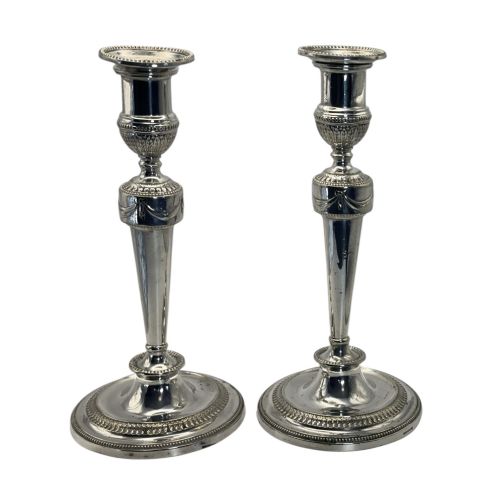
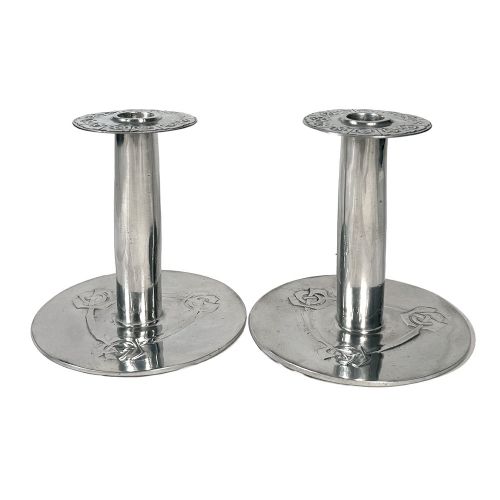
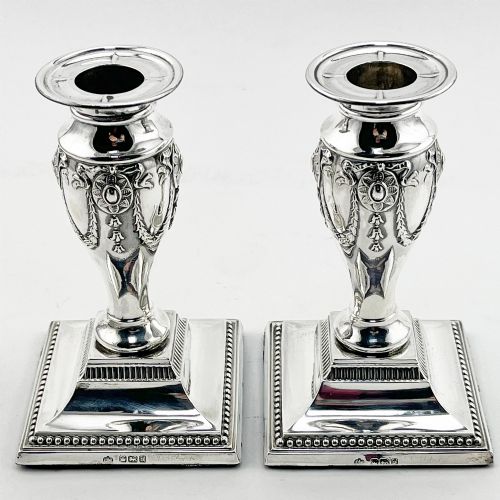
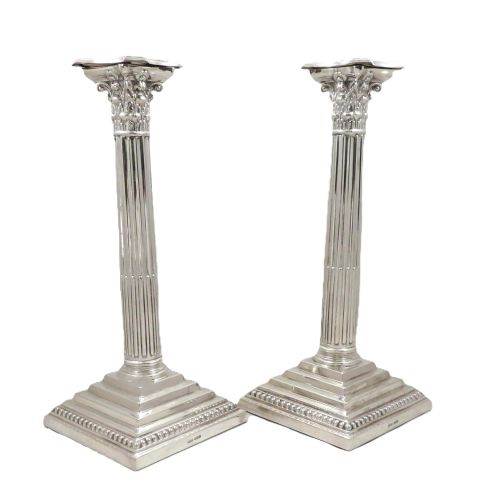
The selection on this page demonstrates various stylistic influences, ranging from neoclassical columns to art nouveau organic forms and georgian revivals. Sterling silver and silver plate dominate the offerings, occasionally supplemented by pewter, copper, and mixed materials.
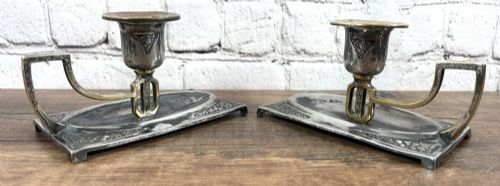
Chambersticks and smaller desk candlesticks represent common configurations within this category, often retaining functional sockets for smaller taper candles. Makers utilise traditional manufacturing techniques appropriate to sterling silver, silver plate, and electroplated nickel silver.
Materials and construction methods
Silversmiths employed sterling silver, old sheffield plate, and later silver plate on base metals to construct these lighting pieces. Workers shaped metal through casting, spinning, and soldering individual components together into unified forms.
Corinthian column designs and figural subjects required detailed mould creation, followed by chasing and finishing by hand. Silver-plated items often utilised copper or electroplated nickel silver as a substrate beneath the metallic coating.
Antique Silver Taper Holders Retail Price Guide 2026
Typical asking prices for silver taper holders among the pieces listed under this phrase on Sellingantiques today, from the lower quarter to the upper quarter. They describe what is for sale here now, not the wider market.
Listings feature items from the 18th century through the 1960s, encompassing sterling silver, silver plate, pewter, and copper.
Assessing quality in silver lighting
Quality rests upon the crispness of cast ornamentation, the integrity of the soldered joints, and the preservation of the original surface. Substantial weight and balanced proportions distinguish superior examples from lighter commercial production.
Maker marks and hallmarks provide tangible evidence of origin and standard, adding historical context to the piece. The retention of original plating or solid silver thickness dictates longevity and overall desirability.
Garrard & Co·Mappin & Webb·Conrad Eduard Mappe·John Pound & Co·Liberty & Co
The Antique Silver Taper Holders Glossary
- Chamberstick
- A low candlestick fitted with a handle and a shallow pan to catch dripping wax. These portable lights moved easily from room to room before widespread domestic electricity.
- Vesta case
- A small pocket container designed for holding matches, frequently combined with chambersticks or desk items. These boxes often feature spring-loaded lids and striking surfaces.
- Old Sheffield plate
- A fused composite material made by melting a sheet of sterling silver onto a thicker copper base. This technique preceded modern electroplating methods.
- Corinthian column
- An architectural style applied to candlestick shafts, featuring ornate capitals decorated with acanthus leaves. This neoclassical design appeared frequently during the Victorian period.
- Electroplated nickel silver
- A base metal alloy of copper, nickel, and zinc coated with a thin layer of pure silver using an electrical current. This process democratised the ownership of silver-appearance items.
Antique Silver Taper Holders: Frequently Asked Questions
What is a taper holder?
A taper holder is a small candlestick designed specifically to burn thin wax tapers rather than thick household candles.
These slim candles provided quick flames for lighting larger fires, sealing letters with wax, or navigating dark hallways.
How do I clean antique silver?
Cleaning antique silver requires a soft cloth and a gentle, non-abrasive silver polish formulated for historic metals. Avoid harsh chemical dips that strip away desirable patination.
Careful handling preserves delicate soldered joints and thin silver plating on older pieces.
What is the difference between sterling and plate?
Sterling silver consists of solid precious metal meeting a government-regulated purity standard throughout the entire object. Silver plate applies a thin exterior layer of silver over a less expensive base metal.
Hallmarks usually designate sterling pieces, whereas plated items bear specific manufacturer marks indicating the plating technique.
How were chambersticks used?
Chambersticks served as portable bedroom lighting during the evening hours before electric lamps existed. The attached saucer caught melting wax while people walked through draughty corridors.
Many designs include a small cone snuffer resting in the pan to extinguish the flame safely.