


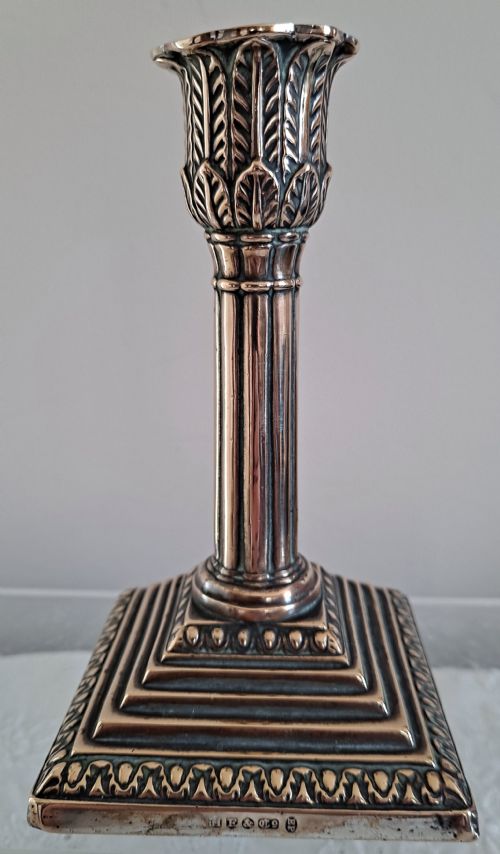
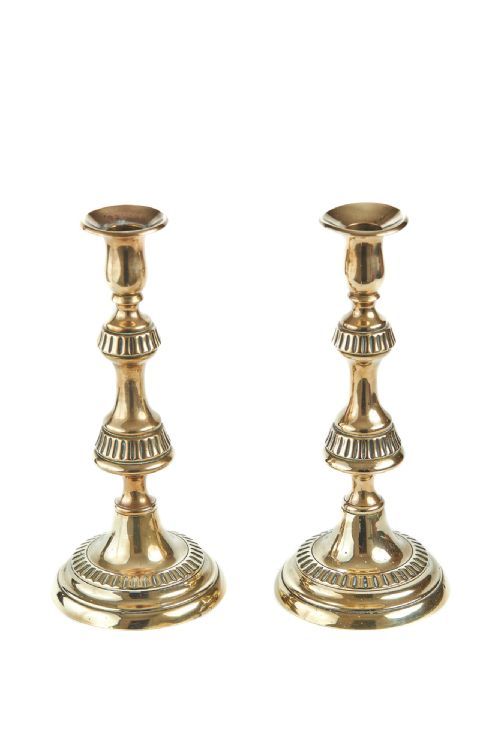
Antique Metal Candle Stands
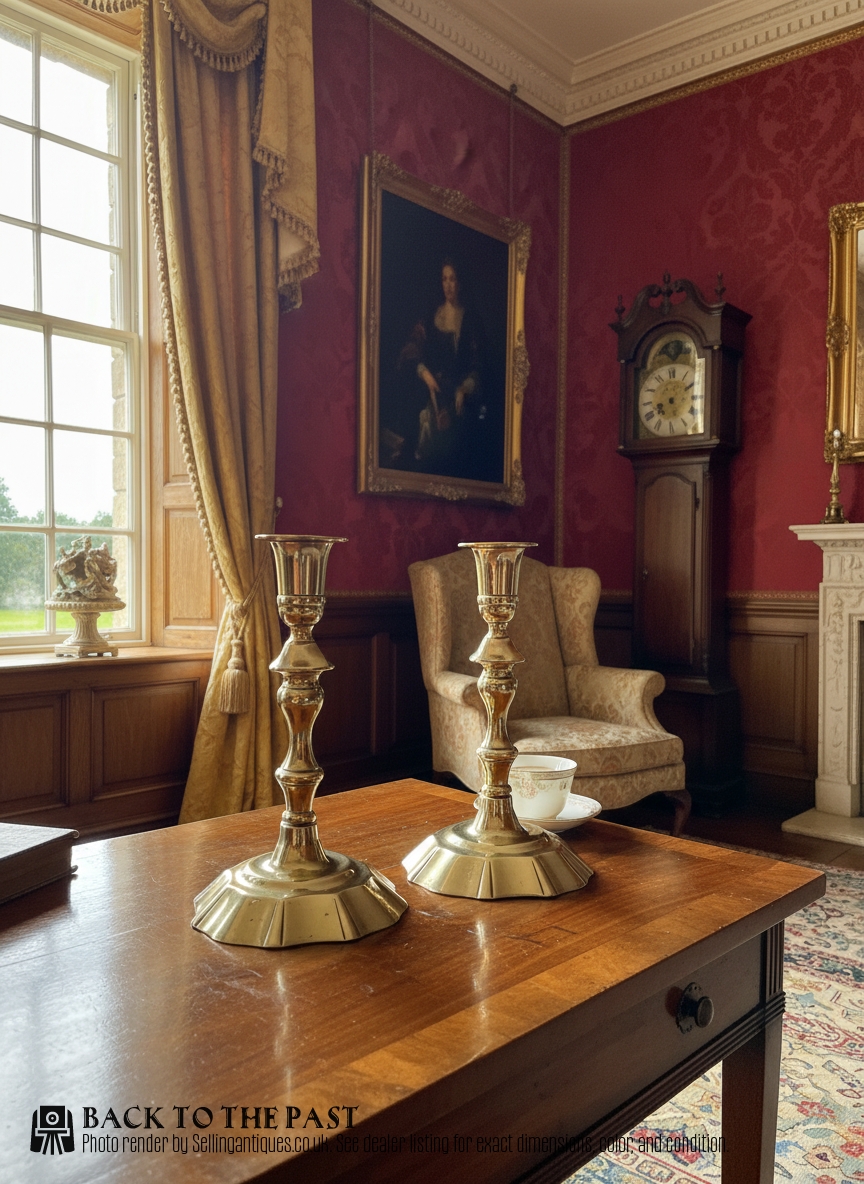
These antique metal candle stands span centuries of domestic lighting, offering sculptural presence and material warmth to any room.
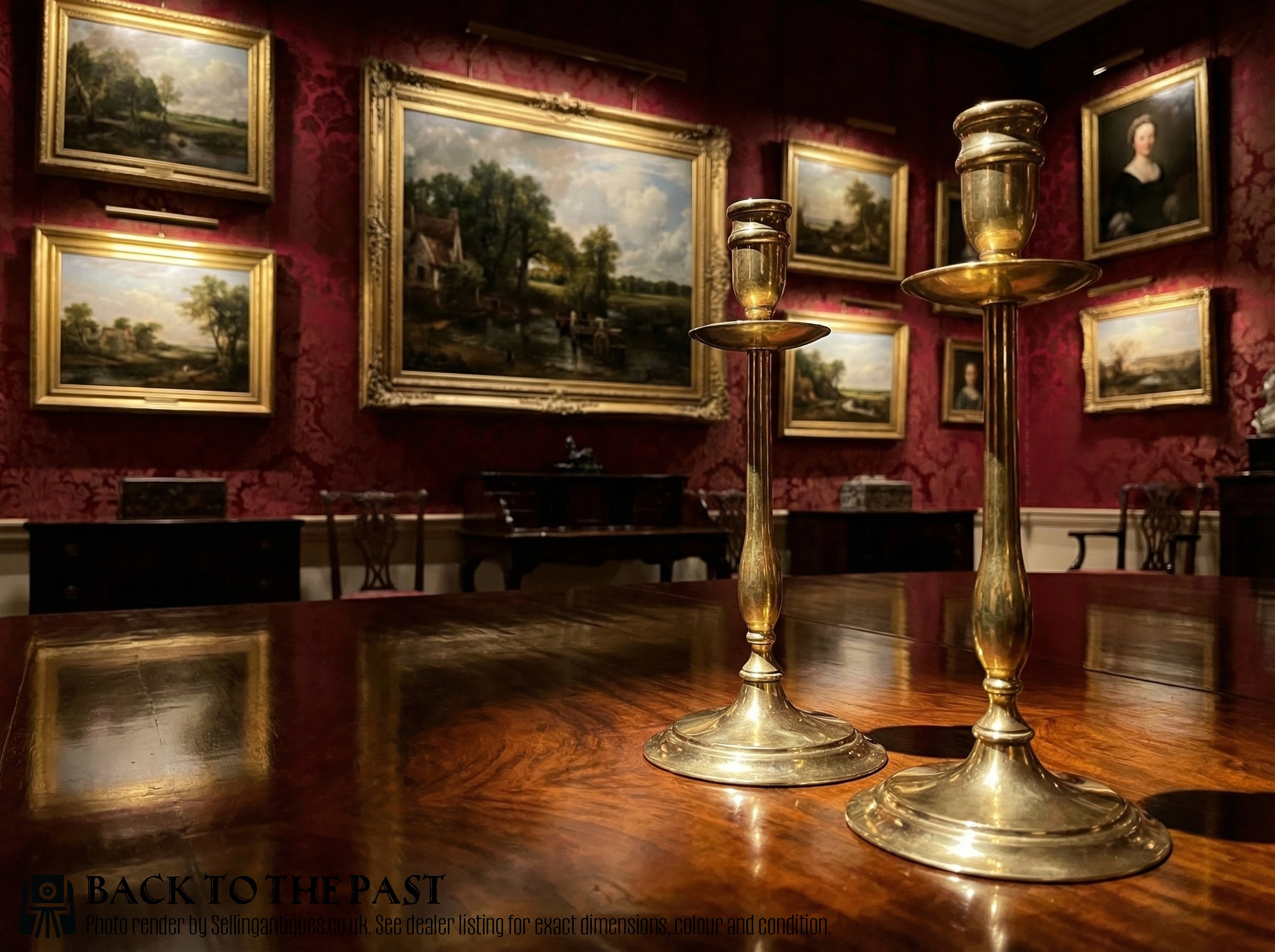
Antique Metal Candle Stands
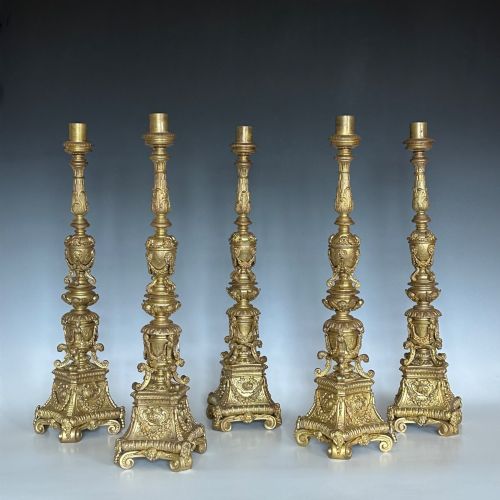
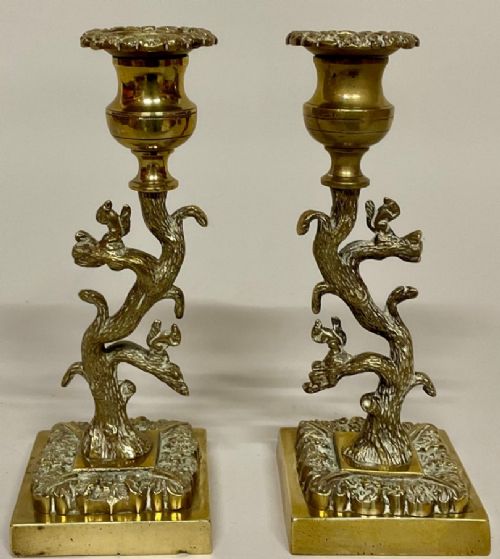
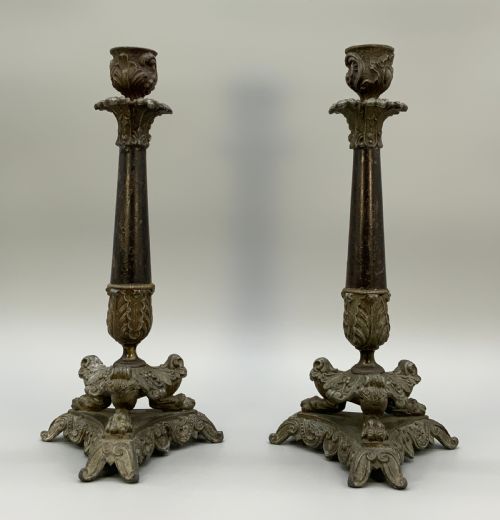
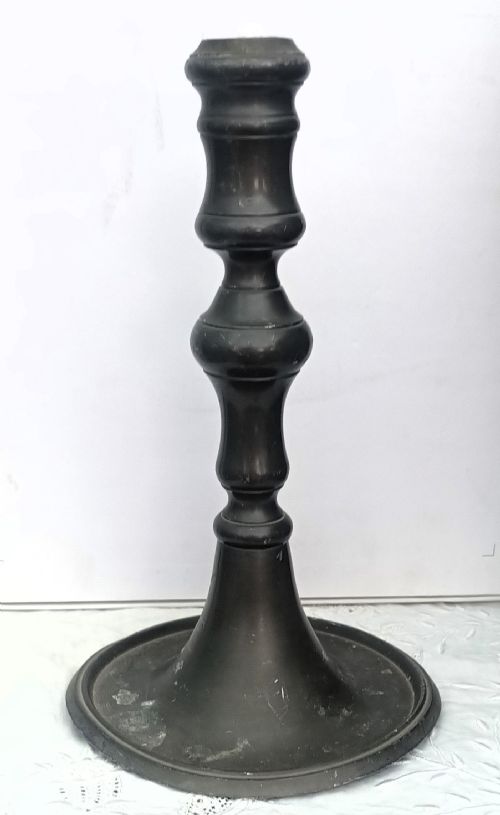
Antique metal candle stands encompass a diverse array of utilitarian and decorative objects designed to support single candles or multiple tapers. When exploring antique metal candle stands, buyers encounter forms ranging from simple domestic brass sticks to elaborate multi-arm ormolu candelabras.
The selections span distinct periods, with eighteenth and nineteenth-century examples appearing frequently alongside early twentieth-century designs. Domestic iterations include standard table candlesticks, desk variants, and larger floor-standing pieces intended for architectural impact.
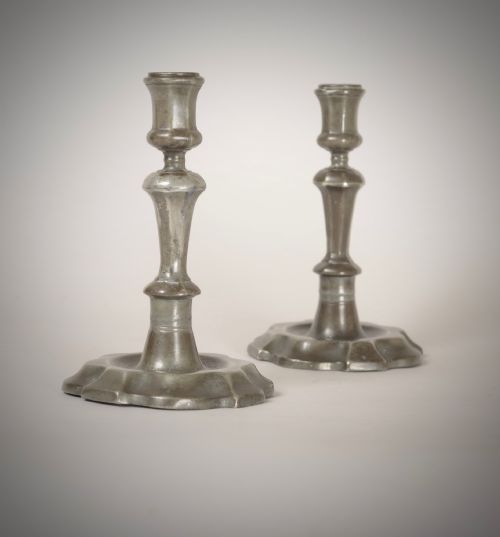
Materials vary widely across the inventory, reflecting changing interior tastes from the Georgian era through the Victorian period and into the twentieth century. Buyers select these items for their distinct historical character, whether seeking utilitarian pewter or ornate gilt bronze.
Methods of manufacture
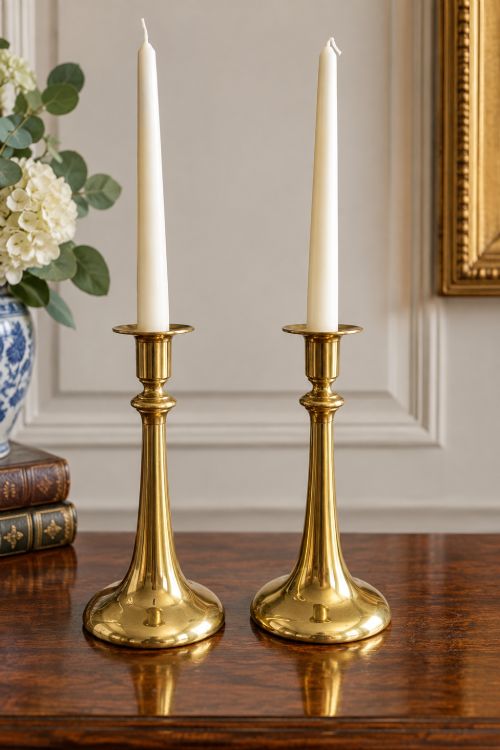
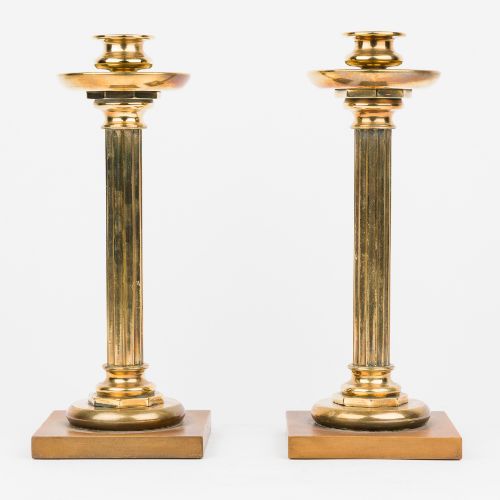
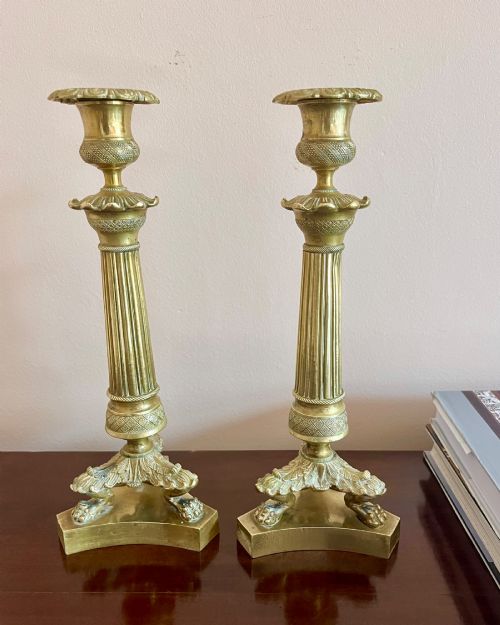
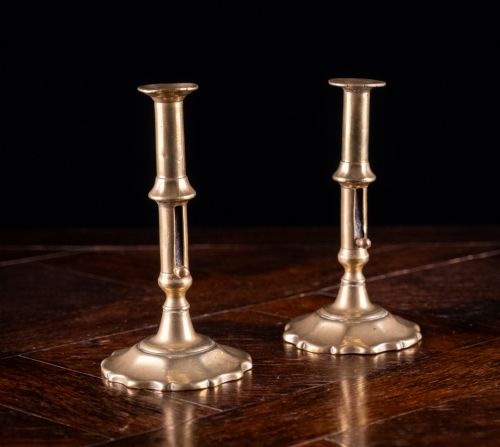
Many early brass examples utilise seamed construction techniques, where metal sheets are formed and joined before being finished on a lathe. Cast metals, including bronze, brass, spelter, and ormolu, allow for intricate sculptural detail such as figural motifs, foliage, and architectural elements.
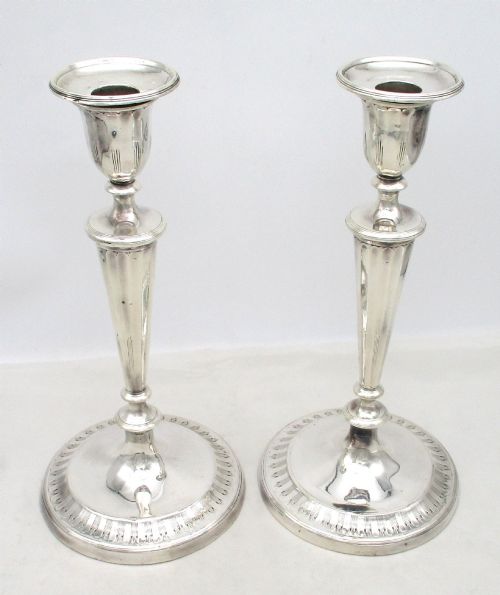
Surface treatments and secondary materials add complexity to the manufacturing process, incorporating silver plating over base metals or combining pewter with tortoiseshell. Wrought iron pieces rely on traditional blacksmithing methods to create sturdy multi-candle floor stands and prickets.
Antique Metal Candle Stands Retail Price Guide 2026
Typical asking prices for metal candle stands among the pieces listed under this phrase on Sellingantiques today, from the lower quarter to the upper quarter. They describe what is for sale here now, not the wider market.
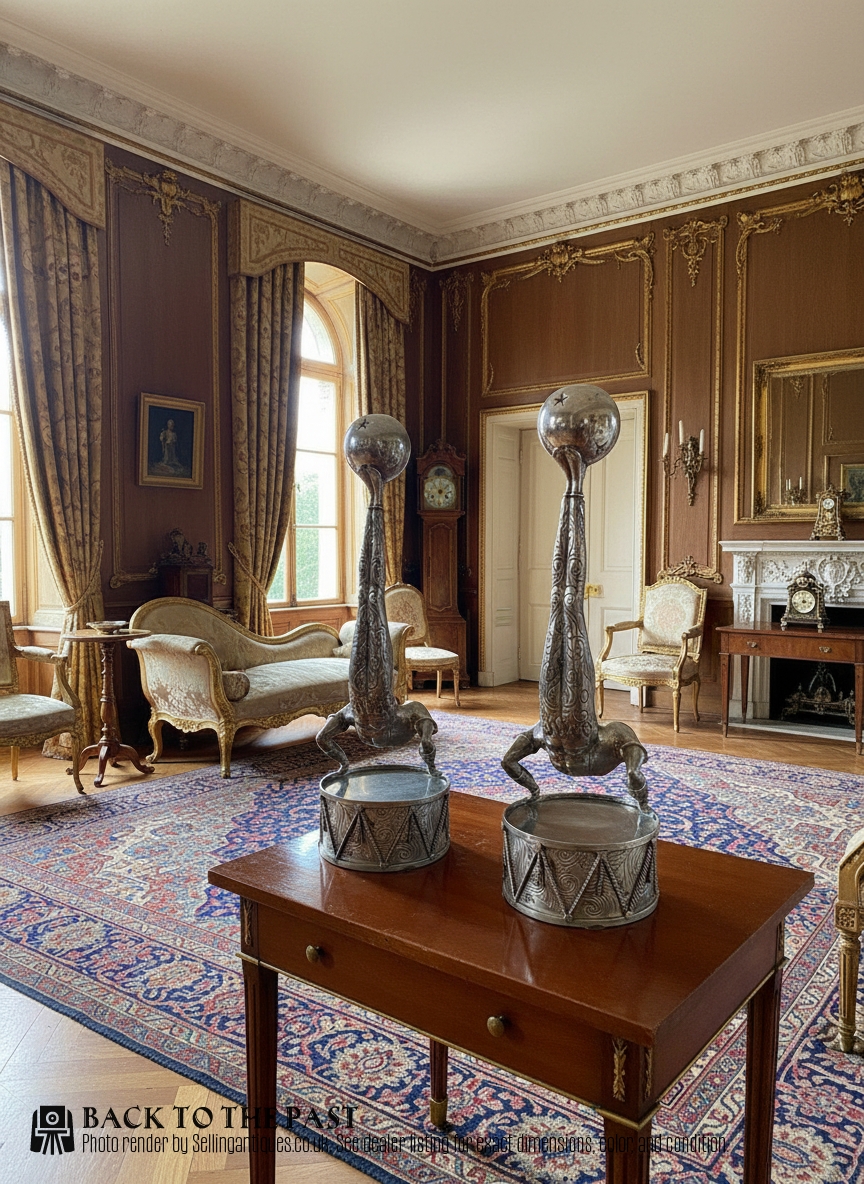
Medieval characters on stilts stand ready to hold your tapers.
Distinctions in quality
Quality in these objects rests upon the crispness of the casting and the weight of the metal used in production. Finer items exhibit sharply defined ornament, secure joints, and balanced proportions that distinguish them from mass-produced or simpler utilitarian counterparts.
The integrity of surface finishes, such as original gilding, silver plating, or patination, dictates the visual success of the piece. Superior examples retain their original components and structural stability without intrusive repairs or lost elements.
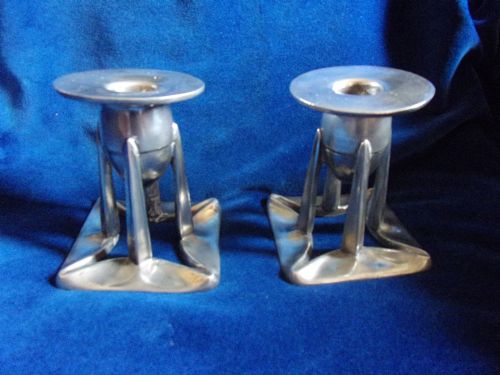
ARCHIBALD KNOX
The Antique Metal Candle Stands Glossary
- Candelabra
- A large decorative candlestick featuring multiple arms branching from a central stem to hold several candles at once. These multi-light fixtures frequently appear in gilt bronze or ormolu during the eighteenth and nineteenth centuries.
- Pricket
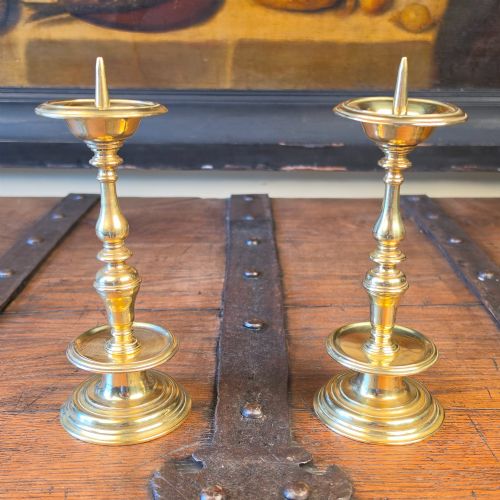
- A sharp metal spike designed to hold a candle securely from the base, commonly found on ecclesiastical or older forms of candle stands. This medieval style persists in later revival pieces.
- Ormolu
- Finely ground high-carat gold applied to a bronze base, creating a brilliant golden surface finish. This technique was favoured by French and English makers for decorative mounts and luxury objects.
- Spelter
- An alloy of zinc and lead used as a cost-effective substitute for bronze in decorative figures and sculptural candlesticks. It frequently receives a bronze or patinated finish to mimic heavier metals.
- Campana
- A vase-shaped candle sconce resembling a classical bell crater, often seen on Regency and Empire period stands. This form supports the candle nozzle with classical proportions.
Antique Metal Candle Stands: Frequently Asked Questions
What is a pricket candlestick?
A pricket candlestick uses an upright spike rather than a socket to secure the candle in place. This ancient form appears on both medieval-style items and later revival pieces.
Such stands provide a medieval or architectural aesthetic distinct from standard socket candlesticks.
How do I date a brass candlestick?
Dating relies on manufacturing techniques like seamed construction versus solid casting, alongside stylistic indicators. Georgian pieces often display simpler, heavier turned profiles, while Victorian examples embrace ornate revival decoration.
Examining the base, weight, and wear patterns helps establish the period of manufacture.
What is spelter metal?
Spelter is a zinc-based alloy commonly utilised for sculptural and figural decorative objects during the nineteenth century. It is lighter than bronze and typically coated with a dark patina to resemble heavier metals.
Figural candle stands often employ this material for complex soldier or character motifs.
How were multi-arm candelabras used?
Multi-arm candelabras served as grand lighting centerpieces for dining tables, mantelpieces, and formal reception rooms. They provided increased illumination while displaying the wealth and taste of the household through ornate metalwork.
These heavier pieces often featured detachable branches for easier cleaning and maintenance.