


Square Base Brass Candlesticks
Square base brass candlesticks provide sturdy illumination, bringing period weight and proportion to a mantelpiece or dining table.
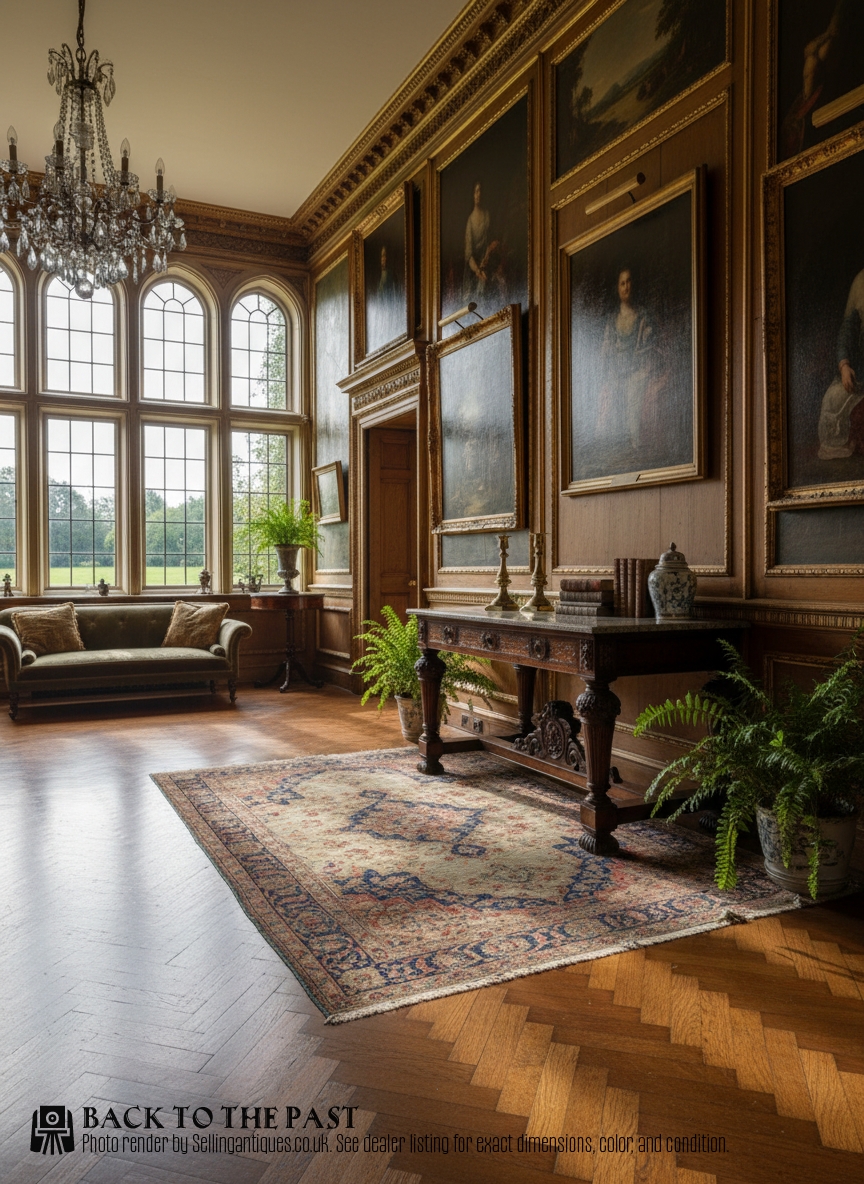
Square Base Brass Candlesticks
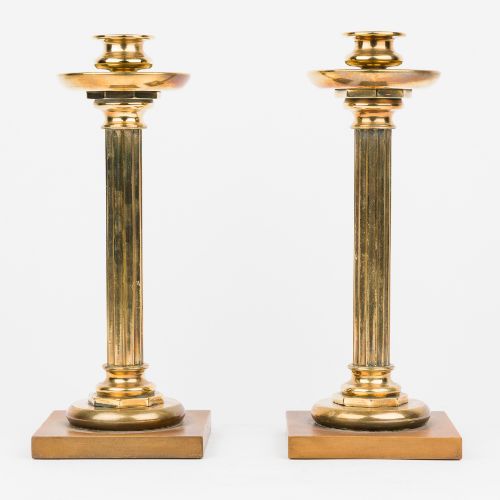
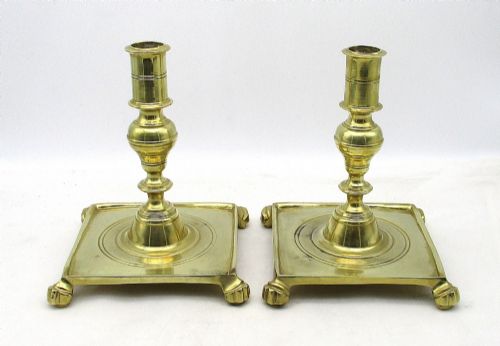
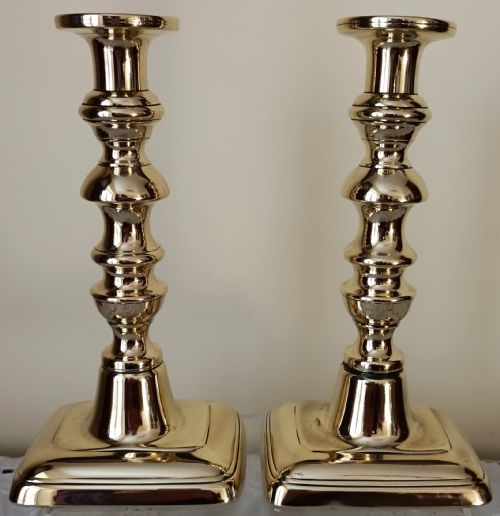
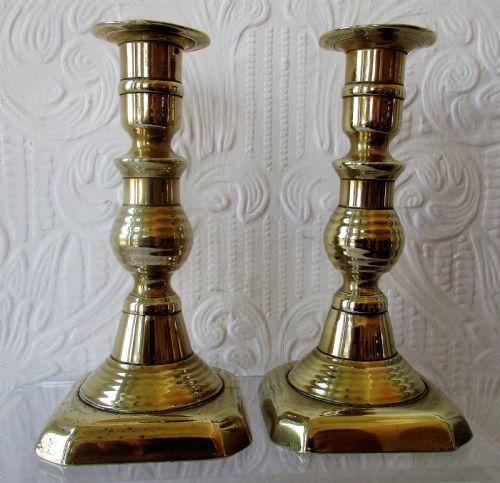
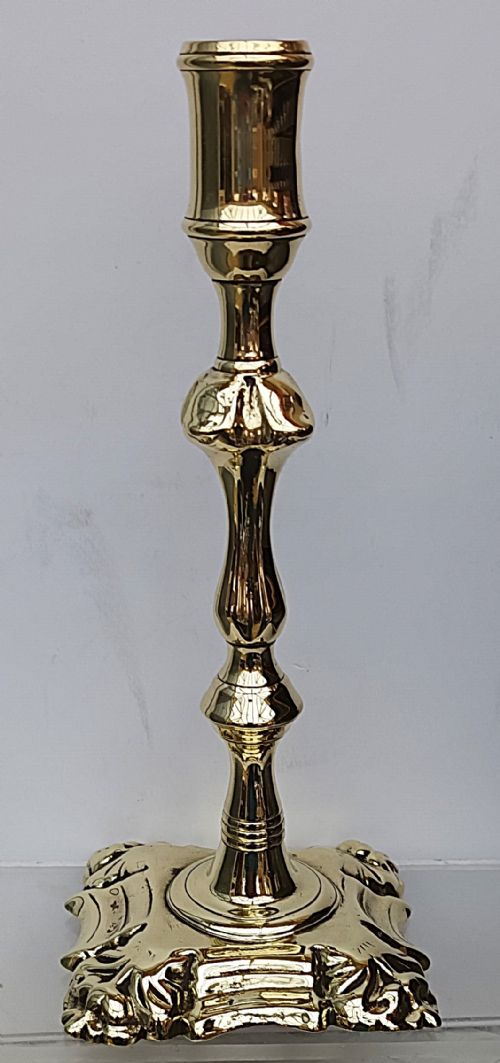
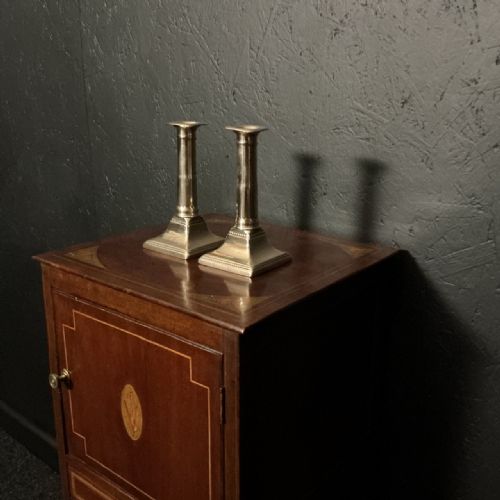
Square base brass candlesticks are lighting devices designed with geometric footings for stability, appearing frequently across Georgian and Victorian periods in the evidence.
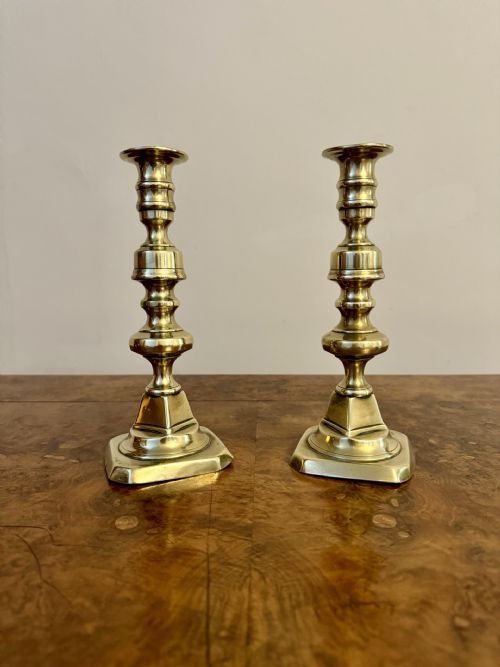
Buyers searching this phrase encounter examples ranging from plain eighteenth-century column forms to decorative nineteenth-century baluster and beehive designs.
The selection includes matched pairs cast in brass, bronze, and gunmetal, reflecting domestic lighting needs from the seventeen-hundreds through to the early twentieth century.
Materials and Construction
Metal alloy components are cast using traditional techniques, resulting in solid columns and sturdy square bases that hold taper candles securely.
Gilt bronze and standard brass surfaces show varying patination from centuries of handling, polishing, and natural ageing in domestic settings.
Square Base Brass Candlesticks Retail Price Guide 2026
Typical asking prices for square base brass candlesticks among the pieces listed under this phrase on Sellingantiques today, from the lower quarter to the upper quarter. They describe what is for sale here now, not the wider market.
Materials documented across the inventory include standard brass, gilt bronze, gunmetal, and mixed metal alloys.
Evaluating Quality and Detail
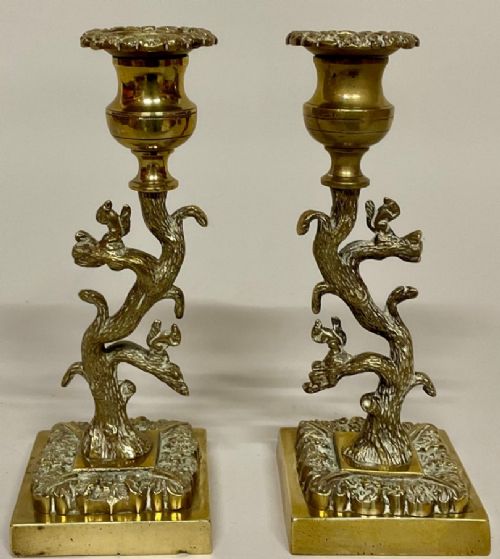
The crispness of casting detail separates standard production items from finer sculptural pieces, particularly where foliage, squirrels, or neoclassical motifs decorate the shaft.
Proportion and weight dictate the overall presence of the object, with heavier metal allocations providing better balance above the square foot.
J.T. & Co·J. Miller·Frederick J Smith & Co
The Square Base Brass Candlesticks Glossary
- Campana sconce
- A vase-shaped candle cup resembling an inverted bell. This form appears frequently on Regency and Georgian lighting.
- Baluster
- A moulded shaft with a swelling lower portion, resembling a miniature architectural baluster. It provides a classic profile for Victorian candlesticks.
- Neoclassical
- A style drawing inspiration from classical antiquity, often featuring strict symmetry and formal geometric ornaments. Pieces from this period display clean architectural lines.
- Gunmetal
- A type of bronze alloy containing copper, tin, and zinc. It yields a darker, more industrial metallic tone than standard yellow brass.
Square Base Brass Candlesticks: Frequently Asked Questions
How do I date square base brass candlesticks?
Dating relies on observing stylistic markers such as column profiles, base thickness, and manufacturing methods. Georgian examples often show simpler square plates, while Victorian variants introduce baluster and beehive turnings.
Maker marks stamped near the base can also help narrow down the period of production.
Are these candlesticks safe to use with modern candles?
Most standard taper candles fit securely into the sconces, though slight variations in sizing occur due to hand-casting.
Using dripless candles or metal inserts helps protect the surrounding metal from excess wax accumulation during use.
How should I clean antique brass candlesticks?
Gentle dusting with a soft cloth preserves the existing surface patination accumulated over generations. Avoid harsh chemical polishes that strip away historical character and dull the metal grain.
Light application of microcrystalline wax can protect exposed surfaces from further oxidation.
Did people use these candlesticks for daily lighting?
These items served as primary portable light sources in homes before the introduction of gas and electric lighting. Servants moved them between rooms to illuminate stairwells, parlours, and bedrooms.
Pairs were typically positioned on side tables or mantels for symmetrical aesthetic balance.