
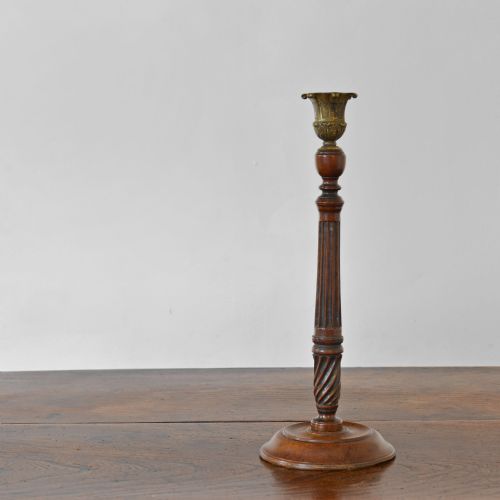
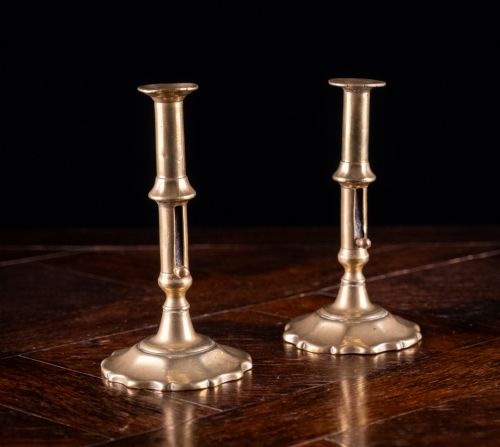
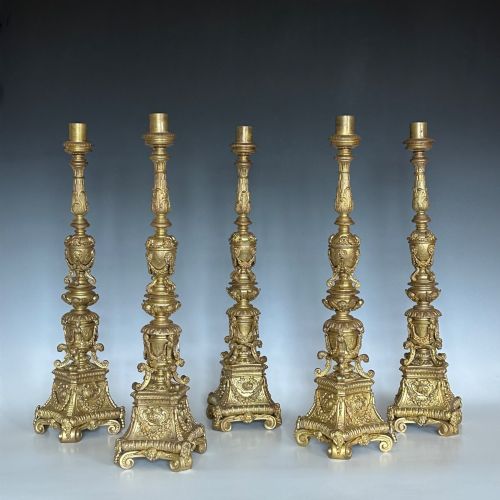
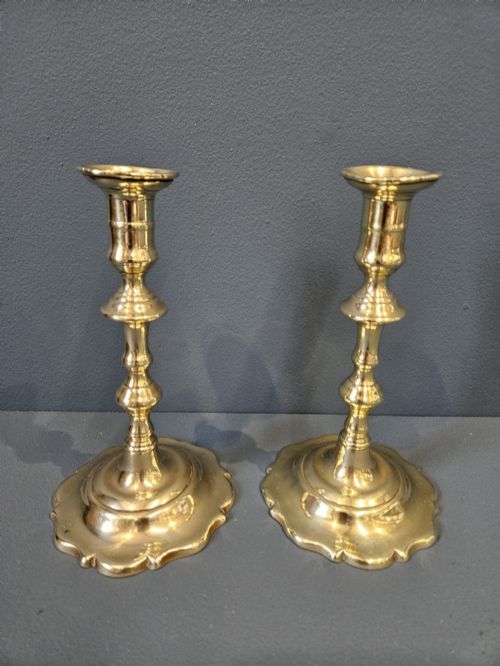

18th Century Brass Candlesticks
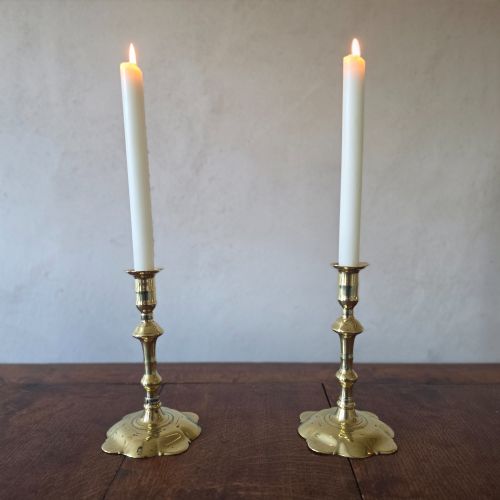
These 18th century brass candlesticks provide domestic illumination through cast and turned metal forms dating from the Georgian era.
18th Century Brass Candlesticks
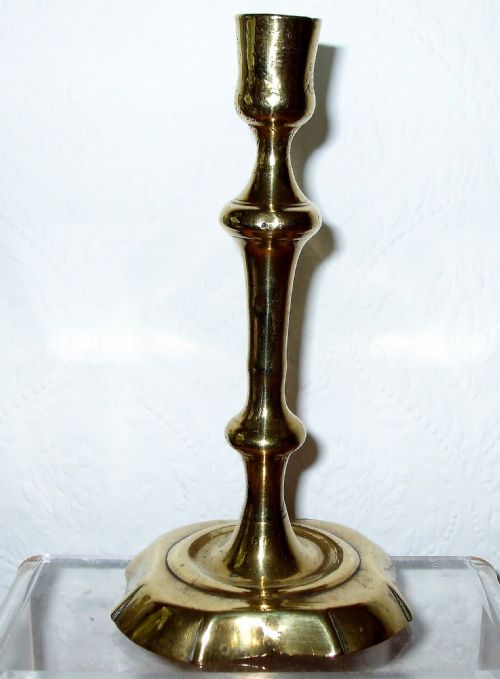
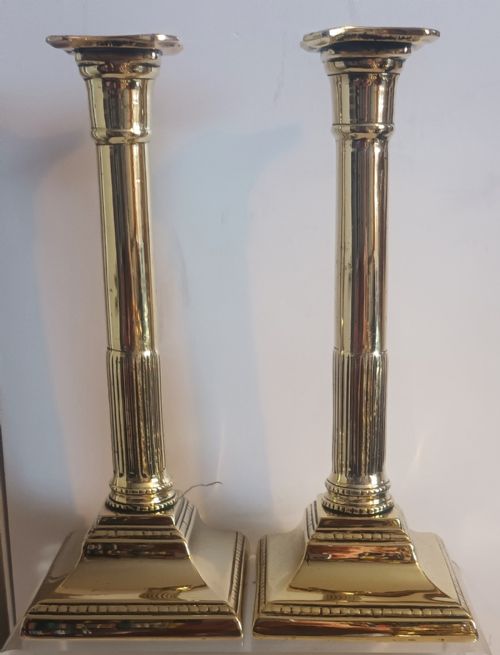
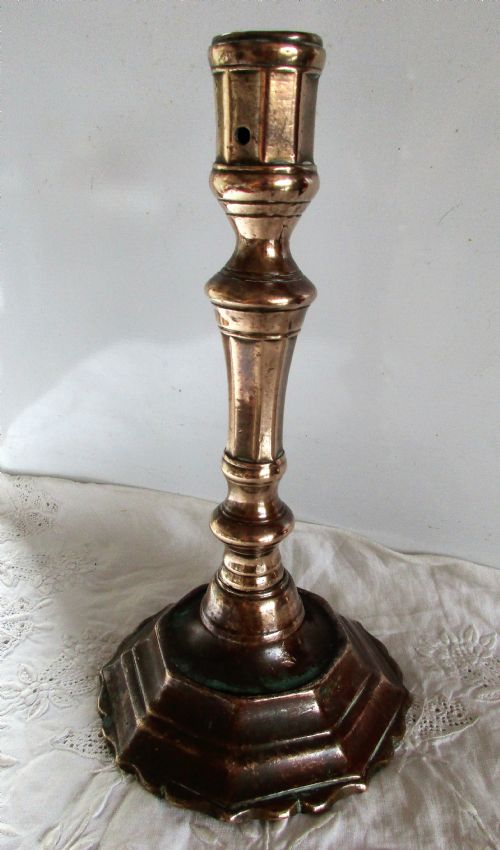
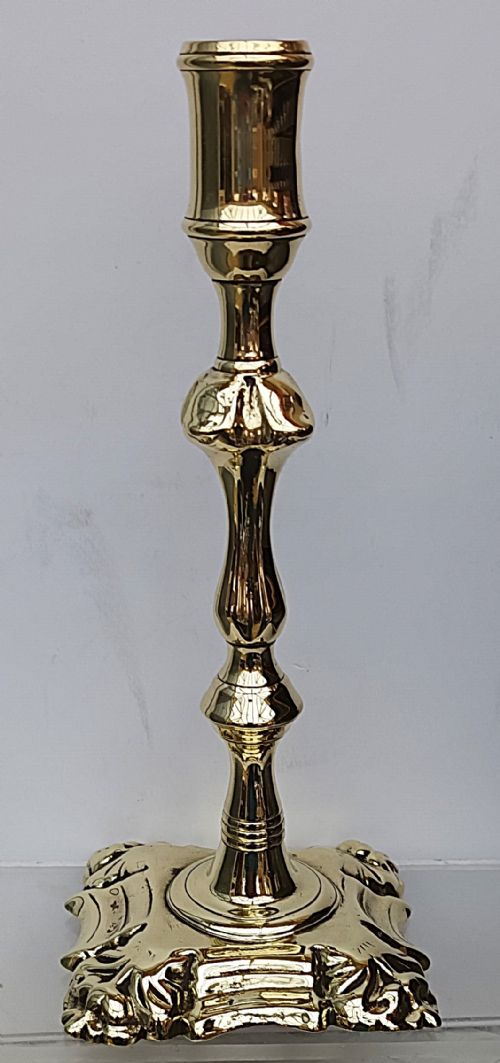
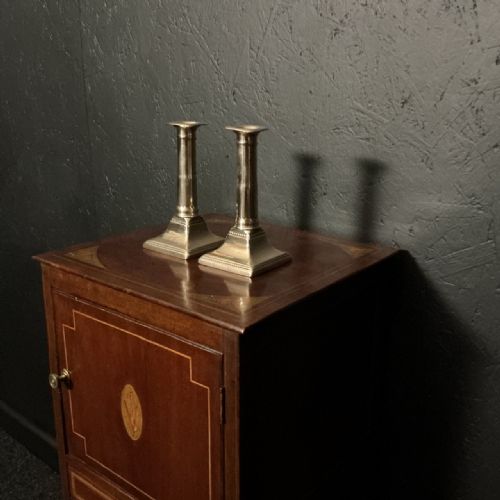
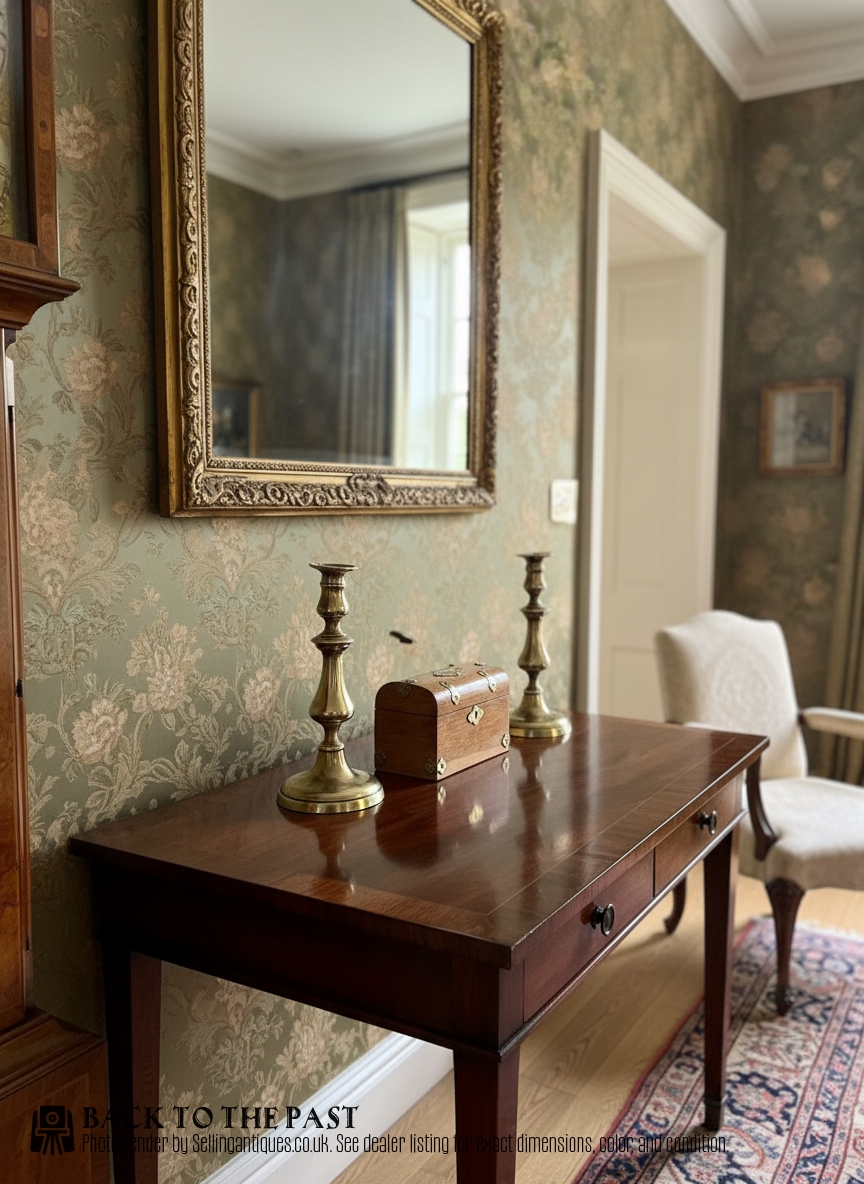
When searching for 18th century brass candlesticks, collectors examine domestic lighting pieces originating primarily from the Georgian period, including the reigns of George II and George III. The items on this page span the seventeenth to the nineteenth centuries, incorporating forms such as chambersticks, column candlesticks, and single taper sticks.
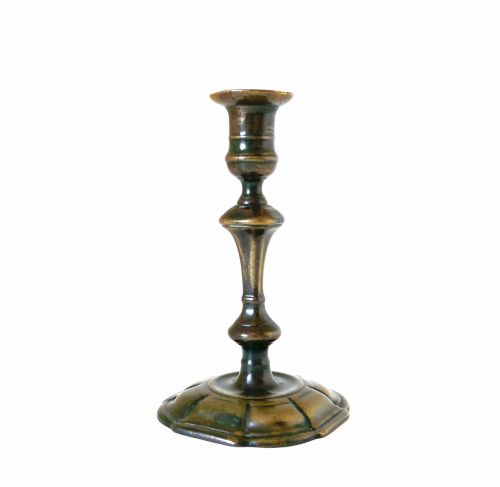
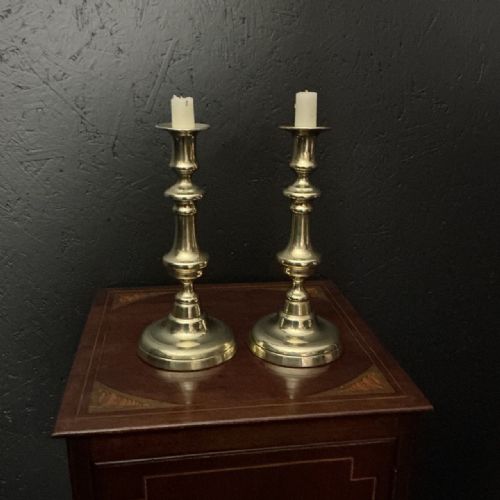
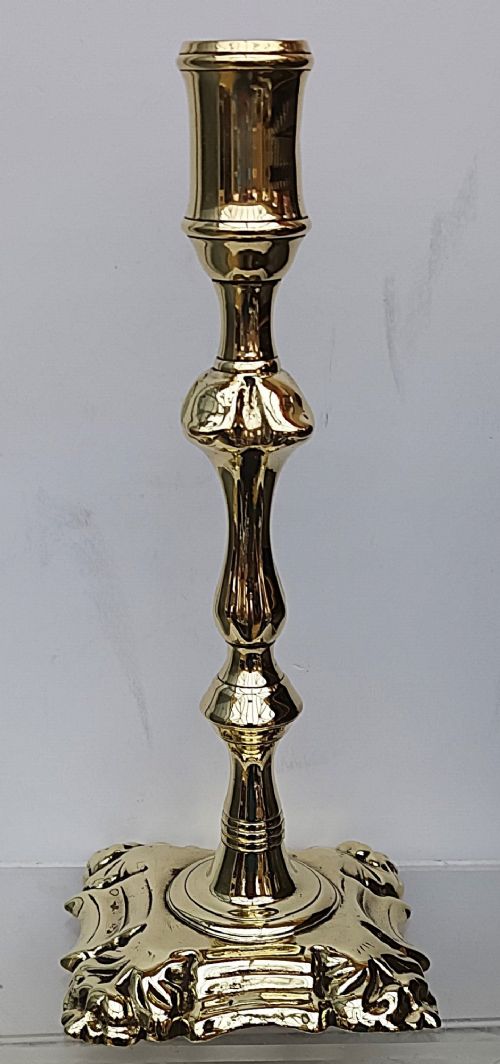
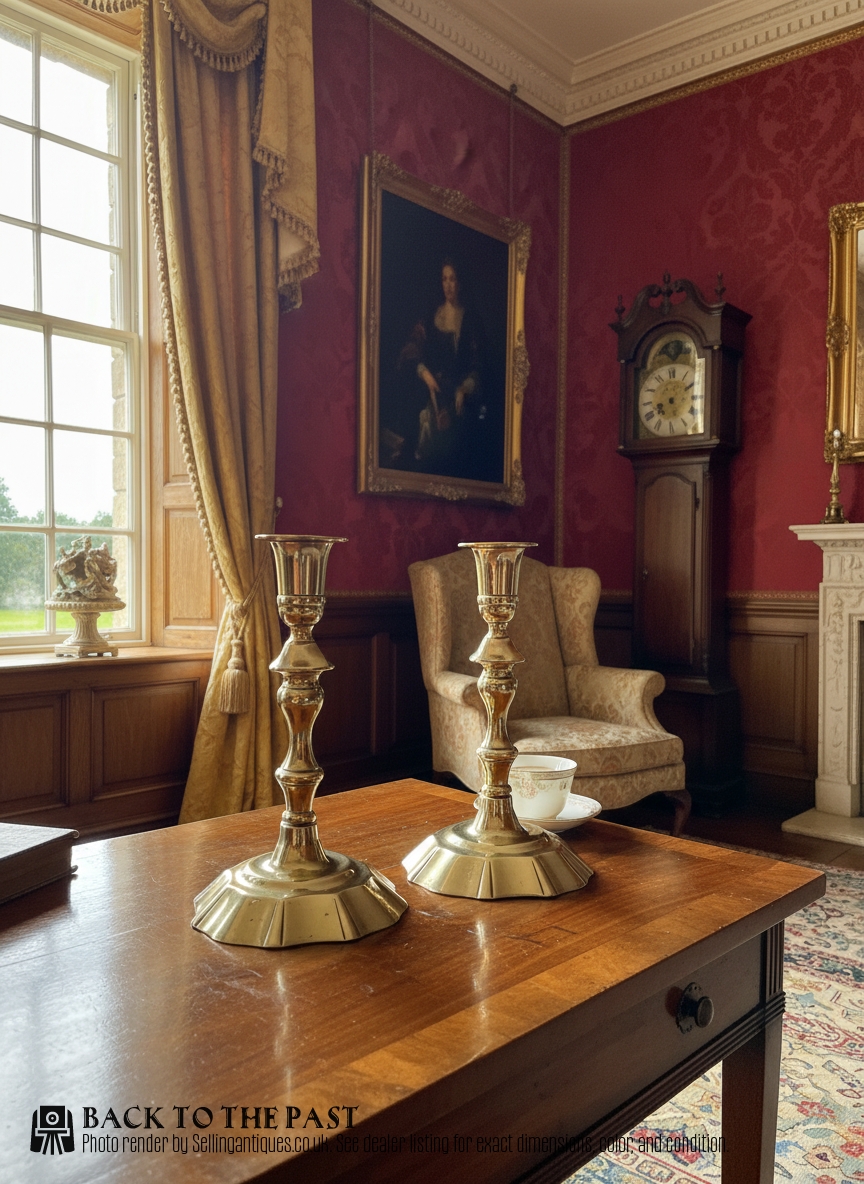
The most frequently encountered versions on this page are matched pairs featuring multi-knopped stems and petal or domed bases. These domestic objects illuminate historic interiors through traditional metalwork adapted for daily use before the arrival of electric lighting.
How they were made
Makers utilised casting techniques to shape molten brass, bell metal, and paktong into solid structural components like bases and nozzles. Individual parts were subsequently turned on lathes to refine the profiles and join separate sections together securely.
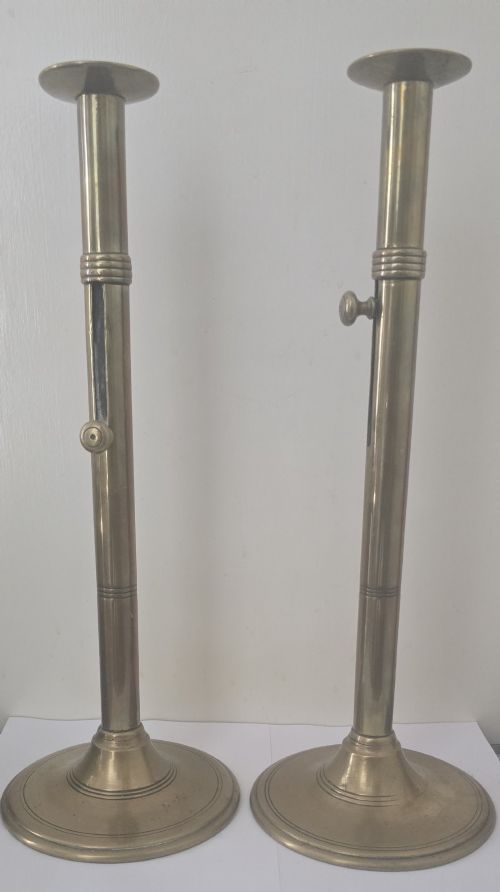
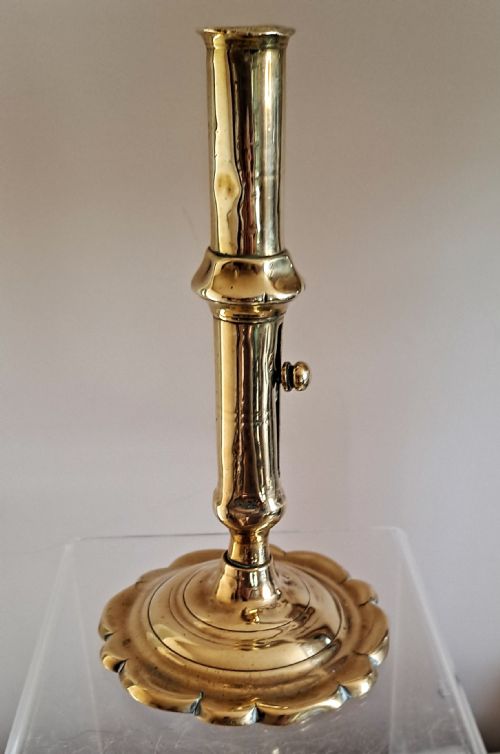
Many examples feature visible vertical seams resulting from two-part brass casting moulds employed during the mid-eighteenth century. Workshops also incorporated mechanical internal components, such as side ejectors and Harrison patent telescopic mechanisms, to assist with removing spent candle stubs.
18th Century Brass Candlesticks Retail Price Guide 2026
Typical asking prices for 18th century brass candlesticks among the pieces listed under this phrase on Sellingantiques today, from the lower quarter to the upper quarter. They describe what is for sale here now, not the wider market.
Recorded styles span Baroque, Queen Anne, Rococo, Georgian, George II, George III, and Neoclassical periods.
What varies in quality
The distinction between standard domestic items and superior examples lies in the weight of the metal and the crispness of the turned mouldings. Heavier castings with well-defined knops, detailed petal bases, and intact original ejector mechanisms command greater interest among collectors.
Surface preservation significantly influences the character of each piece, distinguishing uniform patination from excessive modern cleaning. Original matching pairs demonstrate superior workshop pairing compared to assembled sets united at a later date.
J. Miller·Harrison
The 18th Century Brass Candlesticks Glossary
- Ejector
- A mechanical device fitted inside the stem with a sliding thumbpiece to push out the remaining candle wax.
- Knop
- A decorative rounded swelling or projection carved along the vertical stem of the candlestick.
- Petal base
- A moulded foot shaped with scalloped lobes resembling flower petals, typical of early Georgian design.
- Bell metal
- An alloy of copper and tin producing a resonant material utilised for durable domestic lighting.
- Paktong
- A copper, nickel, and zinc alloy originating from China and employed for bright silver-toned items.
18th Century Brass Candlesticks: Frequently Asked Questions
How do I spot a reproduction?
Examine the construction methods and the composition of the metal under magnification. Authentic Georgian pieces show casting irregularities, seaming, and natural wear consistent with eighteenth-century workshop practices.
Modern replicas often lack the weight and genuine patination developed over centuries of handling and exposure to wax and heat.
What is an ejector mechanism?
An ejector mechanism is an internal sliding plate connected to an exterior thumbpiece or side lever. This device allows the user to raise the remaining stub of wax cleanly out of the sconce.
Such additions are particularly characteristic of mid-eighteenth-century domestic lighting.
Why do some candlesticks have bells?
Candlesticks described with bell metal incorporate a higher tin content within the alloy, originally intended to strengthen the cast form. This specific metal composition produces a clearer tone when struck gently.
Such pieces often display a warmer golden hue compared to standard brass.
How should I clean brass candlesticks?
Maintain the surface by dusting with a soft dry cloth and avoiding aggressive chemical polishes. Preserving the dark historic patination protects the character built up over generations.
Excessive polishing removes subtle tool marks and reduces the depth of the original metal finish.