


Brass Dining Table Candlesticks
Brass dining table candlesticks bring genuine warmth to an evening meal, offering the classic glow that only metalwork from past centuries provides.
Brass Dining Table Candlesticks
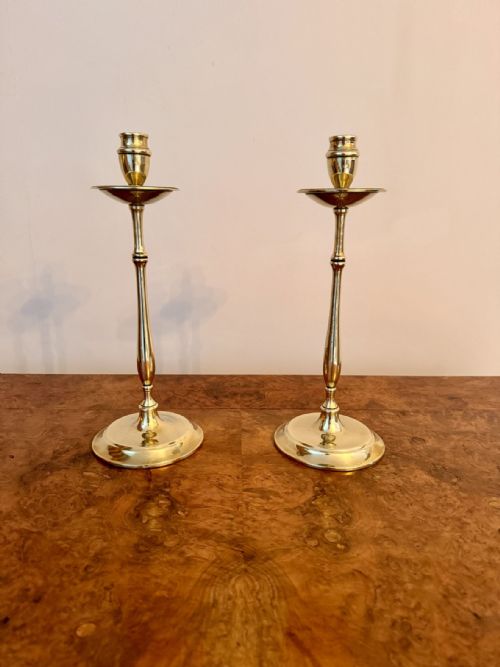
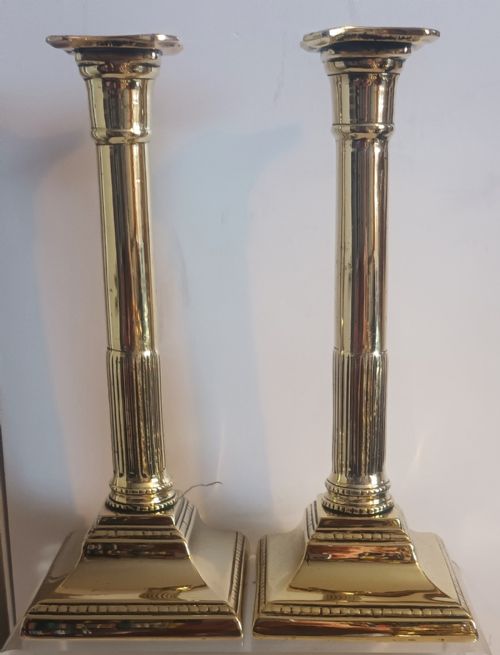
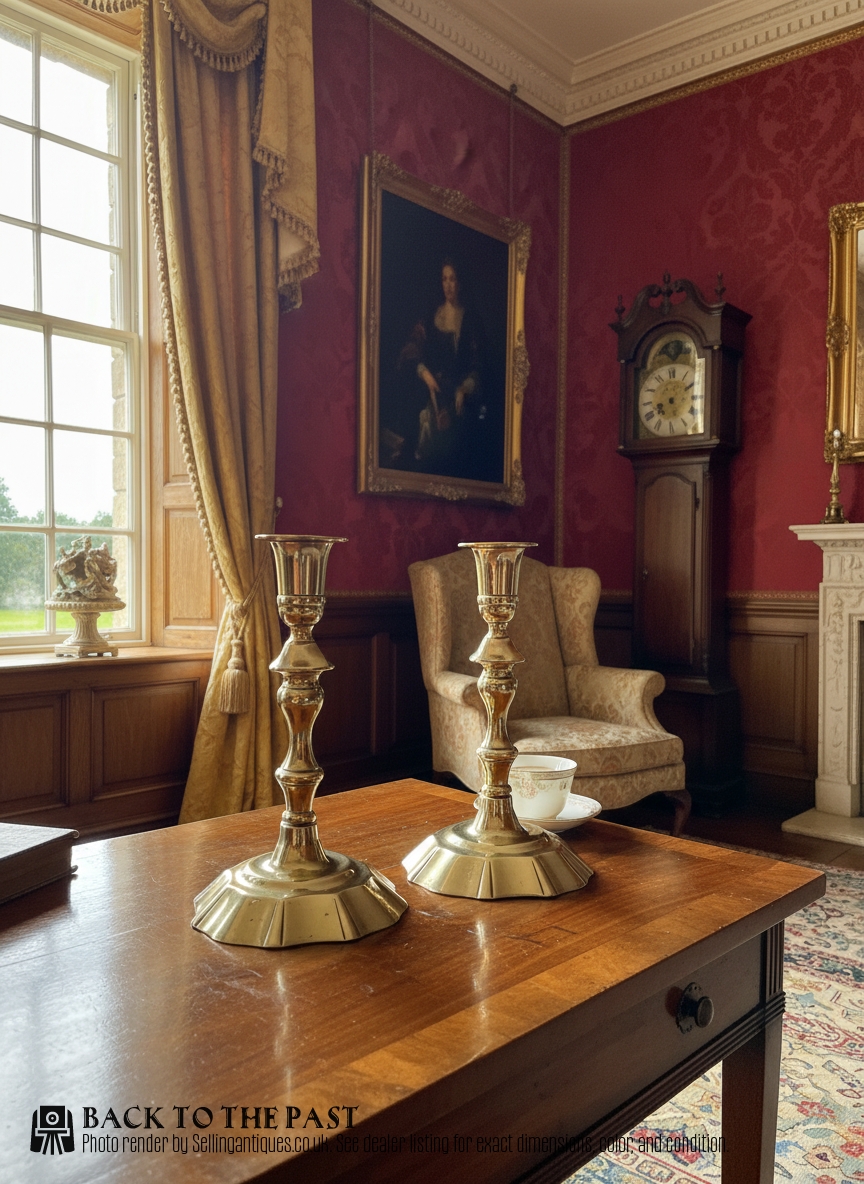
Brass dining table candlesticks are functional items designed to elevate illumination during meals, appearing in forms ranging from simple domestic lighting to grander table pieces. When you search for brass dining table candlesticks, you encounter items intended to sit upon a dining surface and hold taper candles securely.
The selections available here span several distinct periods, most notably the eighteenth and nineteenth centuries, alongside Edwardian examples. You will frequently find matching pairs designed to balance the visual weight of a table setting.
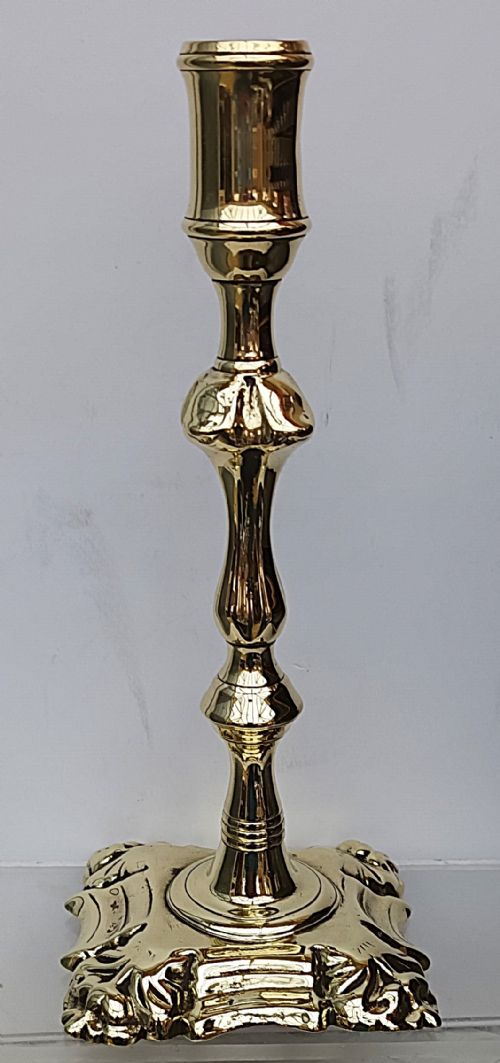
Forms vary from sturdy baluster shapes to specialised mechanisms like telescopic designs. Alongside traditional brass, related materials such as silver plate and glass appear within the wider selection.
How they were made
The primary material across these listings is brass, shaped through traditional foundry methods of the period. Metalworkers utilised casting and turning techniques to achieve the smooth columns and heavy bases required for stability on a table.
Certain pieces incorporate innovative mechanics, such as telescopic columns found in patented designs. Other variations introduce contrasting materials, pairing brass bases with components of glass, lead crystal, copper, or silver plate.
Brass Dining Table Candlesticks Retail Price Guide 2026
Typical asking prices for brass dining table candlesticks among the pieces listed under this phrase on Sellingantiques today, from the lower quarter to the upper quarter. They describe what is for sale here now, not the wider market.
Some nineteenth-century designers added internal telescopic mechanisms so diners could raise the flame as the evening progressed.
What varies in quality
The distinction between standard examples and superior pieces rests largely on the crispness of the casting and the weight of the metal. Heavier brass gives a substantial feel in the hand and ensures the candlestick remains steady when holding a tall taper.
Design complexity and finishing also separate the ranges, from plain utilitarian forms to highly ornate Victorian casting. The presence of functional mechanical parts, such as working telescopic adjustments, adds another layer of maker ingenuity.
Harrison Patent
The Brass Dining Table Candlesticks Glossary
- Baluster
- A turned column shape with a bulbous lower portion, frequently seen on traditional candlestick shafts. This profile provides both visual weight and a comfortable grip.
- Telescopic
- A design featuring sliding tubular sections that allow the height of the candlestick to be adjusted. Harrison Patent examples demonstrate this mechanical capability.
- Candelabra
- A branched lighting fixture holding multiple candles simultaneously, rather than the single nozzle of a standard candlestick. These provide a larger spread of light across a dining surface.
- Old Sheffield Plate
- A composite material made by fusing a thin layer of silver to a thicker copper base. It appears on dining table pieces produced before modern electroplating methods became common.
- George III
- The period spanning the reign of George III, associated with refined classical proportions in domestic metalwork. Pieces from this era often display clean architectural lines.
Brass Dining Table Candlesticks: Frequently Asked Questions
How do I clean antique brass candlesticks?
Maintenance requires nothing more than gentle dusting with a soft cloth to preserve the natural aged surface. Avoid harsh commercial polishes that strip away historical patina.
Leaving the accumulated warmth of age intact keeps the metal looking correct for its period. Heavy cleaning often ruins the subtle tones acquired over centuries.
Are pairs always matched from the same period?
Most surviving pairs were manufactured together to sit symmetrically at either end of a table. Workshop practices ensured consistent casting within the same batch.
Matching sets command stronger interest from collectors who value original uniformity. Examining the base construction helps confirm they started life together.
How do I tell an 18th-century candlestick from a 19th-century one?
Eighteenth-century examples typically display simpler, heavier castings with distinct construction seams visible beneath the base. Their proportions tend to follow strict Georgian architectural rules.
Nineteenth-century pieces often introduce more ornate decorative motifs and varied manufacturing techniques. Examining the base and push-up ejector mechanisms, if present, clarifies the date of production.