

Polished Brass Candle Holders
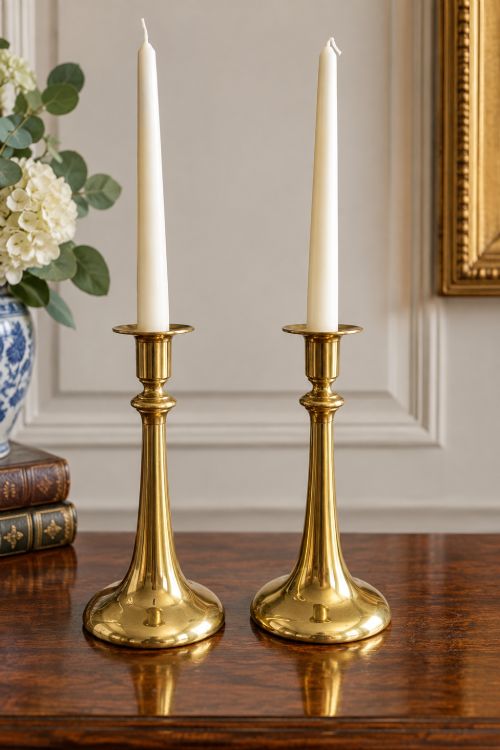
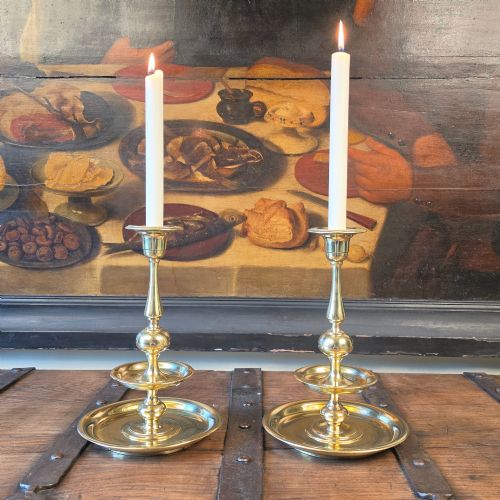
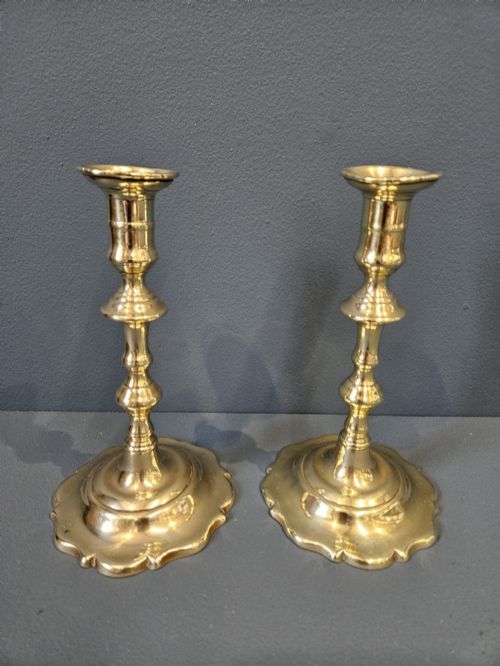
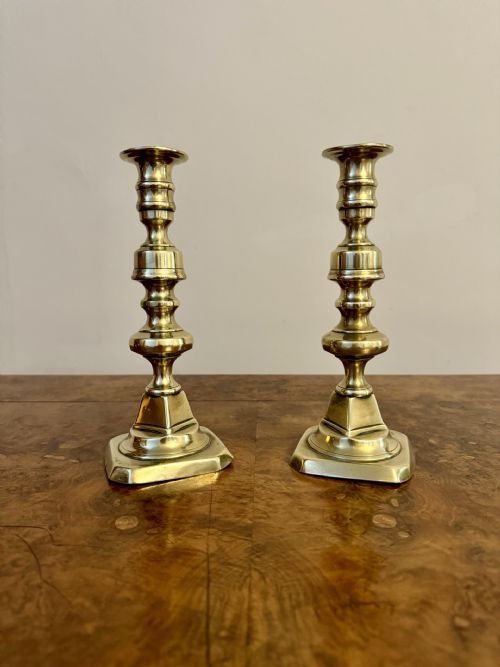
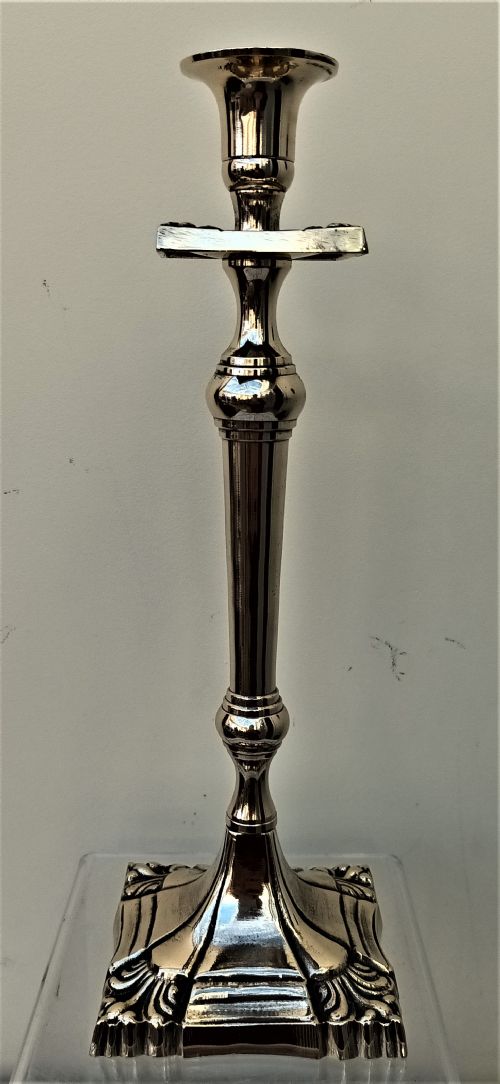
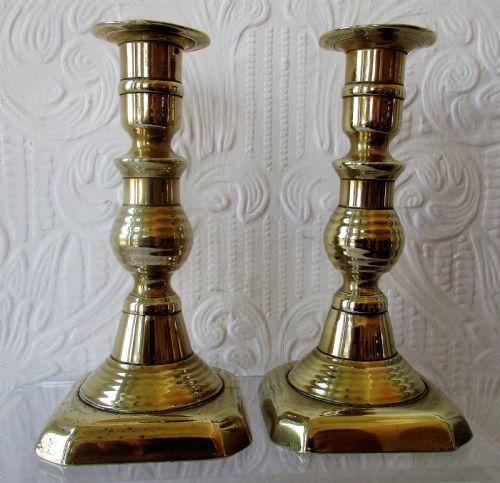
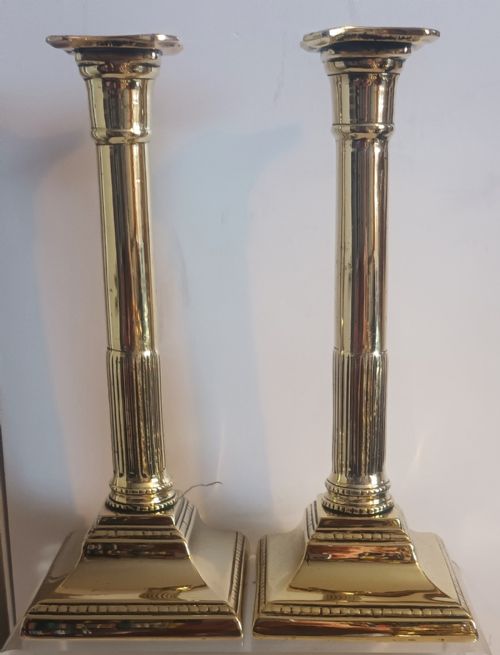
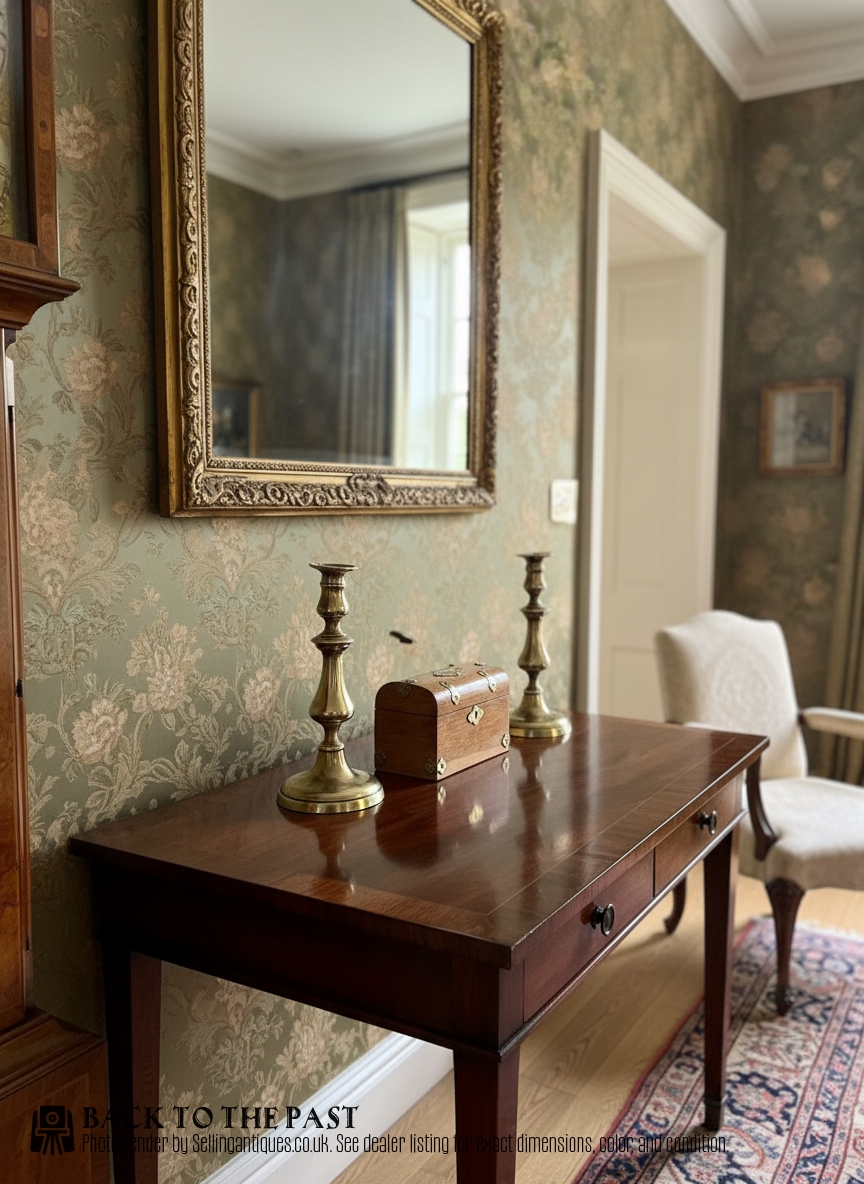
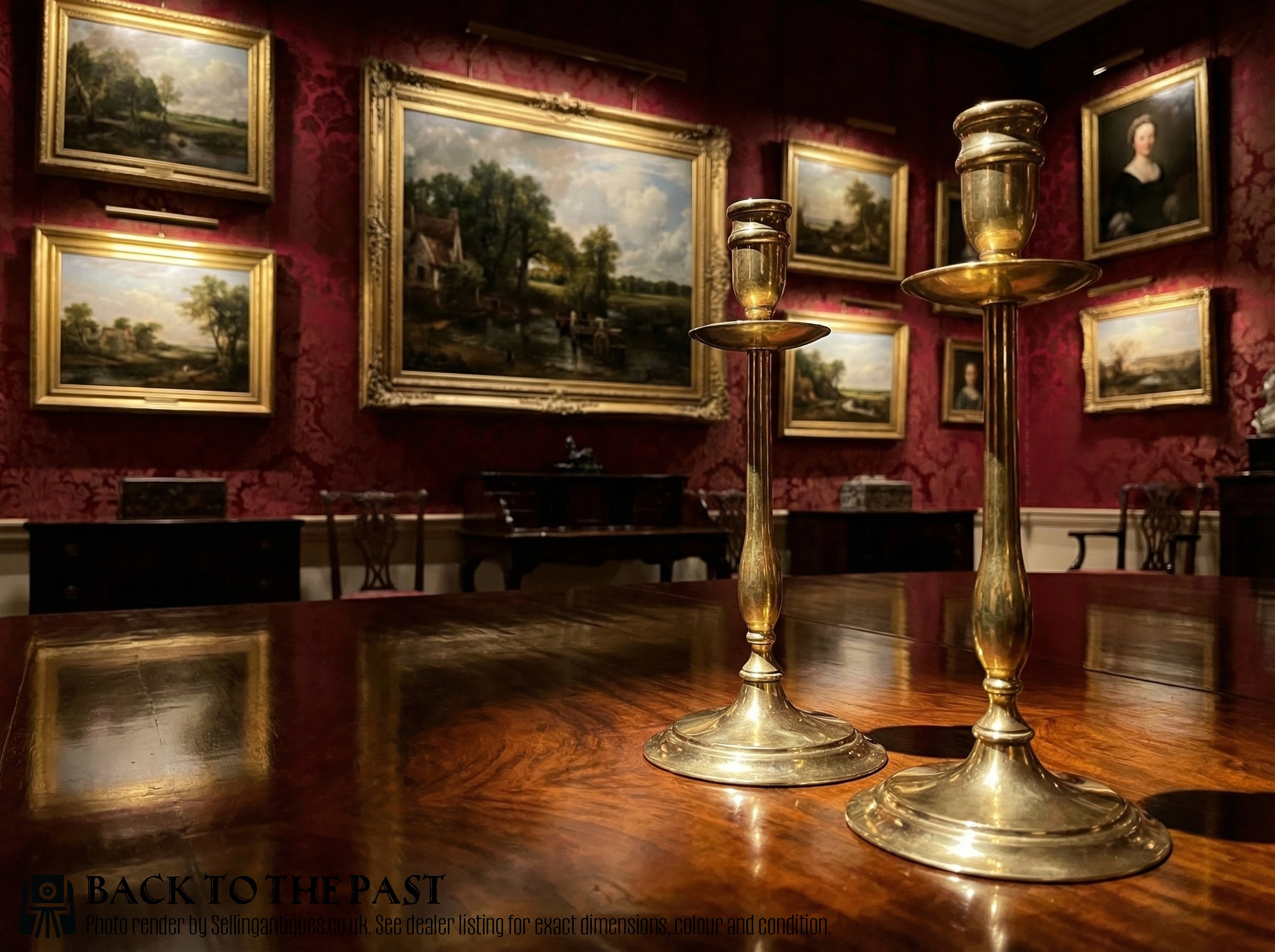
These polished brass candle holders bring warmth and weight to a room, spanning Georgian elegance and Victorian bulk.

Polished Brass Candle Holders
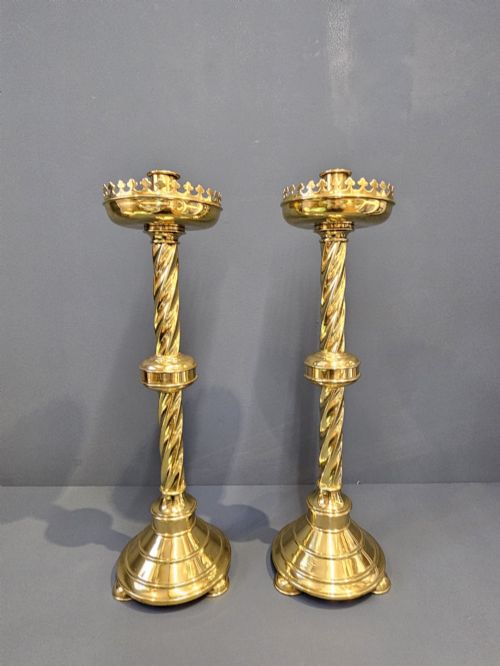
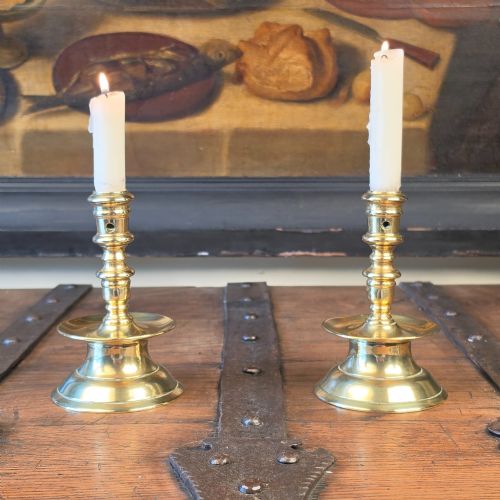
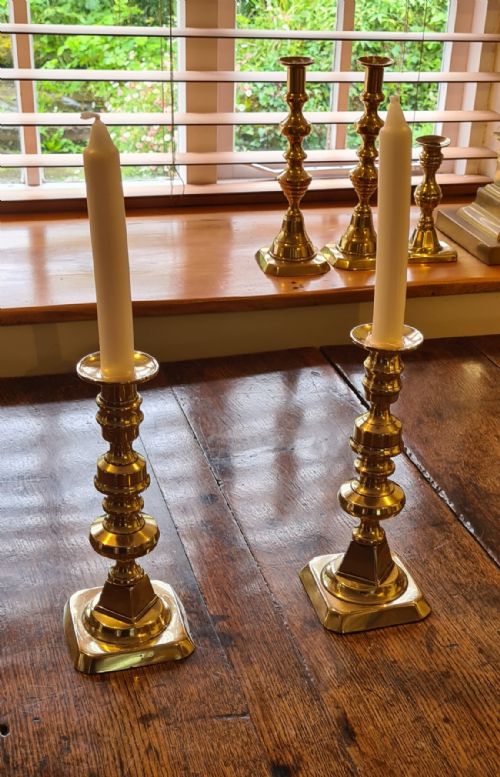
Polished brass candle holders encompass candlesticks, chambersticks, and candelabra designed to support wax illumination. When searching for polished brass candle holders, buyers encounter domestic table lights alongside taller church and floor examples.
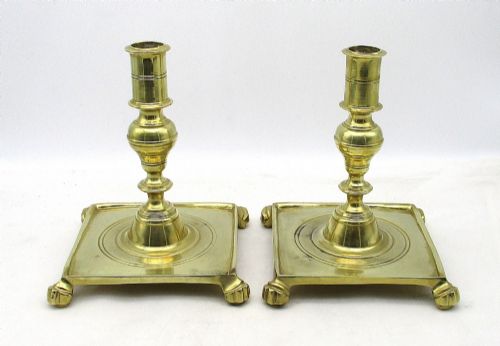
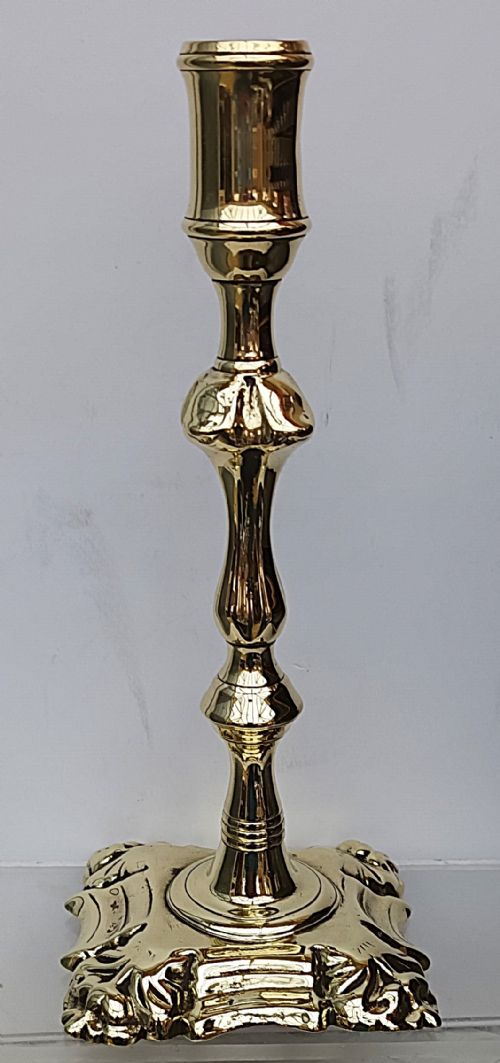
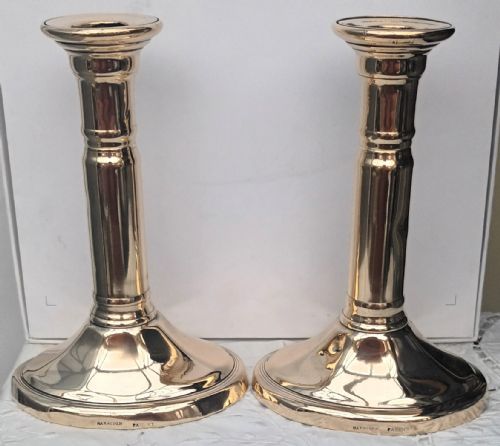
The selection ranges from eighteenth-century Georgian petal bases to nineteenth-century Victorian twists and Edwardian slender forms. Pairs dominate the offerings, matched in height and turnery from periods including the Regency and Arts and Crafts eras.
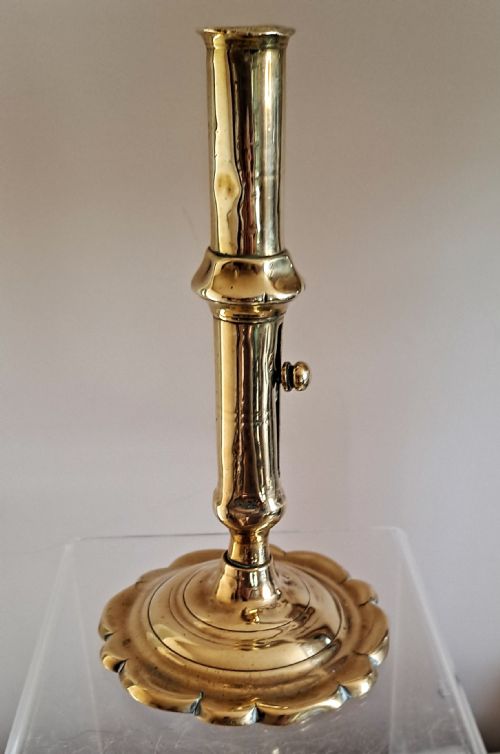
Specialised variations appear among the listings, including ejector mechanisms, telescopic stems, and candle lamps furnished with shades. These functional items reflect the changing interior lighting needs from the eighteenth century into the twentieth century.
How they were made
Makers utilised brass and bronze, occasionally combining iron, hardwood, or enamel components within the construction. Metalworking techniques involved casting sections separately, such as bases and sockets, before joining them together.
Many stems display turned twists or faceted columns shaped on a lathe, whilst bases often utilise a stamped petal or square silhouette. Ejector mechanisms incorporated internal slides operated by side buttons to push out remaining wax remnants.
Surface finishing relied on polishing to bring out the bright golden tone of the alloy, sometimes augmented by patination on older Georgian metalwork. Individual components were threaded or pinned securely to ensure stability for heavy wax candles.
Polished Brass Candle Holders Retail Price Guide 2026
Typical asking prices for polished brass candle holders among the pieces listed under this phrase on Sellingantiques today, from the lower quarter to the upper quarter. They describe what is for sale here now, not the wider market.
Materials extend beyond standard brass to include bronze, iron, enamel, and hardwood highlights on select chambersticks and lamps.
What varies in quality
The weight and gauge of the metal define the substantial feel of a piece, separating heavy castings from lighter utilitarian counterparts. Crispness in the turned mouldings and clean definition on petal or stepped bases indicate superior workshop standards.
Originality of components matters greatly, particularly the presence of matching pairs and functioning mechanical parts like telescopic screws or internal ejectors. The harmony of the proportion between base, stem, and drip pan dictates the overall visual success of the object.
J Miller·Frederick J Smith & Co·Wm Tonks & Sons
The Polished Brass Candle Holders Glossary
- Ejector
- A mechanical device housed inside the stem that pushes the candle stub upward for easy removal. It uses a small exterior slide button connected to an internal disc.
- Petal base
- A moulded foot shape resembling overlapping flower petals, commonly found on Georgian candlesticks. This design provides a wide footprint for stability.
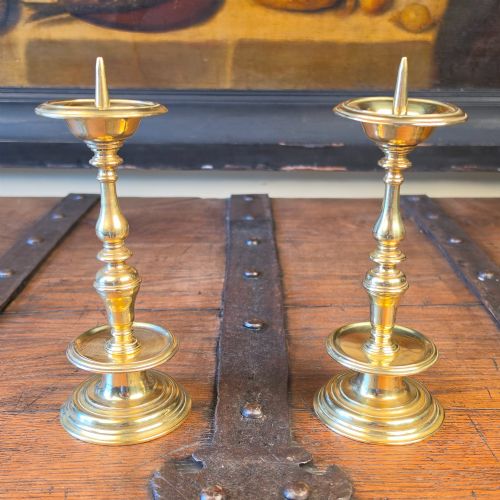
- Pricket
- A sharp spike on top of a candlestick designed to impale and secure large wax candles or church tapers. It eliminates the standard socket cup.
- Chamberstick
- A low portable candle holder fitted with a wide saucer drip tray and a loop handle. It was traditionally carried by hand to light the way through dark hallways.
- Telescopic
- An adjustable stem design allowing the height of the candlestick to extend or contract. The Harrison patent is a well-known example of this mechanism.
Polished Brass Candle Holders: Frequently Asked Questions
How do I identify a Georgian candlestick?
Georgian examples often feature solid brass casting with heavy, stepped, or petal-shaped bases and quiet proportions. The metal tends to show a softer, warmer tone accumulated over centuries.
They rely on simpler turnings compared to the later exuberant Victorian styles. Removable bobeches and cast seam lines on the stems offer further clues to their period of origin.
What is an ejector candlestick?
An ejector candlestick includes an internal sliding mechanism designed to clear out remaining wax stubs. A small side lever moves up and down inside a vertical slot on the stem.
This practical innovation became popular during the nineteenth century. It saved users from digging out melted wax by hand.
How should I clean polished brass?
Polished brass requires gentle wiping with a soft cloth to remove dust and prevent tarnish buildup. Avoid harsh abrasive compounds that scratch the surface or strip away the historical patination.
Regular maintenance preserves the bright reflective quality intended by the maker. Many collectors prefer to leave a mild natural age glow untouched.
Are these candle holders sold in pairs?
Many listings feature matched pairs of candlesticks intended for mantelpieces or dining tables. Single pieces and chambersticks also appear frequently in the inventory.
Pairs maintain identical heights, base designs, and turning patterns. Checking the proportions and casting marks helps confirm they belong together.