

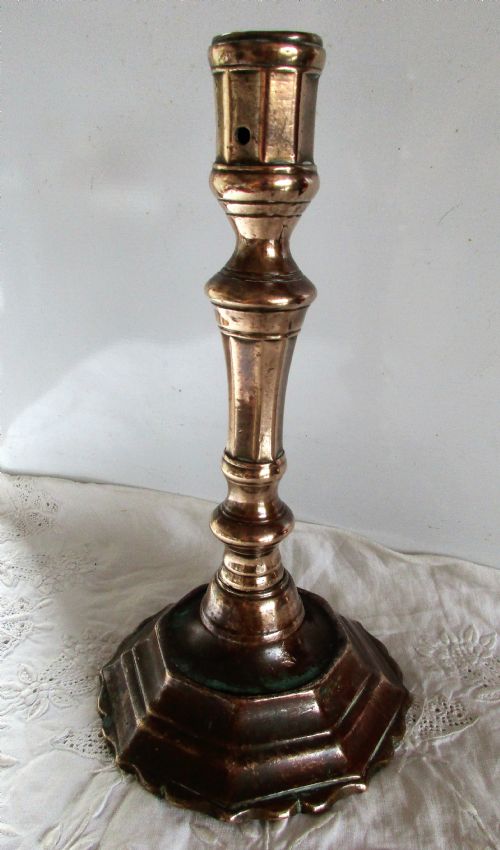
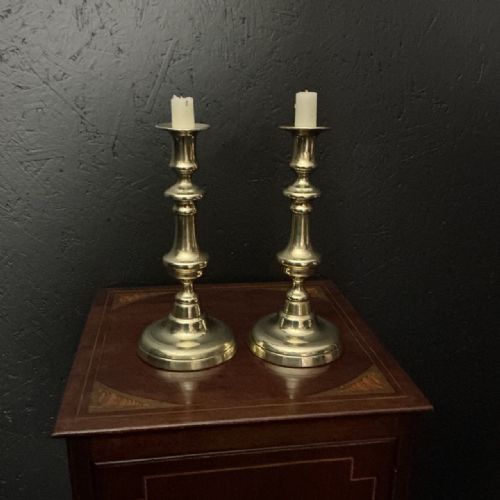


Baluster Stem Brass Candlesticks
Baluster stem brass candlesticks offer robust domestic lighting forms that have survived from the seventeenth, eighteenth and nineteenth centuries.
Baluster Stem Brass Candlesticks
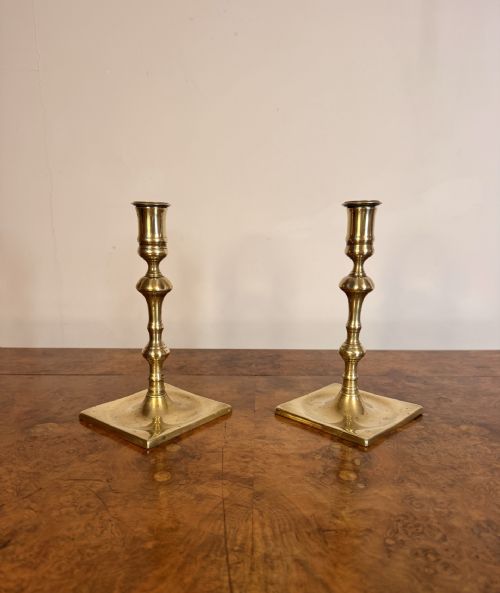
When you search for baluster stem brass candlesticks, you look at solid metal lighting pieces defined by a central swelling profile, often termed a baluster. These domestic objects appear across several distinct historical periods, running from the seventeenth century through the Georgian and Victorian eras.
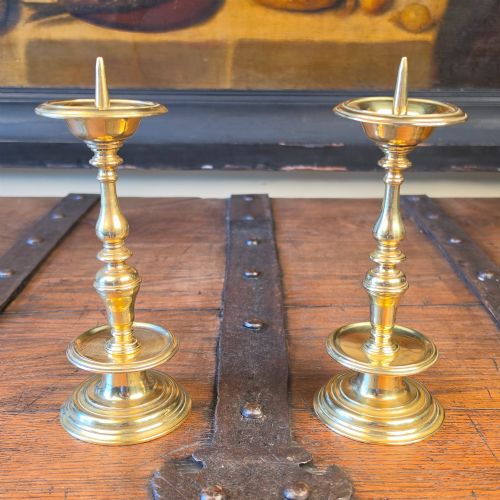
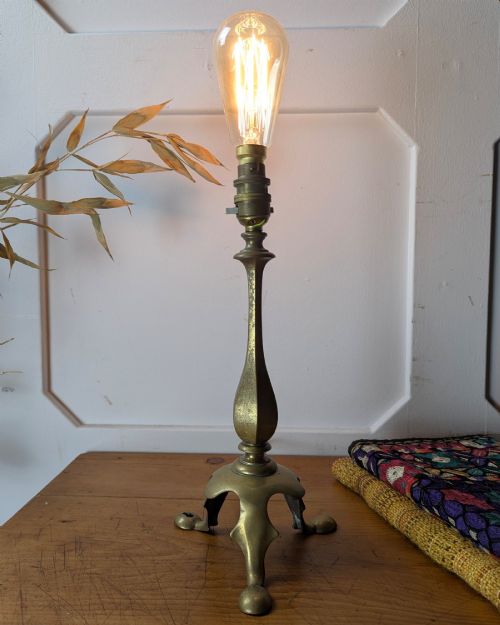
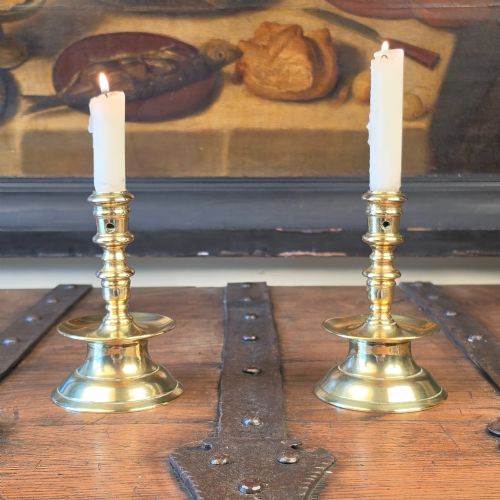
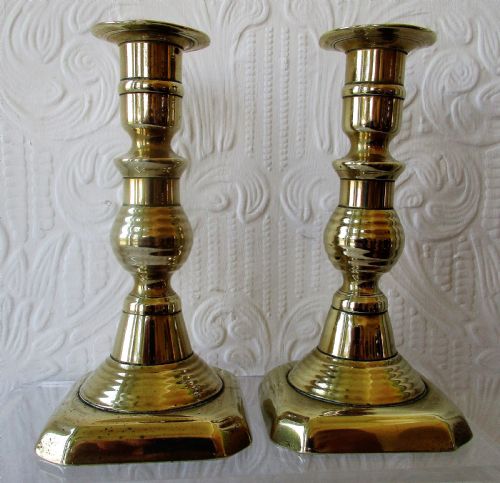
The versions most likely to meet you on this page belong to the eighteenth and nineteenth centuries, alongside revival pieces that imitate earlier seventeenth century designs. Forms vary from simple pairs to single table lamps adapted from hexagonal baluster shapes.
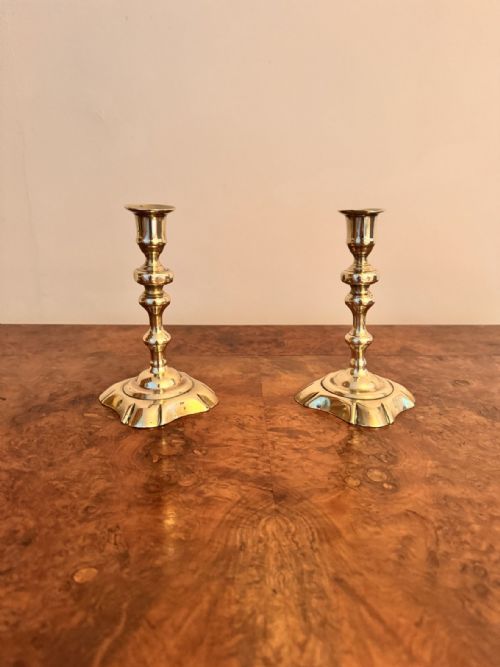
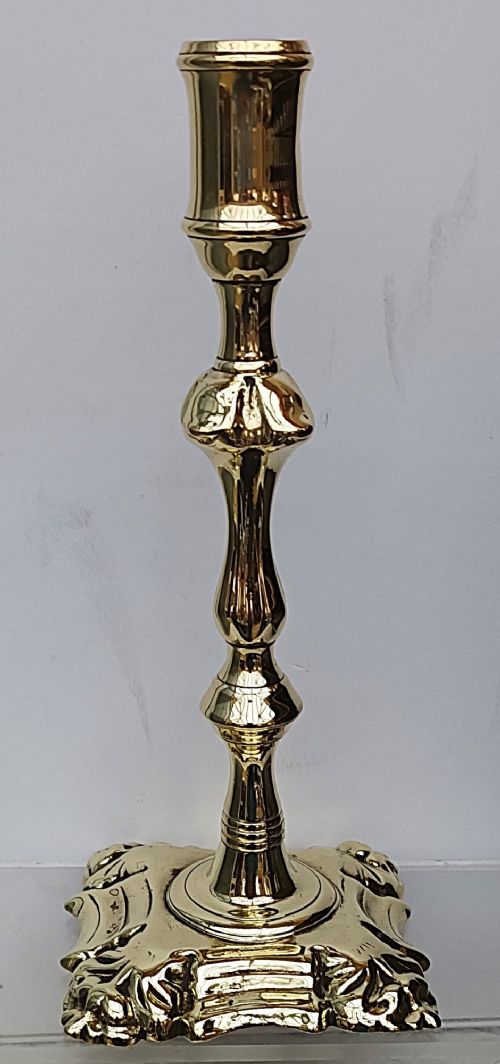
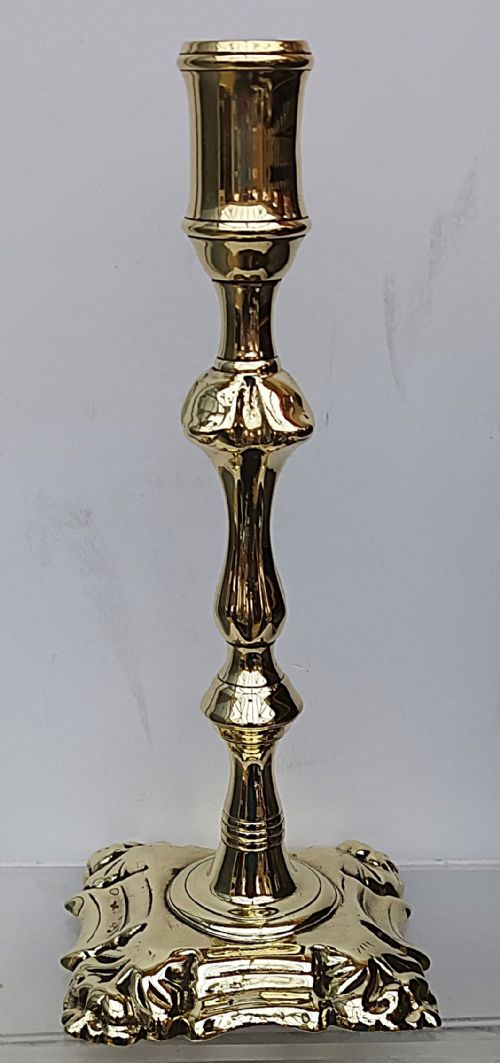
Origin details in the evidence point towards English manufacture, with specific styles ranging from Queen Anne and Georgian to Dutch Baroque and Victorian. Alongside standard candlesticks, you will encounter petal base designs and examples featuring shaped columns.
Materials and Construction
The primary material across these listings is brass, with occasional examples recorded in bronze. Makers utilised cast brass methods to create substantial stems and bases that provided necessary weight and stability for holding burning candles safely.
Construction techniques evolved from early multi-part cast assemblies in the seventeenth and early eighteenth centuries towards later Victorian production methods. Metal was shaped and turned to achieve the characteristic swelling baluster profile and decorative bases.
Baluster Stem Brass Candlesticks Retail Price Guide 2026
Typical asking prices for baluster stem brass candlesticks among the pieces listed under this phrase on Sellingantiques today, from the lower quarter to the upper quarter. They describe what is for sale here now, not the wider market.
A solitary seventeenth century survivor sits quietly among the pairs, wondering where its partner went.
Distinguishing Quality in Brass Lighting
Quality reveals itself through the crispness of the cast turning and the weight of the metal utilised in the stem and base. Earlier seventeenth and eighteenth century pieces display a distinct heft and tactile surface texture compared to later nineteenth century production.
The harmony of proportions between the baluster column, the drip pan or sconce, and the foot dictates the visual success of the piece. Subtle shaping on columns and petal bases separates standard utilitarian items from finer examples.
The Baluster Stem Brass Candlesticks Glossary
- Baluster
- A vertical architectural form with a swelling lower portion that tapers towards the top. This profile forms the central column of the candlesticks.
- Petal base
- A foot shaped to resemble overlapping flower petals, frequently seen on early eighteenth century examples. This decorative base adds both stability and visual interest.
- Heemskerk candlestick
- A distinct seventeenth century lighting form characterised by a bell-shaped foot and a central drip pan. These early examples represent significant collector interest.
- Sconce
- The socket at the top of the candlestick designed to hold the candle in place. It catches melting wax during use.
Baluster Stem Brass Candlesticks: Frequently Asked Questions
How do I clean brass candlesticks?
Clean these metal pieces gently with a soft cloth to remove dust and preserve the aged surface patination built up over centuries. Avoid harsh chemical cleaners that strip the historic character from the brass.
Allow the natural metal to retain its warm tone rather than polishing it to a bright modern shine. Proper care protects the underlying material integrity.
Are these candlesticks safe to use?
These historical lighting pieces function well with standard taper candles provided they sit upright on a stable, level surface. Ensure the candle diameter matches the socket width securely.
Keep burning candles away from draughts and flammable materials during use. Extinguish the flame before the wax burns down near the metal sconce.
How can I tell the age of a candlestick?
Examine the construction methods, base shape, and wear patterns visible on the brass surface. Seventeenth and early eighteenth century examples often feature heavier castings and distinct stylistic footprints like hexagonal or petal bases.
Later Victorian and revival pieces display different manufacturing marks and proportions associated with nineteenth century production. Comparing the form against dated examples helps narrow the period.
What is a baluster stem?
A baluster stem is a turned column that swells outward near the lower section before tapering upward towards the candle socket. This architectural shape provides a sturdy grip and visual balance.
Found across various centuries, this profile remains a defining characteristic of traditional brass lighting design. The exact contour varies from subtle curves to pronounced geometric steps.