
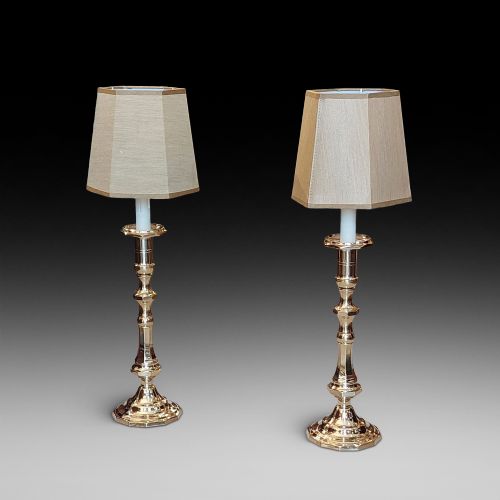
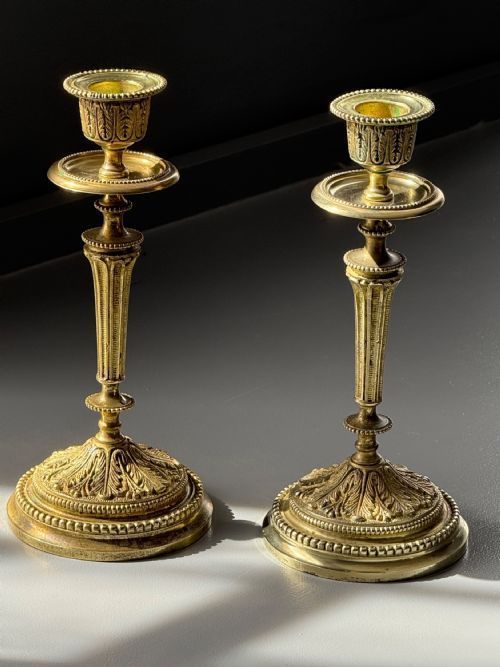
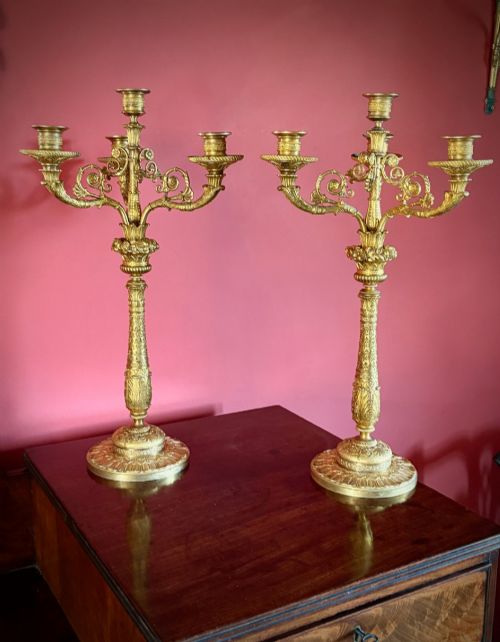
Pair Brass Candlesticks
These pair antique brass candlesticks range from Georgian household lighting to ornate Victorian church altars, offering heavy cast metal and rich period character.
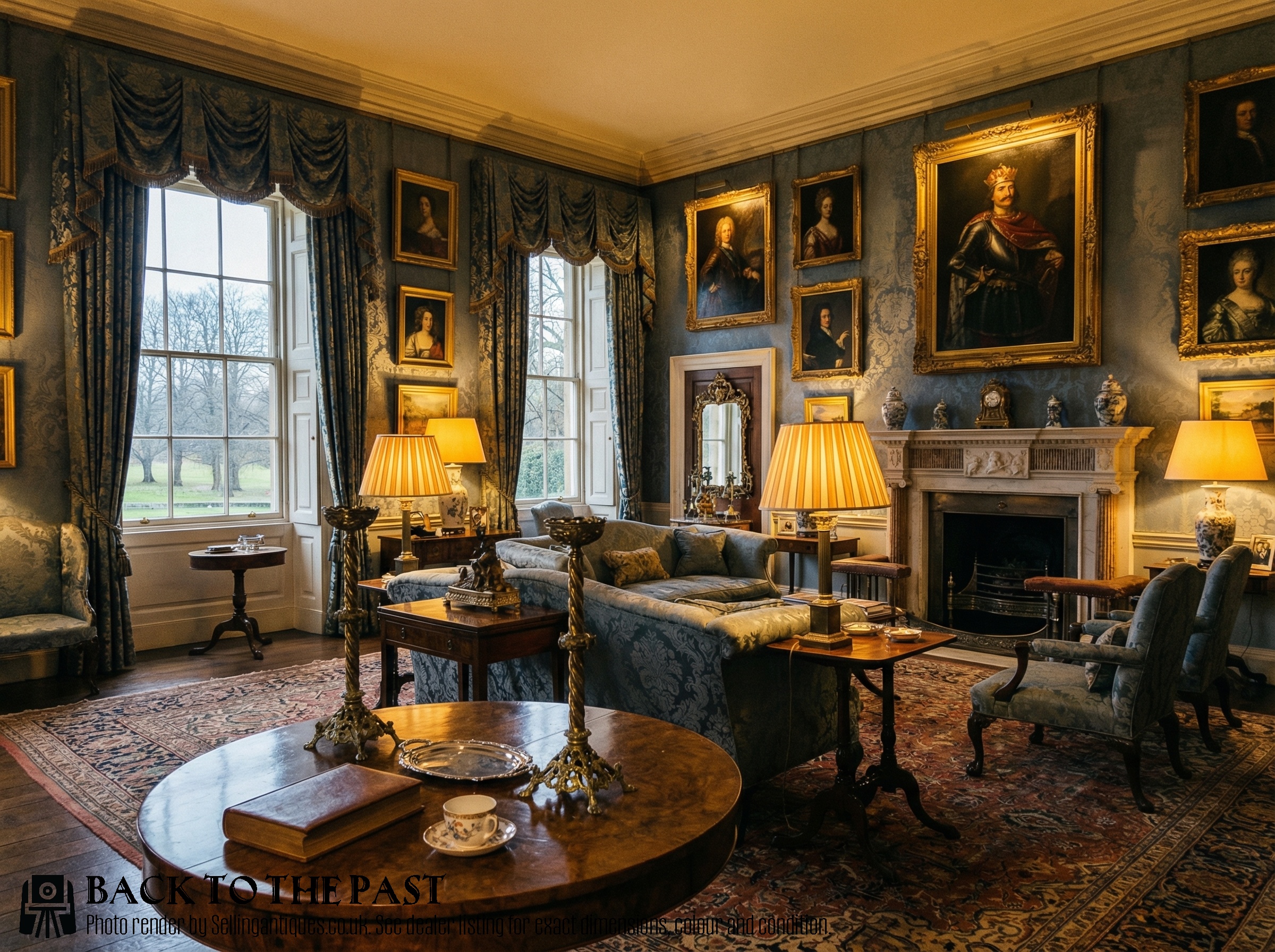
What pair antique brass candlesticks are
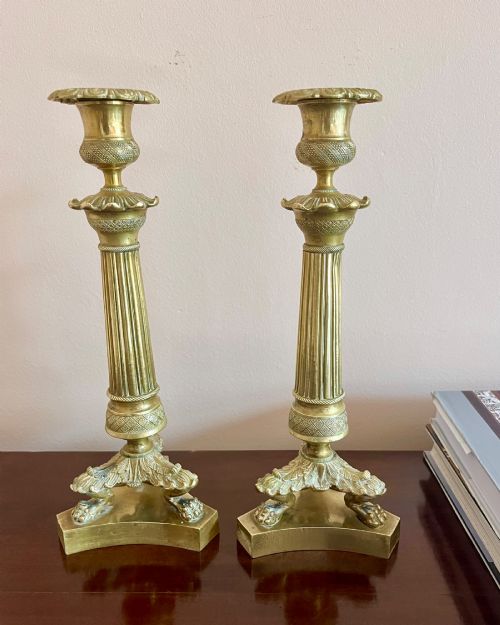
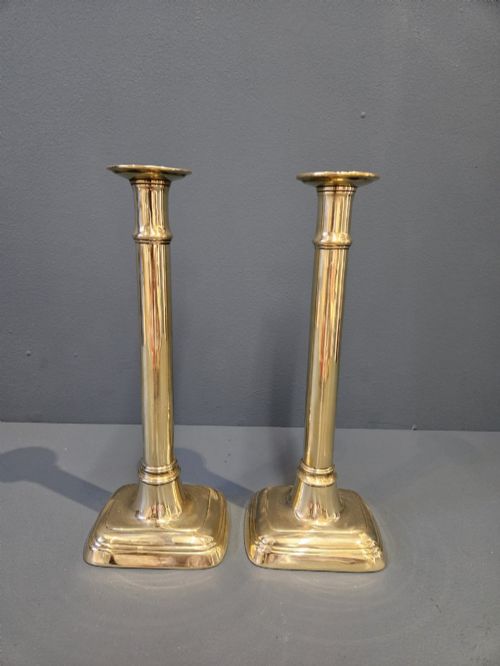
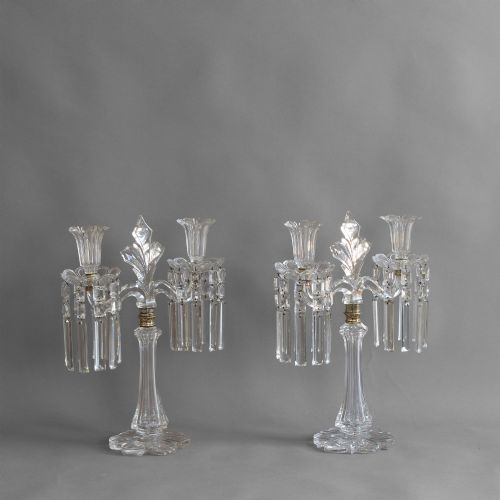
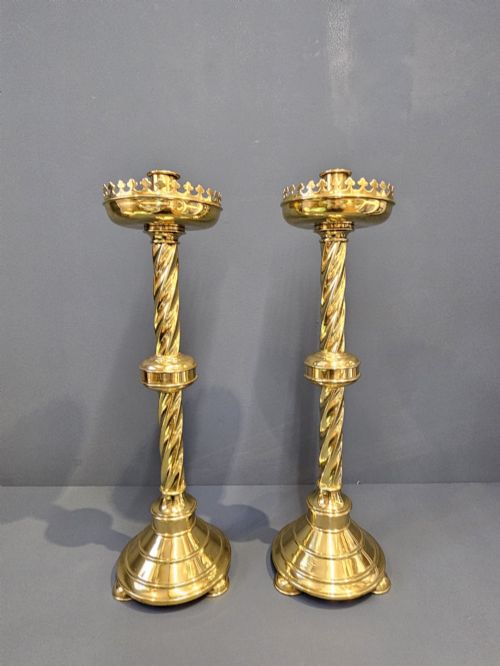
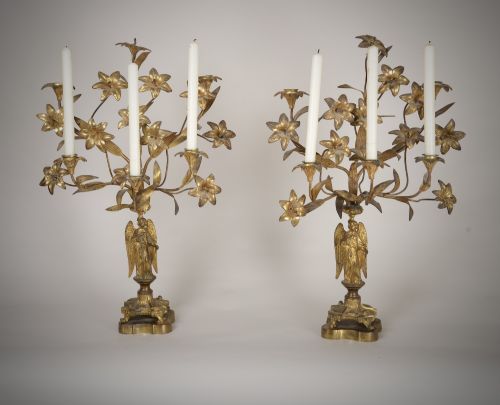
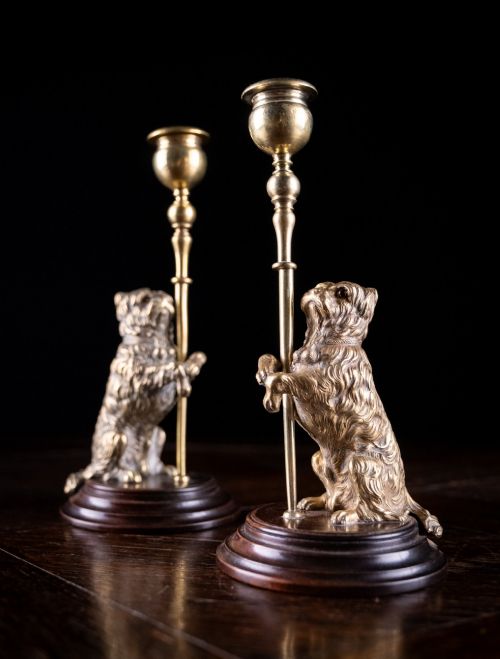
Pair antique brass candlesticks encompass dual lighting devices designed for domestic rooms, formal reception spaces, and ecclesiastical settings alike. Buyers exploring this category encounter everything from simple mid-eighteenth-century domestic forms to heavy Victorian church altars.
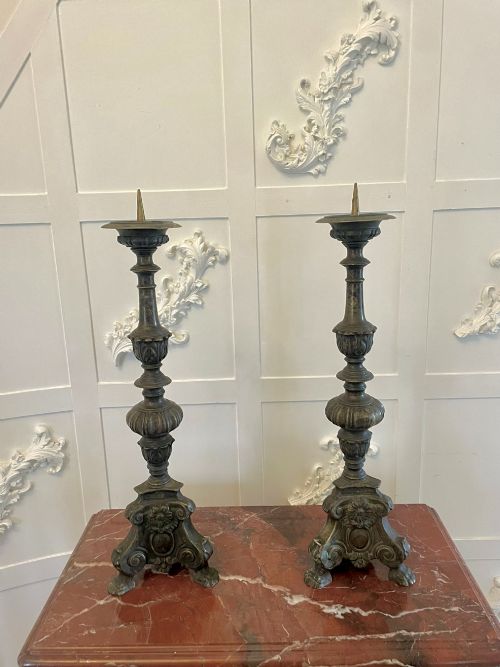
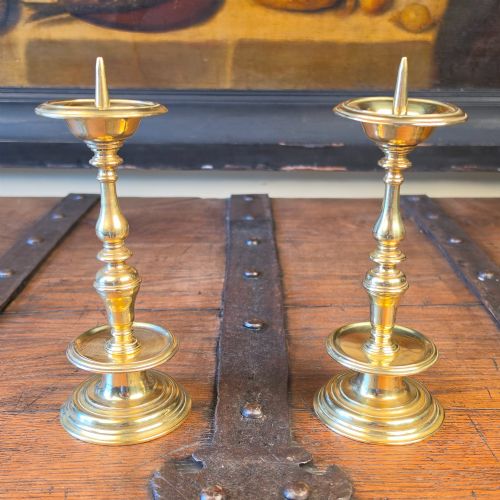
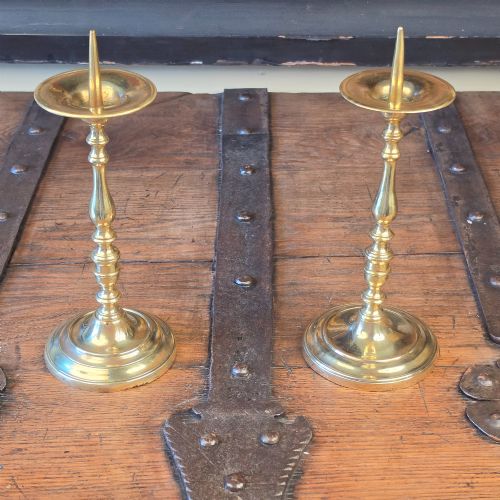
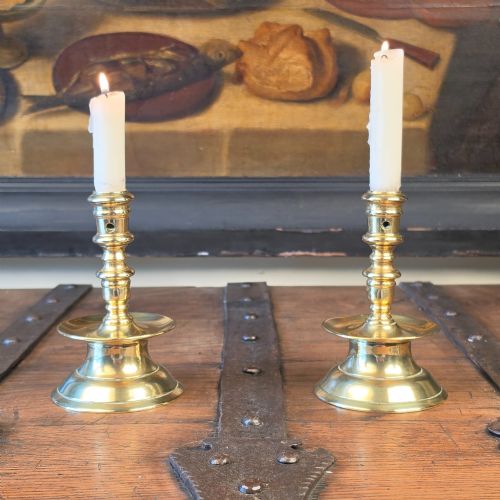
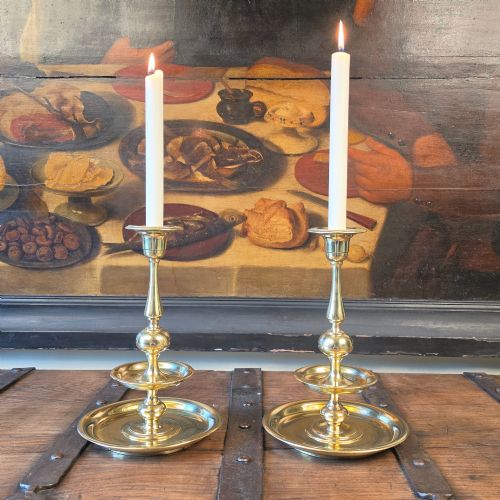
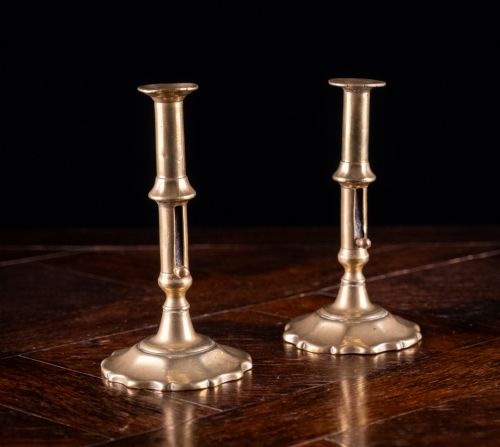
The domestic varieties include petal base designs, ejector mechanisms for clearing spent wax, deep sconces, and tray bases to catch drips. Larger examples often feature pricket spikes for holding pillar candles or incorporate oak and barley twist shafts alongside the metal components.
Victorian pieces dominate the selection, bringing substantial scale, Gothic Revival aesthetics, and stamped maker details such as the Queen of Diamonds. Earlier eighteenth-century iterations offer restrained Georgian proportions and seamed construction methods that reflect domestic habits of past centuries.
What varies in quality
Quality rests primarily in the crispness of the casting detail and the integrity of the original construction methods. Early seamed candlesticks and heavy cast Victorian church pieces show superior metal density compared to lighter, mass-produced domestic alternatives.
The retention of original patination, matching pairs with minimal wear to the sconces, and the presence of working ejector mechanisms separate standard examples from finer collector pieces. Details like stamped maker marks or combined materials such as oak bases elevate specific items.
Retail Price Guide 2026
Typical UK retail prices for pair brass candlesticks, calculated from the Sellingantiques database of over a million retail prices indexed since 2003. This retail price guide relies exclusively on Sellingantiques data; no external sources or auction records are used, so the figures do not describe the wider market.
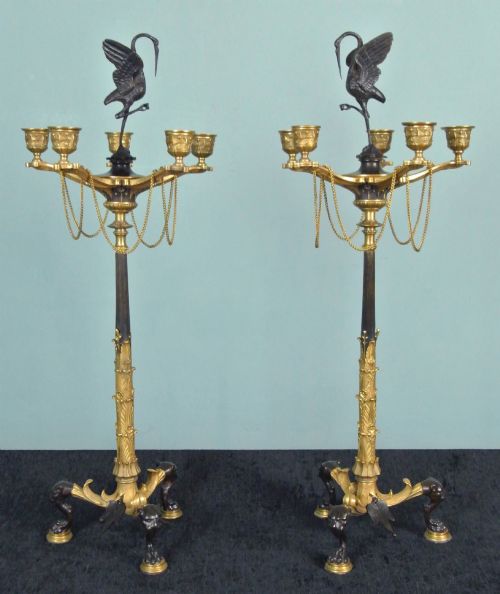
Materials recorded across the archive include cast brass, gilt bronze, ormolu, and turned oak.
T Thomason And Co
The Pair Brass Candlesticks Glossary
- Ejector candlestick
- A domestic design featuring an internal push-rod mechanism to lift out remaining candle stubs. This clever device made cleaning hardened wax from the sconce much simpler.
- Pricket
- A sharp metal spike atop a candlestick designed to impale and secure large pillar candles. These are frequently found on heavy altar and church pieces.
- Sconce
- The upper cup or socket portion of a candlestick that holds the base of the candle. Deep sconces provided extra security for tapers in drafty rooms.
- Ormolu
- Finely ground high-carat gold mercury-gilded onto a bronze base metal. This technique created rich, durable decorative surfaces on French and revival pieces.
- Petal base
- A candlestick foot cast in lobed, overlapping curves resembling flower petals. This decorative form gained popularity during the eighteenth century.
Frequently Asked Questions
How do I clean antique brass safely?
Dust the surface gently with a soft dry cloth to remove loose particles without disturbing the underlying oxidation. Avoid harsh commercial dips that strip away historical patination.
Apply a conservative amount of specialist wax polish if protection is necessary, buffing lightly by hand. Preserving the dark age-tones maintains both historical integrity and visual depth.
Were these always sold in pairs?
Lighting accessories of this type were manufactured and purchased as balanced sets to flank mirrors, mantelpieces, and dining tables symmetrically. Surviving pairs reflect the original domestic arrangement of formal rooms.
Matching pairs command stronger collector interest because single survivors often lost their counterparts over centuries of household redistribution. Uniform casting details confirm whether the two pieces originated from the same workshop run.
How do I date an antique brass candlestick?
Examine the construction joints, base shape, and manufacturing marks to determine the likely era of production. Eighteenth-century examples often display seamed construction and simple petal or square bases.
Victorian pieces tend to be heavier, incorporating Gothic Revival motifs, oak stems, or stamped registry marks. Comparing the weight and stylistic proportions against dated archive examples clarifies the timeline.
What is a pricket candlestick used for?
Pricket candlesticks feature an upright metal spike instead of a traditional socket to secure large wax pillars. This design originated primarily for ecclesiastical use on church altars.
The spike held thick candles steady during long services where standard sockets proved inadequate. Domestic Victorian makers later adopted this form for decorative Gothic Revival interiors.