


Neoclassical Bronze Candlesticks
Neoclassical bronze candlesticks combine classical architectural forms with disciplined metalwork to illuminate formal rooms.

Neoclassical Bronze Candlesticks
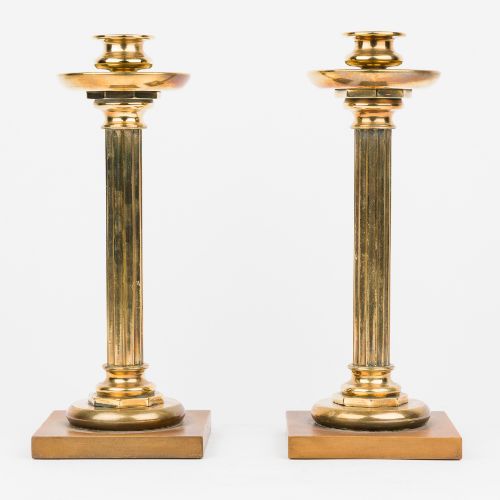
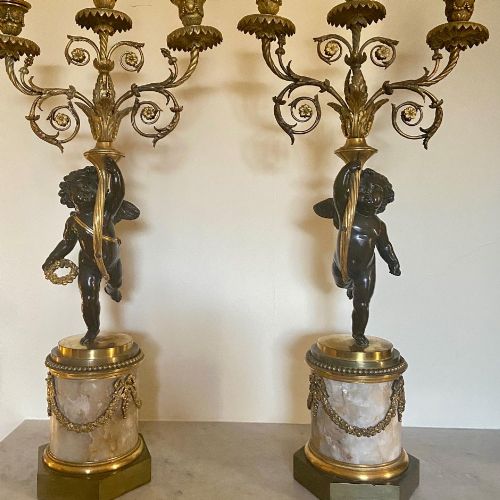
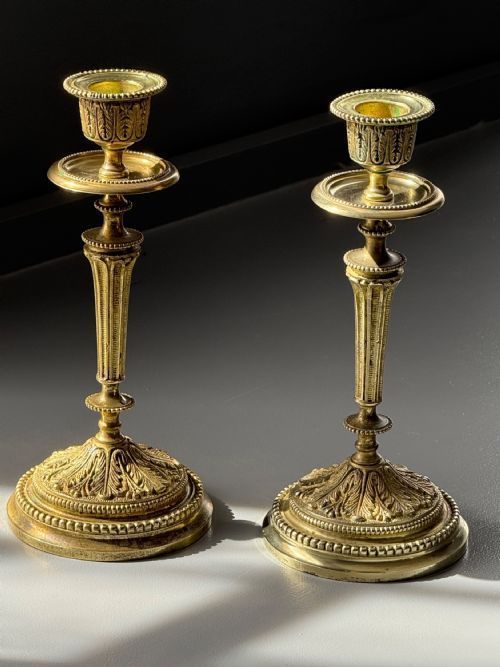
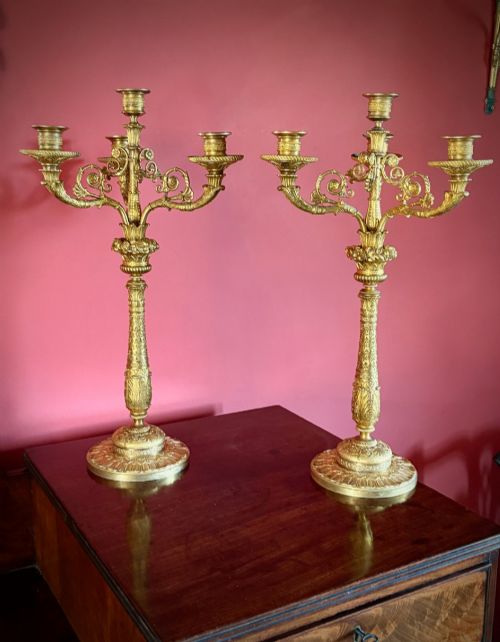
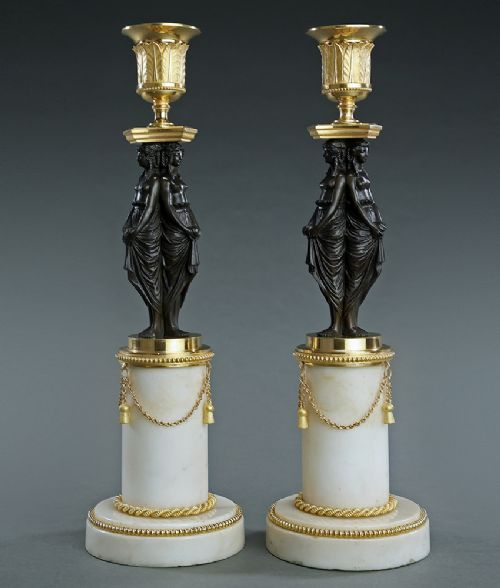
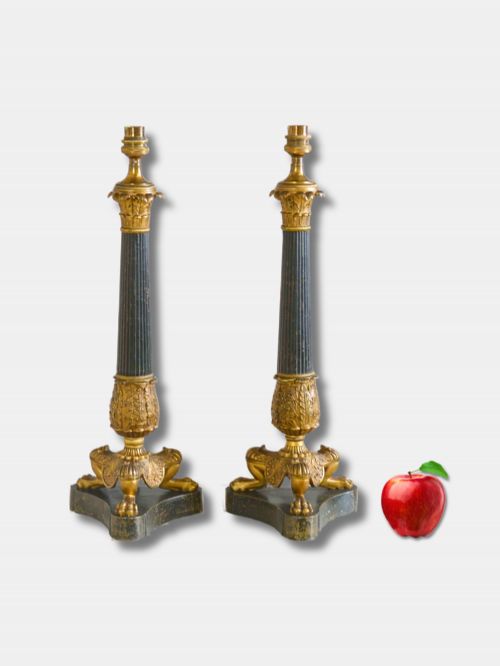
Neoclassical bronze candlesticks draw on Greco-Roman motifs, frequently appearing as pairs cast with columns, caryatids, or putti.
Buyers meet examples spanning the eighteenth and nineteenth centuries, including French Empire, Regency, and Louis XVI styles.
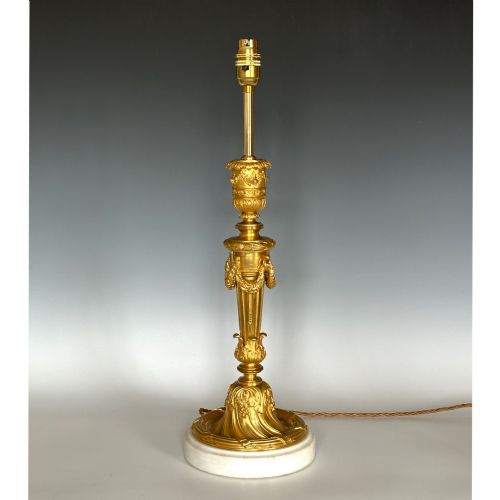
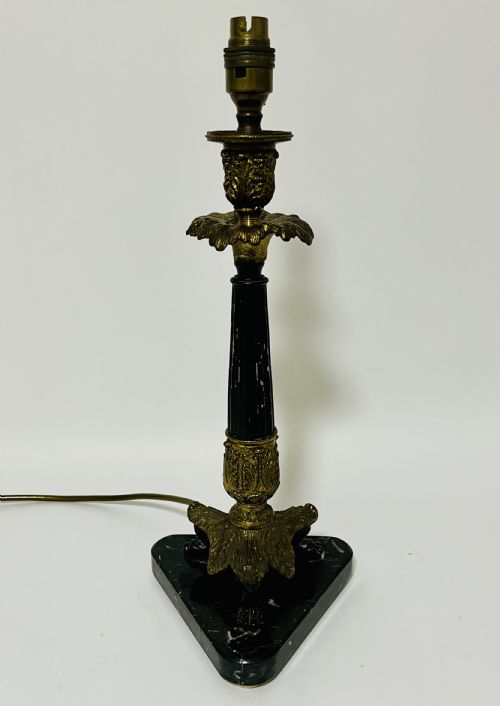
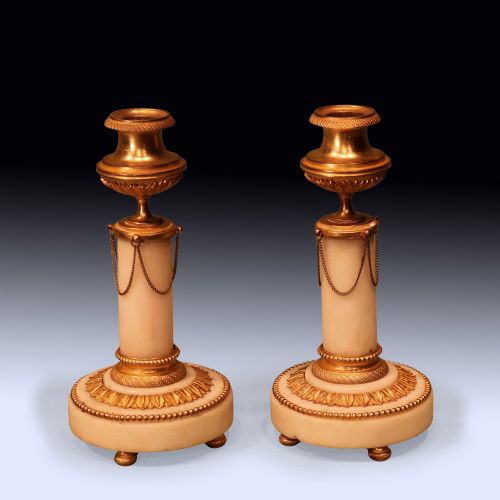
Many survivors sit upon white marble or sienna marble plinths, occasionally adapted later into table lamps.

Materials and Casting
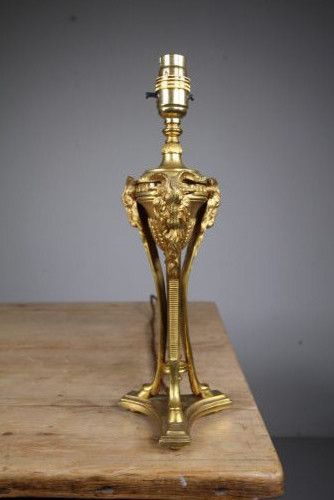
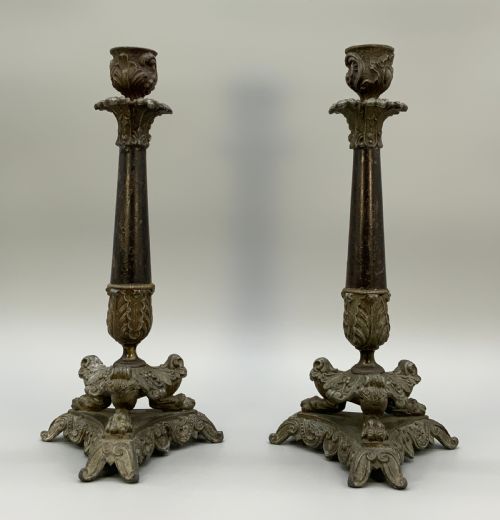
Foundries utilised bronze, patinated bronze, and brass, combining cast elements with mercury gilding to produce ormolu highlights.
Mounts and figures integrate marble bases, fluorspar, and slate, fixed together with threaded pins and internal bolts.
Neoclassical Bronze Candlesticks Retail Price Guide 2026
Typical asking prices for neoclassical bronze candlesticks among the pieces listed under this phrase on Sellingantiques today, from the lower quarter to the upper quarter. They describe what is for sale here now, not the wider market.
Materials recorded across the inventory include ormolu, patinated bronze, white marble, sienna marble, and slate.
Quality and Detail
Weight and metal density indicate the quality of the original casting, alongside the crispness retained in mercury-gilded surfaces.
Francois Redmond·Claude Clodion·Thomas Hope
The Neoclassical Bronze Candlesticks Glossary
- Ormolu
- Gilt bronze produced by applying a mercury and gold amalgam to bronze and heating it until the mercury vaporised. This technique creates a durable golden finish characteristic of French luxury items.
- Patination
- The surface coloration developed naturally over time or applied chemically to bronze. It provides contrast against bright gilt mounts.
- Caryatid
- A sculpted female figure serving as an architectural support. These appear frequently as the central shafts of classical candlesticks.
- Grand Tour
- Eighteenth and nineteenth-century travels through Europe undertaken by young gentry to collect antiquities and classical souvenirs. Many bronze figures and candlesticks originate from this context.
Neoclassical Bronze Candlesticks: Frequently Asked Questions
How do I clean neoclassical bronze candlesticks?
Dust surfaces gently with a soft dry brush to protect patinated areas and gilt mounts. Avoid commercial metal polishes that strip historical finishes.
Water and harsh detergents damage organic components like marble bases and fabric shades. Professional conservation is advised for heavily tarnished or fragile pieces.
Were these candlesticks converted to lamps?
Many period candlesticks underwent conversion during the twentieth century to accommodate electrical wiring. This process sometimes involved drilling through the original metal stem.
Buyers should examine the underside and central column for signs of alteration. Unconverted pairs remain sought after by traditional collectors.
How do I date a bronze candlestick?
Dating relies on stylistic markers, casting techniques, and assembly methods visible beneath the base. Eighteenth-century models display hand-filed components and pegged construction.
Nineteenth-century reproductions and later adaptations often utilise machine-cut threads and standardised fasteners. Comparing proportions to known design drawings helps confirm the period.
What is the difference between Empire and Regency styles?
Empire pieces originate from Napoleonic France, emphasising military triumphs, heavy ormolu, and Roman grandeur. Regency examples reflect British interpretations influenced by similar classical sources.
Regency design frequently incorporates lighter patinated bronze contrasts and distinct maritime or Egyptian motifs. Both styles share a common neoclassical foundation.