

Pair Brass Candle Stands
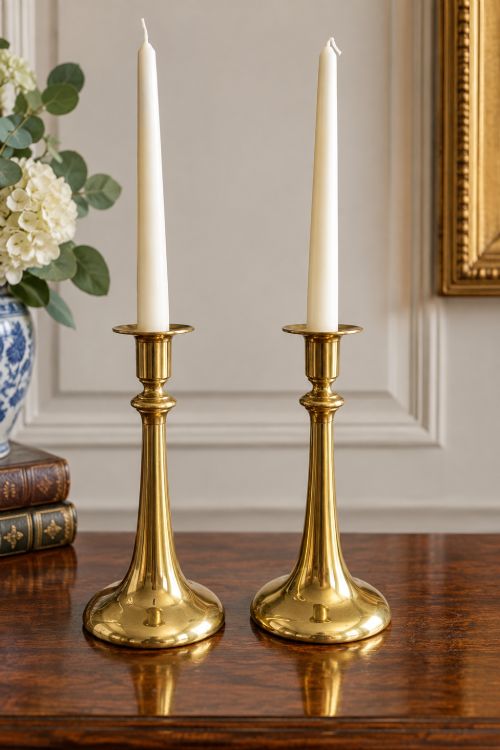
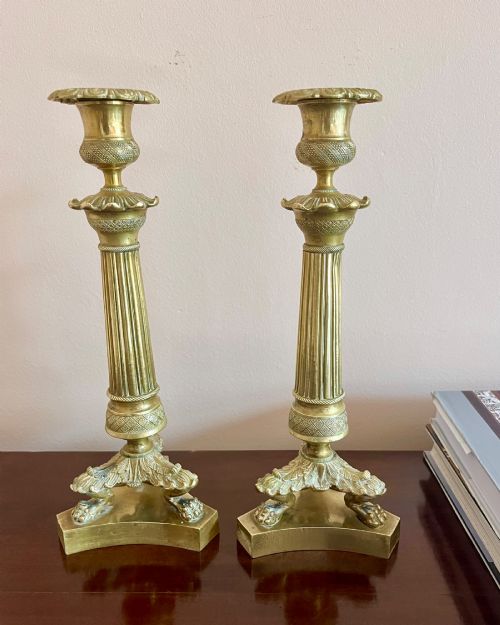
These pair brass candle stands bring period illumination and decorative weight to a room, ranging from simple domestic ejectors to elaborate French ormolu pieces.
Pair Brass Candle Stands
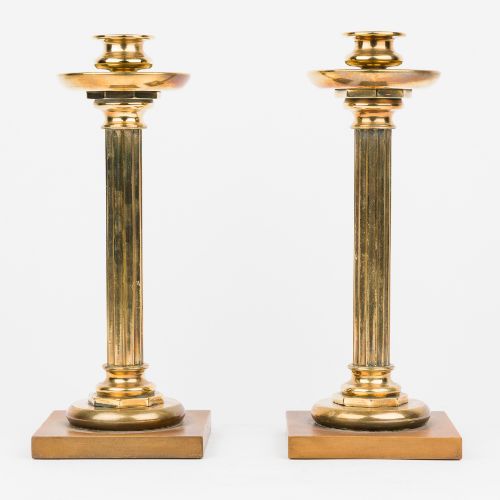
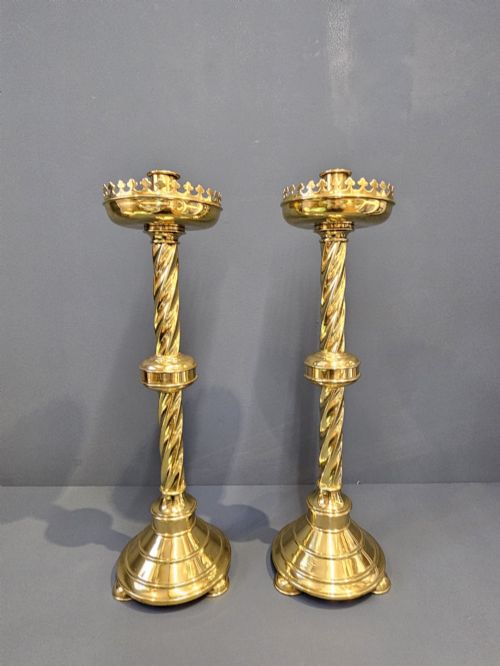
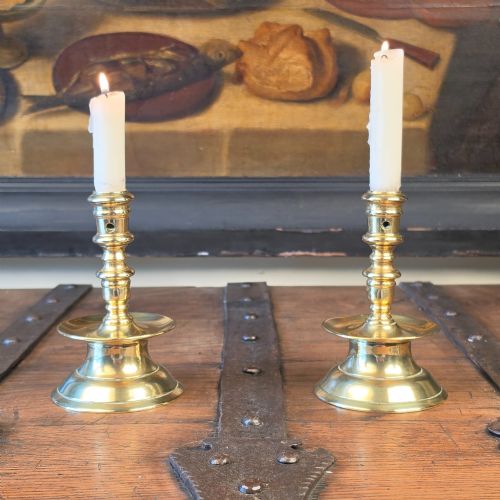
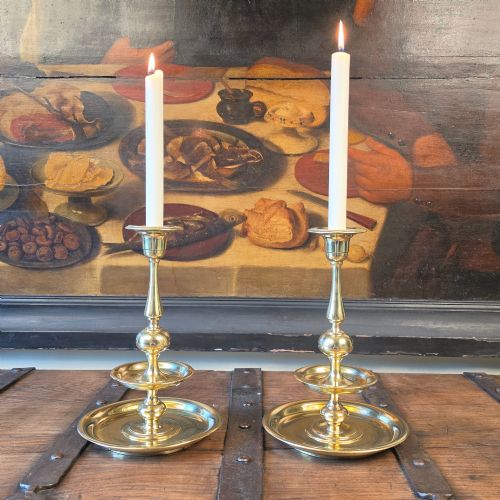
When you search for pair brass candle stands, you encounter domestic items, ecclesiastical church furnishings, and sculptural mantel ornaments created across several centuries. The selections span simple Georgian seamed designs, heavy Victorian church prickets, and decorative Arts and Crafts productions.
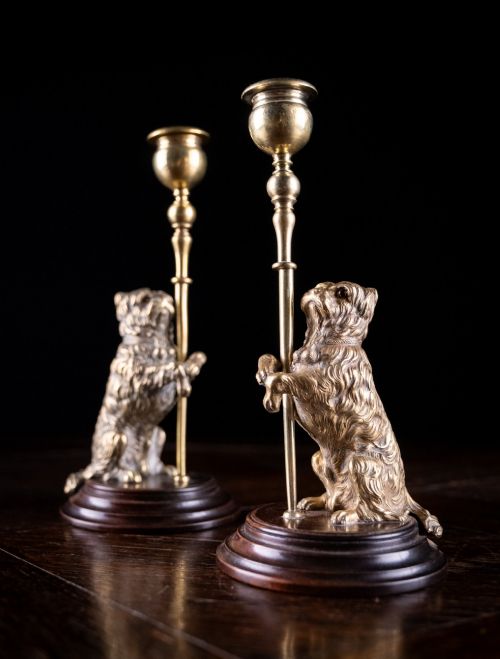
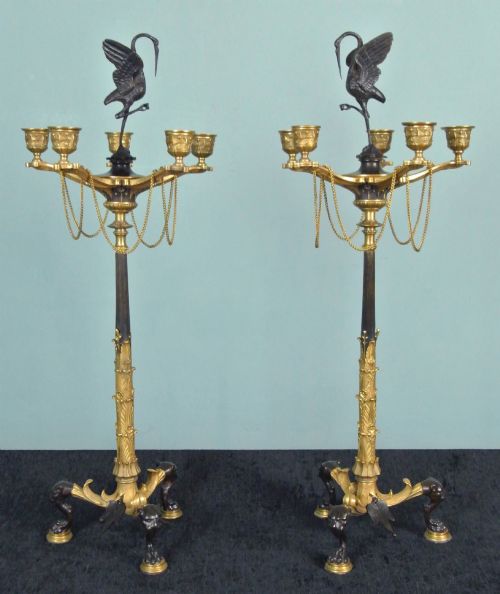
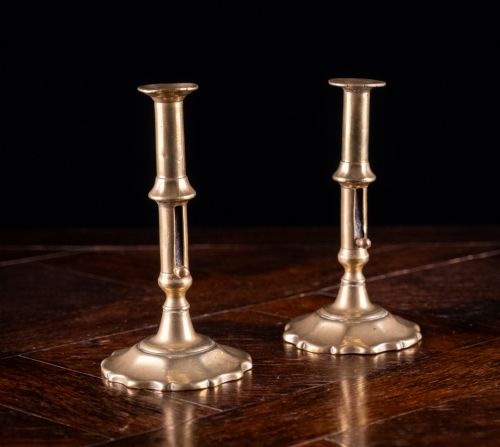
The domestic forms include tall ejector sticks designed to push out spent wax, alongside adjustable student lights and playful figural depictions of animals and historical figures. More formal examples incorporate multi-arm candelabra and architectural revival styles intended for prominent display.
Most items you meet belong to the nineteenth and early twentieth centuries, drawing on earlier Georgian, Regency, Louis XVI, and Gothic aesthetics. These domestic and ecclesiastical pairs provide balanced symmetry for a sideboard, mantelpiece, or dining table.
How they were made
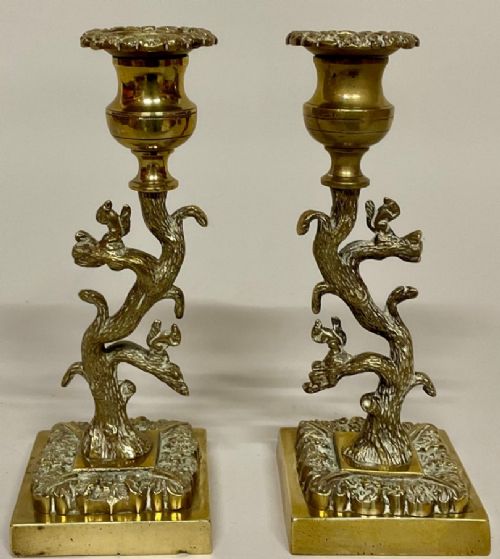
Makers utilised casting techniques, pouring molten brass, bronze, or gilt bronze into moulds to achieve intricate decorative forms, foliage, and figural details. Many eighteenth and nineteenth century domestic examples rely on seamed construction, joining separately cast components together.
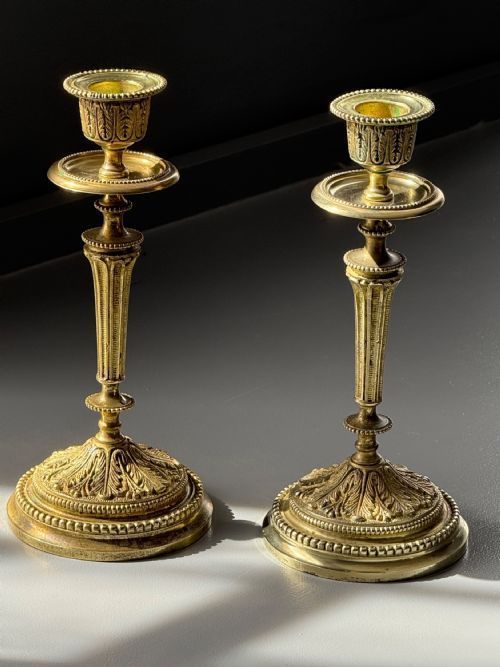
Surface finish varied through polishing, patination, and mercury gilding to create ormolu effects on bronze and brass foundations. Artisans also incorporated decorative inserts such as champleve enamel, onyx, and white marble into the metal framework.
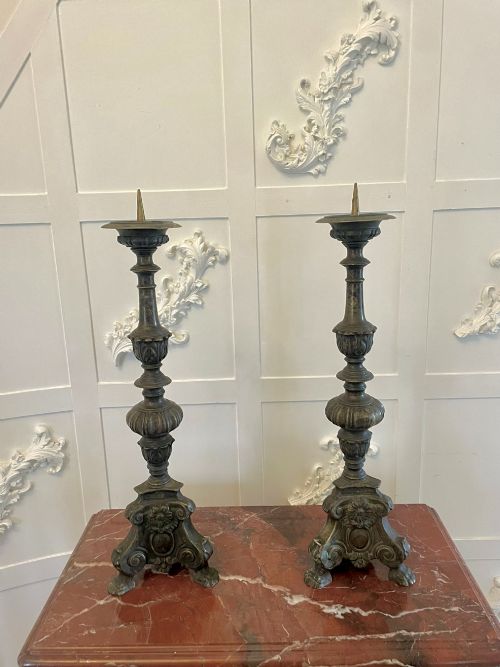
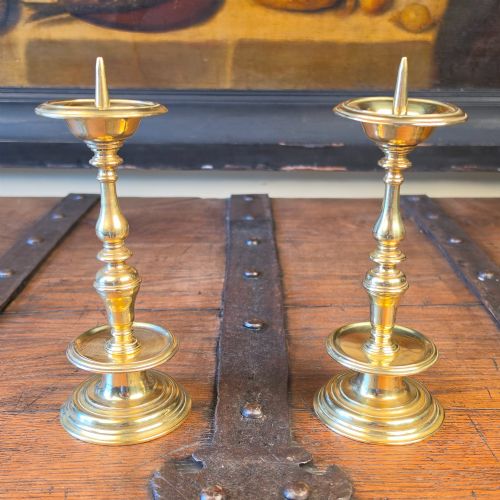
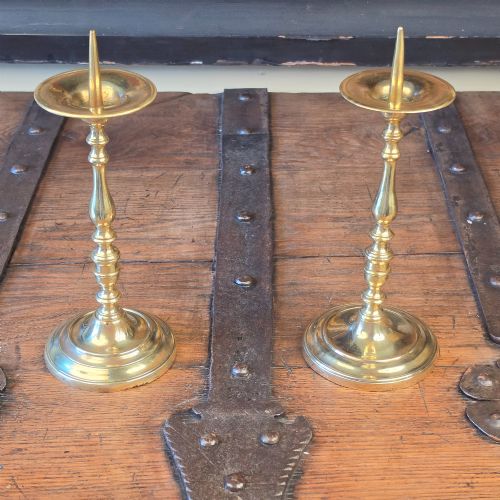
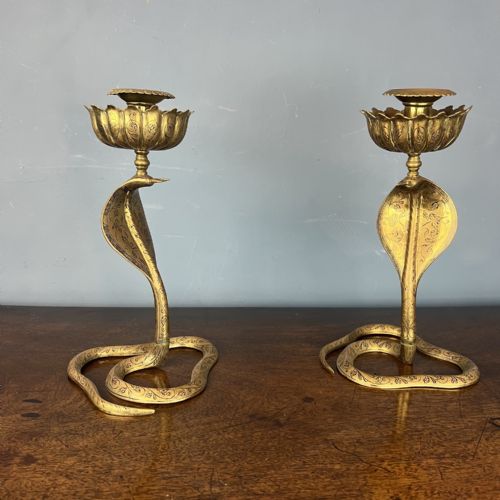
Later pieces from the Arts and Crafts and modernist movements combined brass with copper or utilised hand-beaten textures rather than high-gloss polished surfaces. Pricket designs incorporated central spikes to secure large altar candles.
Listings demonstrate a broad span of periods, ranging from mid eighteenth-century Georgian seamed designs to early twentieth-century Arts and Crafts copper and brass pairings.
What varies in quality
Quality rests in the crispness of the casting and the weight of the metal utilised in the construction. Superior pairs exhibit sharp detail in sculptural figures, acanthus leaves, and cast mouldings without softness or blurring.
The integrity of the original components determines the standing of a pair, particularly where threaded joins, removable bobbins, or side ejector mechanisms operate smoothly. Heavy gauge brass and well-preserved fire gilding or original patination elevate an example above standard production.
Design ambition separates basic domestic utility items from exceptional architectural and sculptural commissions. Sophisticated chased decoration, combined materials such as champleve enamel and marble, and balanced proportions signal superior workshop output.
J.T. & Co·Barbedienne
The Pair Brass Candle Stands Glossary
- Pricket
- A candlestick featuring a sharp metal spike at the top to impale and secure a candle, common on church altars. These are frequently found in larger ecclesiastical sizes.
- Ejector
- A concealed internal mechanism operated by a thumb lever on the stem to push out the remaining candle stub. This practical domestic feature is characteristic of Georgian and Victorian brass manufacturing.
- Ormolu
- Finely ground high-carat gold applied to a bronze object through a mercury amalgamation process, creating a rich golden surface. The technique was widely utilised in French and English decorative arts.
- Champleve
- An enamelling technique where troughs or cells are hollowed out of the metal surface and filled with vitreous enamel powder before firing. It appears on decorative nineteenth-century metalwork.
- Candelabra
- A branched candlestick holding multiple candles on separate arms. These large pieces often form matching pairs for dining tables and sideboards.
- Torchere
- A tall stand designed to support a light source or candle. Surviving examples reflect classical revival and ecclesiastical interior schemes.
Pair Brass Candle Stands: Frequently Asked Questions
What is the difference between a candlestick and a candelabra?
A candlestick is designed to hold a single candle in a single nozzle mounted on a central stem and base. Candelabra feature multiple branched arms allowing several candles to burn from one main support.
Domestic interiors generally utilised candlesticks for everyday lighting, whereas multi-armed candelabra served as grand decorative centerpieces for formal dining rooms and mantelpieces.
How do I identify a Georgian brass candlestick?
Georgian examples often feature seamed construction, where the stem and base were cast separately and joined, sometimes showing a distinct seam line under close inspection. They frequently incorporate heavy kick-up bases and simple turned profiles.
Later Victorian production tended to utilise more complex machine-tooled components and heavier, solid casting methods without the characteristic weight distribution of eighteenth-century pieces.
What were church candlesticks used for?
Church candlesticks, including tall pricket stands, were placed upon or beside altars to provide ceremonial illumination during religious services. Their substantial height ensured the light remained visible across large ecclesiastical spaces.
When transferred to domestic settings, these large brass stands function effectively as floor-standing or heavy sideboard illumination.
How should I clean antique brass?
Antique brass is best maintained with a soft, dry cloth to remove dust and preserve the natural patinated surface accumulated over centuries. Aggressive metal polishes strip away the aged character and can damage delicate gilt or patinated finishes.
If cleaning is necessary, mild soap and warm water applied sparingly with immediate drying will protect the metal without altering its historic appearance.