

Traditional Brass Table Candlesticks
Traditional brass table candlesticks bring warm metal and period form to a room, offering domestic light through centuries of design.
Traditional Brass Table Candlesticks
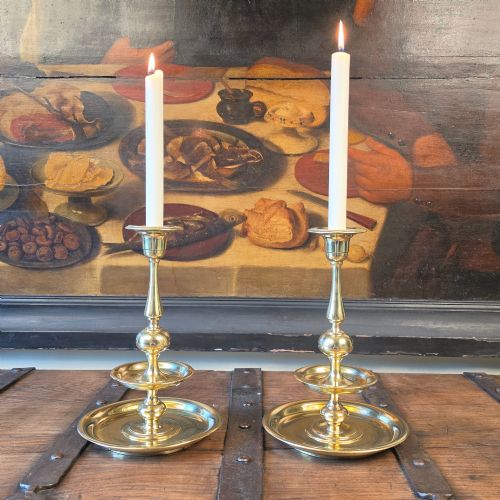
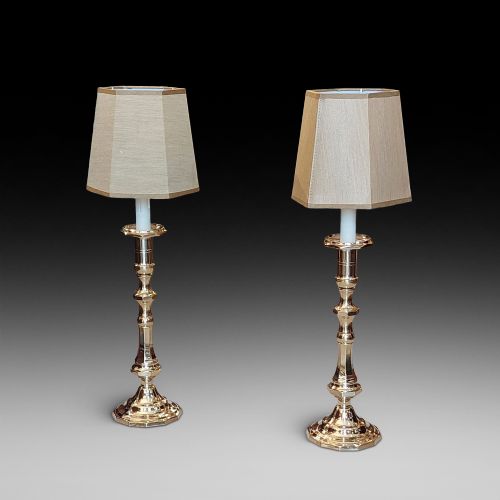
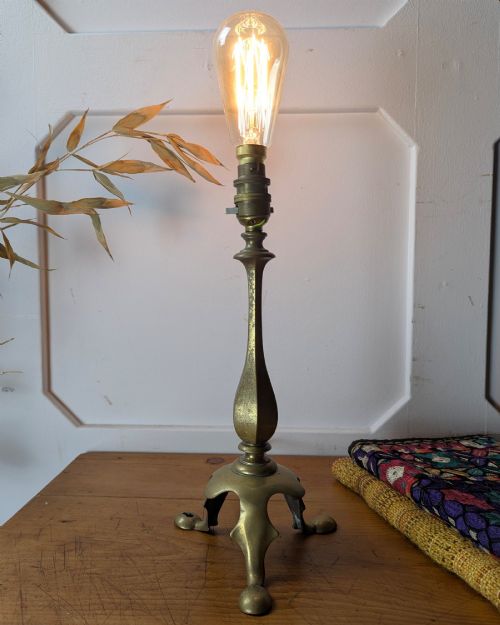
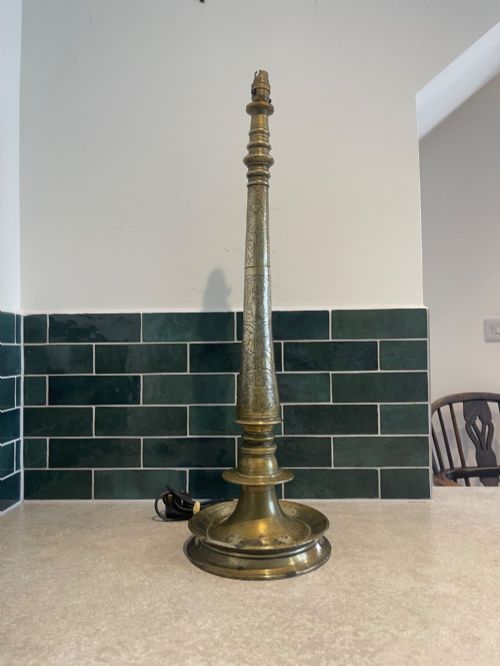
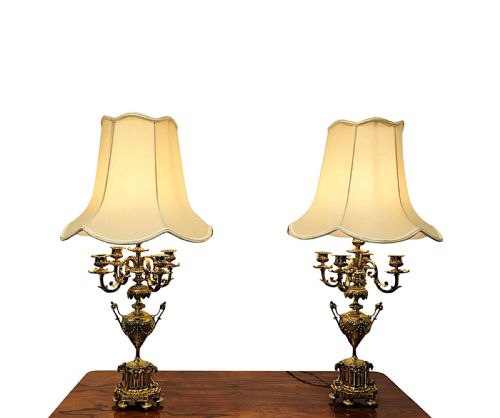
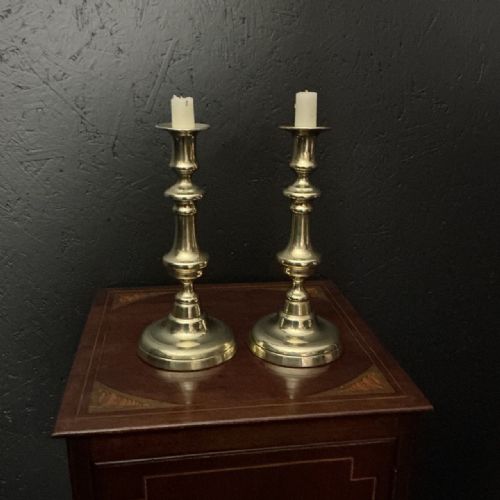
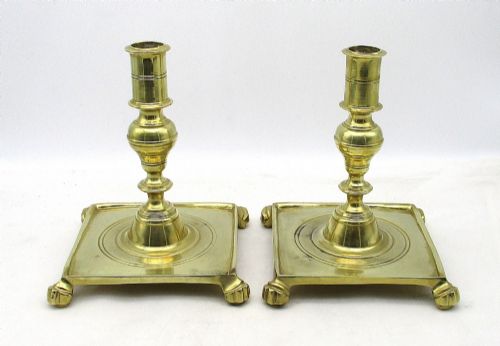
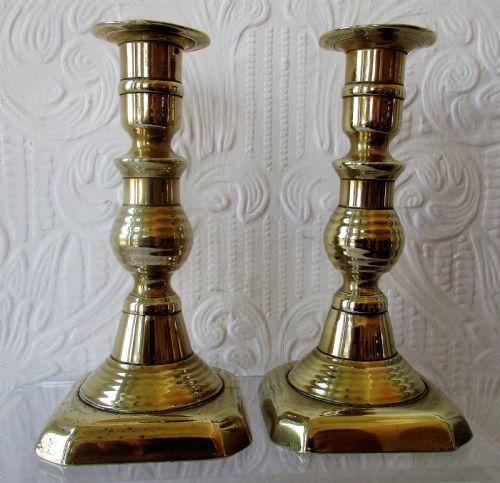
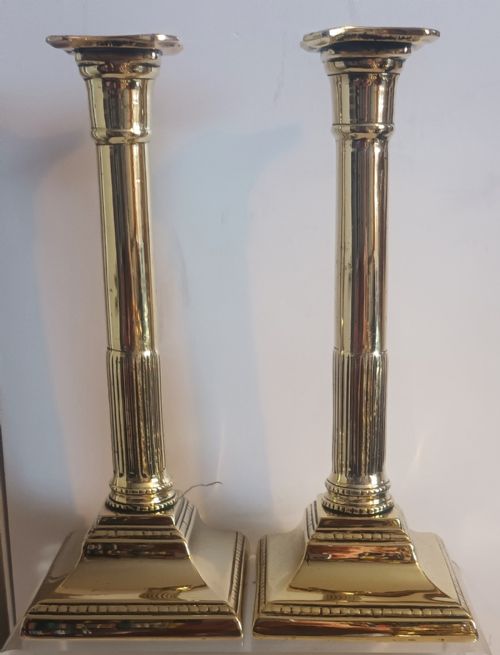
Traditional brass table candlesticks span the eighteenth, nineteenth, and early twentieth centuries, appearing in Georgian, Victorian, and Edwardian styles. The selection includes standard candlesticks alongside variants adapted as table lamps and desk lamps with fabric shades.
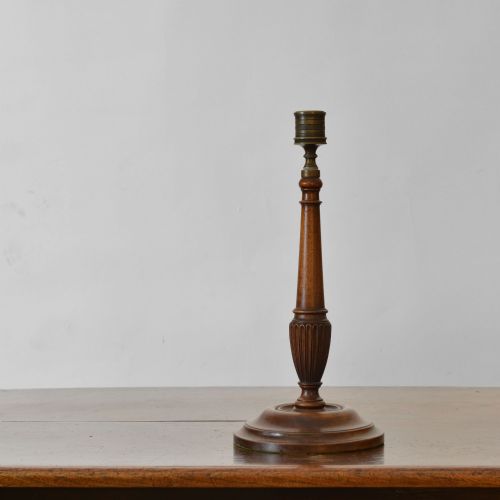
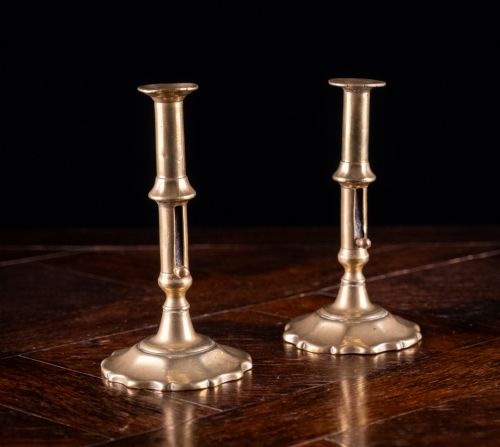
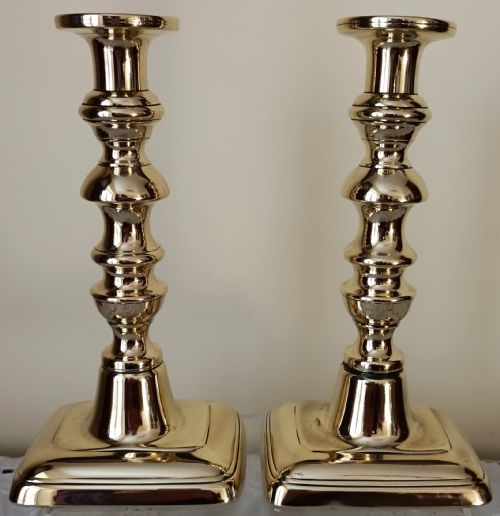
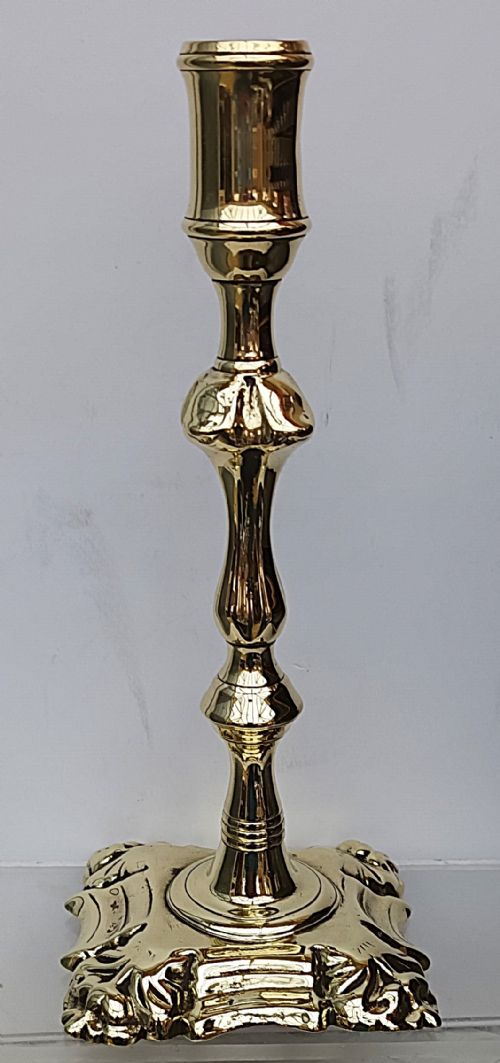
Makers produced these pieces in pairs or single examples using cast brass, bronze, and sometimes paired materials like mahogany, oak, or toleware. Forms range from simple baluster shapes and ionic columns to barley twists and petal bases.
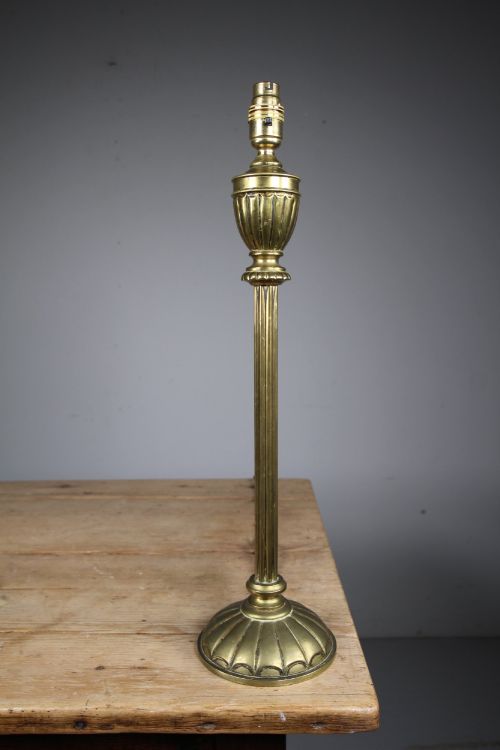
Victorian and Edwardian versions dominate the current selection, sitting alongside earlier Georgian examples and pieces displaying French Empire, Neoclassical, or Anglo-Indian influences. Buyers encounter everything from seamed ejector sticks to elaborate double-arm candelabra.
Materials and Construction Methods
Metalworkers utilised brass and bronze, often casting the components in sections before joining them to form the stem, socket, and base. Seamed construction appears on mid-eighteenth-century examples, revealing the longitudinal joins from early sheet metal forming and shaping techniques.
Makers occasionally turned secondary materials on a lathe, combining brass with mahogany, oak, or papier-mache to create mixed-media desk accessories and lamps. Later pieces incorporate electrical wiring for conversion into table lamps, integrating modern utility into period metalwork.
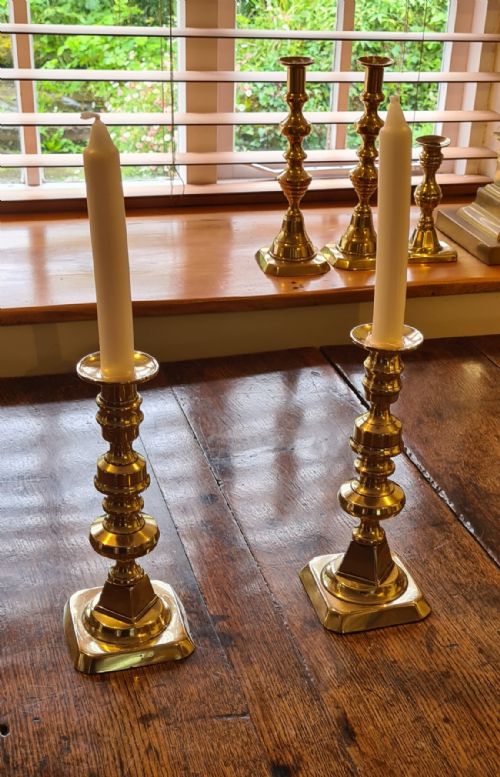
One cheerful Victorian design goes by the charming name of the King of Diamonds.
Distinctions in Quality and Make
Quality rests in the crispness of the casting and the weight of the metal, where heavier brass creates a stable base and sharper decorative detail. Pieces showing hand-finished chasing and clean lines demonstrate superior workshop proficiency compared to simpler, mass-produced items.
The integrity of the form dictates distinction, with well-proportioned baluster stems and intact petal bases holding greater visual presence. Surface patination achieved through age distinguishes genuine period pieces from later reproductions.
J.T. & Co
The Traditional Brass Table Candlesticks Glossary
- Ejector candlestick
- A domestic stick containing an internal mechanism with a small button or push-rod to raise and remove the stubborn remains of a consumed candle stub.
- Baluster
- A vertical architectural form with a swelling, rounded lower portion that tapers towards the top, frequently utilised for candlestick stems.
- Petal base
- A distinctive foot design shaped to resemble overlapping flower petals, commonly seen on eighteenth-century brass candlesticks.
- Barley twist
- A spiral column design resembling a twisted shaft of barley, found on wooden and cast brass stems from the Victorian period onwards.
- Ionic column
- A classical architectural style featuring twin scroll capitals at the top of the pillar, adapted by Victorian makers for tall brass table lamps.
Traditional Brass Table Candlesticks: Frequently Asked Questions
What is an ejector candlestick?
An ejector candlestick is a clever mechanical design featuring an internal push-rod that lifts leftover wax and wick out of the socket. This mechanism made cleaning the metal tube straightforward after the candle burned down.
Such pieces date predominantly to the eighteenth and nineteenth centuries, offering domestic utility alongside traditional metal craftsmanship.
How do I date an antique brass candlestick?
Dating relies on observing base shapes, manufacturing seams, and stylistic influences such as Georgian simplicity or Victorian ornamentation. Heavy cast brass construction and petal bases point towards the eighteenth century.
Later Victorian and Edwardian examples often introduce barley twists, ionic columns, or electrical conversions. Comparing the form with recorded period styles helps narrow the decade of origin.
Were these candlesticks converted to lamps?
Many period brass candlesticks were adapted later in their lifespan to hold electrical fittings and fabric shades for table use. These conversions retain the original metal base and stem while updating the function for modern interiors.
Buyers find both unaltered candlesticks and rewired table lamps across the selection.
What materials are paired with the brass?
Maker workshops occasionally combined cast brass and bronze with turned mahogany, oak, and painted toleware. These mixed materials added textural contrast to desk lamps and candle lamps during the Georgian and Victorian eras.
Fabric shades also appear on pieces adapted for electrical illumination in Edwardian times.