



Cast Brass Taper Holders
Cast brass taper holders are solid metal lighting pieces designed for small candles, offering collectors heavy casting work and domestic history.
Cast Brass Taper Holders
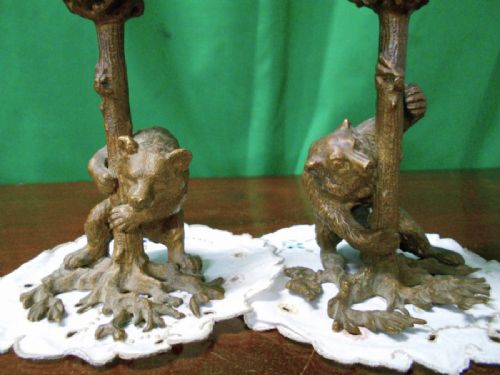
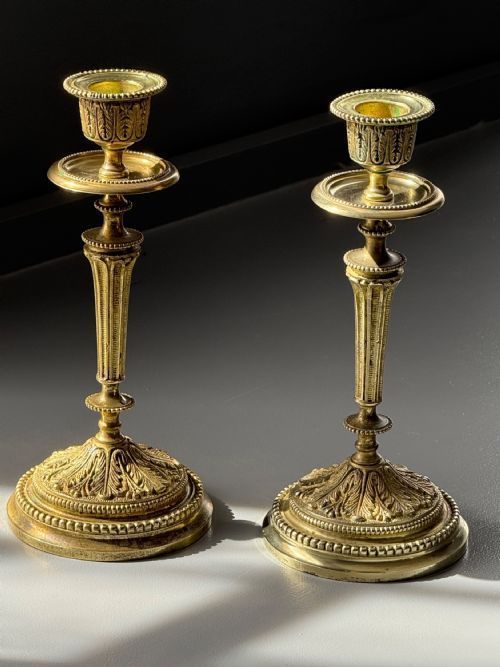
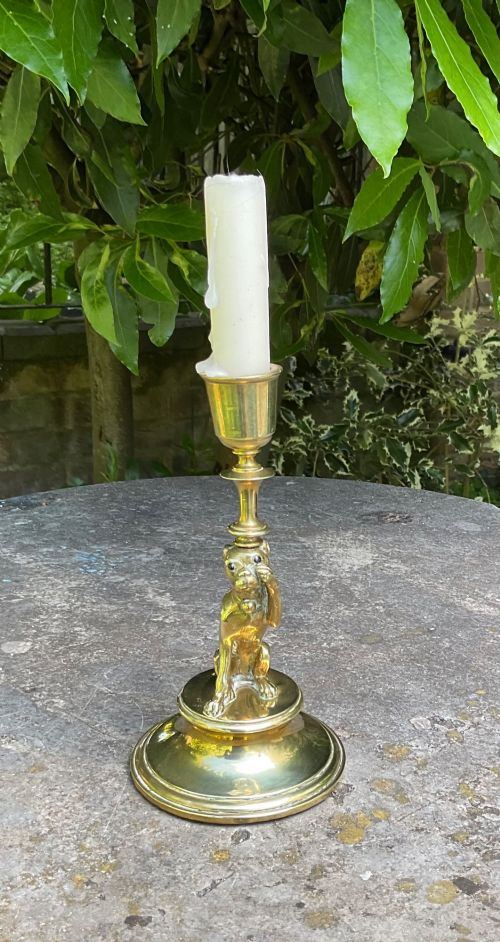
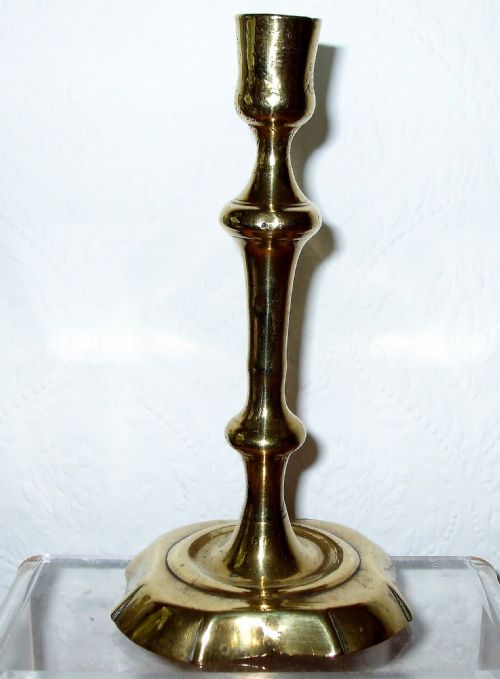
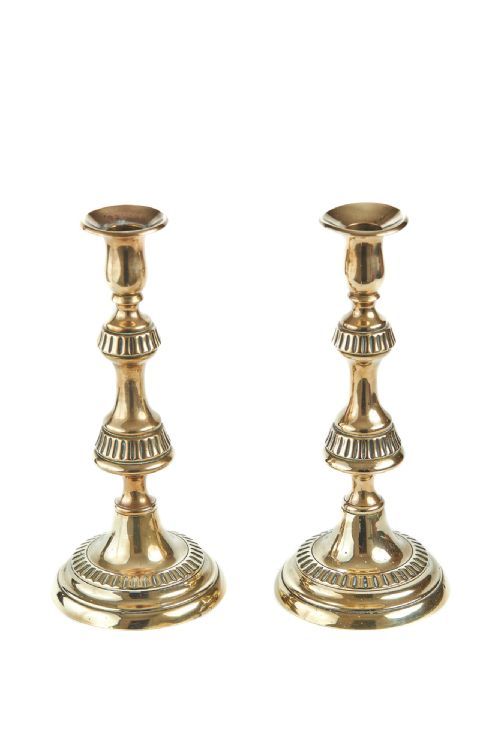
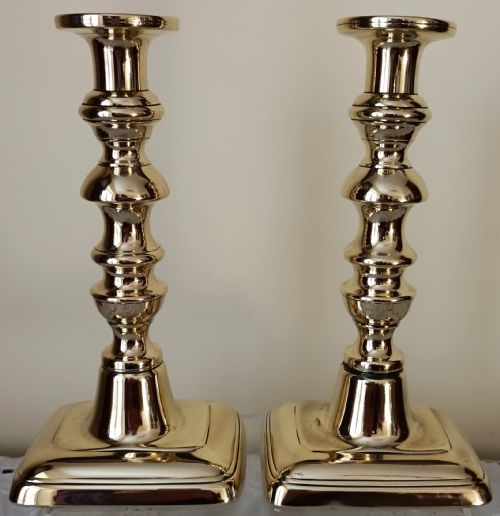
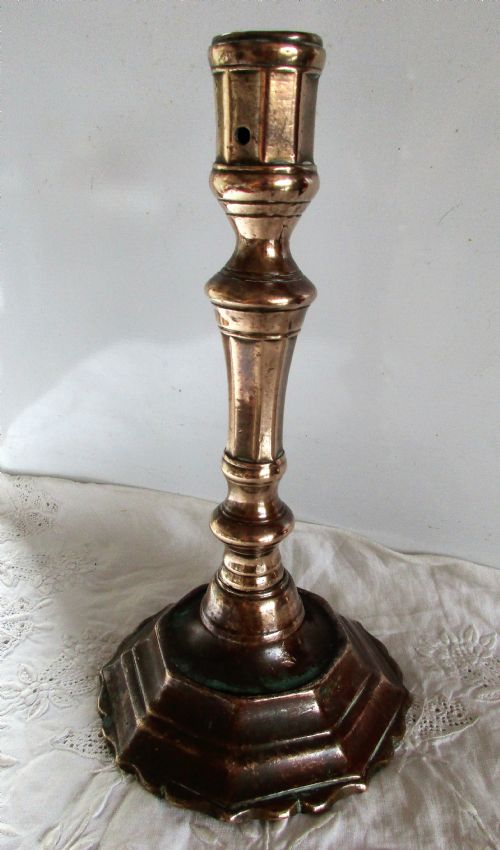
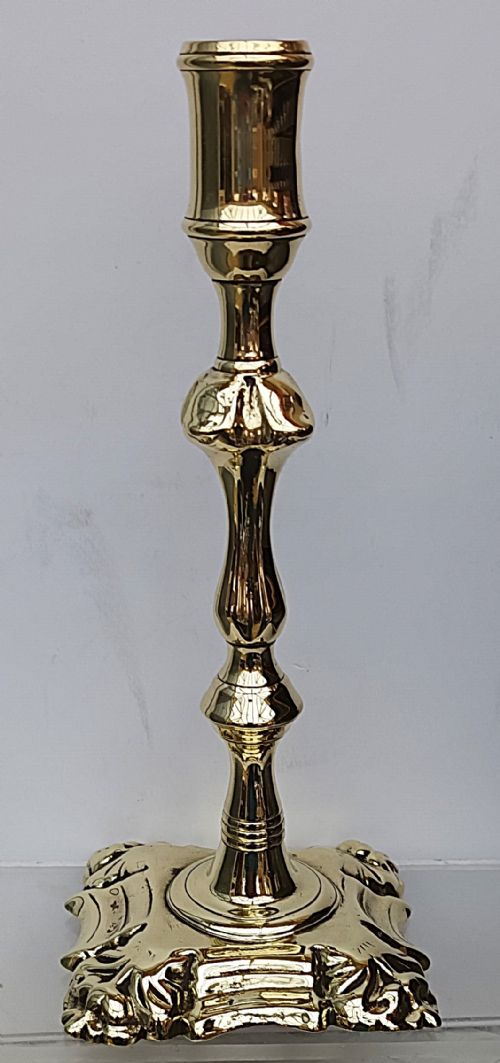
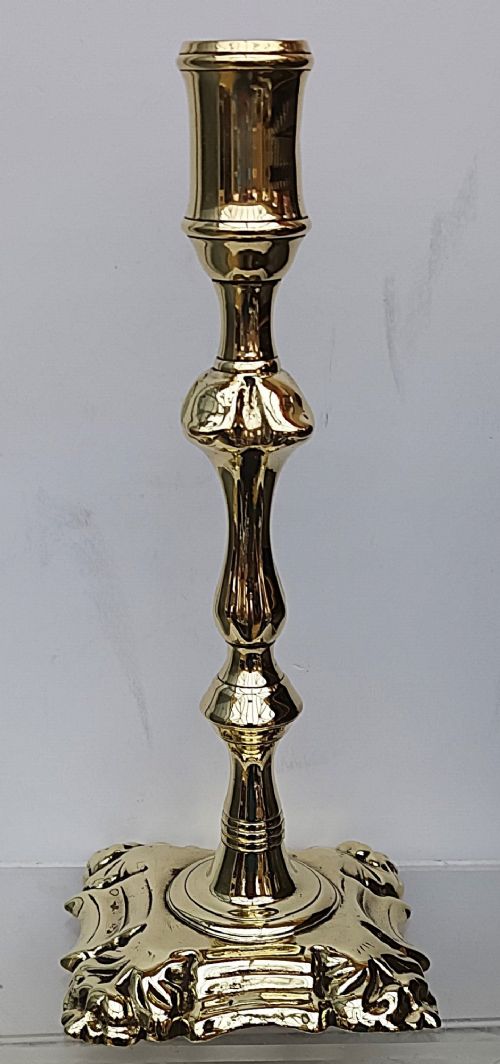
Cast brass taper holders are small domestic lighting items designed to hold slender candles, frequently appearing in forms described as candlesticks across these listings. Collectors searching for cast brass taper holders encounter pieces spanning from the early 18th century through to the Victorian era. The selection includes Georgian, Regency, and Queen Anne styles, alongside novelty forms such as pug dogs and Black Forest bear figures.
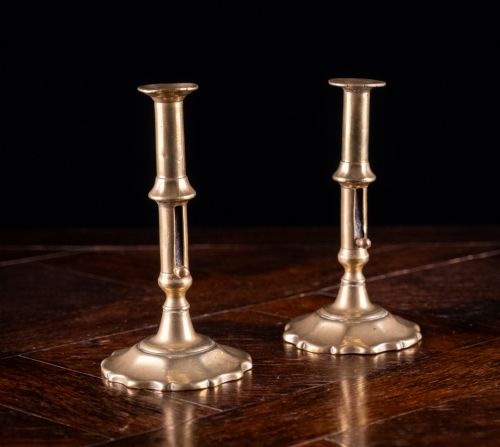
The objects take various functional shapes, including baluster columns, seamed ejector designs, and petal base configurations. Many survive as pairs, though single examples also appear in the inventory. Origins range across English, French Louis XVI and Louis XV styles, and Swedish bell brass fabrications.
How they were made
Makers utilised molten brass, bronze, gilt bronze, and ormolu, pouring metal into moulds to create heavy cast components. Sections were frequently joined mechanically or through seaming techniques, particularly visible in ejector mechanisms designed to push out remaining wax.
Surface finishing involved hand-polishing and detailing, while select Victorian examples incorporated contrasting materials such as porcelain. The heavy metal casting ensures substantial weight and durability across the surviving inventory.
A pug dog serves as a candlestick base.
What varies in quality
The sophistication of the casting work separates standard production from superior examples, with finer pieces exhibiting crisp detailing on columns and bases. Novelty subjects and stylistic references, such as heraldic motifs or animal figures, show distinct degrees of sculptural skill by the maker.
Proportion and material purity also distinguish the range, as heavier bell brass and well-executed Ormolu or gilt bronze finishes command stronger interest. Integrity of the original components, including seamed construction and matched pairs, dictates the standing of individual items.
J.T. & Co
The Cast Brass Taper Holders Glossary
- Cast brass
- Metal poured into a mould to form solid shapes rather than beaten from sheet metal. This method allows for complex profiles and heavy bases.
- Ejector
- A mechanical internal sleeve operated by a thumbpiece to push out the remaining candle stump. This feature became common in 18th-century production.
- Baluster
- A moulded column shape featuring a swollen lower portion tapering upward. It remains a defining silhouette for Georgian and Victorian examples.
- Petal base
- A foot rim shaped like overlapping flower petals, frequently seen on early examples. This decorative form provides stability to the shaft.
- Ormolu
- Finely ground high-zinc brass applied to a bronze base via mercury gilding or similar historic processes. It produces a rich golden appearance on decorative French pieces.
Cast Brass Taper Holders: Frequently Asked Questions
What are cast brass taper holders?
Cast brass taper holders are small lighting devices cast from metal to support thin wax candles. They appear in styles ranging from early Queen Anne and Georgian to Victorian novelty designs.
These domestic items were used on desks and tables for sealing letters or reading. Their solid construction allowed them to endure centuries of daily household use.
How do I date a brass candlestick?
Dating relies on observing structural characteristics like petal bases, baluster stems, and seamed construction methods. 18th-century pieces often display heavier casting and simpler proportions compared to ornate Victorian examples.
Stylistic cues such as Regency reeding or Louis XVI motifs also help assign pieces to specific periods. Examining the wear patterns and base construction offers further chronological clues.
Were these holders made in pairs?
Many cast brass lighting pieces survive as matched pairs intended for mantelpieces or dining tables. Single examples also appear frequently due to the dispersal of original sets over time.
Pairs generally command higher interest among collectors seeking symmetrical display arrangements. Differences in casting marks can indicate whether a pair was manufactured together.
What materials are used besides brass?
While brass dominates the inventory, makers also employed bronze, gilt bronze, and ormolu for high-status decorative items. Some Victorian pieces incorporate porcelain elements alongside metal components.
Swedish pieces occasionally utilise bell brass, known for its distinctive alloy composition and resonant quality. Each material influences the weight and surface finish of the object.