

18th Century Brass Lighting
These pieces of 18th century brass lighting bring warm, traditional illumination into a room through surviving period metalwork.
18th Century Brass Lighting
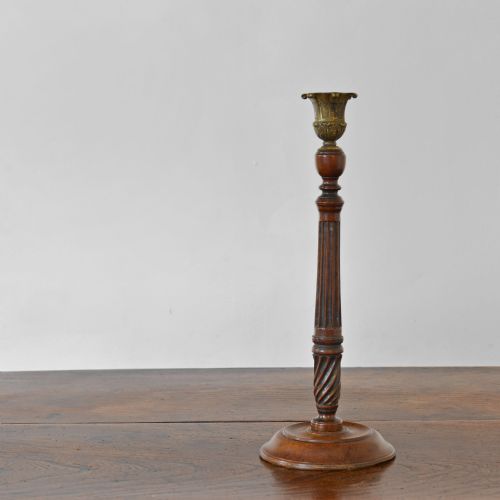
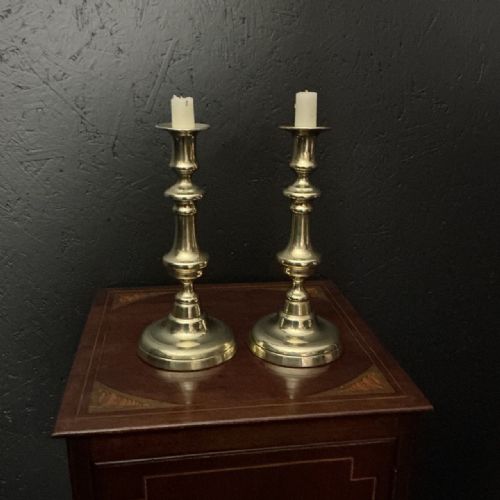
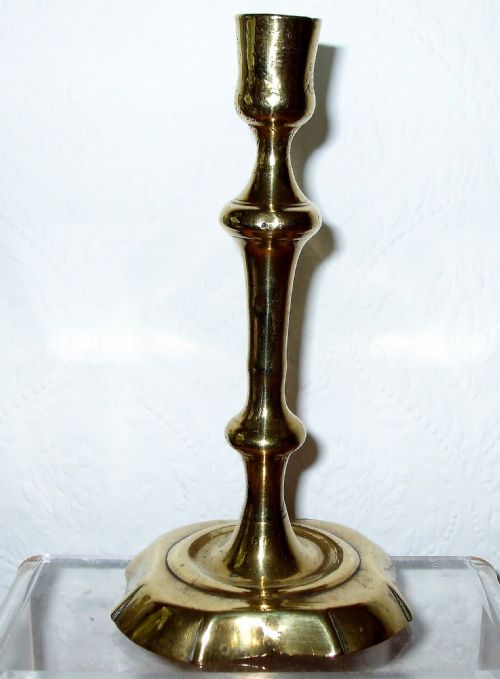
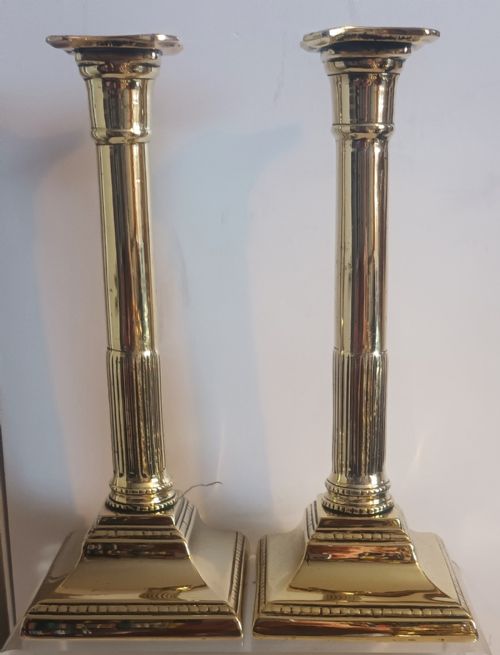
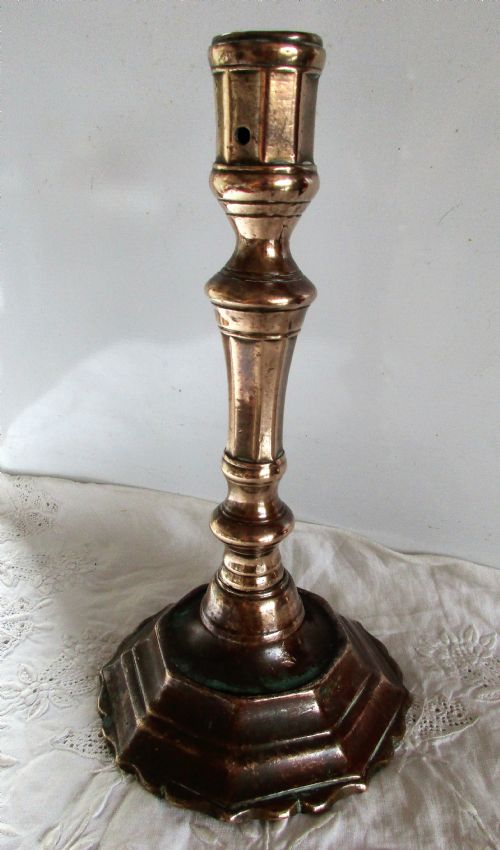
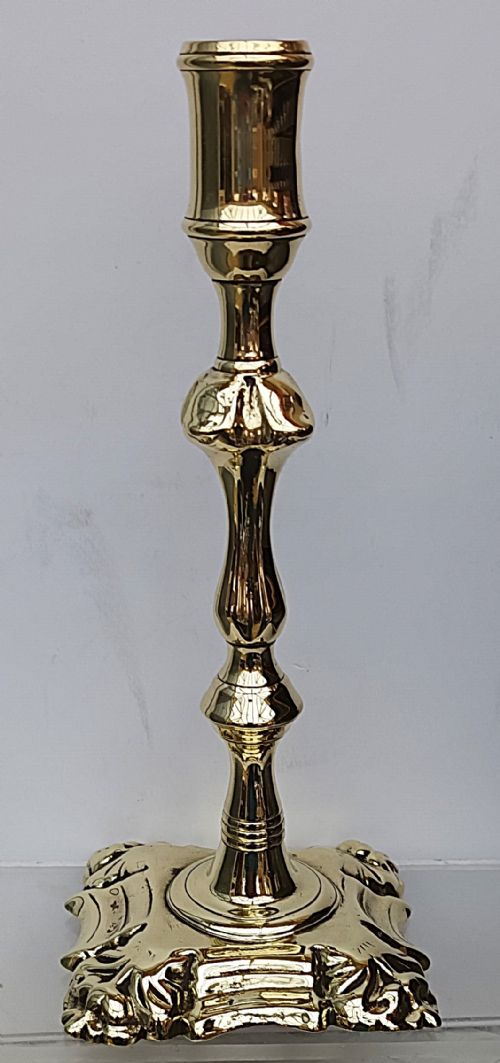
When you search for 18th century brass lighting, you encounter various forms designed to burn tallow, wax, or oil. The selection on this page consists predominantly of candlesticks, alongside table lamps, oil lamps, chambersticks, and wall sconces.
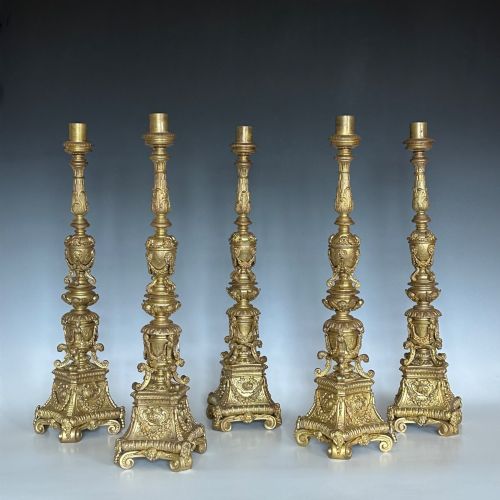
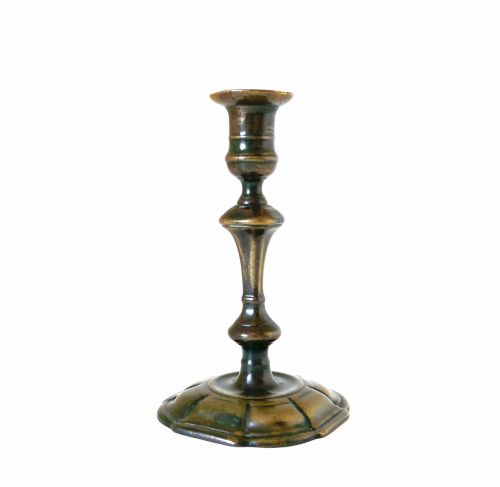
The pieces originate from English, French, Italian, and Dutch workshops spanning the Georgian, Queen Anne, and Rococo periods. Makers produced these utilitarian objects in brass, bronze, bell metal, and gilt bronze for domestic and ecclesiastical interiors.
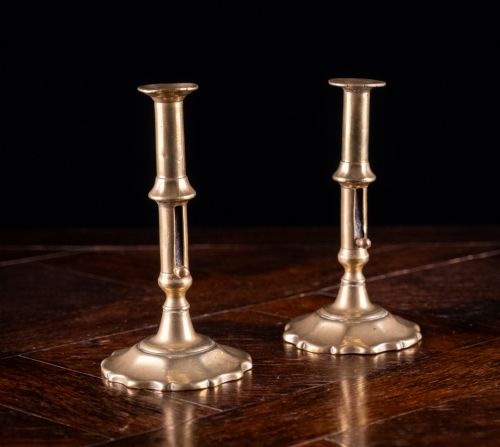
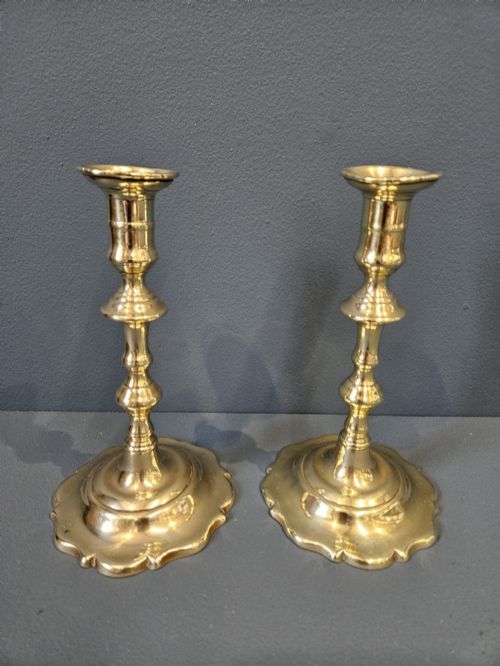
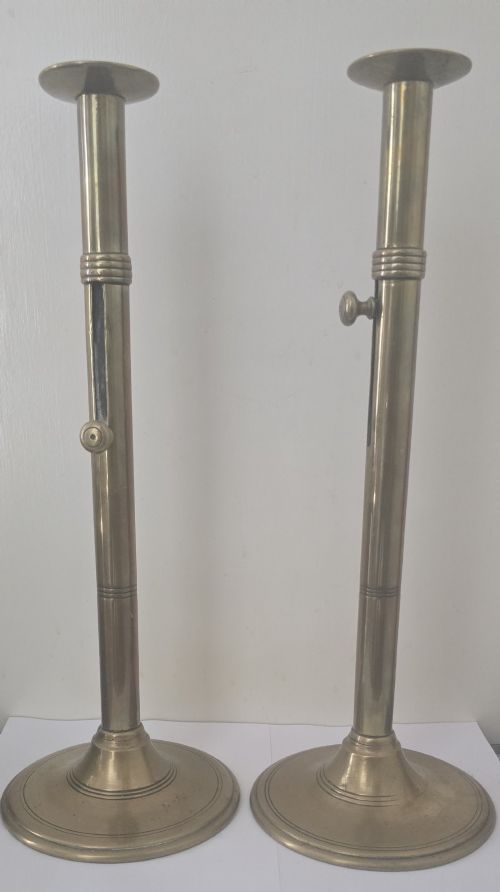
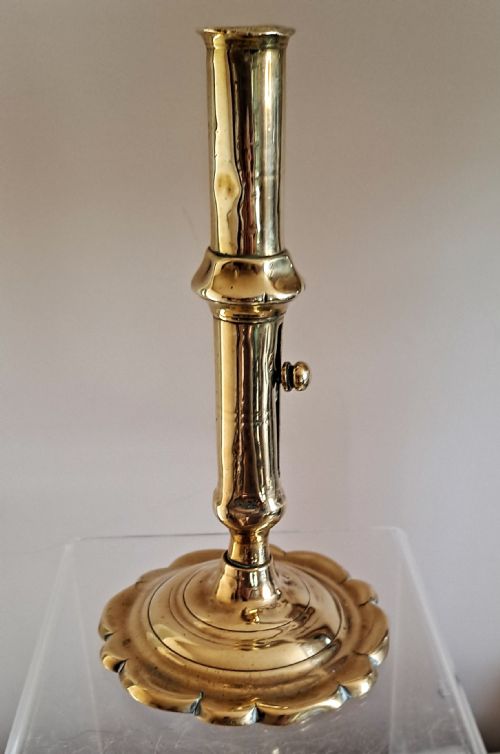
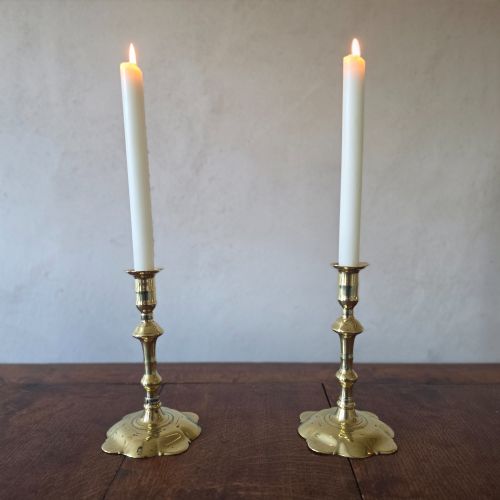
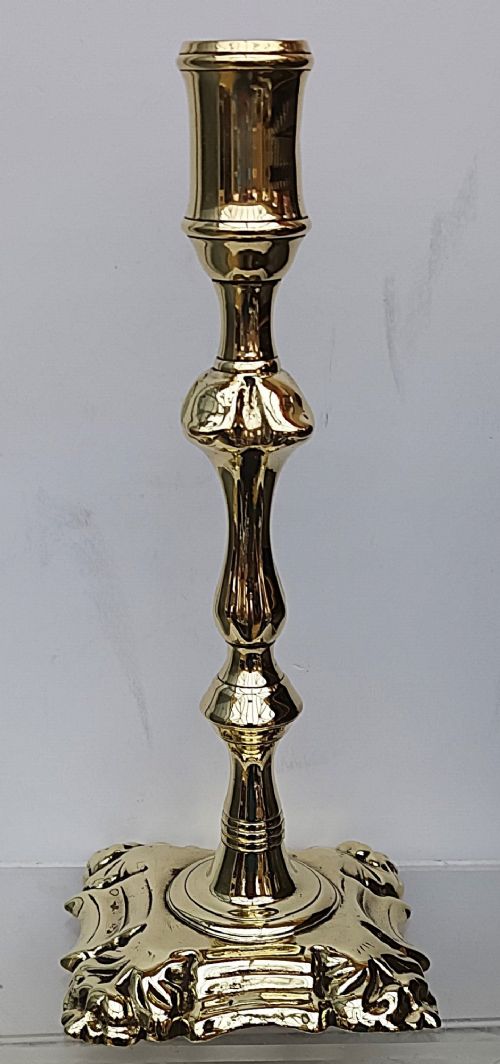
Candlesticks with petal bases, column shafts, and side ejectors appear frequently among the listings. Variations also include converted ceramic vases and earthenware items transformed into functional lamps.
Materials and Techniques
Foundry workers utilised casting techniques to shape molten brass, bronze, and ormolu into structural components. Seamed brass candlesticks demonstrate the method of joining multiple rolled and soldered sections together.
Makers turned components on lathes for smooth profiles, while hand-finishing added surface detail and patination. Combinations of brass with mahogany or earthenware show mixed-media construction in specific table lamps and candle holders.
Some tall candlesticks feature clever side ejectors so servants could pop out stubborn candle stubs without burning their fingers.
Distinctions in Standard
The degree of crispness in cast ornament distinguishes finer examples from simpler production. Sharp definition in petal bases and column details reflects the quality of the initial mould and subsequent hand-chasing.
Originality of components, such as intact side ejectors or matching pairs, separates cohesive historical items from assembled groupings. The depth of the natural metal patina and the weight of the cast brass further indicate standard.
J. Miller·Harrison Patent
The 18th Century Brass Lighting Glossary
- Ejector
- A concealed internal mechanism operated by a side slide to push remaining candle stubs out of the socket. This device helped domestic staff clear burnt wax safely.
- Petal base
- A scalloped, multi-lobed foot resembling an unfolding flower petal. This design provides stability to the candlestick while introducing decorative curves.
- Bell metal
- An alloy of copper and tin that produces a resonant sound when struck. It offers a slightly different colour and density compared to standard brass.
- Pricket
- A sharp metal spike set in the centre of a drip pan to secure large candles without sockets. Such forms often indicate ecclesiastical use.
- Ormolu
- Finely ground high-zinc bronze gilded with gold leaf. French workshops employed this material for decorative lighting during the eighteenth century.
18th Century Brass Lighting: Frequently Asked Questions
How do I date these?
Dating relies on examining manufacturing techniques like casting methods, base shapes, and turnery marks. Stylistic cues from the Georgian and Rococo periods also help narrow the decade of production.
Comparing structural components against documented examples from the same era provides further verification of age.
Can I use modern candles?
Most antique sockets accommodate standard taper candles, though minor variations in historical diameters sometimes require slight trimming or the use of candle fittings.
Ensuring a snug fit prevents the candle from leaning and keeps melted wax off the surrounding metal surface.
How do I clean brass?
Maintenance typically requires only gentle dusting with a soft cloth to preserve the accumulated historical patination. Aggressive chemical polishes strip away the aged surface that collectors value.
If wax accumulation occurs, softening it with warm water allows safe removal without scratching the metal beneath.
Were these electrified?
Certain pieces arrive with historical or modern conversions to electricity, while others retain their original manual function for candles or oil. Ceramic vases and certain metal lamps are frequently adapted for modern table use.
Reviewing the specific listing details confirms whether the wiring is present or if the item remains in original form.