

Georgian Period Candle Stands
Georgian period candle stands are functional candleholders and small occasional tables crafted for illumination in eighteenth and nineteenth-century interiors.
Georgian Period Candle Stands
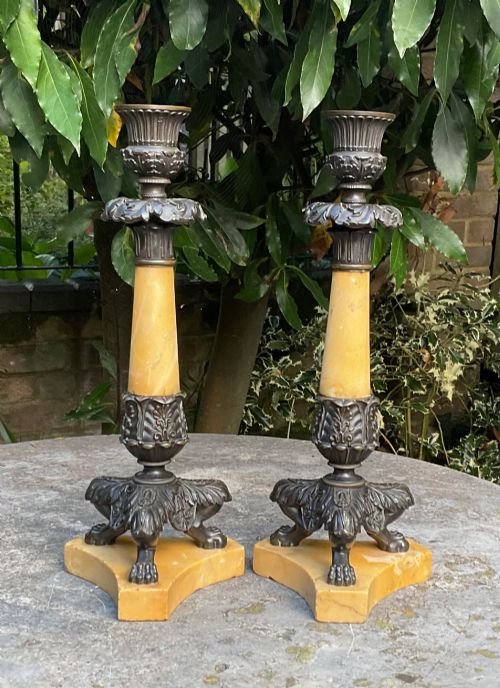
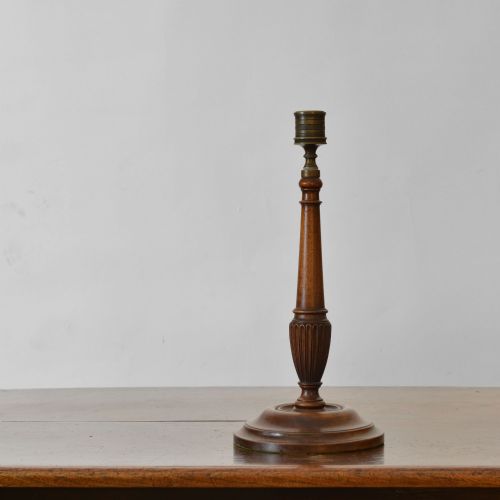
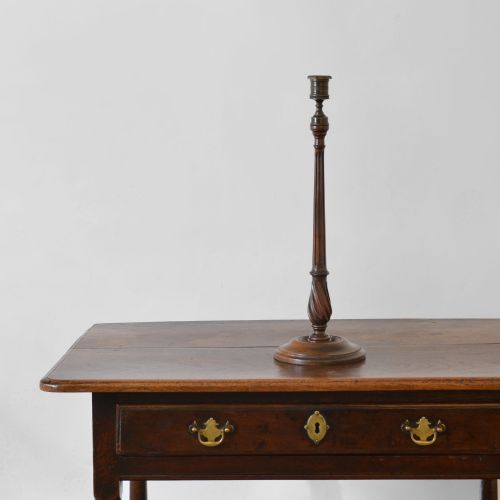
Georgian period candle stands encompass both upright candlesticks for direct illumination and small occasional tables designed to support lighting devices. Buyers encounter tall floor-standing or table-height tripod pieces alongside solid brass and bronze desk items when searching this phrase.
The material vocabulary spans native timbers like mahogany and oak alongside cast brass, bronze, and marble elements. Mahogany tripod tables and brass ejector candlesticks dominate the selection across the eighteenth and nineteenth centuries.
Origins trace through George III, Regency, and vernacular traditions, reflecting both formal drawing-room pieces and utilitarian country designs.
Materials and construction
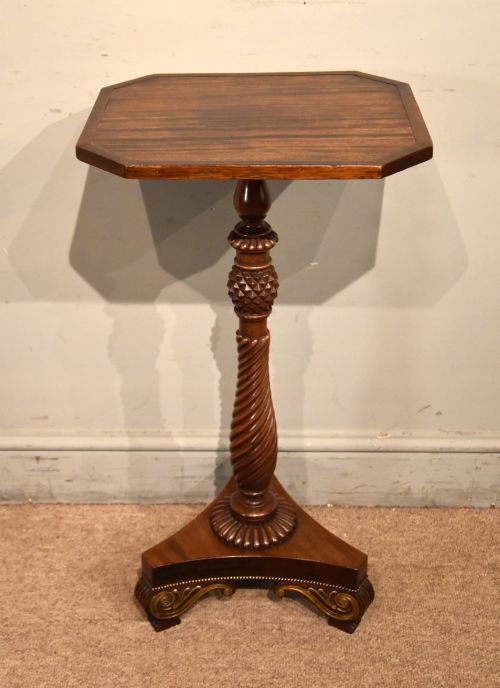
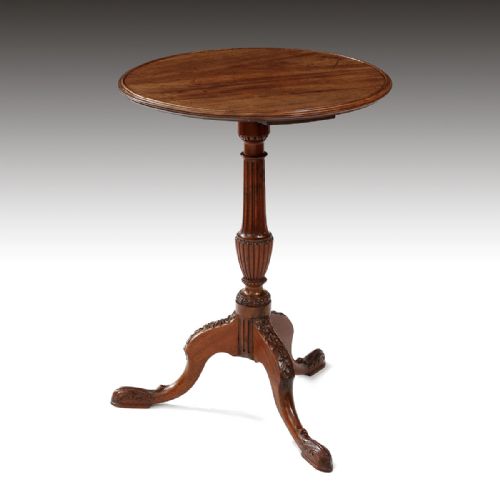
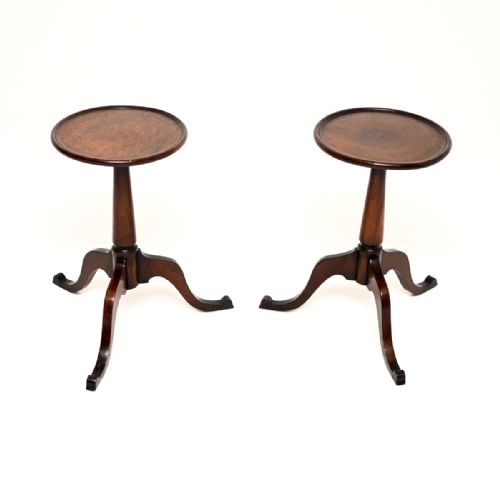
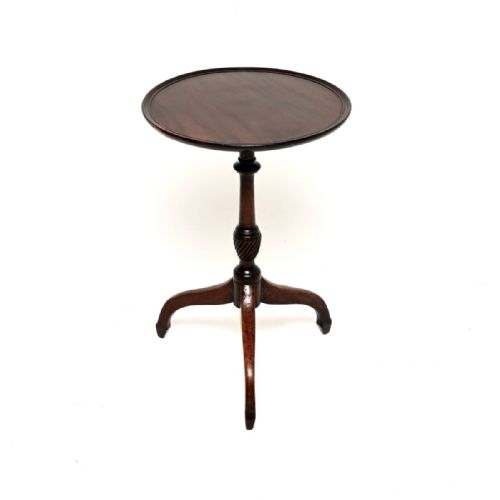
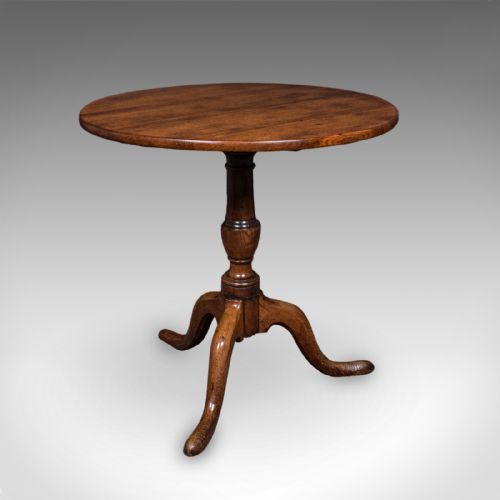
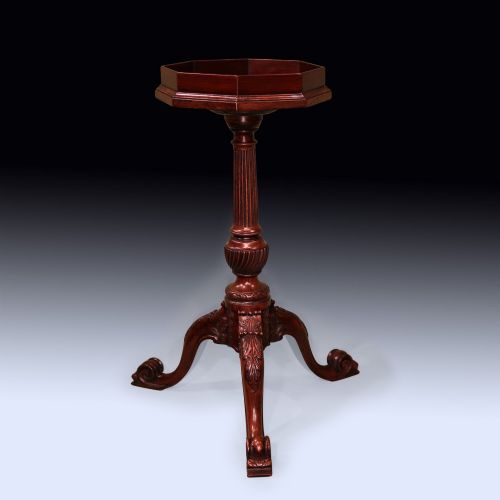
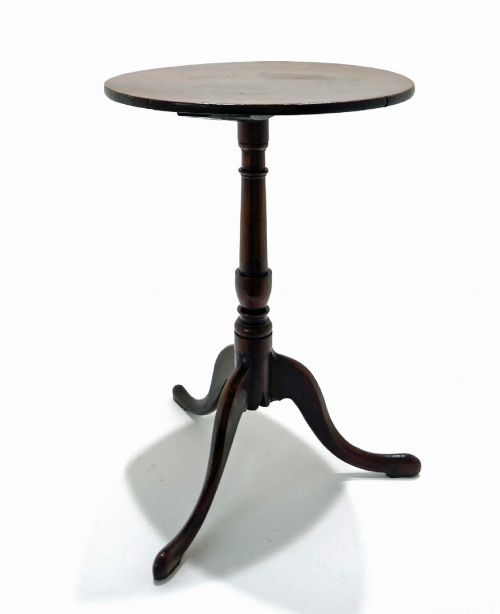
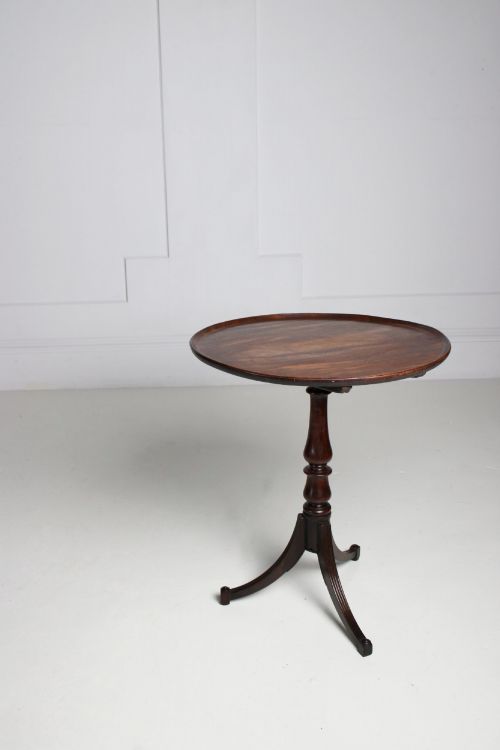
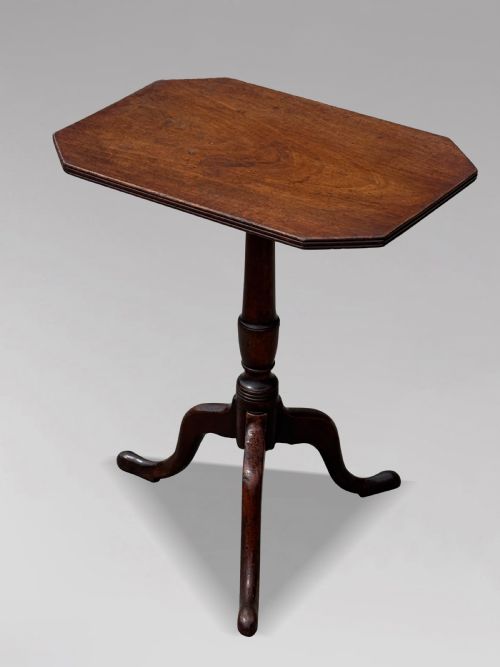
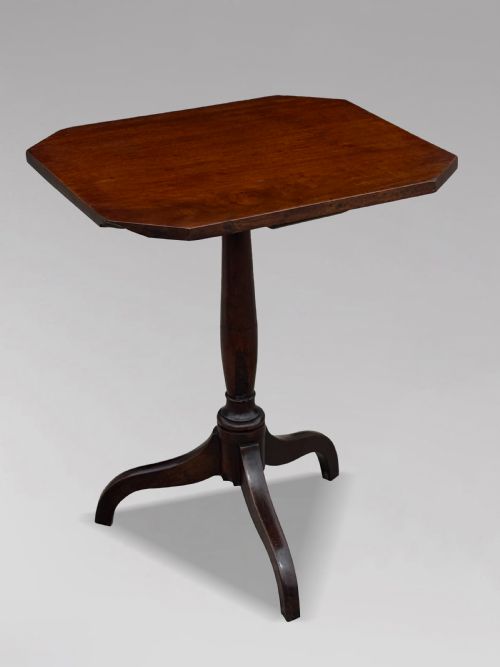
Cabinetmakers utilised dense hardwoods such as mahogany, oak, and beech for tripod tables, frequently employing tilt-top mechanisms and birdcage supports to facilitate movement. Turned columns rest on three-legged bases shaped with pad or spade feet.
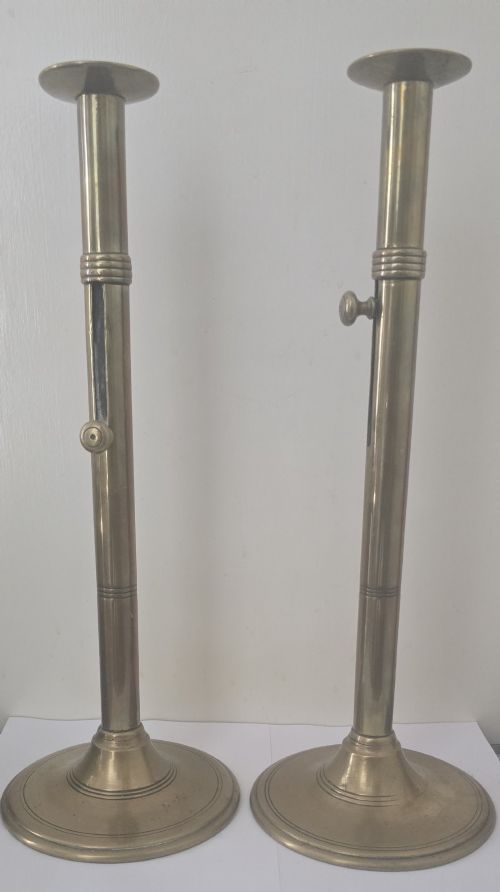
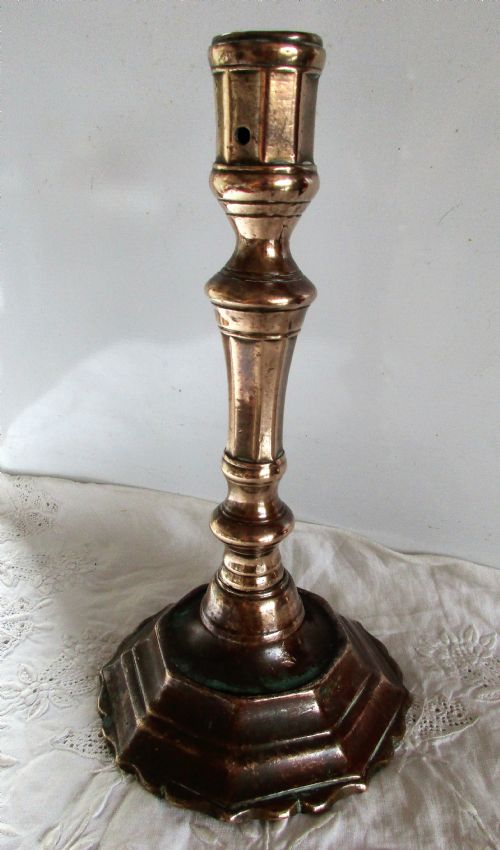
Metal items rely on brass and bronze casting techniques, incorporating seamed construction and side ejector mechanisms for candle removal. Ormolu mounts and inset marble tops appear on select Regency examples to add decorative contrast.
Several brass candlesticks include internal ejector levers, demonstrating that eighteenth-century engineers were entirely intolerant of stubborn candle stubs.
Distinguishing quality
Refinement in carving distinguishes superior tripod tables, particularly where pie-crust edges, gallery tops, or finely articulated ball-and-claw feet elevate the timberwork. Timber selection dictates the visual depth of mahogany pieces through grain movement and colour.
Metalwork quality shows in the crispness of casting detail on brass and bronze items, especially where decorative motifs or dolphin supports are integrated. Weight and structural integrity in the stems of candlesticks and the columns of tables separate robust examples from simpler ones.
Gillow
The Georgian Period Candle Stands Glossary
- Tripod table
- A small freestanding table supported by a central pillar above three legs. These versatile pieces served various domestic functions including tea and candle support.
- Ejector candlestick
- A brass candlestick fitted with an internal push-rod mechanism to raise and remove leftover wax stubs. This innovation simplifies cleaning and maintenance.
- Snap top
- A tabletop mounted on a hinged block that pivots to a vertical position when not in use. This mechanism allows the furniture to stand flat against a wall.
- Kettle stand
- A miniature table designed to hold a boiling vessel for tea service. They mirror the proportions of larger tripod tables but stand at a reduced scale.
- Birdcage
- A revolving wooden framework positioned beneath a table top. This component allows the surface to both rotate and tilt.
Georgian Period Candle Stands: Frequently Asked Questions
How do I use a candle stand today?
These pieces function effectively as small side tables beside seating or as elevated platforms for modern lighting and decorative objects.
Their compact footprints allow them to fit easily into tight corners or beside antique seating arrangements.
What is the difference between a wine table and a candle stand?
Wine tables and candle stands share similar tripod constructions and small surface areas designed for temporary domestic use.
Terminology often overlaps depending on the height and tabletop edge configuration of the specific piece.
Are brass ejector candlesticks British?
Many seamed brass ejector candlesticks originate from British workshops during the eighteenth and nineteenth centuries.
Makers utilised brass casting and sheet metal forming to produce durable lighting equipment for domestic interiors.