

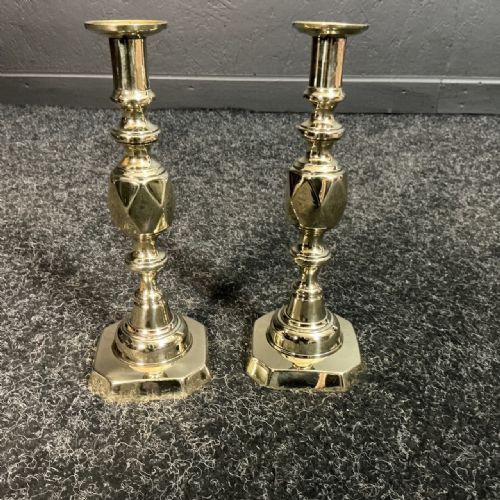


Polished Brass Candle Stands
Polished brass candle stands bring warm, gleaming metal and traditional lighting into a room.
What polished brass candle stands are
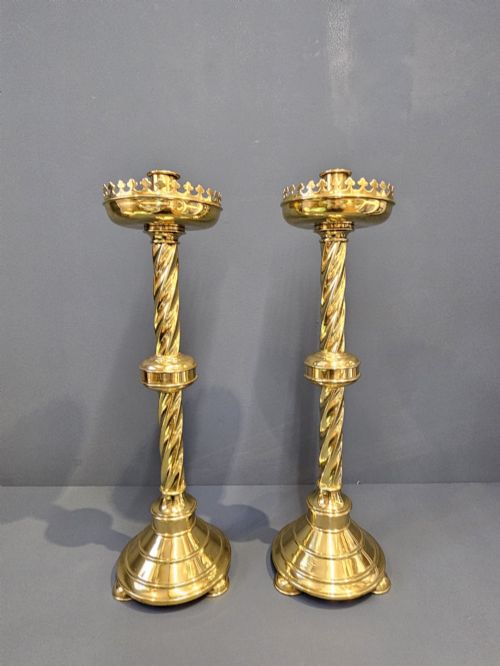
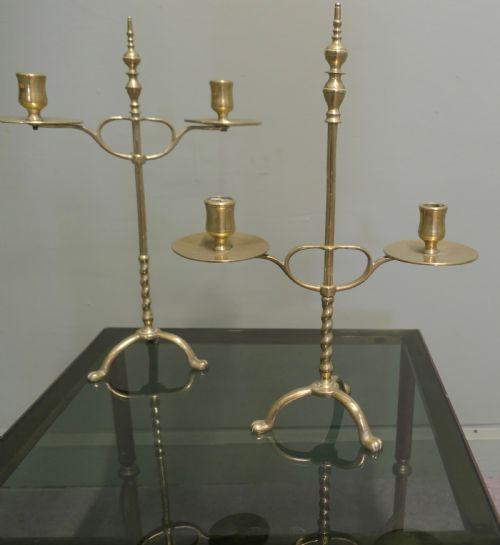
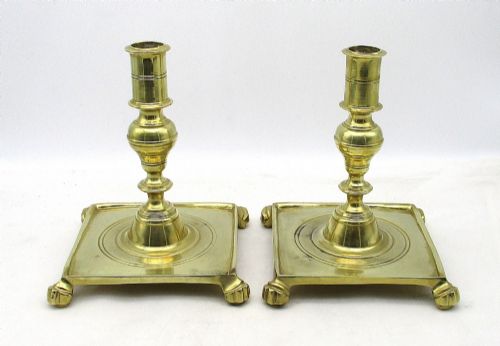
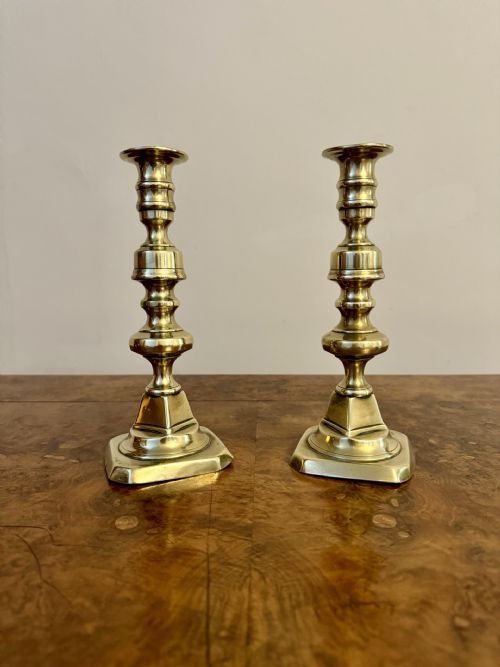
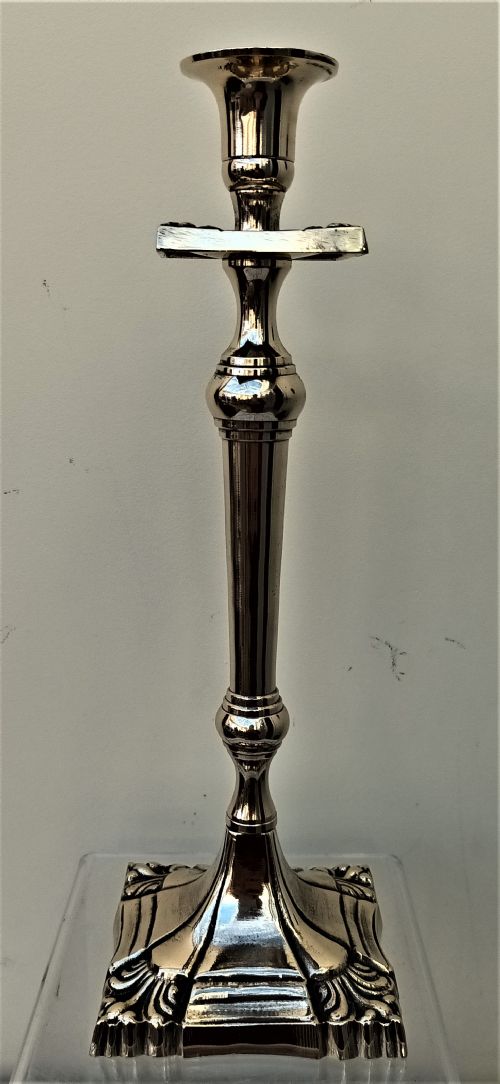
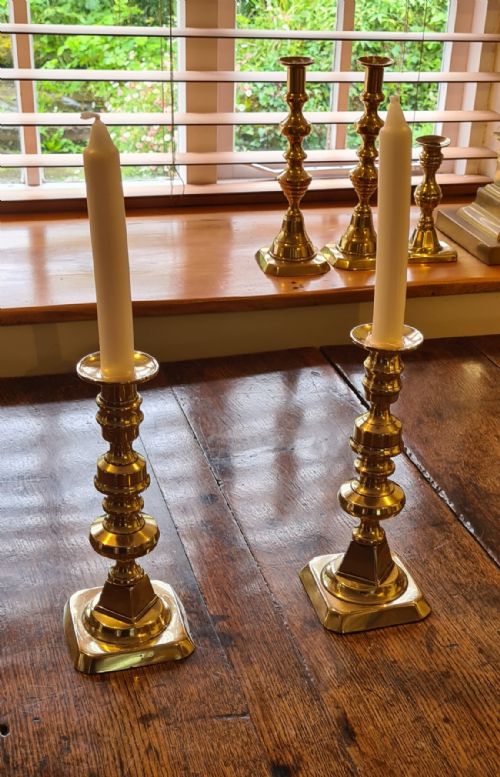
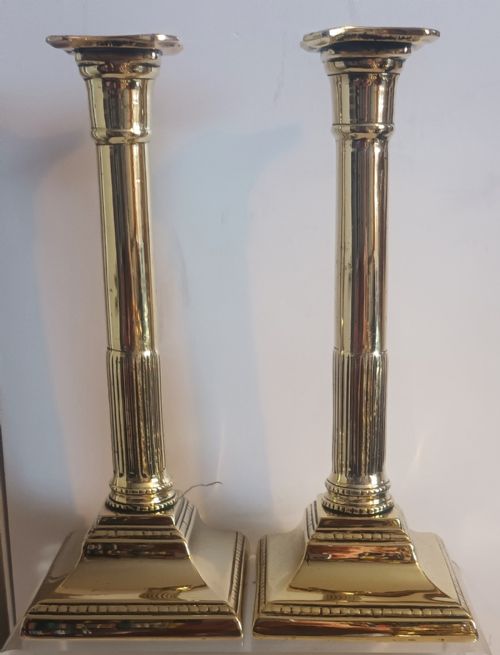
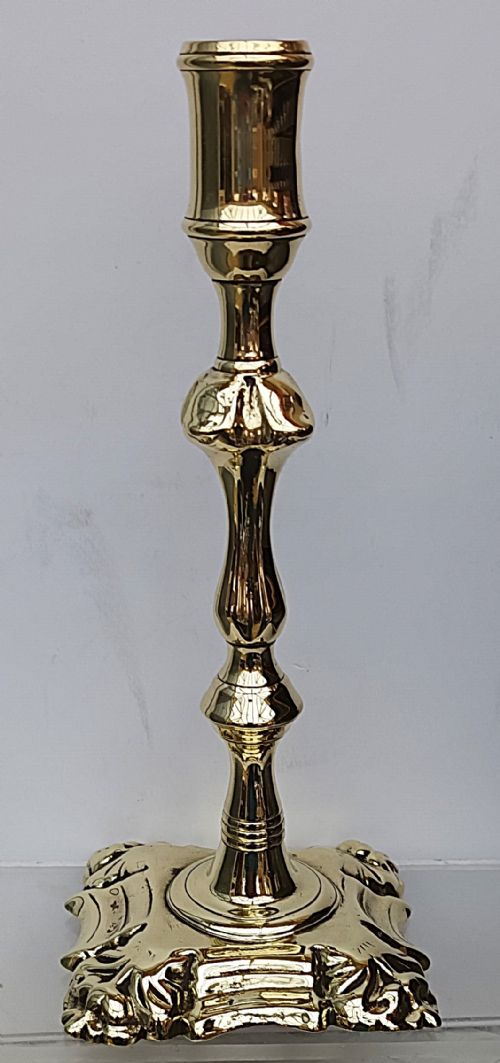
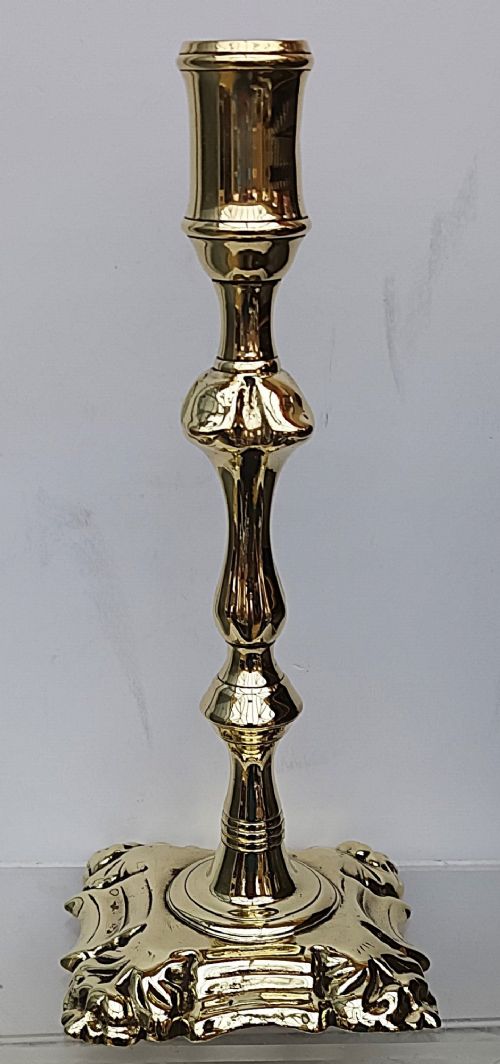
Polished brass candle stands span several centuries of design, taking the form of candlesticks and adjustable student lights. These pieces include examples from the eighteenth century, the Victorian era, and the Arts and Crafts movement.
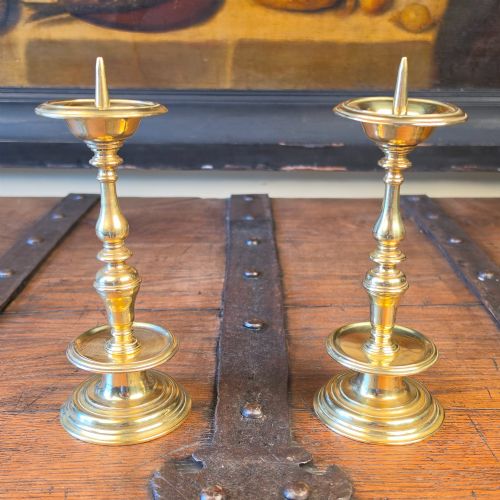
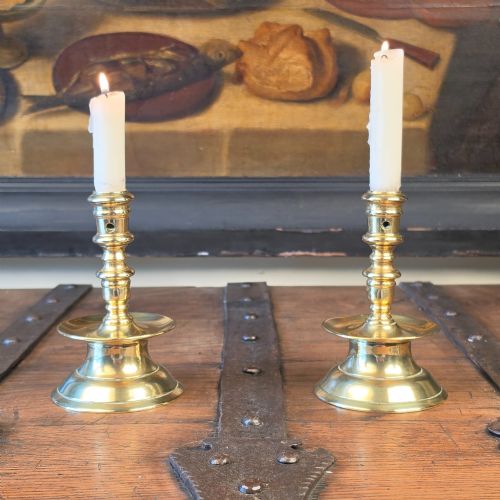
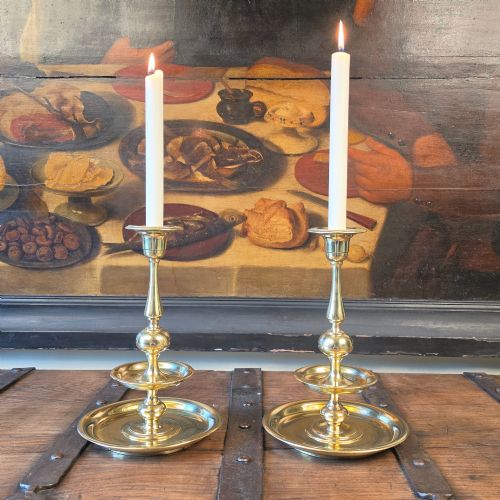
Georgian and Queen Anne styles appear alongside nineteenth-century French and English designs. The selection frequently includes pairs, ranging from early eighteenth-century models to items produced around eighteen seventy and eighteen eighty.
How they were made
These items utilise brass and cast brass, shaped into traditional candlestick and candleholder forms. Selected pieces incorporate mechanical elements, such as ejector mechanisms for clearing spent wax and adjustable arms for directional lighting.
Retail Price Guide 2026
Typical UK retail prices for polished brass candle stands, calculated from the Sellingantiques database of over a million retail prices indexed since 2003. This retail price guide relies exclusively on Sellingantiques data; no external sources or auction records are used, so the figures do not describe the wider market.
The inventory includes cast brass items spanning the 18th century, 1870, 1880, and the 19th century.
What varies in quality
Quality rests in the precision of the casting and the crispness of the turning on the stem and base. Earlier eighteenth-century examples display different foundational proportions compared to later Victorian or Arts and Crafts productions.
The sophistication of integrated mechanics, such as working ejector levers or adjustable joints, separates standard workshop output from more ambitious designs.
The Polished Brass Candle Stands Glossary
- Brass
- A copper and zinc alloy prized for its bright golden appearance when polished. It forms the primary material for these stands.
- Cast brass
- Molten metal poured into a mould to create solid components with complex profiles. This method underpins the structure of many period candlesticks.
- Ejector
- An internal mechanism operated by a lever to push out the remaining stub of a candle. This functional addition appears in nineteenth-century designs.
- Student light
- An adjustable lamp or candle holder designed for reading or close work. These pieces often feature pivoting arms.
Frequently Asked Questions
What periods do these candle stands cover?
The available pieces stretch from the eighteenth century through to the late nineteenth century. Styles include Georgian, Queen Anne, Victorian, and Arts and Crafts.
Specific dates within the listings point to the seventeen hundreds alongside items from eighteen seventy and eighteen eighty.
Are these items sold as pairs?
The inventory largely consists of matched pairs rather than single items. This makes them suitable for mantelpieces, dining tables, or sideboards.
Pairs appear across multiple periods, from early eighteenth-century examples to later Victorian productions.
How do Arts and Crafts stands differ?
Arts and Crafts examples introduce utilitarian adjustments and distinct silhouettes compared to formal Georgian pieces. They often incorporate adjustable student light mechanisms.
These designs prioritise functional utility alongside traditional metalworking techniques.