


18th Century Candle Holders
These 18th century candle holders bring period light and craftsmanship to a room, ranging from simple iron rushlights to grand giltwood sconces.
18th Century Candle Holders
Buyers seeking 18th century candle holders encounter a diverse group of lighting objects spanning brass candlesticks, iron rushlight holders, porcelain figures, and carved wood sconces. These items originate from English, Dutch, Italian, and Welsh workshops, reflecting domestic and ecclesiastical use during the Georgian period.
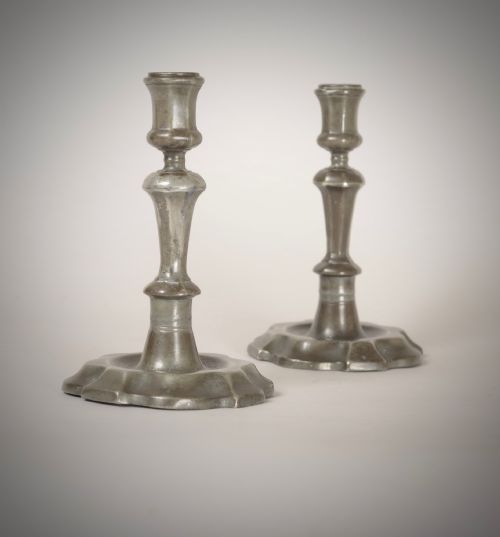
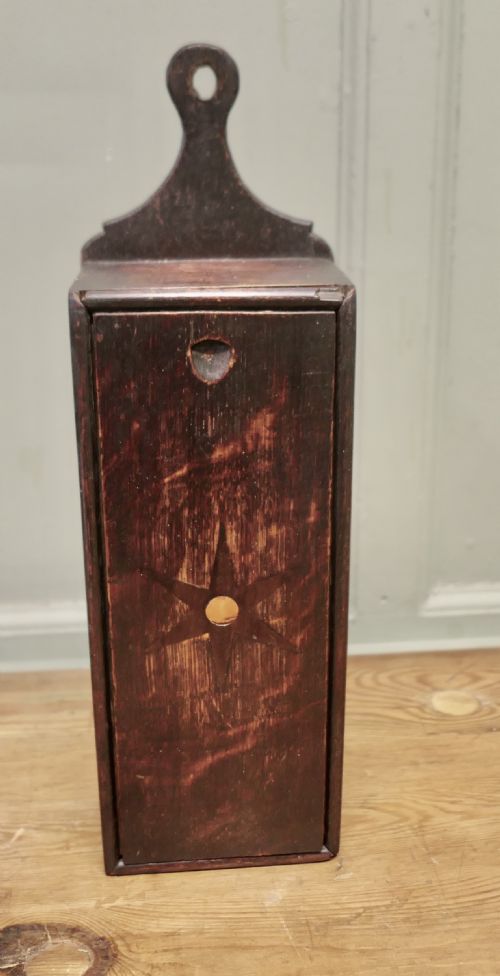
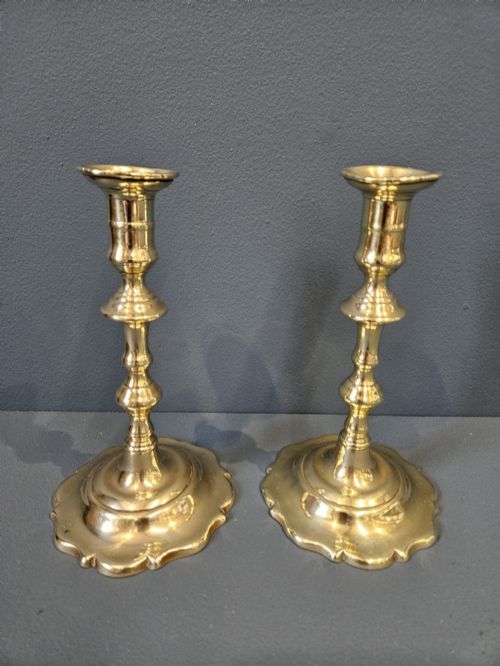
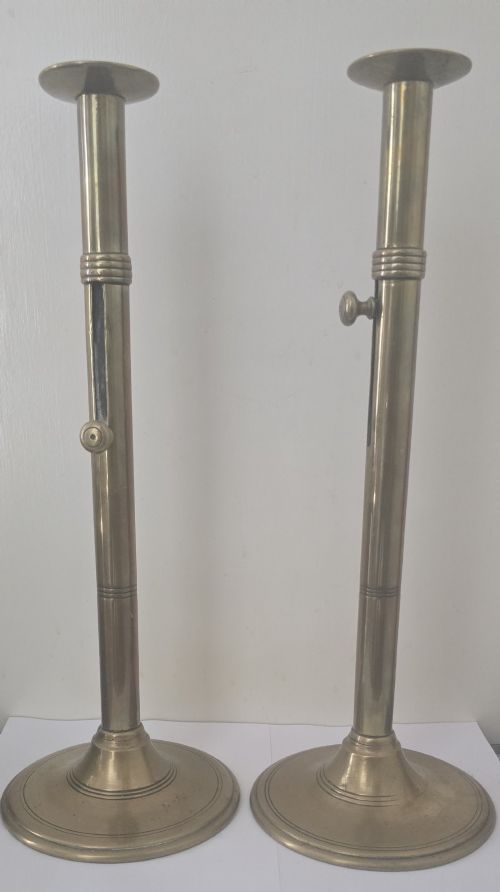
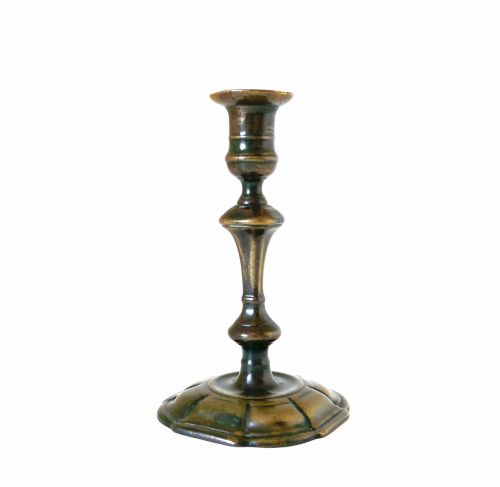
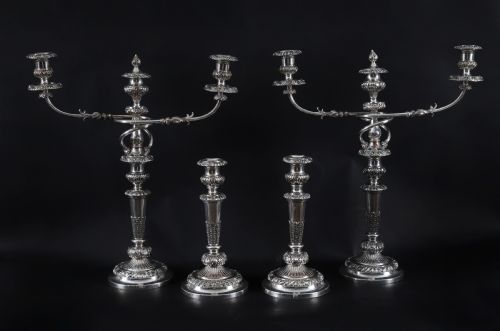
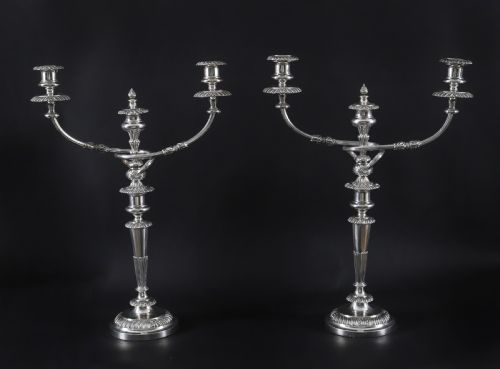
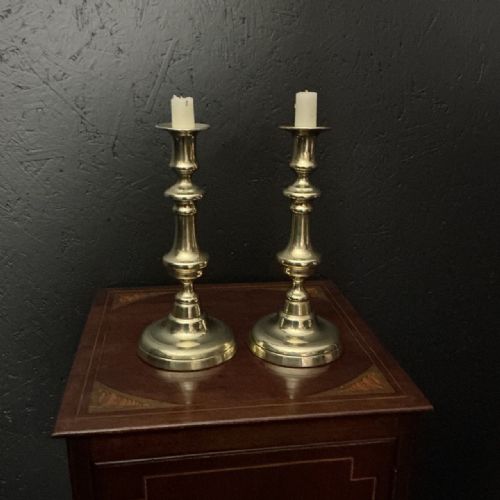
Brass examples dominate the selection, appearing alongside fruitwood, walnut, mahogany, wrought iron, pewter, silver plate, and giltwood. Forms range from tall column candlesticks and petal base designs to multi-light candelabra, wall-hanging candle boxes, and girandole mirrors.
How They Were Made
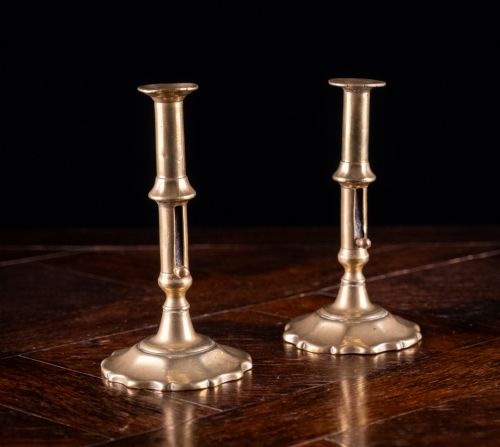
Metal items such as brass candlesticks utilise seamed construction techniques and cast components, sometimes incorporating side ejectors or spring actions for removing candle stems. Iron rushlights combine forged metal jaws with tripod or wall-mounted bases for gripping rush pith.
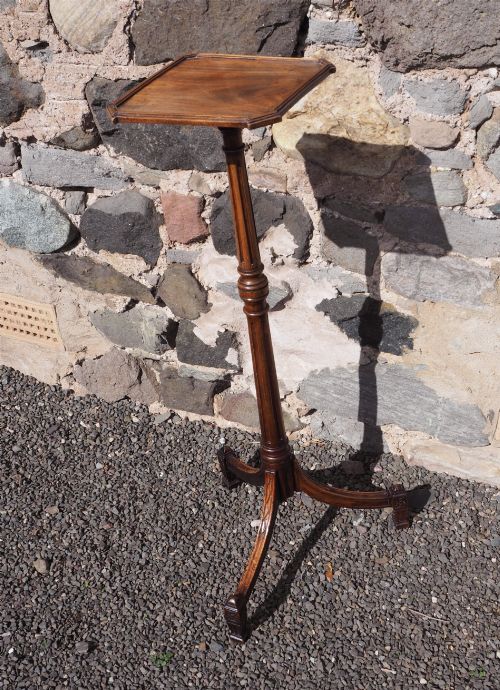
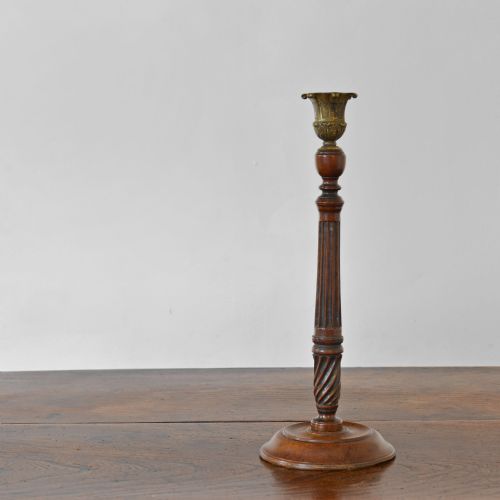
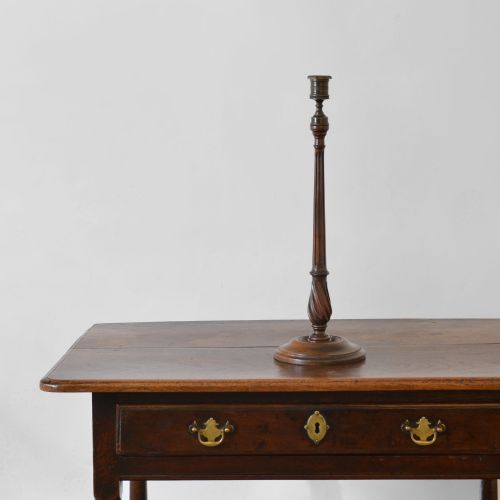
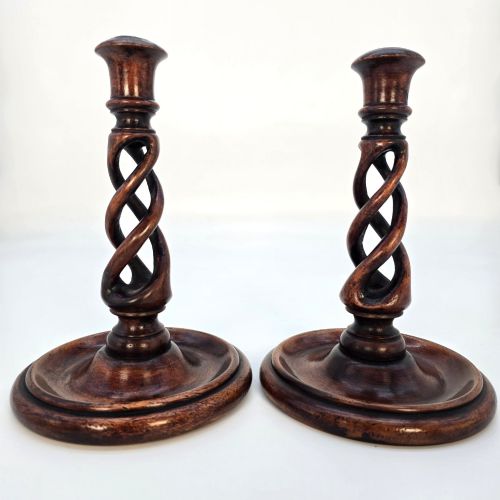
Wooden forms employ turned fruitwood, walnut, and mahogany, frequently shaped into open twists or tall torchere stands. Giltwood wall sconces and altar sticks rely on carved timber surfaces finished with gold leaf.
What Varies in Quality
The distinction between standard domestic items and high-end pieces rests on the weight of the metal, the crispness of the casting, and the skill of the wood carving. Heavy brass sections, clean petal bases, and detailed Rococo or Neoclassical ornamentation separate superior work from basic production.
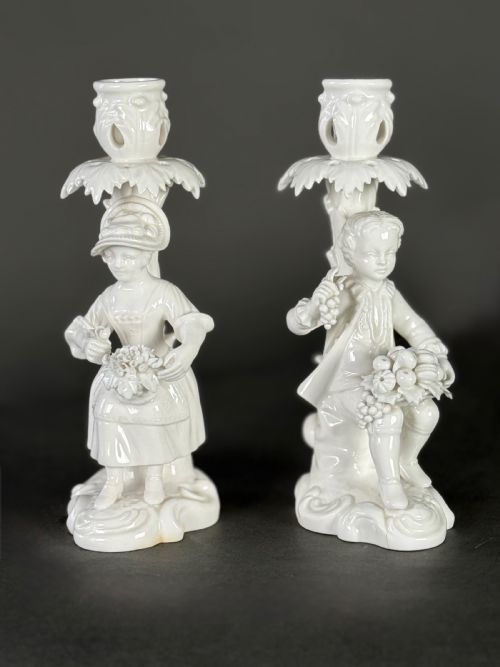
Originality of surface patination and completeness of matching pairs heavily influence standing. Pieces retaining original giltwood, undamaged porcelain bocage figures, or functioning mechanical ejectors represent the upper tier of surviving examples.
Matthew Boulton·J. Miller·John Cafe
The 18th Century Candle Holders Glossary
- Ejector
- A concealed mechanism within a candlestick stem that pushes the remaining candle stump upward for easy removal. This device appears frequently in mid-Georgian brass examples.
- Rushlight holder
- A weighted or tripod-based iron stand featuring spring-action jaws designed to grip a dried rush dipped in animal fat. These served as economical lighting before candles became common.
- Torchere
- A tall decorative stand or candlestick designed to elevate a light source above floor level. These tall supports are frequently carved from walnut or mahogany.
- Girandole
- A branched wall-hanging candle holder incorporating a mirror to reflect and multiply the light. These carved giltwood frames date to the late 18th century.
- Pricket
- A sharp metal spike atop a candlestick or altar stick designed to impale a candle rather than fit inside a socket. This form is common on ecclesiastical altar pieces.
- Bocage
- An ornamental background of carved or porcelain foliage surrounding figural subjects. This decorative foliage appears on Derby porcelain candlestick figures.
18th Century Candle Holders: Frequently Asked Questions
How do I date an 18th century brass candlestick?
Dating relies on examining the construction methods, such as seamed shafts, heavy cast petal bases, and the presence of side ejectors. Stylistic shifts from early Baroque weightiness to lighter George III Neoclassical columns help narrow the decade.
Base wear, patination, and manufacturing marks further assist in separating mid-Georgian work from later 19th-century reproductions or continuations.
Were rushlight holders used alongside candles?
Rushlights provided inexpensive household lighting by burning dried rushes soaked in grease, while candles offered brighter, cleaner illumination for wealthier households or formal rooms. Both lighting methods occupied homes during the 17th and 18th centuries.
Iron rushlight holders often included auxiliary candle sockets to accommodate whichever fuel source was available.
How do I care for antique wooden candle holders?
Wooden candlesticks and torcheres require stable room humidity and protection from direct sunlight to prevent timber splitting or veneer lifting. Gentle dusting with a dry cloth maintains the surface without stripping historical finish.
Wax drips should be removed with care using plastic scrapers rather than heat or harsh solvents to preserve the underlying fruitwood, walnut, or mahogany.