

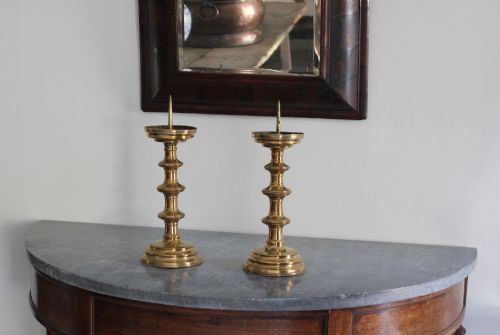
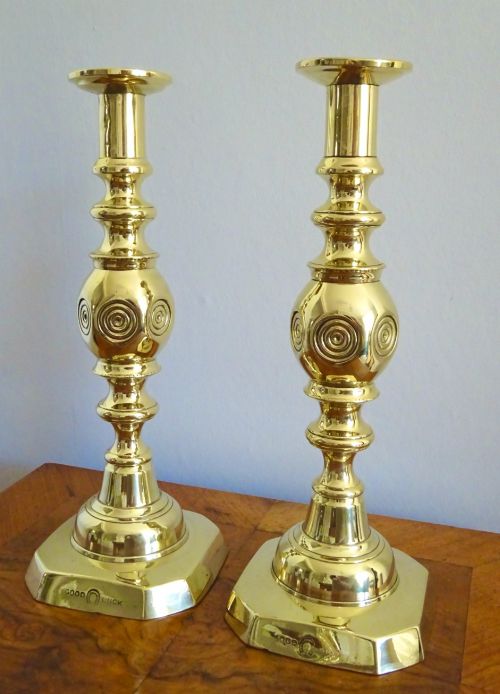


Knopped Brass Candlesticks
These knopped brass candlesticks bring substantial weight and structural form to a table, offering solid metal construction shaped into distinctive swelling nodes.
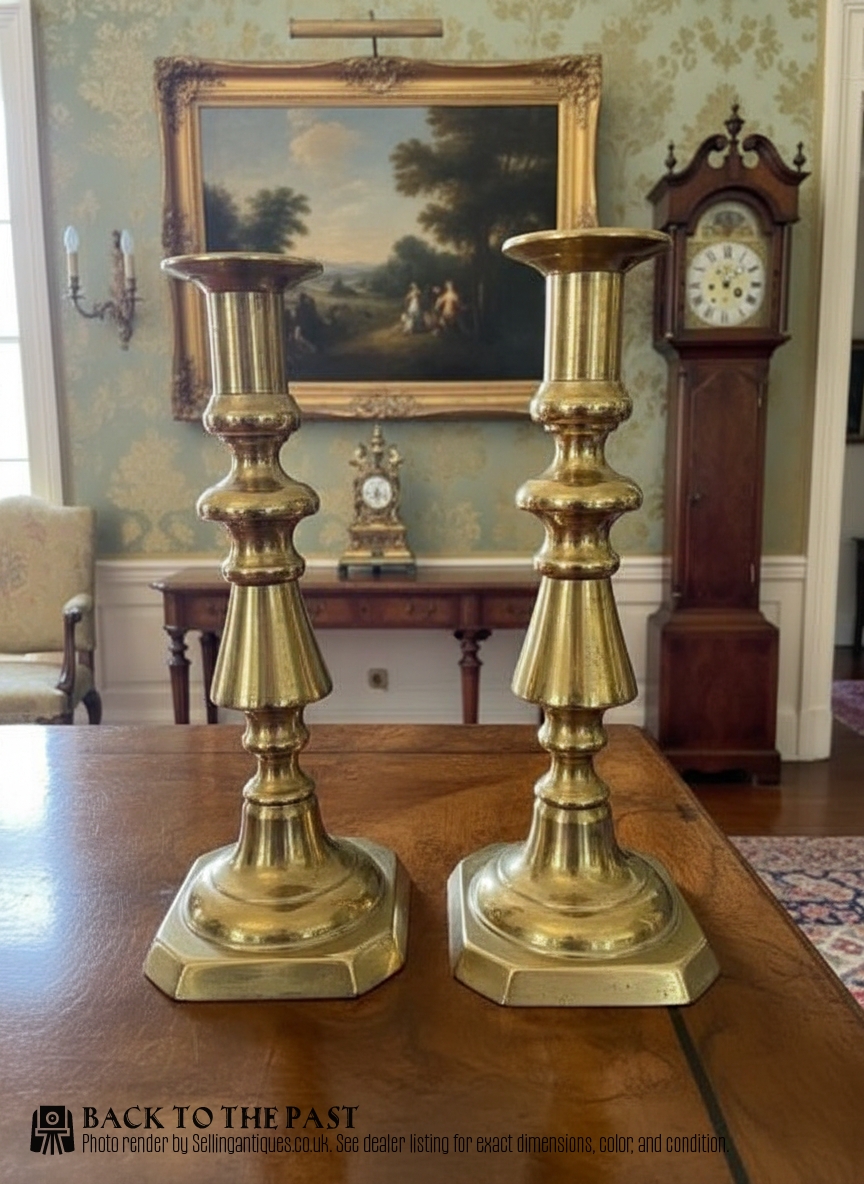
Knopped Brass Candlesticks
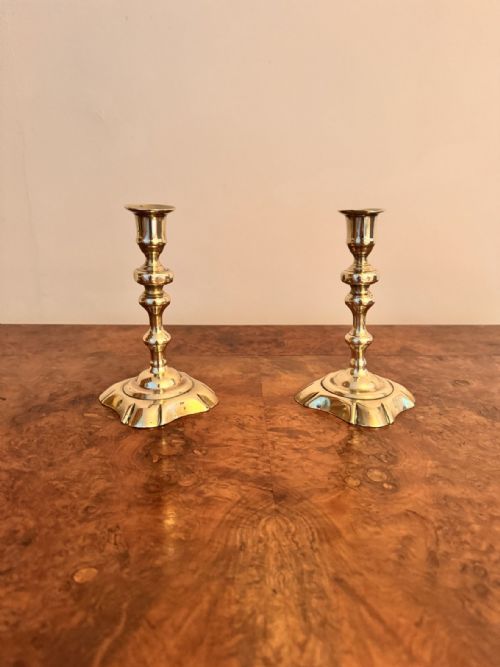
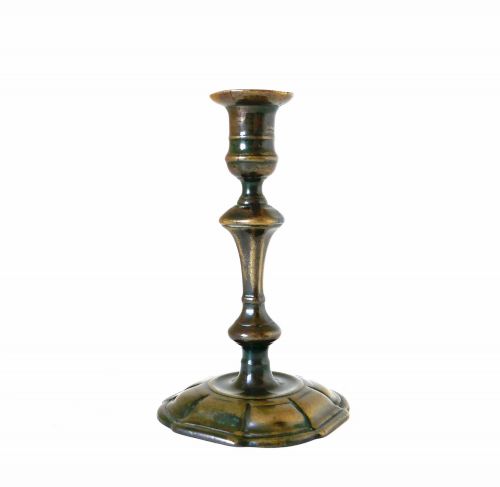
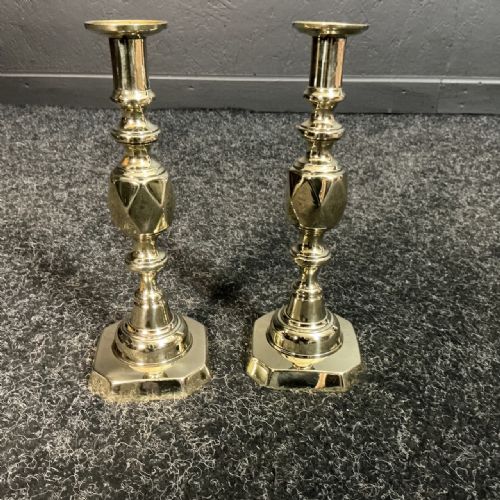
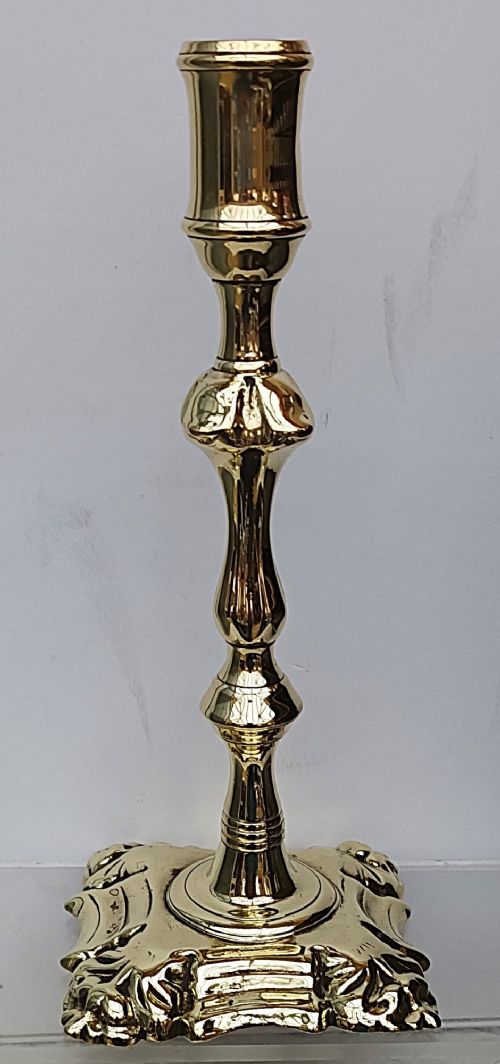
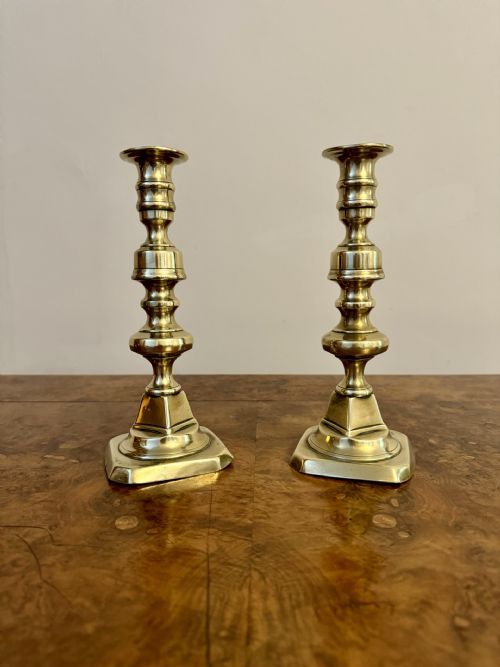
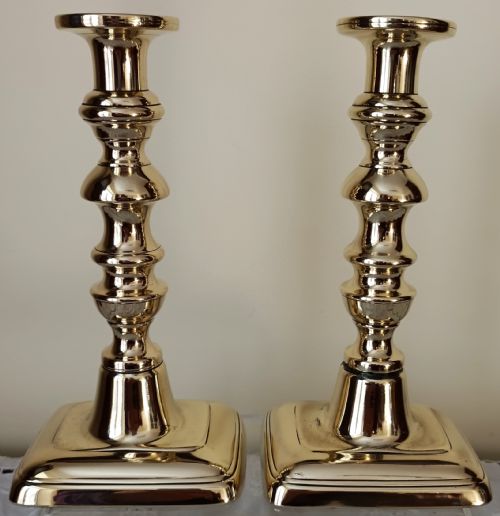
When hunting for knopped brass candlesticks, buyers encounter lighting pieces defined by prominent raised nodes or stems placed along the central column. These items span multiple centuries, ranging from early examples through Georgian and Victorian iterations to later Revival periods.
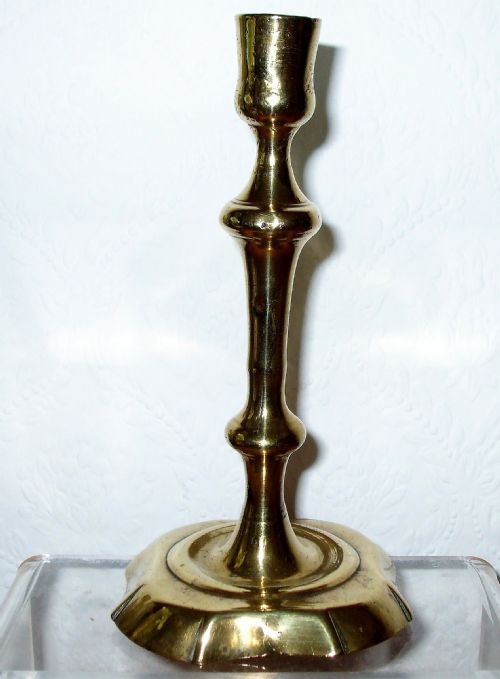
The version most commonly met on this page is the Victorian or 19th century pair, often featuring distinct column patterns such as the diamond motifs or the beehive form. Earlier pieces from the 18th century and 16th century also appear, presenting simpler baluster silhouettes or multi-knopped stems on petal bases.
How they were made
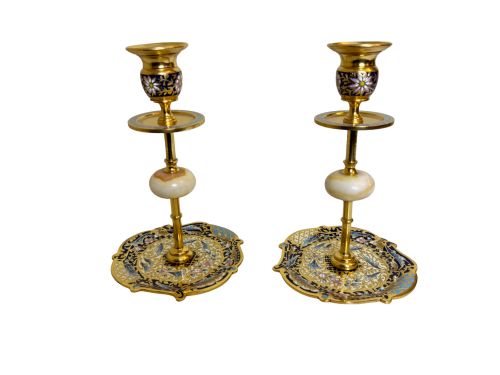
The primary material across these listings is brass, frequently worked via casting methods that produce durable columns and sturdy bases. Some pieces incorporate alternative substances like gilt bronze, champleve enamel, and onyx to add colour and texture to the metal framework.
Construction techniques include seamed fabrication in earlier examples and later cast production during the 19th century, allowing makers to shape intricate baluster stems and multi-knopped profiles. Surface finishes range from patinated brass to gilt-brass and polished metal.
Knopped Brass Candlesticks Retail Price Guide 2026
Typical asking prices for knopped brass candlesticks among the pieces listed under this phrase on Sellingantiques today, from the lower quarter to the upper quarter. They describe what is for sale here now, not the wider market.
Materials across these listings extend beyond traditional brass to include gilt bronze, champleve enamel, and onyx.
What varies in quality
The distinction between standard examples and the finest items rests on the crispness of the casting and the balance of the knopped stem. Superior pieces display sharply defined mouldings on the columns and substantial weight in the bases.
Proportion and decorative detail also differentiate the range, where nuanced shaping on the baluster and well-executed stylistic motifs elevate a pair above everyday domestic lighting.
J.T. & Co·James Clews
The Knopped Brass Candlesticks Glossary
- Knop
- A swelling, rounded knob or lump on the stem of a candlestick that provides grip and visual interruption to the vertical column. It forms the defining characteristic of this entire category.
- Baluster
- A moulded column shape that swells near the base and tapers toward the top, commonly seen in support structures and candlestick stems.
- Petal base
- A foot design spreading outwards in lobed segments resembling flower petals, frequently found on 18th century candlesticks.
- Sconce
- The socket at the top of a candlestick designed to hold the candle securely in place.
- Champleve
- An enamelling technique where troughs are carved into metal and filled with vitreous enamel before firing, seen on select decorated pairs.
Knopped Brass Candlesticks: Frequently Asked Questions
How do I date an old brass candlestick?
Dating relies on observing manufacturing techniques, such as seamed construction versus solid casting, alongside the prevailing style of the stem and base. Earlier items often feature multi-knopped stems and petal bases, while later Victorian examples introduce specific moulded patterns.
Examining the wear patterns and the type of brass alloy provides further context for placing a piece within a specific century or stylistic period.
Were these candlesticks used for everyday lighting?
These metal holders served as primary indoor illumination sources in homes before the widespread adoption of gas and electric lighting. They moved from room to room as needed, carrying tallow or beeswax candles.
Heavier examples provided stability on dining tables and mantlepieces, while smaller single versions accommodated travel or bedside use.
How should I clean antique brass candlesticks?
Maintenance generally involves removing dust with a soft, dry cloth to preserve the existing patina and historic surface finish. Aggressive polishing agents or abrasive materials should be avoided, as they strip away the aged character accumulated over centuries.
Gentle care ensures the metal retains its natural warmth without damaging the underlying structure.
What does a knop actually do?
The knop serves both a structural and an aesthetic purpose by adding visual weight to the centre of the stem. Historically, this thickened portion also made the stick easier to grasp safely when moving lit candles around a dark house.
Different periods favoured various knop shapes, ranging from simple spherical bulges to complex multi-tiered nodes.