




Brass Column Candlesticks
Brass column candlesticks combine architectural form with warm metal, offering steady illumination and period character for a mantel or table.
Brass Column Candlesticks
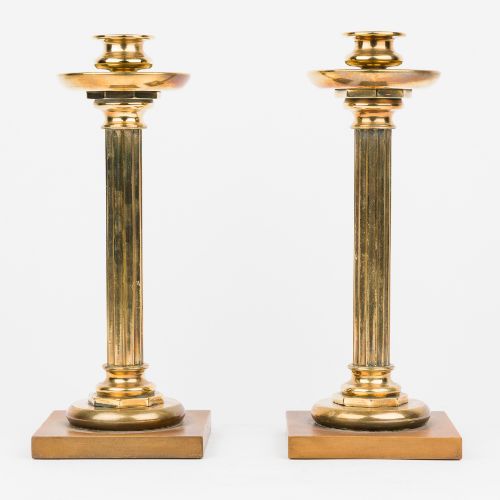
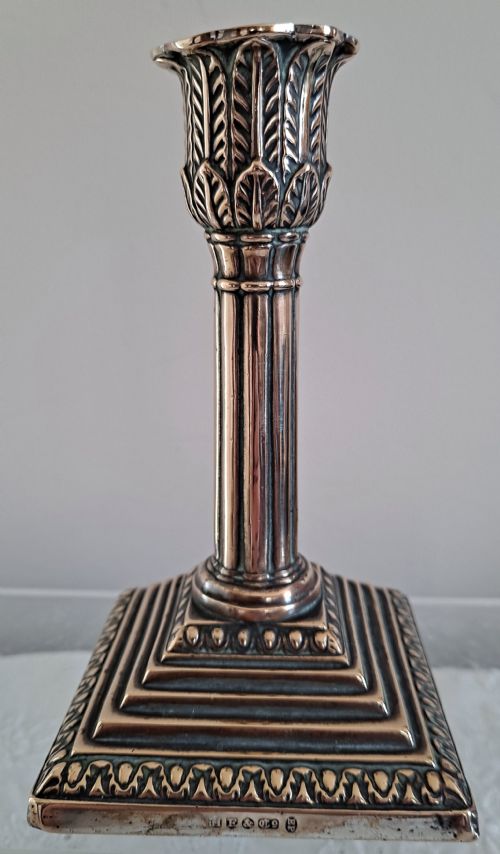
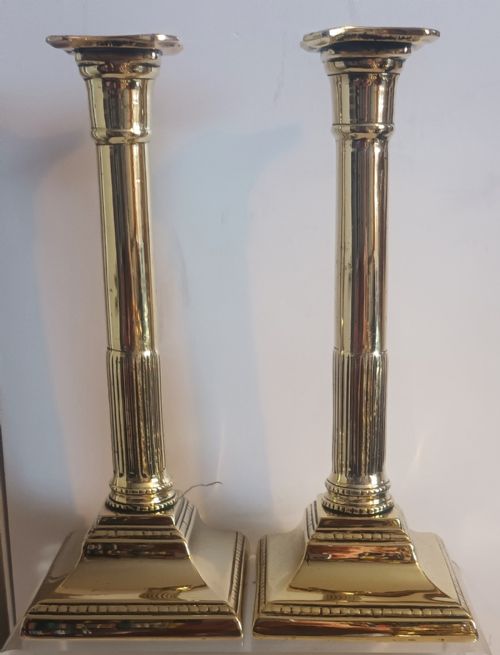
Brass column candlesticks are elevated holders designed to support candles, utilising classical orders such as Corinthian and ionic shafts. These pieces bridge domestic lighting and formal design, appearing frequently in Victorian and Edwardian variations.
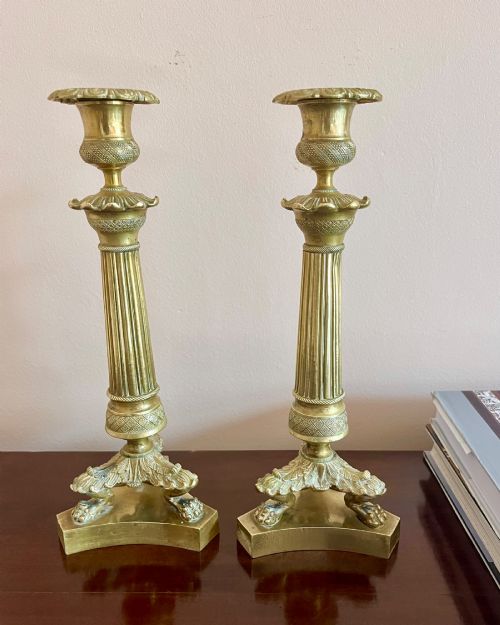
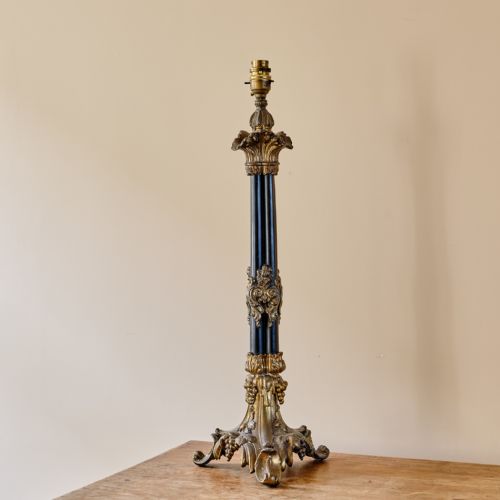
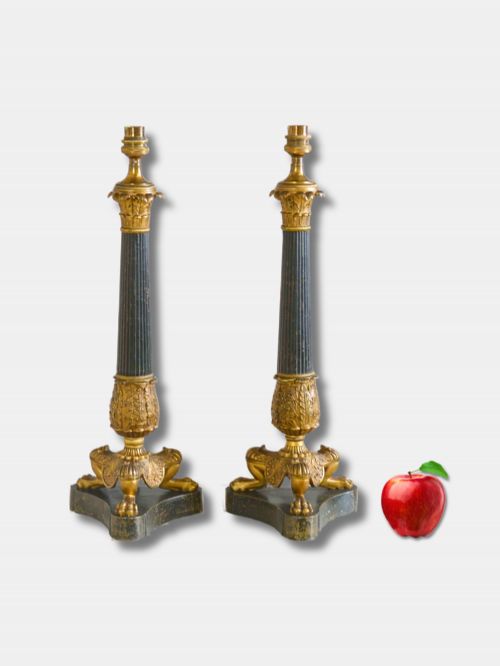
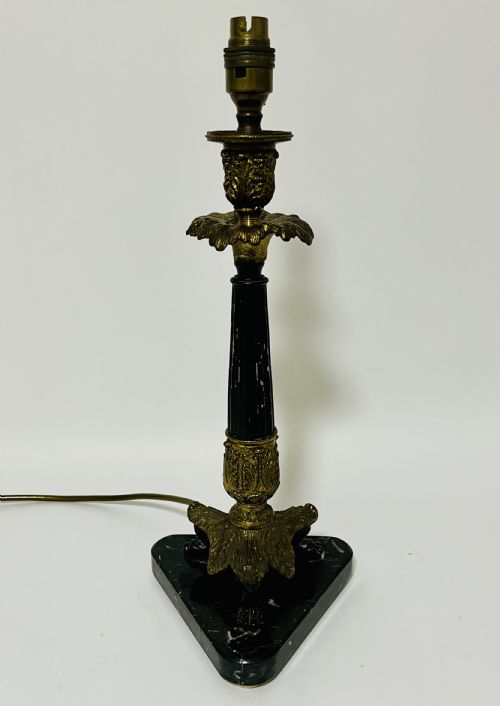
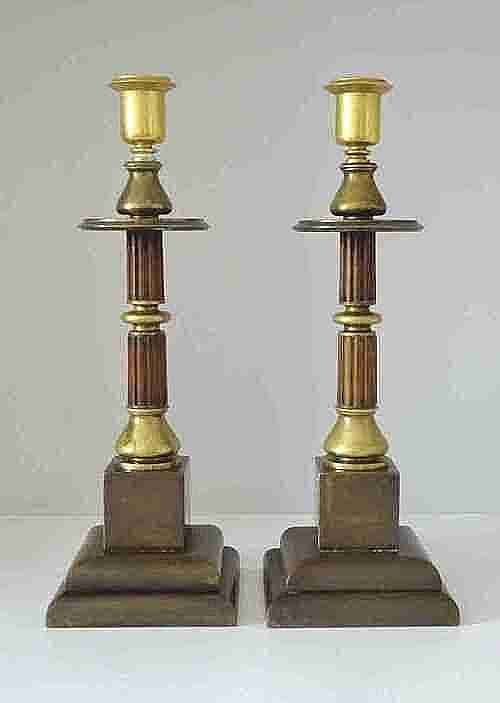
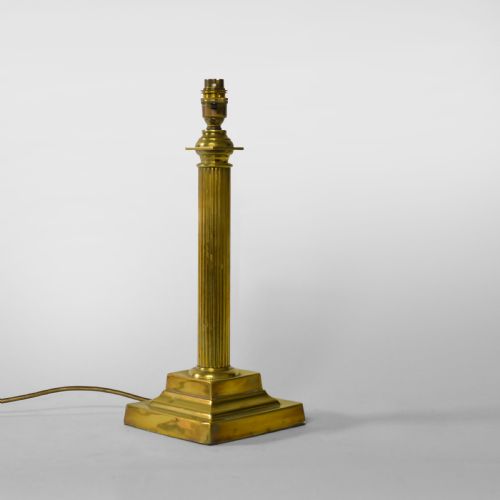
The selections available here range from simple turned shafts to ornate Neoclassical examples featuring stepped bases. Buyers encounter pairs suited for mantelpieces alongside individual items adapted into table lamps.
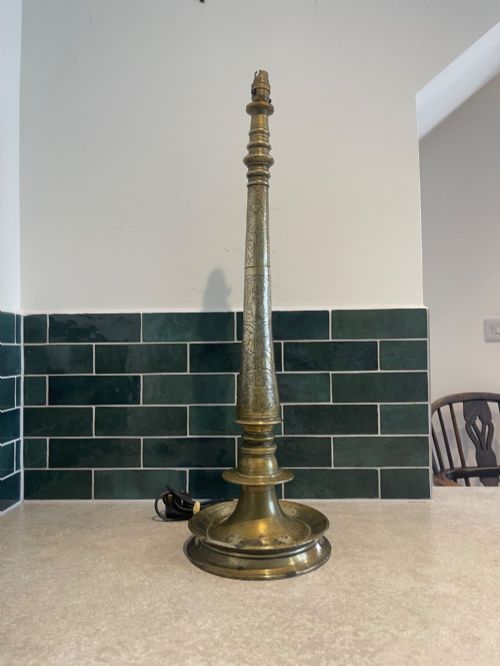
Origins span English workshops, French foundries and Indian makers, reflecting diverse stylistic interpretations of the classical column form across the nineteenth and early twentieth centuries.
How They Were Made
Foundries utilised casting techniques for heavy components, shaping molten brass into fluted columns and detailed capitals. Subsidiary elements were often turned on lathes or assembled from individually cast sections joined by threaded rods.
Surface treatments included patination, gilding, and silver plating over brass or bronze bases. Artisans also incorporated secondary materials such as marble, glass, and wood to add weight and decorative contrast.
Brass Column Candlesticks Retail Price Guide 2026
Typical asking prices for brass column candlesticks among the pieces listed under this phrase on Sellingantiques today, from the lower quarter to the upper quarter. They describe what is for sale here now, not the wider market.
Listings feature items from the Georgian period through the 1930s, incorporating brass, bronze, marble, and glass.
What Varies in Quality
Proportion and casting crispness define the upper tier of these pieces, where acanthus leaves on capitals and stepped plinths exhibit sharp, deep relief. Lesser examples rely on simplified surface chasing and lighter gauge metal that lacks structural substance.
The integrity of the assembly separates standard production from superior work. High-grade pieces maintain precise vertical alignment across multiple stacked sections without visible distortion at the joints.
J. Miller
The Brass Column Candlesticks Glossary
- Corinthian
- A classical column order characterised by ornate capitals decorated with stylised acanthus leaves. This style appears frequently on formal nineteenth-century lighting.
- Ormolu
- Gilt bronze produced by applying a finely ground gold-mercury amalgam to a bronze object, creating a bright golden finish. The technique was widely employed in French Neoclassical metalwork.
- Pricket
- A sharp metal spike set on a candleholder to secure a large wax candle or taper. These are common on church and altar pieces.
- Barley twist
- A decorative spiral turning resembling a twisted rope, used on shafts to catch the light. This form is characteristic of seventeenth-century revival and later Victorian designs.
- Patination
- The natural surface change and coloration acquired by metal over time through handling and oxidation. Collectors value undisturbed patination for its historical depth.
Brass Column Candlesticks: Frequently Asked Questions
How do I date brass column candlesticks?
Dating relies on observing manufacturing techniques, base construction, and stylistic markers tied to specific periods like the Georgian or Victorian eras. Tool marks, casting seams, and wear patterns on the underside provide additional chronological clues.
Heavier cast brass components and sharp detailing typically point to earlier nineteenth-century work, whereas lighter construction often indicates twentieth-century production.
Were these candlesticks converted into lamps?
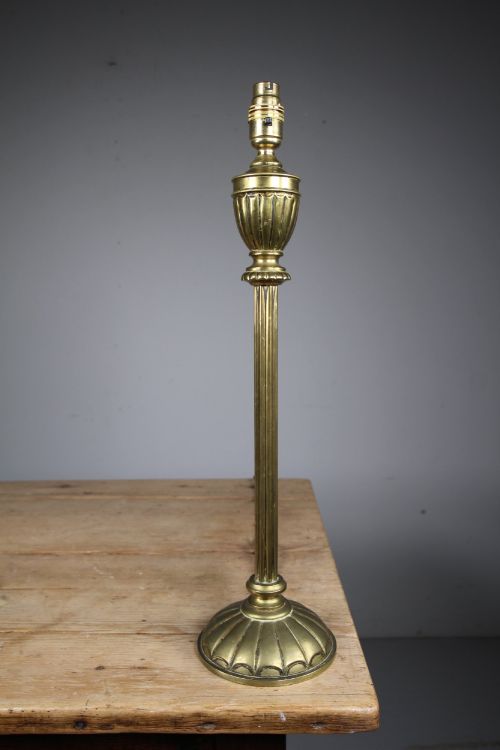
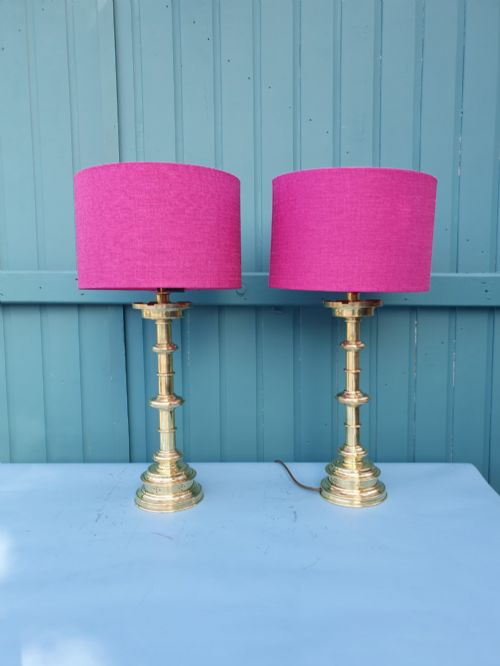
Many surviving examples have been adapted to hold electrical fittings over the decades. Conversions often involve running wiring through the central column or mounting bulb holders directly to the top.
Buyers find both original candle-holding formats and period-converted table lamps within these collections, suiting different functional needs.
How should I clean polished brass?
Maintaining brass involves removing dust with a soft cloth and avoiding abrasive substances that strip the underlying metal surface. Gentle cleaning preserves the desired level of brightness without harming historic patination.
Unlacquered pieces require occasional attention to prevent tarnish, while older surfaces often benefit from minimal intervention to retain their age.
Are pairs harder to find than singles?
Matched pairs are scarcer because lighting accessories often became separated across different households over generations. Single pieces appear more frequently in domestic inventories.
Collectors seeking symmetry focus specifically on surviving pairs, which command greater interest for mantel and sideboard placement.