
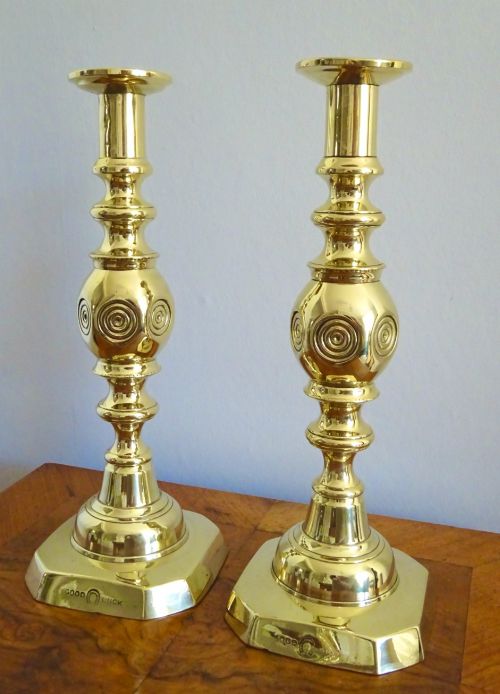


Cast Brass Candleholders
Cast brass candleholders bring substance to a room, offering enduring metal forms designed to hold flame through the centuries.
Cast Brass Candleholders
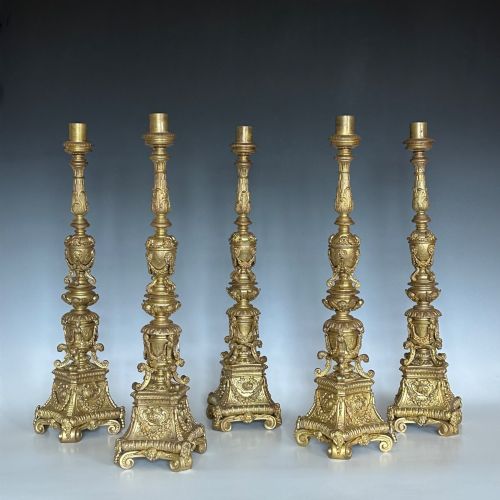
When you search for cast brass candleholders, you encounter a robust range of lighting fixtures spanning the eighteenth, nineteenth, and early twentieth centuries. These objects take the form of candlesticks, chambersticks, candelabra, and wall sconces, originating from English, French, and Venetian workshops.
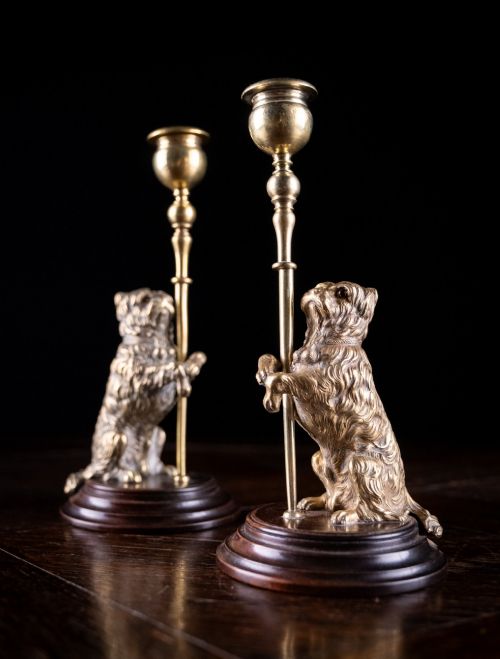
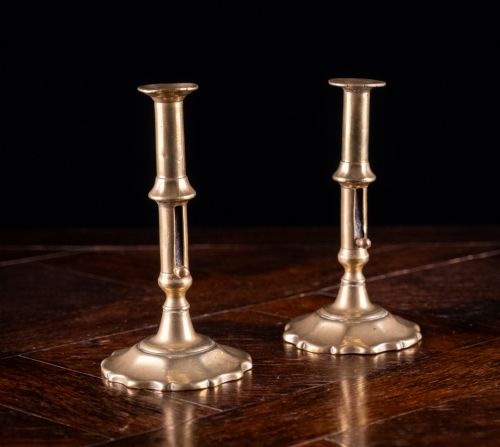
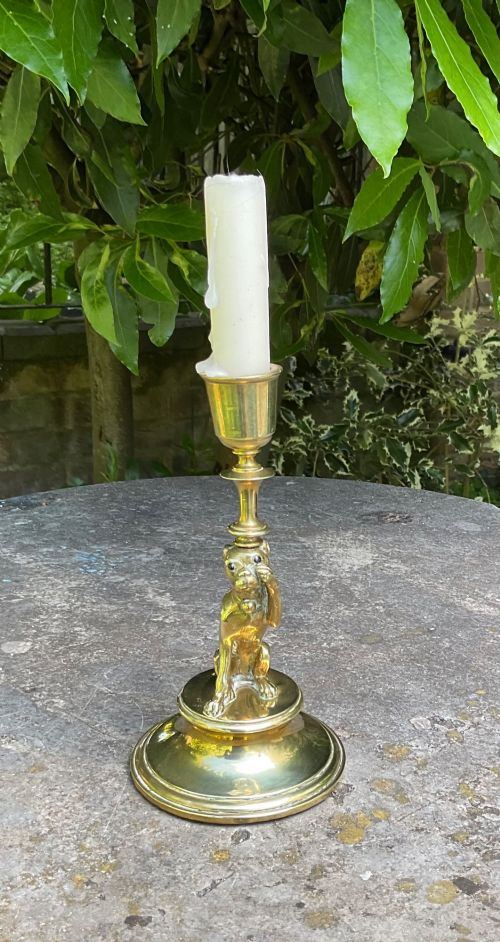
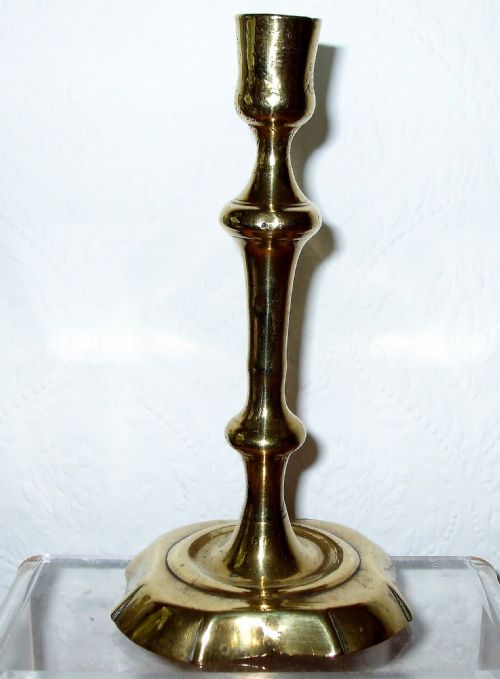
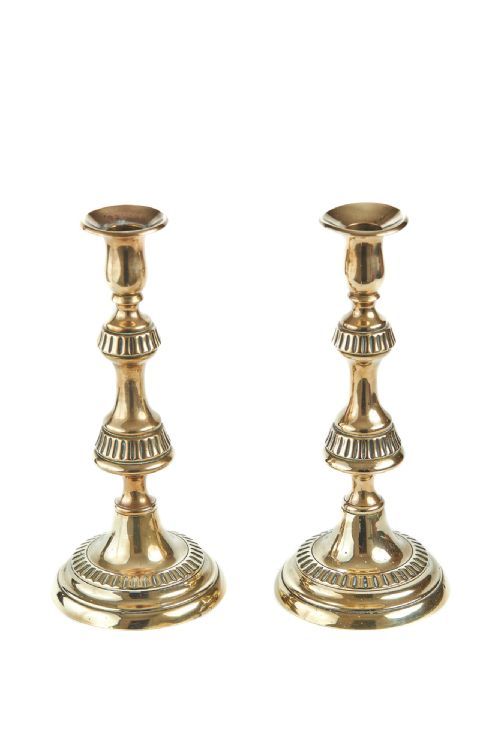
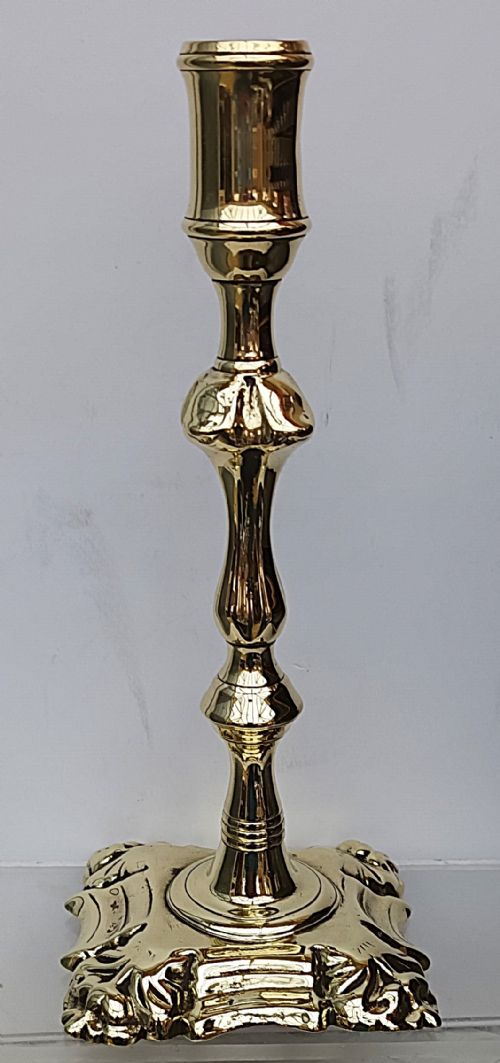
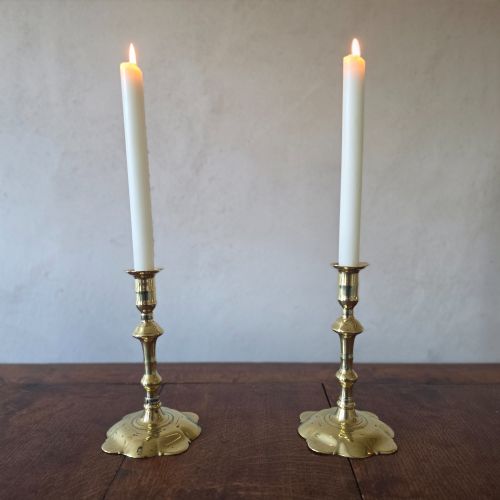
The most common examples on this page are pairs of candlesticks from the Georgian, Victorian, and Regency periods. You will find standard baluster and column forms alongside decorative variants incorporating porcelain inserts or figural designs such as dogs and lions.
Materials and Techniques
The primary material is cast brass, though listings also record gilt bronze, bronze, ormolu, wood, and porcelain components. Molten metal was poured into moulds to form the structural parts, which were then turned on lathes and finished by hand.
Many examples from the eighteenth century utilise multipart construction joined together at the stem and base. Later nineteenth-century items often display more ornate cast ornamentation, sometimes combining brass with contrasting ceramic elements.
Cast brass pugs, terriers, and lions stand ready to hold your taper.
Judging Quality
Quality rests in the crispness of the casting and the weight of the metal used in the piece. Finer examples retain sharp detail in their mouldings and balanced proportions across the base and column.
The distinction between standard domestic items and higher-tier work lies in the refinement of the finishing and the complexity of the decorative elements. Patina and original surface texture also distinguish untouched early examples from later polished pieces.
The Cast Brass Candleholders Glossary
- Cast brass
- An alloy of copper and zinc poured into a mould to create solid or hollow decorative objects. This method allows for intricate surface detail and durable construction.
- Baluster
- A moulded column shape with a swollen lower portion reminiscent of a classical architectural baluster. It is frequently seen on eighteenth and nineteenth-century stems.
- Chamberstick
- A low portable candleholder featuring a pan to catch dripping wax and a loop handle for carrying. Some versions include a small socket spike.
- Ejector
- A concealed internal mechanism operated by a thumbpiece to push out the remnant of a burned candle. This feature is common on mid-eighteenth-century English designs.
- Gilt bronze
- Bronze metal treated with a layer of gold applied through amalgamation or electroplating. It provides a rich metallic surface finish.
Cast Brass Candleholders: Frequently Asked Questions
How do I date a brass candlestick?
Dating relies on observing base shapes, manufacturing methods, and stylistic cues from periods like the Georgian or Victorian eras. Multipart construction and petal bases often point to earlier eighteenth-century origins.
Later nineteenth-century pieces typically show heavier cast ornamentation or machine-finished components. Comparing the proportions against documented examples helps confirm the timeframe.
What is a Brighton bun chamberstick?
A Brighton bun is a specific type of travelling chamberstick shaped like a rounded bun or sphere. It unscrews or opens to store the candle securely for travel.
These compact brass pieces were popular in the nineteenth century for moving safely around dimly lit homes.
How were these candleholders used?
They provided portable illumination in rooms before the widespread adoption of gas and electric lighting. People carried chambersticks down corridors, while taller candlesticks sat on tables and mantelpieces.
Servants would use ejector mechanisms to clear out spent wax remnants from the sockets after use.
How do I clean antique brass?
Most collectors prefer to leave a natural, aged patina intact rather than polishing the metal to a bright shine. Gentle dusting with a soft cloth is usually sufficient for everyday maintenance.
Avoid harsh chemical cleaners that strip away the historical surface finish and character.