


Regency Brass Candleholders
Regency brass candleholders bring neoclassical weight and sharp proportion to a room, catching the light in a way few other items manage.
Regency Brass Candleholders
When you search for regency brass candleholders, you find a range of lighting made primarily during the Georgian, Regency, and nineteenth century periods. These items encompass candlesticks, candelabras, and wall lights shaped by neoclassical and empire influences.
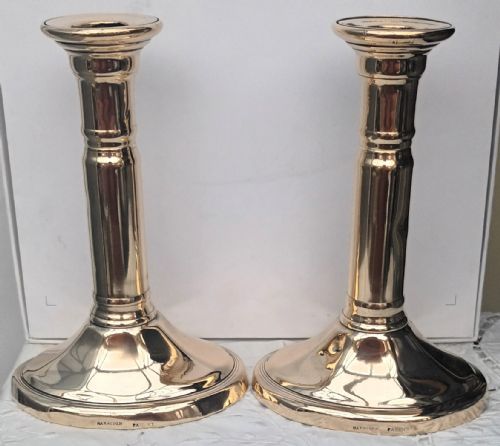
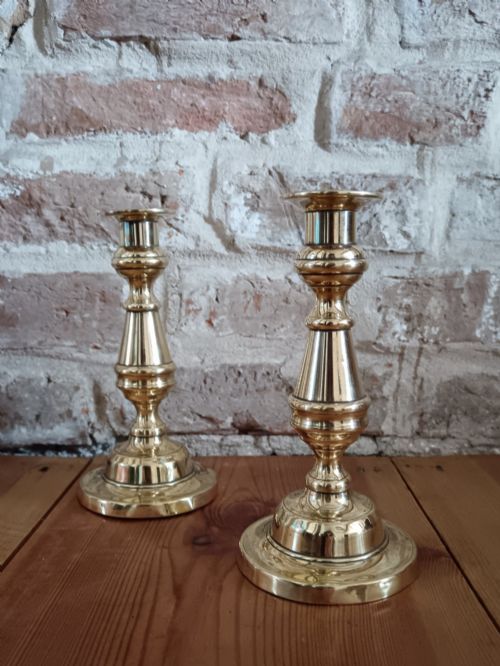
The objects on this page lean heavily toward matched pairs, frequently taking the form of column candlesticks, ejector designs, or telescopic formats. Most pieces date from the nineteenth century, including specific Regency examples alongside Georgian precursors and later Victorian echoes.
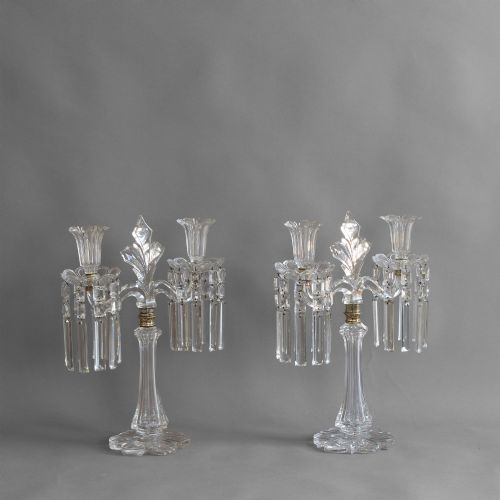
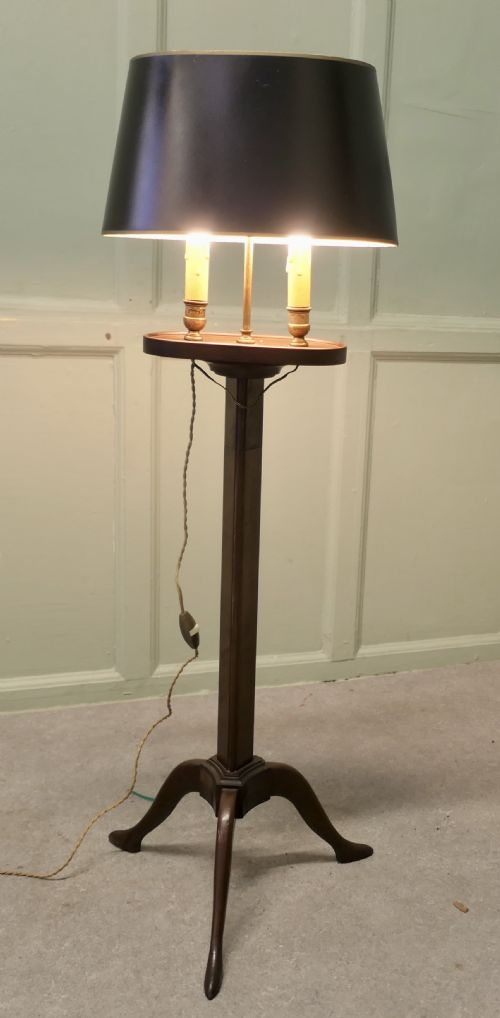
Beyond standard candlesticks, the selection includes bouillotte floor lamps, lustres with cut glass, and bronze or ormolu items featuring dolphin motifs. The material palette extends past pure brass into patinated bronze, copper, silver plate, and mahogany combinations.
How They Were Made
Maker operations relied heavily on brass casting and turning on lathes to build rigid column shafts and weighted bases. Many examples incorporate mechanical elements such as telescopic sliding shafts or internal ejector mechanisms designed to push out spent wax stubs.
Finishes varied between bright polished surfaces, patinated bronze treatments, and fire-gilded ormolu applied over base metals. Combinations often integrated cut glass pendants or crystal drops, particularly on lustres and candelabras, alongside occasional mahogany components.
Available formats include column candlesticks, bouillotte floor lamps, wall lights, and telescopic designs featuring mechanical adjustments.
What Varies in Quality
The standard of a piece depends on the crispness of the casting detail and the weight of the metal used in the construction. Heavier components and deeply chased neoclassical ornament separate high-end workshop production from simpler commercial output.
Condition and completeness also define the tier of an item, particularly regarding the presence of original push-up mechanisms, matching cut glass drops, and untuned patination. Maker signatures or patent stamps, such as Harrison patent markings, elevate the standing of individual pairs.
Harrison Patent
The Regency Brass Candleholders Glossary
- Ejector
- A built-in internal mechanism featuring a small side lever or slide that pushes the candle stub up and out of the socket. This device prevents stuck wax and made cleaning straightforward.
- Telescopic
- A multi-section extendable shaft that allows the overall height of the lighting to be adjusted up or down. These extendable stems were especially popular on desk and reading lights.
- Ormolu
- Finely ground high-carat gold mercury-gilded onto a bronze or brass base to create a rich, durable yellow-gold finish. It was favoured during the Regency and Empire periods for luxury decorative metalwork.
- Lustre
- A tabletop candle holder decorated with hanging cut glass or crystal prisms designed to refract candle flame. The prisms catch the light and multiply the illumination in a darkened room.
- Bouillotte
- A shaded candle lamp originally designed for card games, featuring an adjustable metal shade mounted on a central column. Twin or multiple candle arms extend above a small saucer base.
Regency Brass Candleholders: Frequently Asked Questions
What is an ejector candlestick?
An ejector candlestick contains a hidden internal rod and an exterior thumb tab that raises the remaining candle wax out of the socket. This clever mechanical feature made it easy to clear out old grease without digging into the brass.
Such mechanisms are frequently found on nineteenth century and late Georgian examples designed for everyday utility. They remain a reliable indicator of period engineering when checking functional items.
How do I identify Regency style?
Regency style draws heavily on classical antiquity, featuring clean architectural columns, paw feet, and crisp geometric lines. The ornamentation often includes acanthus leaves, reeding, and classical drapery motifs derived from Greek and Roman design.
In metalwork, this translates to heavy cast brass and patinated bronze with sharp, deliberate detailing. Pieces from this era feel solid and balanced, reflecting the neoclassical taste of the early nineteenth century.
Are these candleholders made of solid brass?
Most pieces combine cast and turned components made of solid brass, though manufacturing methods varied according to the workshop. Some items incorporate patinated bronze, copper, or silver plate over base metals to achieve contrasting dark and bright tones.
It is common to find weighted bases filled with pitch or other materials to ensure stability when holding tall candles. The exterior surfaces display the natural ageing of nineteenth century metalwork rather than modern plating.
How should I clean antique brass?
Antique brass requires minimal intervention to preserve its historic surface and natural patina accumulated over centuries. Dusting with a soft, dry cloth is usually sufficient for regular maintenance.
Avoid aggressive metal polishes that strip away the dark oxidation valued by collectors. Letting the metal age naturally maintains the depth of character that defines older pieces.