



Tabletop Candle Holders
Tabletop candle holders illuminate interiors through centuries of metalwork and design, bringing sculptural presence to any surface.
Tabletop Candle Holders
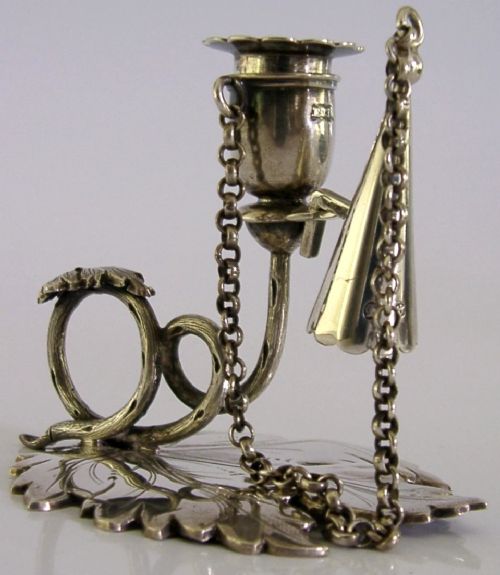
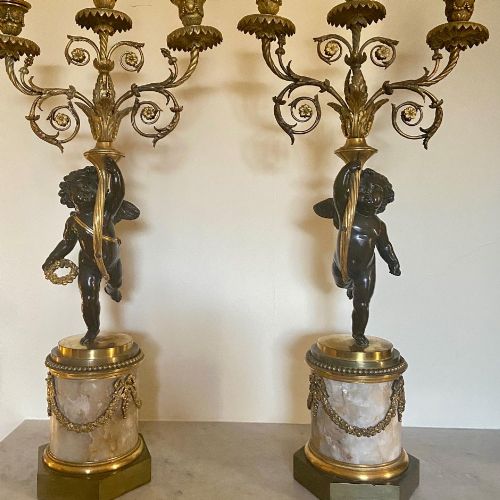
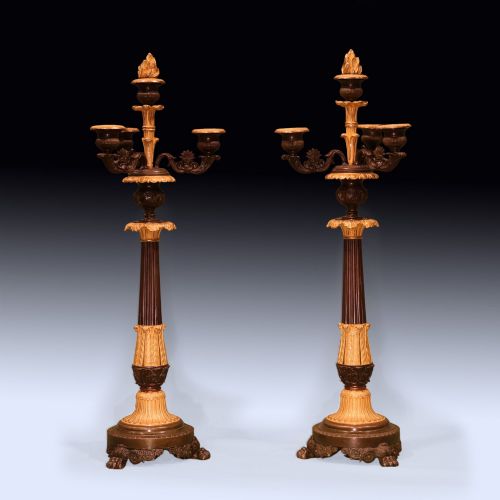
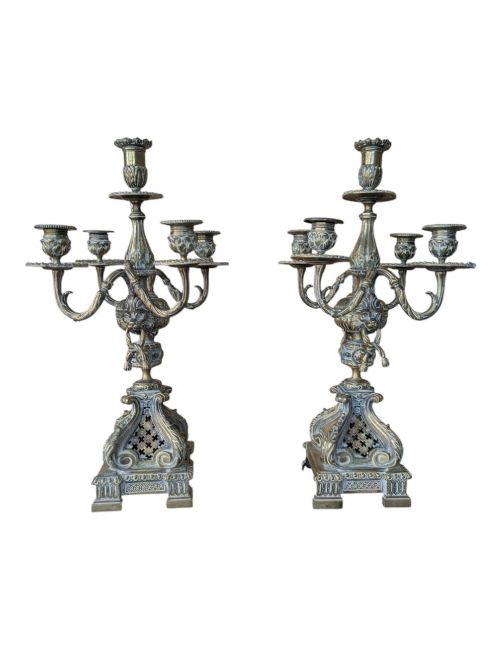
Tabletop candle holders encompass a diverse array of lighting pieces designed for domestic use, ranging from single stems to multi-branch candelabra. When searching for tabletop candle holders, buyers frequently encounter pairs fashioned from brass, bronze, and silver plate spanning the Georgian, Victorian, and Edwardian periods.
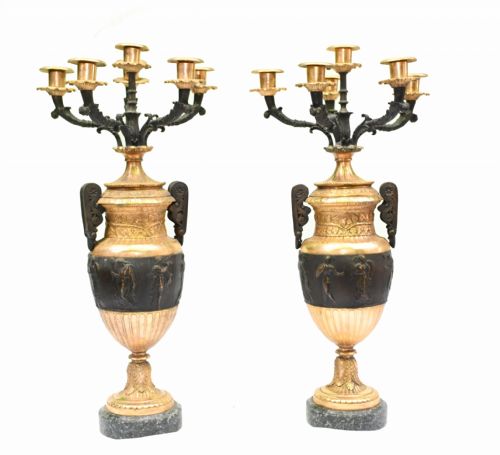
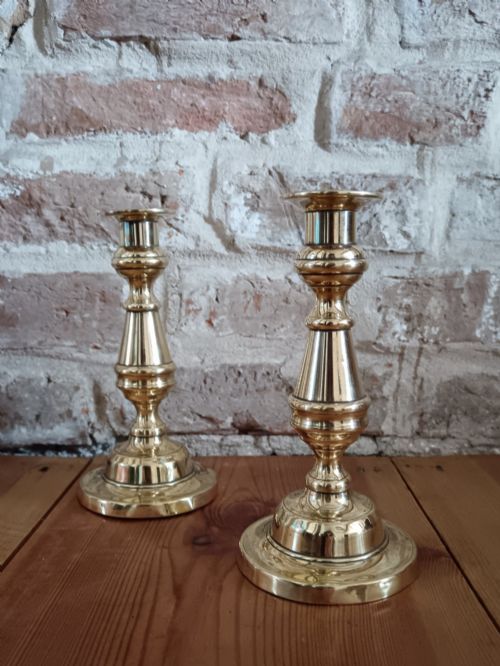
The selection includes tall monumental bronzes alongside low silver-plated branches and turned wooden stands. These objects served both practical illumination and decorative display within period interiors.
Originating across English and continental workshops, these items demonstrate distinct regional tastes from French Empire influences to English Georgian utility. The surviving pieces highlight domestic lighting evolution across the eighteenth, nineteenth, and early twentieth centuries.
Materials and Fabrication
Metal casting forms the basis of most pieces, utilising brass, bronze, and ormolu shaped through traditional foundry methods. Gilt and patinated finishes provide surface contrast, frequently paired with marble bases or carved wood components.
Silver plating and solid sterling silver techniques yield reflective finishes, particularly visible in Old Sheffield plate and later stamped or cast designs. Assembly often involves threaded components, turned wooden inserts, and hand-finished chasing on bronze details.
The listings span from the eighteenth century through the 1940s, featuring materials from basic brass and silver plate to gilt bronze and marble.
Assessing Quality and Execution
The distinction between standard production and superior examples lies in the crispness of the casting and the depth of the chasing. Finer specimens exhibit hand-finished details in bronze and ormolu, whereas simpler utilitarian items rely on basic turned or moulded brass components.
Proportion and weight differentiate the craftsmanship, with higher quality pieces demonstrating substantial metal gauge and balanced architectural forms. The integration of contrasting materials, such as marble or fluorspar bases, indicates elevated manufacturing ambition.
Francois Redmond·Thomas Hope·Barker Ellis·Sitzendorf
The Tabletop Candle Holders Glossary
- Ormolu
- Gilt bronze ornamentation applied to decorative arts, created by fusing a mercury and gold amalgam onto a bronze substrate. This technique produces a characteristic warm golden lustre found on French and English furnishings.
- Candelabra
- A branched lighting fixture designed to hold multiple candles simultaneously. These pieces often feature removable branches to allow conversion into single candlesticks.
- Ejector
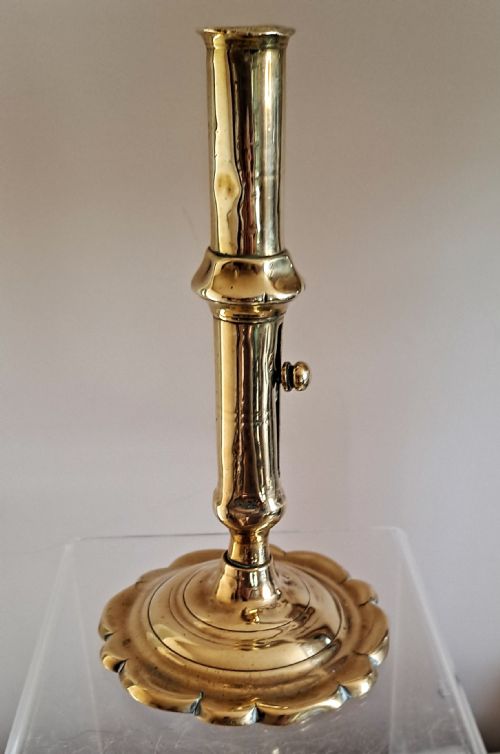
- A concealed internal mechanism within a candlestick that pushes the candle stub upward for easy removal. This practical addition appears frequently on nineteenth-century brass examples.
- Old Sheffield Plate
- A composite material made by fusing a thin sheet of silver to a thicker copper base. This early method precedes electroplating and exhibits distinctive edge-seams of exposed copper.
- Patinated Bronze
- Bronze treated with chemical solutions to produce a darkened or weathered surface colour. This finish enhances sculptural definition on figural subjects.
Tabletop Candle Holders: Frequently Asked Questions
How do I clean antique brass holders?
Maintenance requires gentle dusting with a soft cloth to preserve the historic surface patination. Harsh commercial metal polishes strip away age-related colour and can damage delicate chased details.
For stubborn residue, warm soapy water and a soft brush provide safe cleaning without abrasion. Dry thoroughly immediately afterward to prevent water spotting on older metal surfaces.
Were these used for daily lighting?
Domestic lighting relied entirely on these fixtures before the widespread adoption of electricity. Parlours, dining tables, and bedrooms utilised dedicated forms suited to each specific room.
Dining rooms required multi-arm candelabra to illuminate large gatherings, while bedroom chambers utilised low single candlesticks for portability. The wear patterns often indicate frequent handling and movement between spaces.
How can I tell the period?
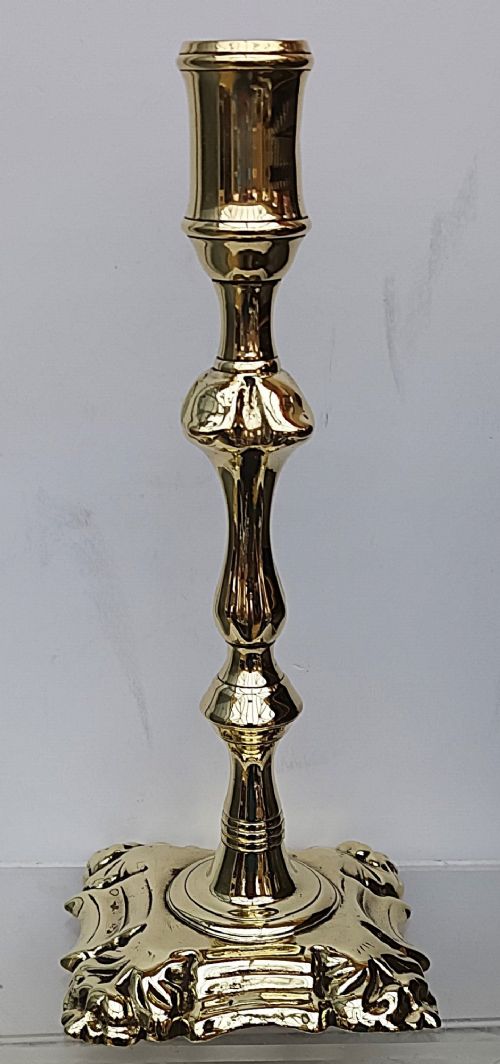
Dating relies on stylistic markers, casting techniques, and material composition typical of specific manufacturing eras. Georgian pieces often display heavy brass casting and petal bases, while Victorian items favour eclectic revival styles.
Examining construction methods underneath reveals assembly clues like hand-cut threads or early nut fixings. Hallmarks on silver components provide precise dates and assay office locations where applicable.
Can modern candles fit antique sockets?
Candle diameters varied widely across different centuries and manufacturing regions, meaning modern standard tapers rarely fit without adjustment. Adapting contemporary candles requires gently shaving the base or using discreet beeswax collars for a secure grip.
Forcing an oversized candle into an antique socket risks cracking fragile metal or ceramic components. Careful measurement of the nozzle diameter ensures safe display.