

Antique Metal Candlesticks
Antique metal candlesticks offer functional illumination and sculptural presence, spanning centuries of domestic metalwork from simple brass forms to elaborate gilt bronze designs.
Antique Metal Candlesticks
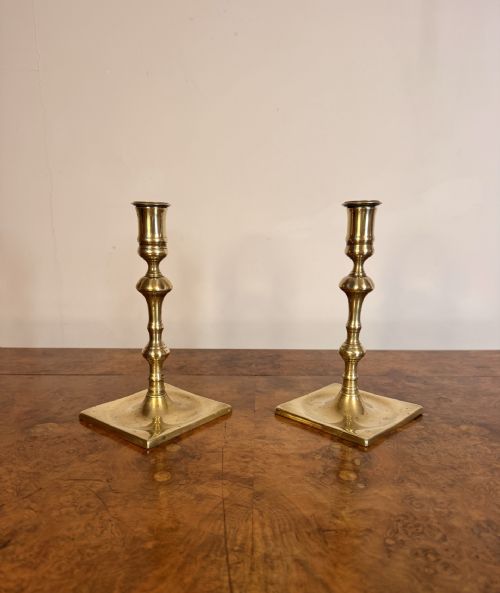
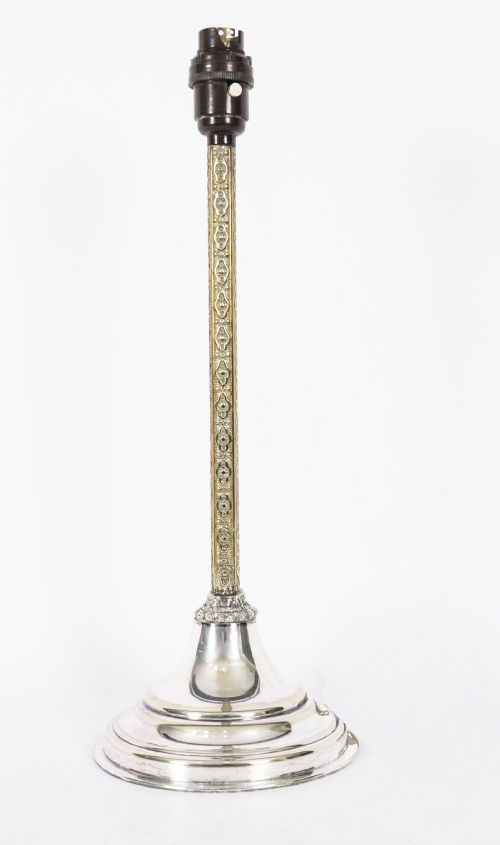
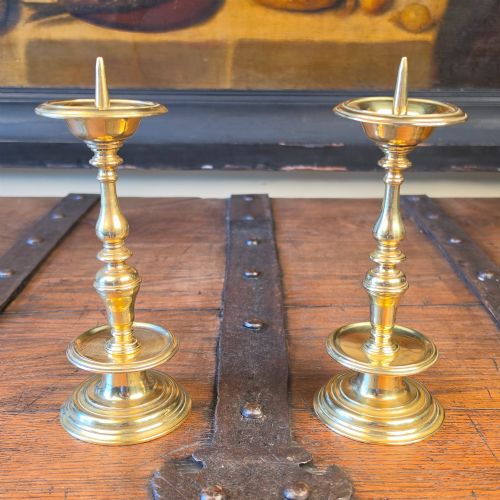
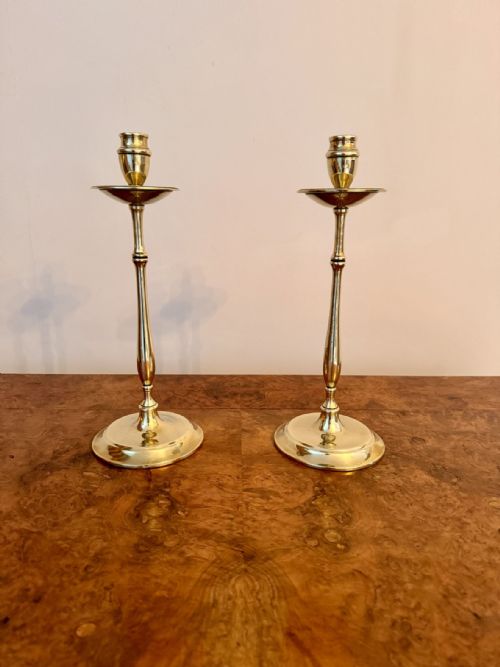
When searching for antique metal candlesticks, collectors encounter domestic lighting implements spanning from the sixteenth century through the Art Deco period. The forms vary from simple domestic brass chambersticks to monumental floor candelabra and figural mantel pieces.
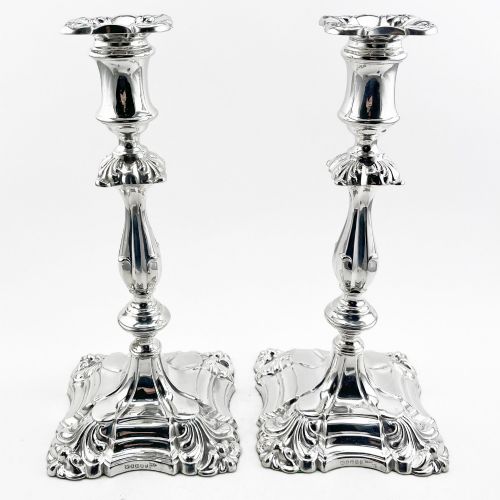
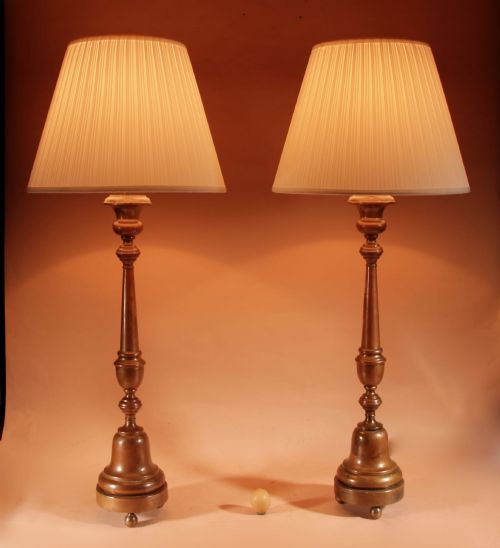
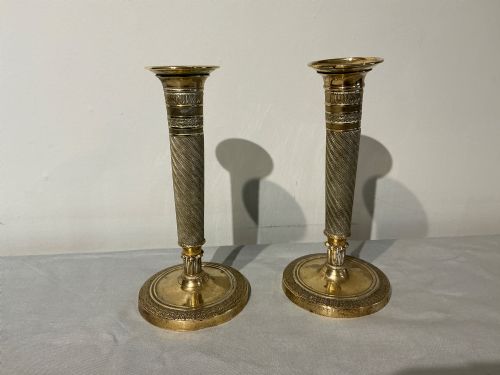
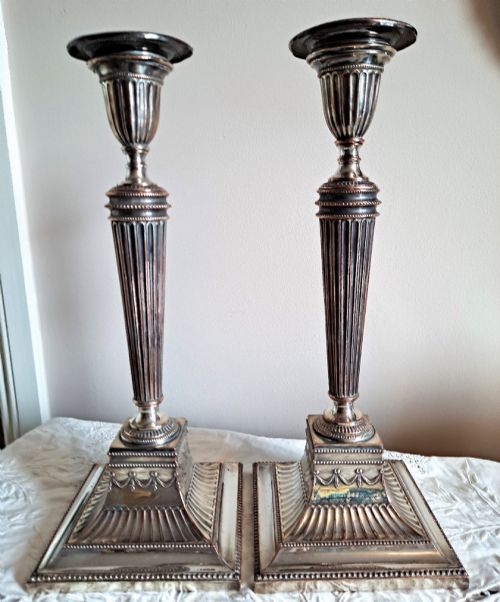
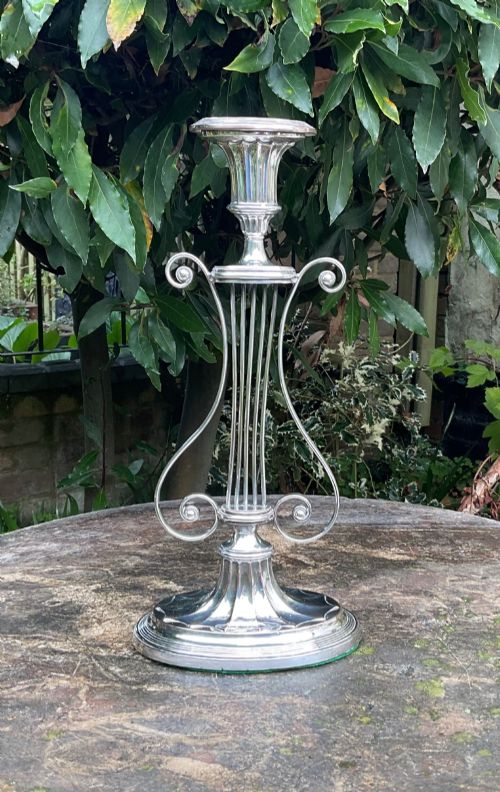
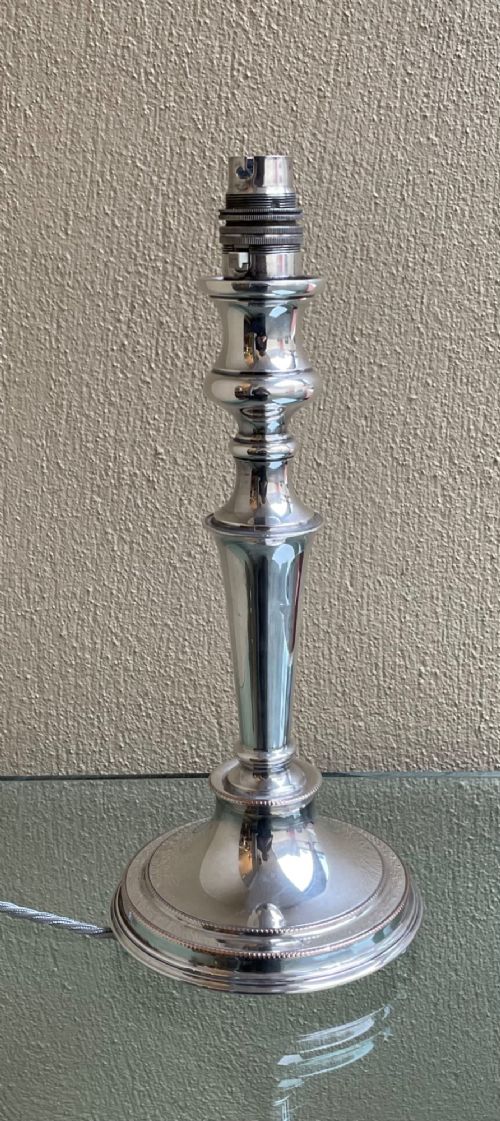
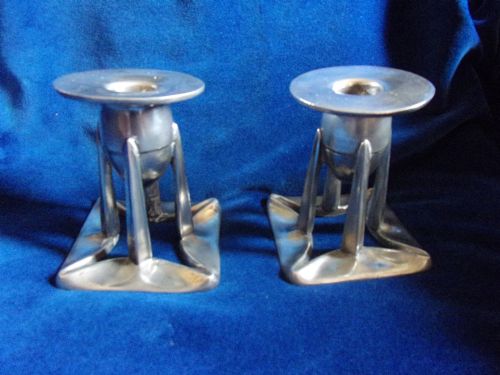
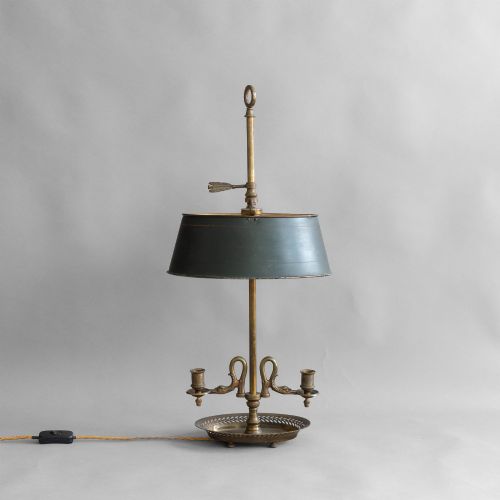
The pieces on this page are most commonly found in brass, silver plate, pewter, and bronze. Styles range across Georgian, Victorian, French Empire, Gothic Revival, and Edwardian periods, reflecting the shifting tastes of domestic interiors.
How they were made
Makers utilised casting techniques, including seamed brass construction and bronze casting, to form structural shafts and bases. Many items combine metals or employ surface treatments such as silver plating, parcel gilt, or ormolu.
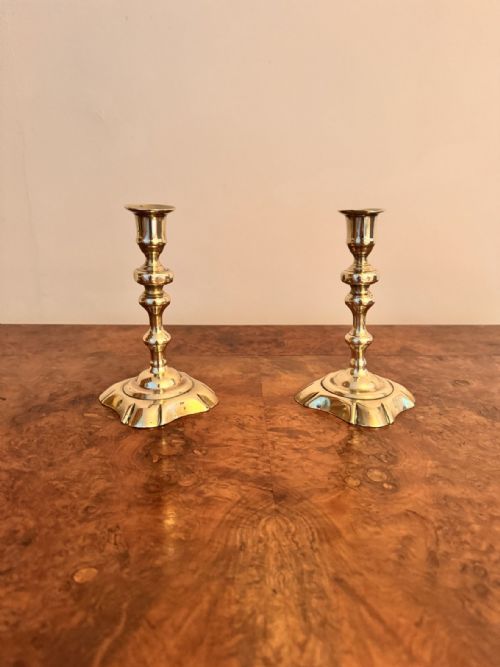
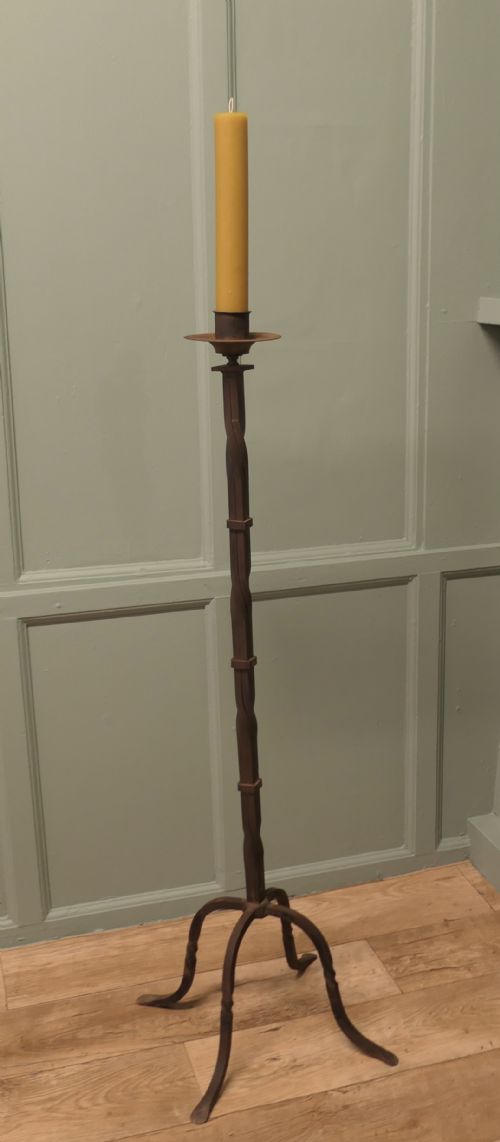
Details like campana sconces, petal bases, and figural motifs were shaped through casting and applied finishing. Wrought iron variants demonstrate heavier forge work for architectural floor pieces.
Antique Metal Candlesticks Retail Price Guide 2026
Typical asking prices for metal candlesticks among the pieces listed under this phrase on Sellingantiques today, from the lower quarter to the upper quarter. They describe what is for sale here now, not the wider market.
Materials documented across the listings include brass, silver plate, pewter, bronze, gilt bronze, ormolu, and wrought iron.
What varies in quality
The level of crispness in cast ornament distinguishes finer examples from simpler production. Details in figural modeling, such as those on French Empire or sculptural mantel pieces, dictate the sophistication of the object.
Integrity of surface finishes, including original gilding, silver plating, or patination, separates preserved specimens from those altered over time. The structural joining of components also reveals the precision of the maker.
Mappin And Webb·Archibald Knox·WMF
The Antique Metal Candlesticks Glossary
- Ejector
- A concealed internal mechanism used in certain brass candlesticks to push out the remaining stump of a candle. This practical addition was common in eighteenth-century designs.
- Candelabra
- A branched candlestick holding multiple tapers or candles. These larger lighting fixtures often serve as architectural table ornaments.
- Ormolu
- Finely ground high-carat gold applied to a bronze base, creating a rich golden surface finish. This technique defines many French Empire and nineteenth-century decorative pieces.
- Spelter
- An alloy of zinc and other metals, frequently utilised as a cost-effective alternative to bronze for figural sculptures and candlesticks during the Victorian era. It accepts cold painted finishes well.
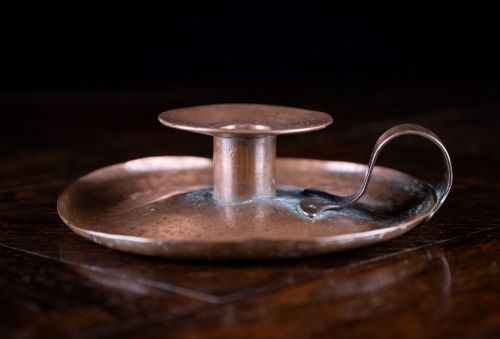
- Chamberstick
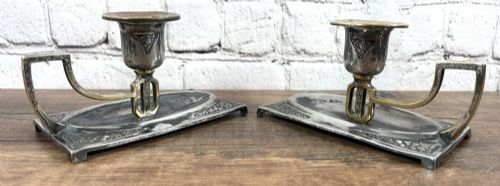
- A low candlestick equipped with a broad drip pan and a loop handle, designed for carrying safely through a house at night.
Antique Metal Candlesticks: Frequently Asked Questions
How do I identify a chamberstick?
A chamberstick is built with a shallow tray base and a small looped handle for carrying. They were designed for moving through dark hallways before electric lighting.
Many examples include a matching conical snuffer that rests in the tray.
What is the difference between brass and bronze?
Brass is an alloy primarily composed of copper and zinc, yielding a bright golden tone common in Georgian and Victorian utilitarian items. Bronze is an alloy of copper and tin, offering greater durability and a deeper, richer hue suited to sculptural casting.
Both materials were cast and finished in various decorative styles.
How do I care for antique metal?
Antique metal surfaces benefit from gentle dusting with a soft cloth to preserve patination. Aggressive polishing can strip thin silver plate or historical patinas.
Kept in stable humidity, these metals retain their character over generations.