
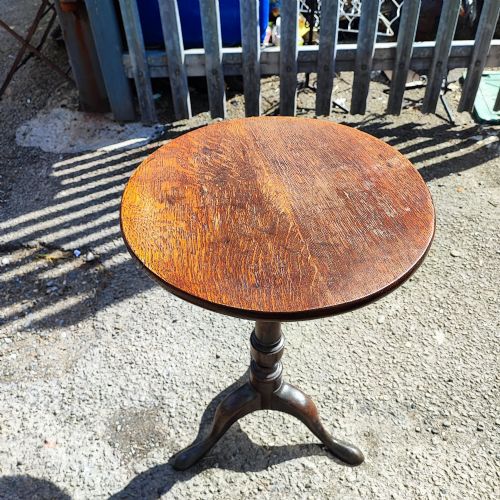
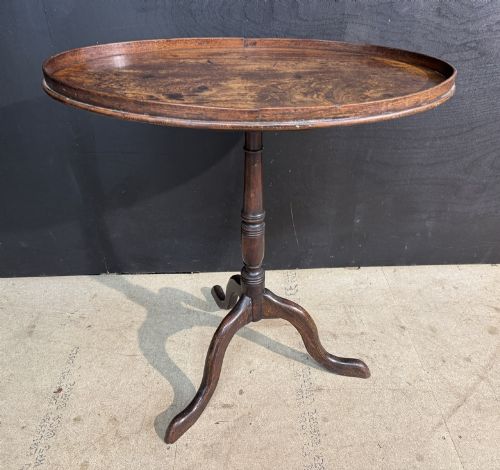
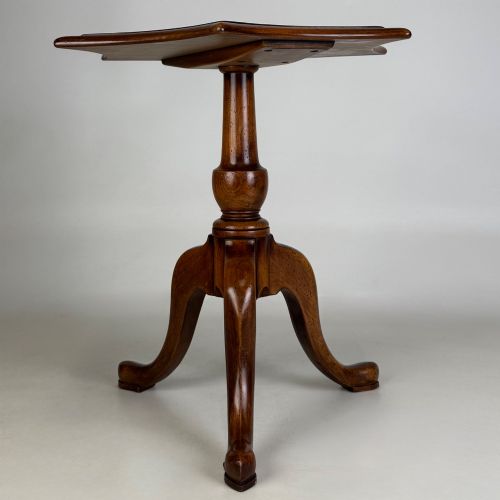
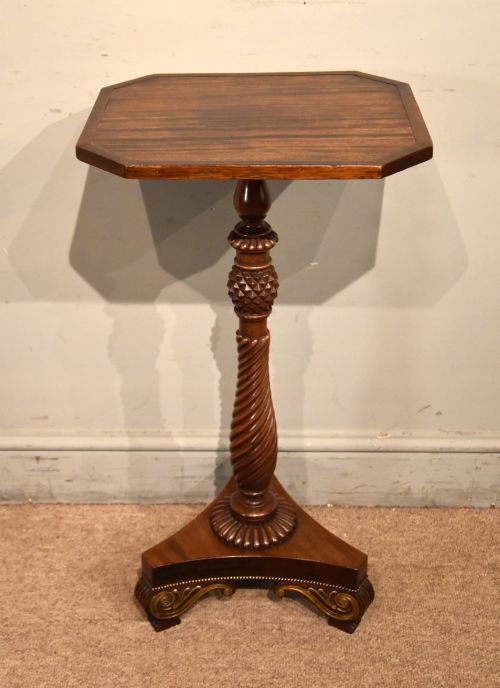
Georgian Candle Stands
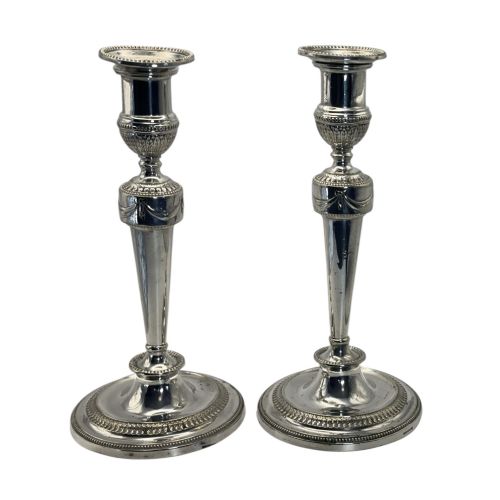
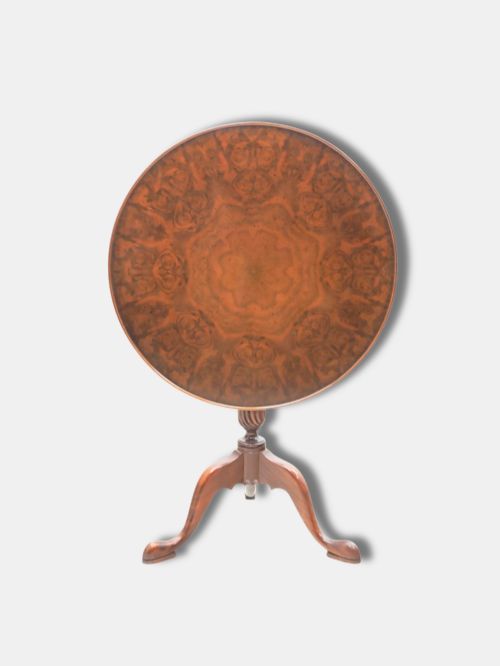
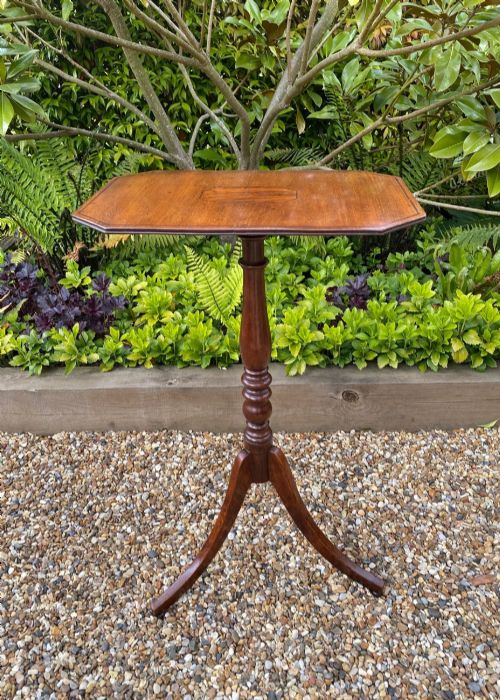
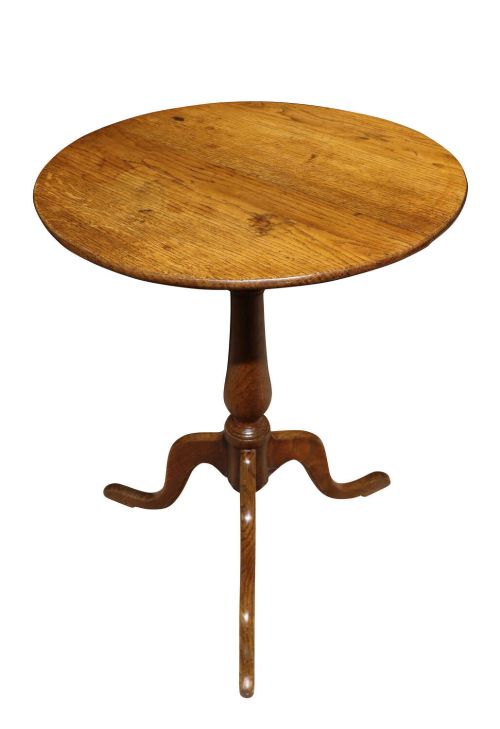
Georgian candle stands bring genuine period presence to a room, offering functional illumination crafted in mahogany, brass, silver, and oak.
What Georgian candle stands are
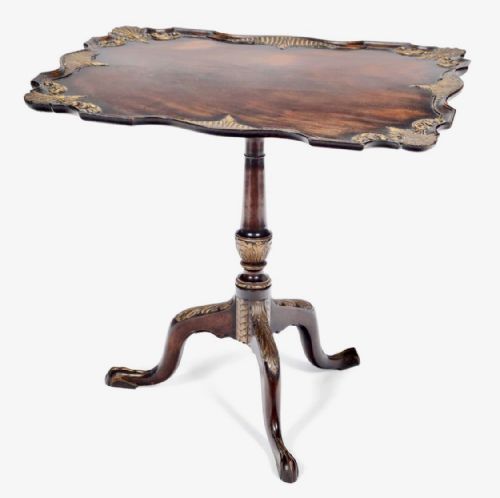
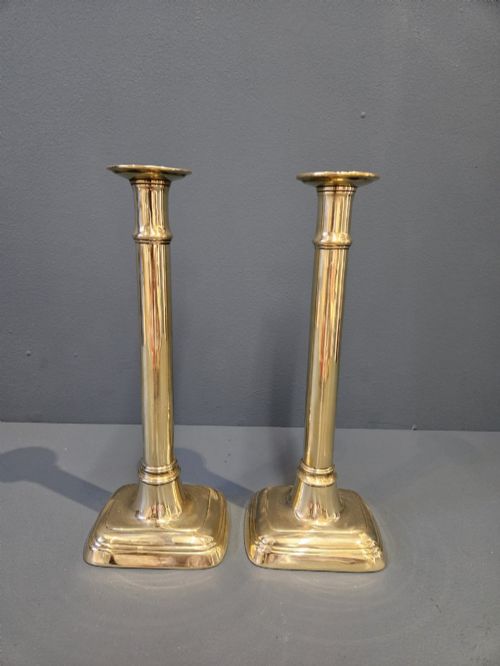
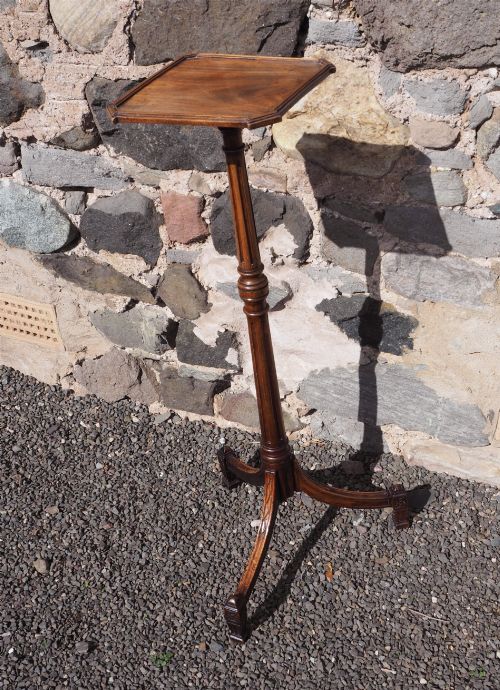
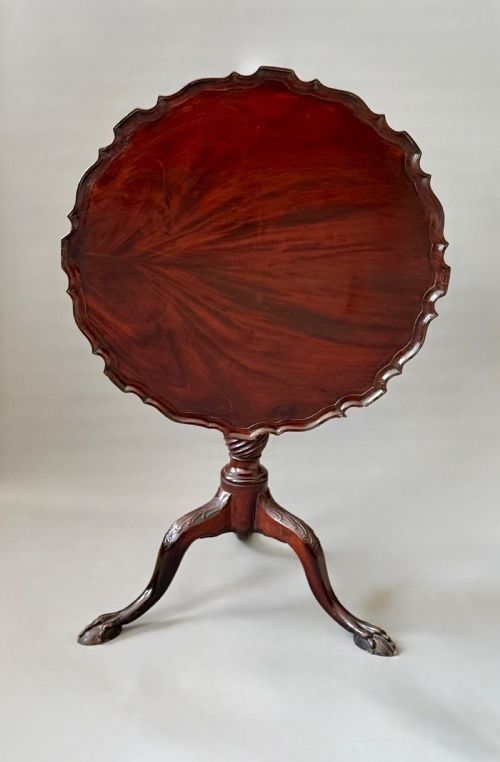
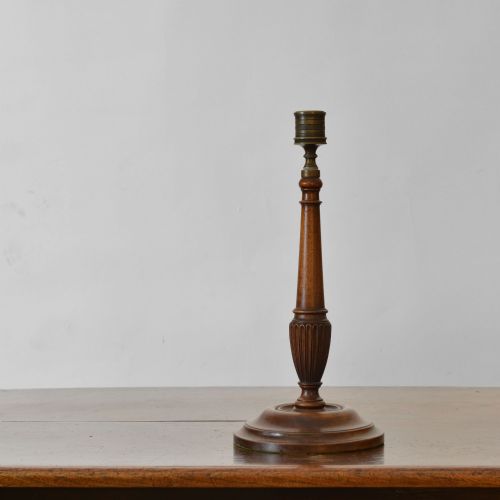
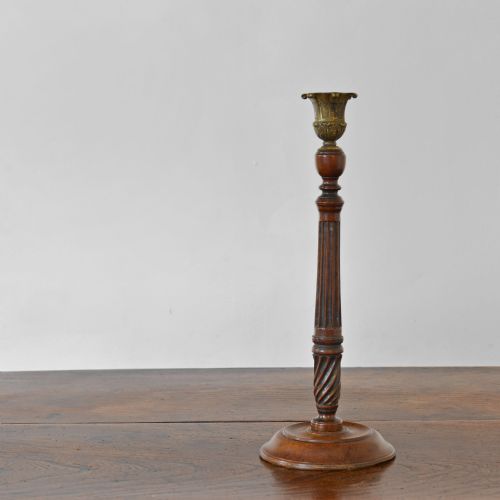
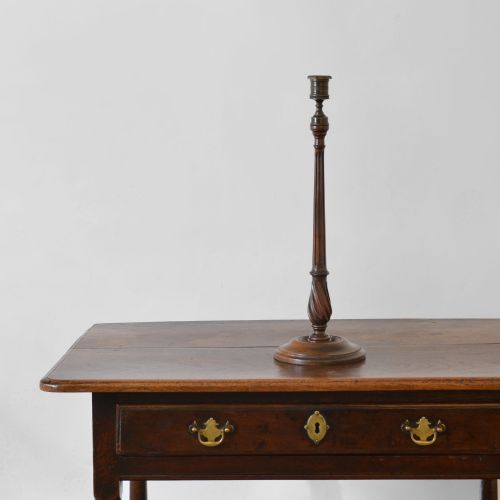
Georgian candle stands are practical lighting pieces designed to hold candles securely while adding architectural interest to domestic interiors. When searching for georgian candle stands, buyers encounter various forms including traditional candlesticks and taller floor-standing or tabletop stands.
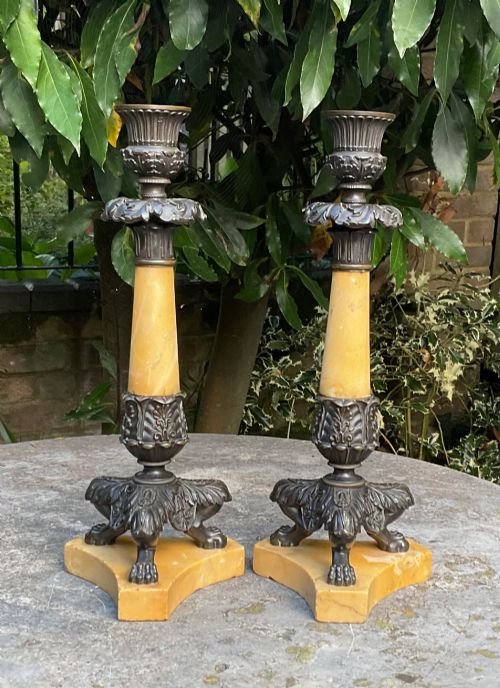
The selection ranges across the eighteenth century, the nineteenth century, and the year 1800, encompassing both Georgian and George III styles. Materials span mahogany, brass, sterling silver, silver plate, metal, pewter, oak, and stone.
Most items appear in pairs, though sets of four and individual examples also occur. The forms frequently incorporate adjustable or telescopic mechanisms for altering height.
How they were made
Woodworking forms a major part of the construction, with mahogany and oak turned or joined into solid stands. Metal versions utilise brass, pewter, metal, sterling silver, and silver plate, shaped through casting, hammering, and turning.
Adjustable and telescopic mechanisms require precise metalworking or internal wooden threads to allow smooth movement. Stone examples demonstrate masonry and carving techniques adapted for small decorative supports.
Retail Price Guide 2026
Typical UK retail prices for georgian candle stands, calculated from the Sellingantiques database of over a million retail prices indexed since 2003. This retail price guide relies exclusively on Sellingantiques data; no external sources or auction records are used, so the figures do not describe the wider market.
Some telescopic brass stands can still extend to shed light on your evening reading.
What varies in quality
Quality separates simple utility items from pieces showing high craftsmanship, seen in the crispness of turned wooden columns and the weight of cast brass or silver. Metal purity and plating thickness determine durability, while mahogany selection reveals rich grain patterns.
The complexity of design influences distinction, particularly in adjustable or telescopic mechanisms that operate smoothly. Integrity of original material without excessive replacement defines the better examples in this group.
The Georgian Candle Stands Glossary
- Candlestick
- A portable device designed to hold a single candle upright in a socket or on a spike. These range from simple brass sticks to elaborate silver forms.
- Candlestand
- A piece of furniture or a metal support specifically raised to hold candles at a convenient height. Examples include tall floor models and smaller table pieces.
- Telescopic
- An adjustable mechanism allowing the stem to extend or retract vertically. This feature lets users alter the height of the light source.
- Sterling Silver
- A silver alloy containing 92.5 percent silver by mass and 7.5 percent other metals, usually copper. It provides a bright finish seen on finer period candlesticks.
- Silver Plate
- A base metal coated with a thin layer of silver. This technique offered the appearance of solid silver at a lower cost.
Frequently Asked Questions
What materials are used for Georgian candle stands?
The inventory records pieces made from mahogany, brass, sterling silver, silver plate, metal, pewter, oak, and stone.
These materials reflect both the domestic woodwork and metalworking skills of the period.
How do adjustable candle stands work?
Adjustable or telescopic versions use sliding shafts or screw mechanisms within the stem to raise and lower the candle.
This functionality allowed users to direct light precisely where needed in a room.
Are these pieces usually sold as pairs?
Many listings feature pairs of candlesticks or candle stands, though sets of four and individual items also appear.
Pairs were traditionally placed on mantelpieces, sideboards, or tables for balanced illumination.
How can I identify the George III style?
George III pieces date from the reign of King George III, spanning the later eighteenth and early nineteenth centuries.
They often exhibit classical proportions and refined turning in wood or metal.