

18th Century Candle Stand
An 18th century candle stand provides focused height for illumination or display, bringing slender timber and polished metal into domestic spaces.
18th Century Candle Stand
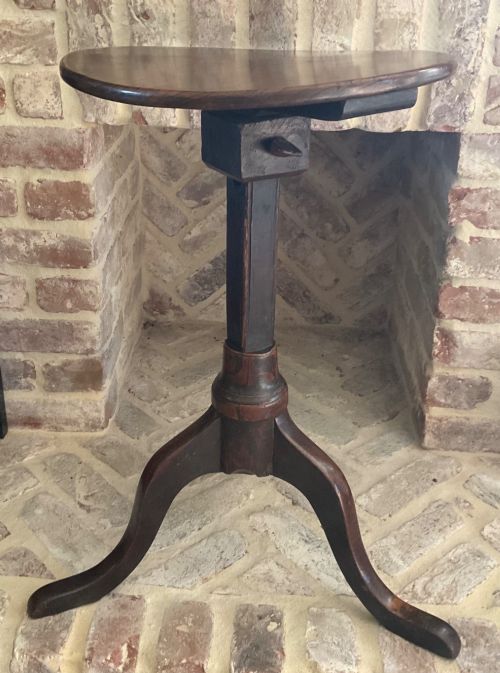
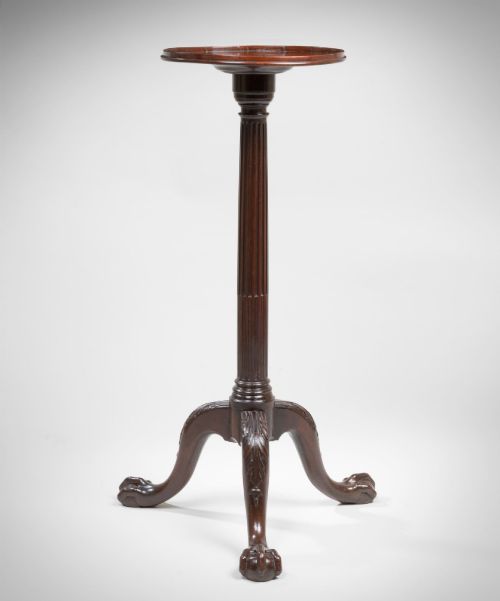
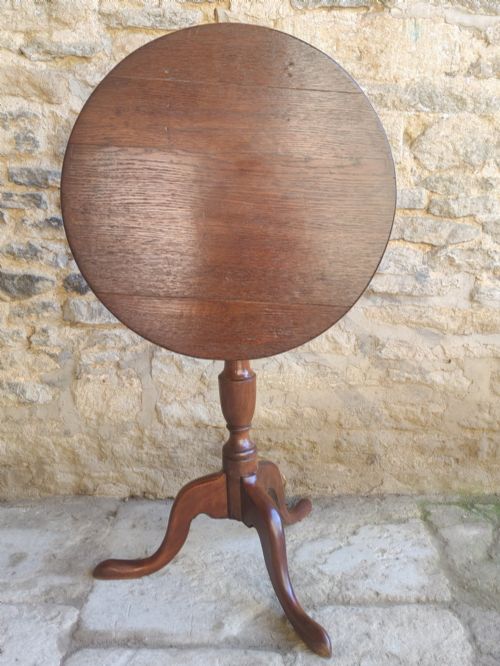
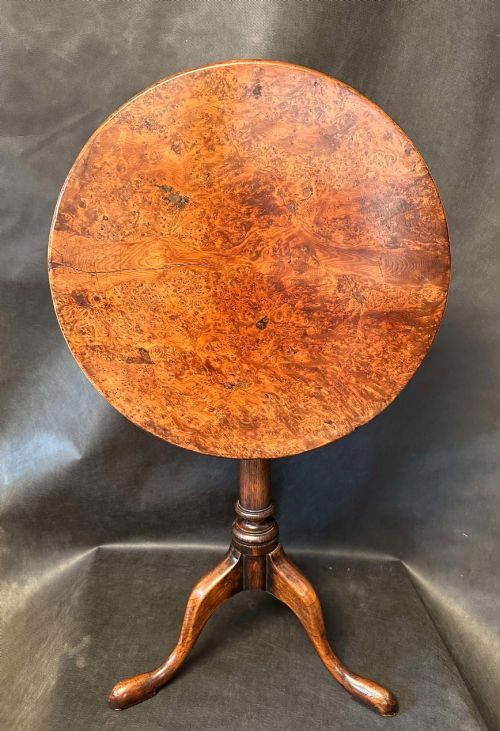
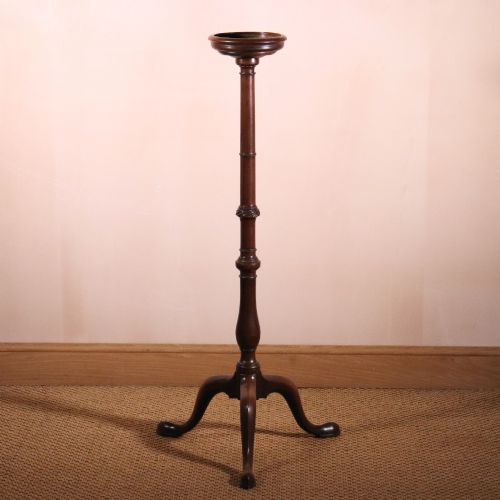
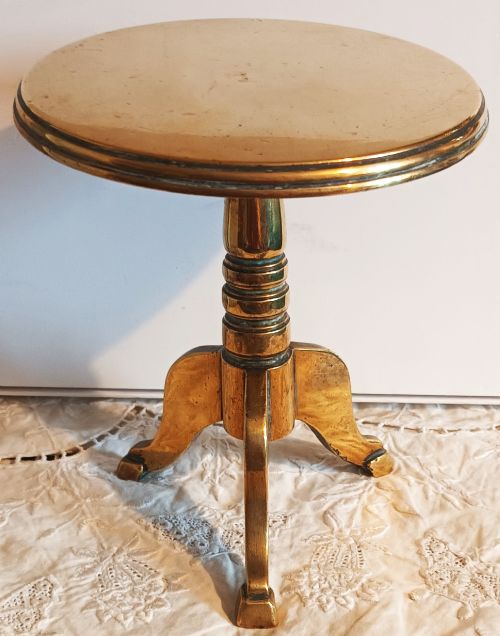
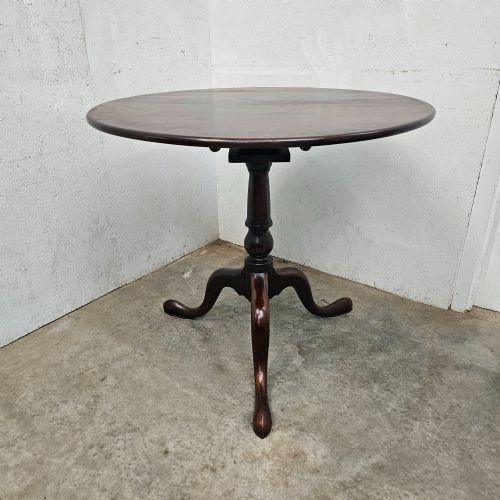
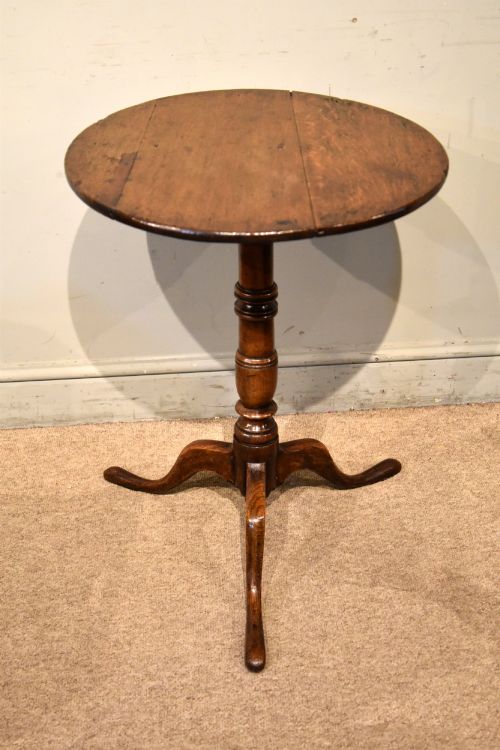
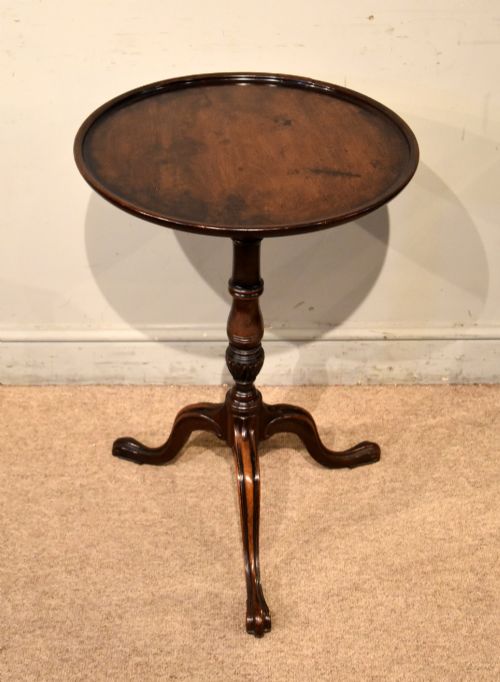
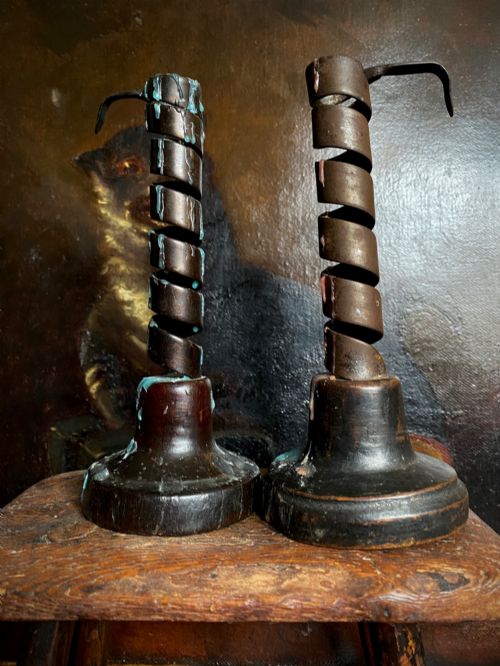
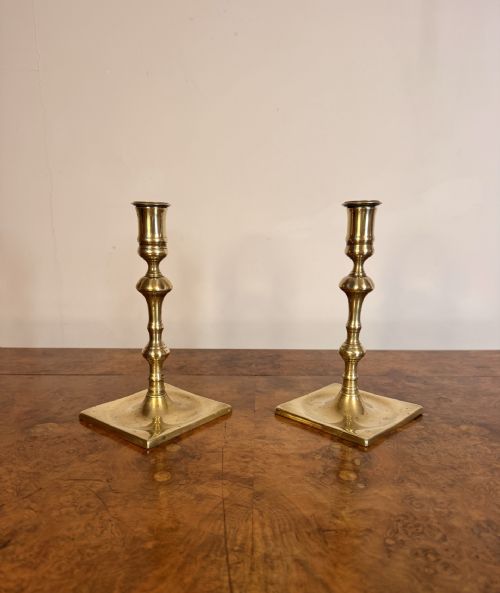
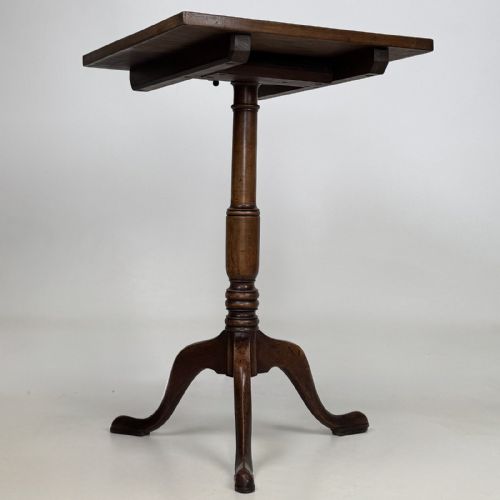
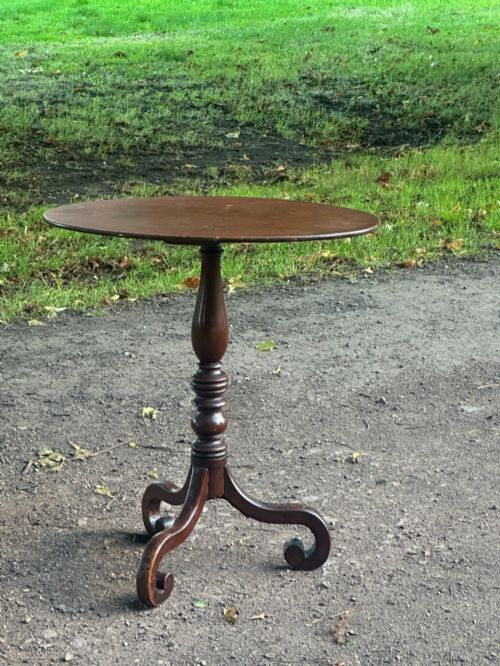
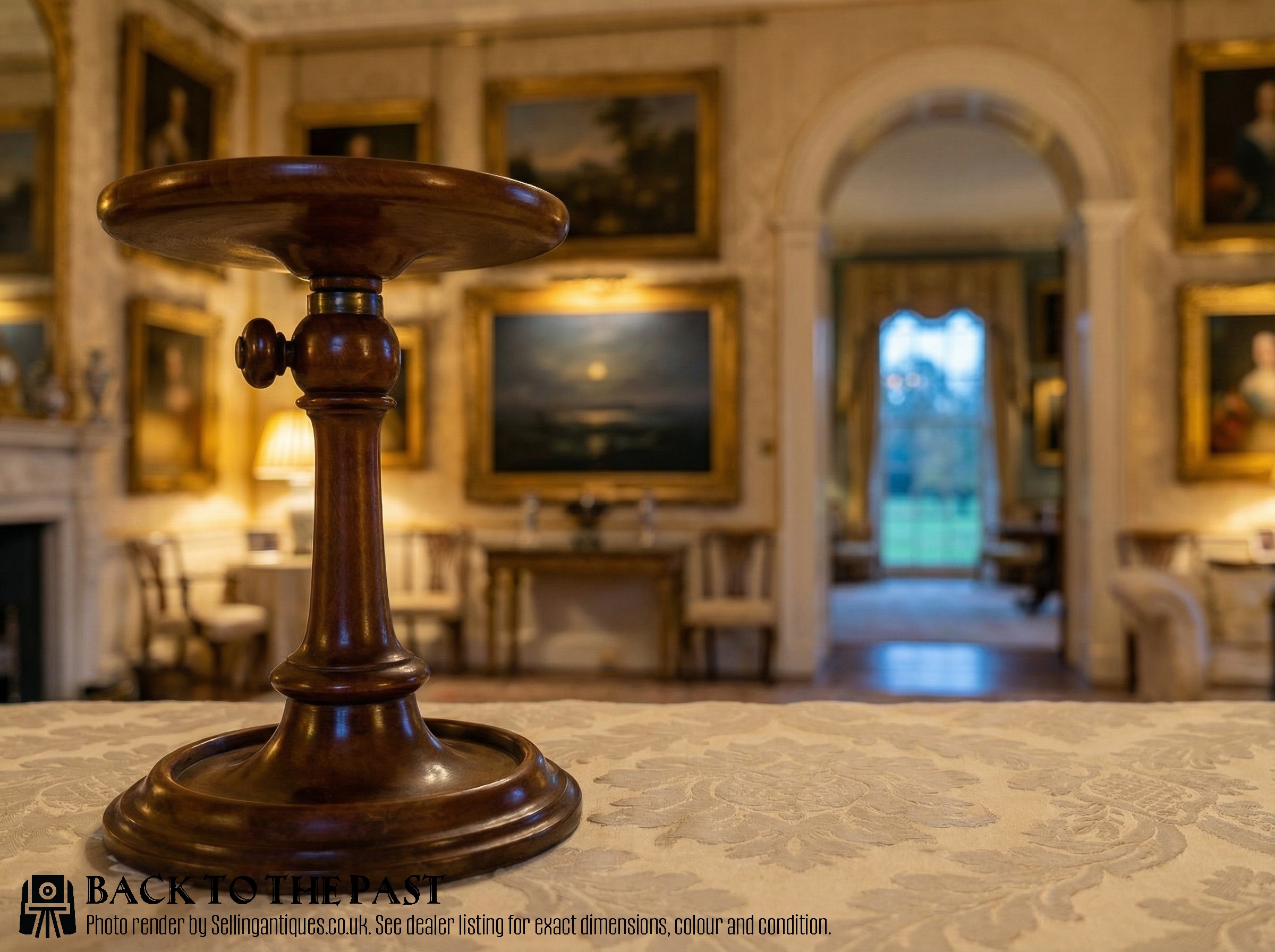
An 18th century candle stand takes the form of tall pedestals, torchieres, and compact tripod tables designed to hold single lights or small vessels. The pieces appearing most frequently across these records combine turned columns with three-legged supports in mahogany, oak, and fruitwood.
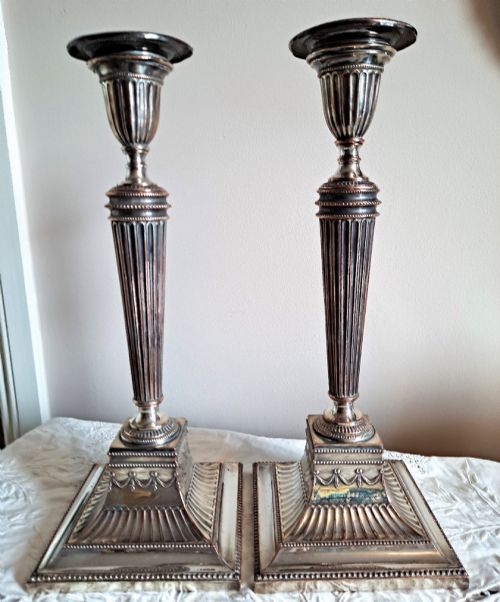
Makers of the period also produced adjustable forms and architectural torcheres in walnut and pine, alongside brass and gilt bronze candlesticks. These items served functional roles beside seating or in corners before electric lighting reached domestic interiors.
How they were made
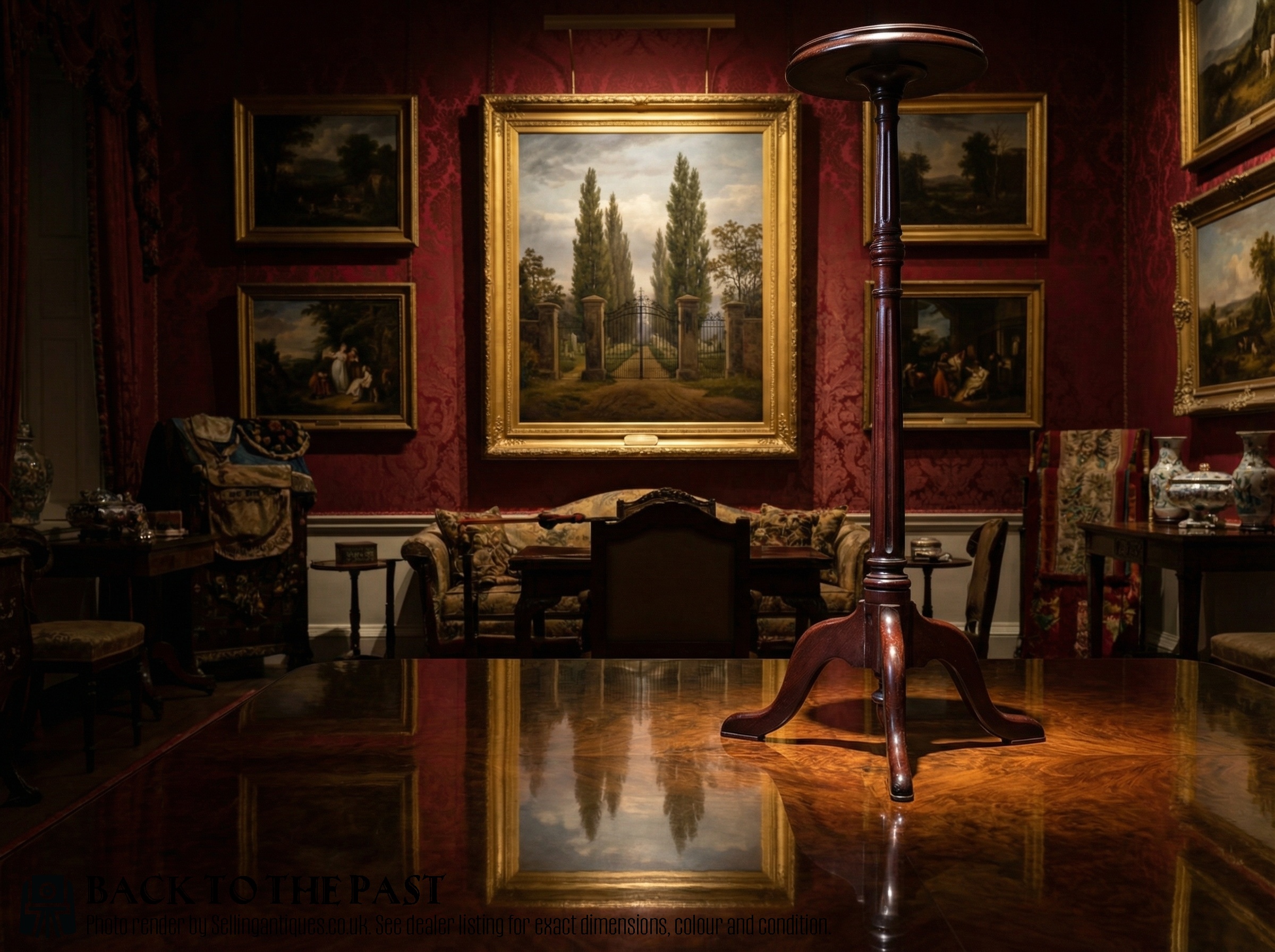
Cabinetmakers shaped dense hardwoods like mahogany, walnut, and oak using lathes for central stems and hand tools for tripod legs and shaped tops. Timber selection prioritised stable grain for slender shafts and tilt mechanisms.
Metal examples employ cast brass and bronze, sometimes finished with silver leaf or gesso over carved wood bases. Joinery relies on traditional pegging, tenons, and finely threaded wooden adjustments on height-regulating shafts.
18th Century Candle Stand Retail Price Guide 2026
Typical asking prices for 18th century candle stand among the pieces listed under this phrase on Sellingantiques today, from the lower quarter to the upper quarter. They describe what is for sale here now, not the wider market.
Listings feature woods spanning mahogany, oak, walnut, fruitwood, elm, yew, beech, and pine, alongside brass and stone.
What varies in quality
The distinction between ordinary and superior pieces rests on the crispness of carved details, such as pie crust rims, tripod claw feet, and putti motifs. Balance and proportion in the turned stem dictate the visual grace of the upright form.
Original surfaces and untouched timber patination elevate certain examples above those with modern repairs or stripped finishes. The integration of functional elements like tilt mechanisms and adjustable brass collars demonstrates higher workshop competency.
The 18th Century Candle Stand Glossary
- Tripod table
- A small freestanding table supported by three legs radiating from a central pillar. This format allowed the piece to stand steady on uneven floors.
- Torchere
- A tall ornamental stand designed to support a lamp or candle. Originating in France, these pieces frequently feature carved and gilded woodwork.
- Pie crust rim
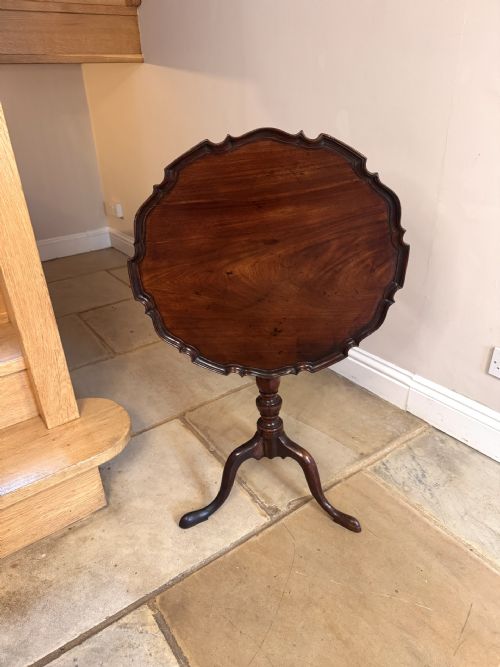
- A decorative, raised edge carved into the perimeter of a circular table top with alternating curves and indentations. It resembles the crust of a pastry pie.
- Tilt top
- A tabletop mounted on a catch mechanism that allows the surface to pivot vertically when not in use. This conserved floor space in smaller rooms.
- Adjustable stand
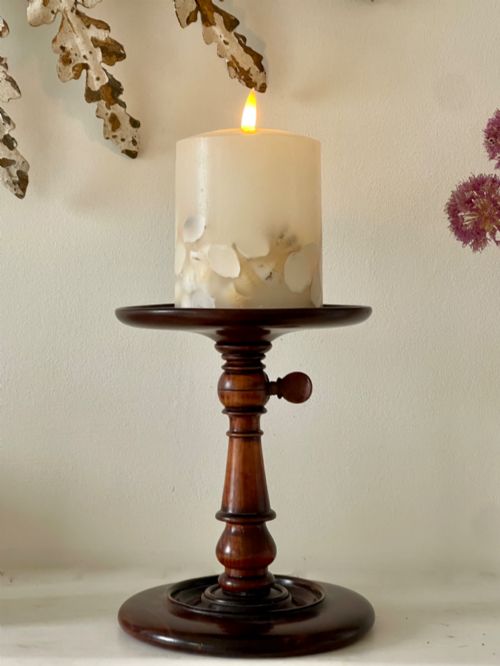
- A piece incorporating a sliding shaft or wooden screw mechanism to raise or lower the light source. Such versatility suited varied seating heights.
18th Century Candle Stand: Frequently Asked Questions
How do I spot an adjustable shaft?
Adjustable variants feature a central wooden column pierced by a peg hole or fitted with a threaded wooden key. Raising the inner shaft alters the height of the candle platform above the floor.
Careful inspection reveals wear patterns around the collar where the mechanism slid over decades of daily use. Original wooden screws show hand-cut threads rather than uniform machine-milled grooves.
What is a pie crust top?
A pie crust top is a solid timber disc carved along its outer edge into undulating lobes and scallops. This ornate moulding required skilled hand chiselling from the solid plank rather than applied framing.
Found principally on finer mahogany tripod tables from the Georgian era, this feature added decorative movement to otherwise simple occasional furniture.
How do I care for antique timber?
Keep wooden stands away from direct heat sources and rapid humidity shifts to prevent timber splitting or warping. Natural wax applied sparingly preserves the dry lustre of old oak and walnut surfaces.
Avoid commercial liquid polishes containing silicones, which build up on historic patination and dull the grain. Gentle dusting with a soft cloth remains the best daily maintenance for antique finishes.