

Antique Circular Tea Table
An antique circular tea table brings centuries of social history and compact engineering into a modern room.

Antique Circular Tea Table
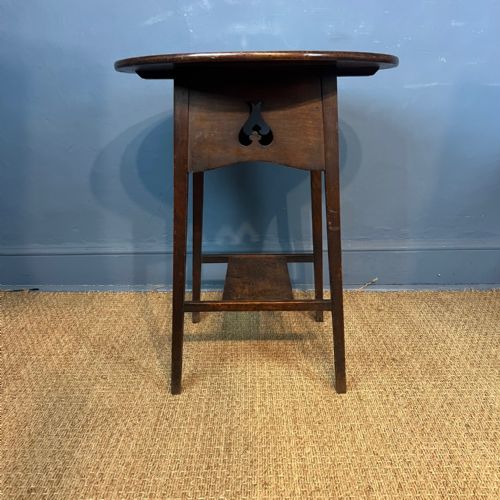
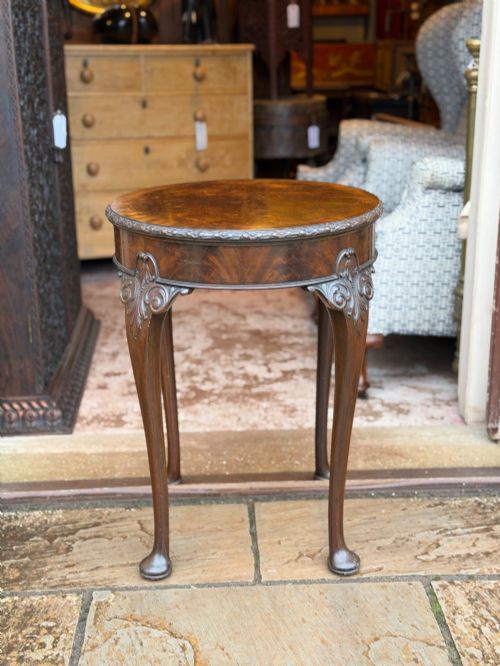
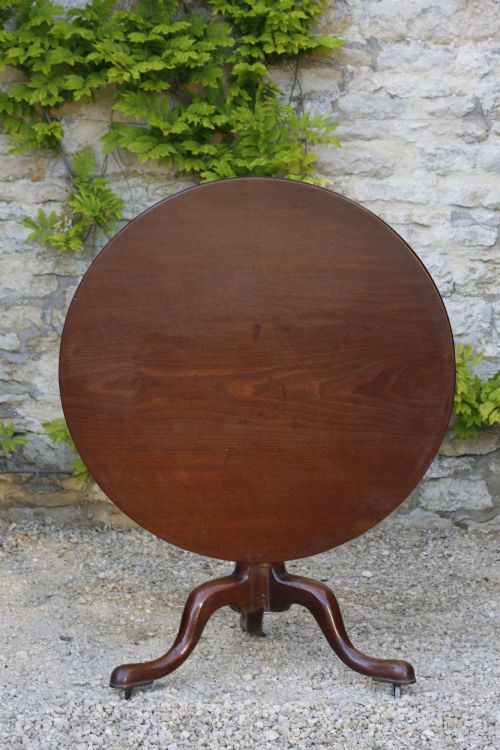
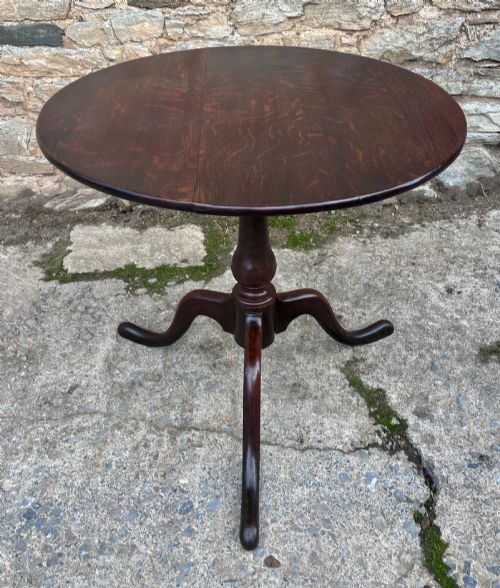
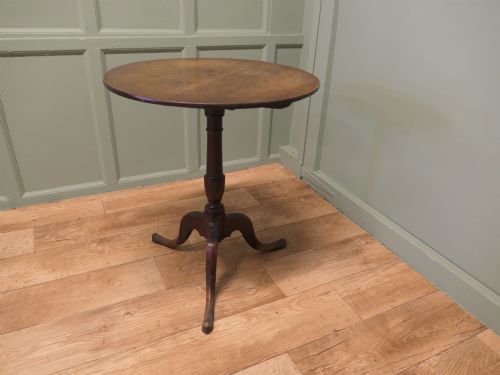
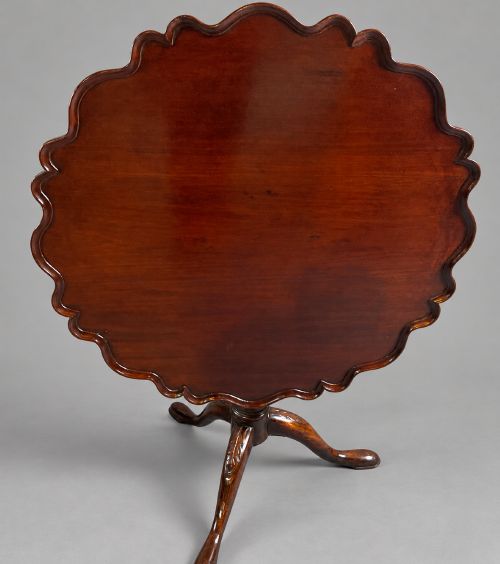
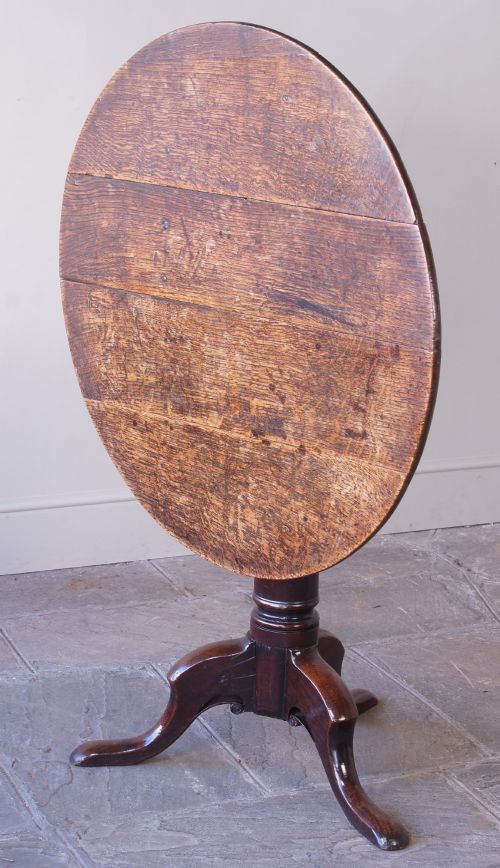
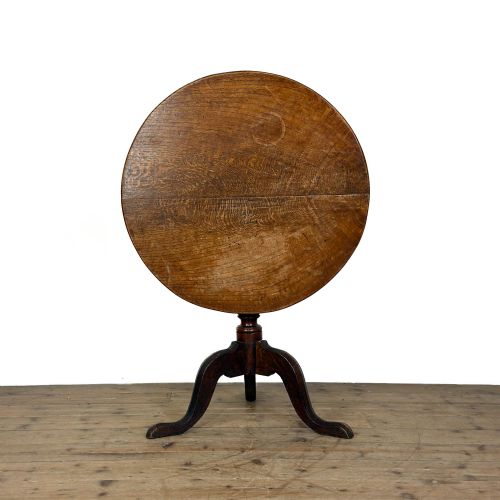
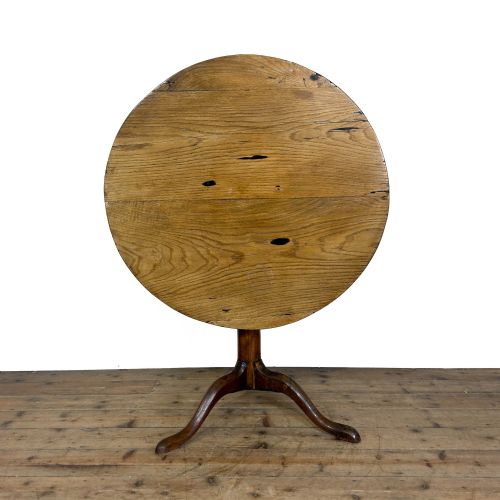
When you search for an antique circular tea table, you encounter pieces designed to serve evening gatherings in past centuries. The selection spans the eighteenth century through the Georgian, Victorian and Edwardian eras, reaching into the art deco period.
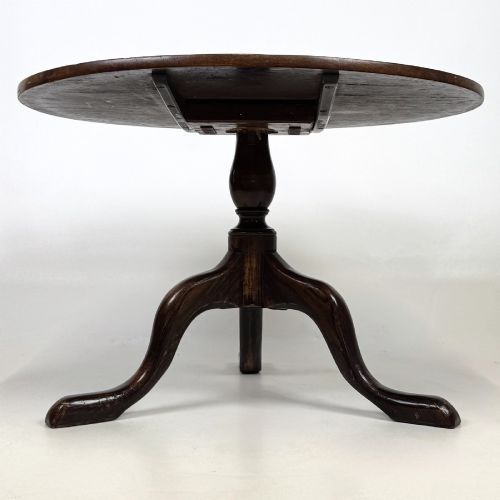
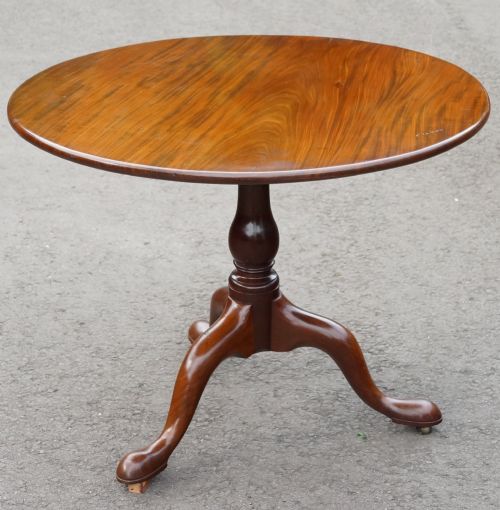
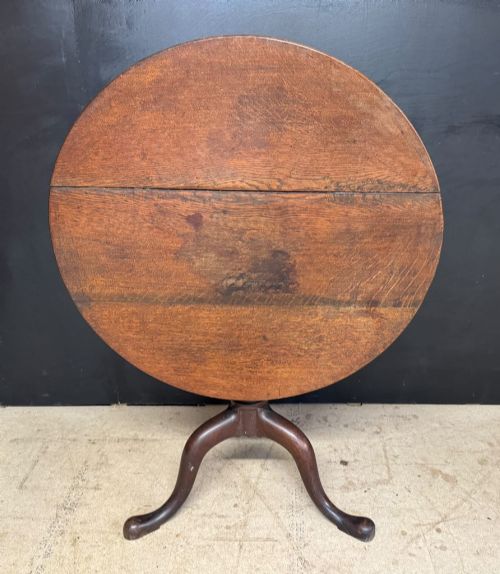
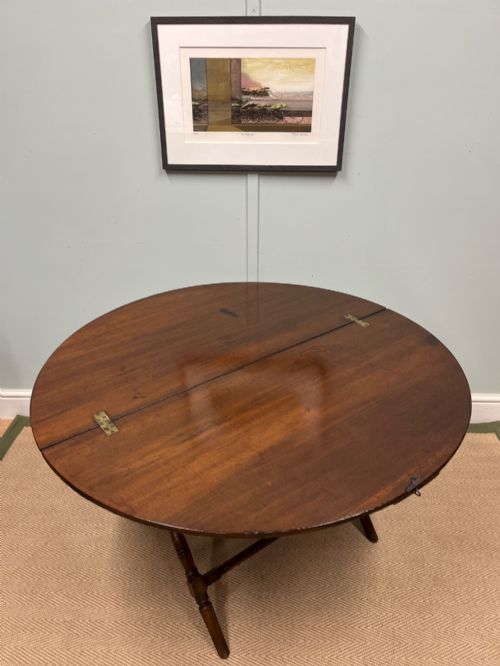
The dominant forms are tripod tables with tilting tops, alongside fold-over tea tables and occasional centre tables. These pieces originated to hold tea service before the ritual moved to the main dining table, later adapting to serve lamp and side table functions in Victorian and Edwardian parlours.
Materials and construction
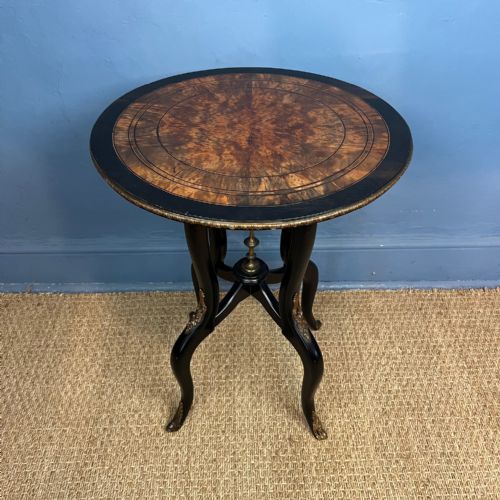
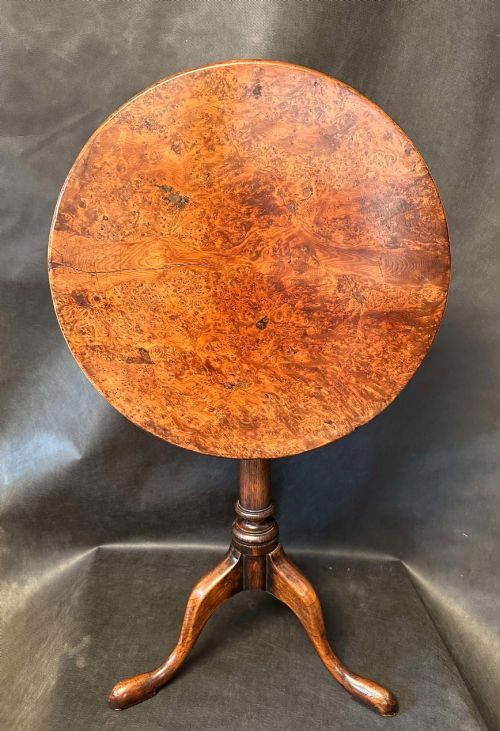
Cabinetmakers relied heavily on mahogany, oak and walnut, frequently employing burr walnut veneers for enriched surface pattern. Solid timbers such as elm and fruitwood appear in country vernacular pieces from the eighteenth century.
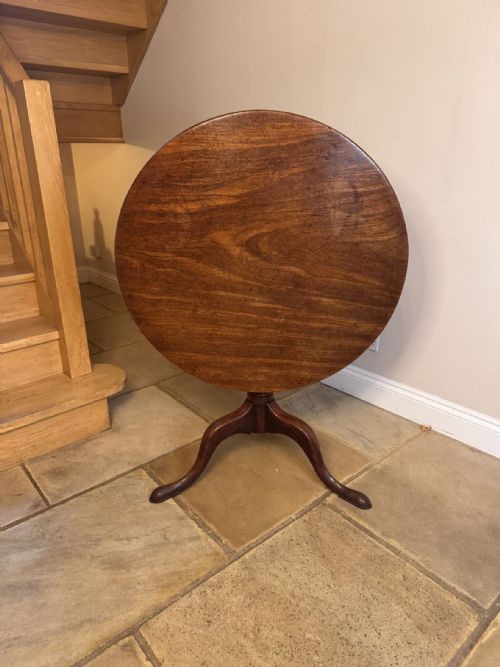
Tripod bases connect to circular tops through tilting mechanisms or birdcage mounts, allowing the table to stand flat against a wall when not in use. Brass inlay and painted surfaces also appear, particularly on pieces influenced by international trade and later design movements.
Antique Circular Tea Table Retail Price Guide 2026
Typical asking prices for circular tea table among the pieces listed under this phrase on Sellingantiques today, from the lower quarter to the upper quarter. They describe what is for sale here now, not the wider market.
The listings span multiple centuries, uniting eighteenth-century walnut and mahogany tripod designs with Victorian centre tables and art deco walnut coffee tables.
Judging the standard
Quality rests in the crispness of the timber selection, such as highly figured mahogany or well-matched burr walnut veneers. The structural integrity of the birdcage mechanism and the harmonious proportions of the central column to the tripod legs determine the success of the design.
Subtle details like hand-carved tripod feet, finely turned pedestals and tight joints separate standard workshop production from exceptional examples commissioned during the Georgian and Regency periods.
The Antique Circular Tea Table Glossary
- Tilt top table
- A table with a hinged top that rotates to a vertical position when not in use. This clever space-saving mechanism allowed eighteenth-century rooms to clear quickly.
- Birdcage
- A rotating wooden frame situated beneath the tabletop that permits both tilting and revolving movement. It represents a superior level of eighteenth-century carpentry.
- Tripod base
- A pedestal support terminating in three legs. This configuration ensures stability on uneven historic floorboards.
- Demi lune
- A half-moon shaped table often designed to fold over or sit flush against a wall. Pairs of these tables frequently combine to form a larger circular surface.
- Snap top
- An alternative term for a tilt top table featuring a spring-loaded catch to lock the surface horizontally.
Antique Circular Tea Table: Frequently Asked Questions
What is a birdcage tea table?
A birdcage mechanism is a small wooden cage built beneath the tabletop that allows the surface to both tilt upright and rotate independently on its pedestal. This sophisticated engineering was favoured by eighteenth-century cabinetmakers to make rooms more versatile.
When not holding tea service, the table could be folded and pushed against a wall to clear floor space for other activities.
How do I date an antique round table?
Dating relies on examining the secondary timbers, the turning of the central pillar, and the construction of the leg joints. Eighteenth-century examples often feature tripod bases with pad or snake feet and pegged tenons.
Victorian and Edwardian versions display heavier turned pedestals, occasional brass inlay, and machine-cut fixings that reflect the industrial methods of later decades.
Can I use an antique tea table every day?
These tables adapt easily to modern living rooms as lamp stands, side tables, or coffee table alternatives. Their original purpose as social furniture suits them to holding drinks or books beside a sofa.
Care should be taken with moisture and direct heat, using coasters to protect polish and timber veneers from marking during daily use.
Why do some tops tilt?
Tilting tops served a practical storage function in historic homes where rooms served multiple purposes throughout the day. By tipping the surface vertical, families reclaimed valuable floor space when tea was finished.
This characteristic distinguishes many period occasional tables from modern fixed-surface furniture.