

Tiered Occasional Table
When you want a tiered occasional table, you are looking for stacked surfaces that bring practicality and layered display to compact spaces.
Tiered Occasional Table
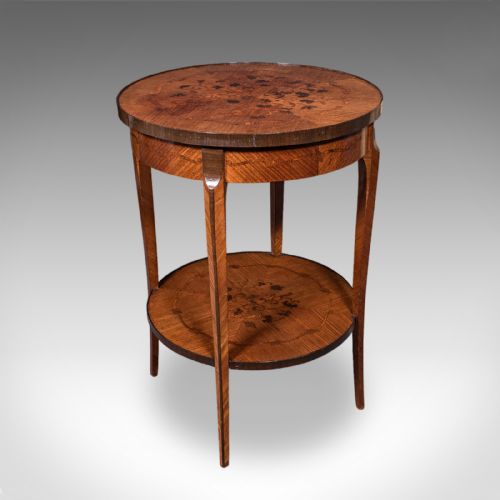
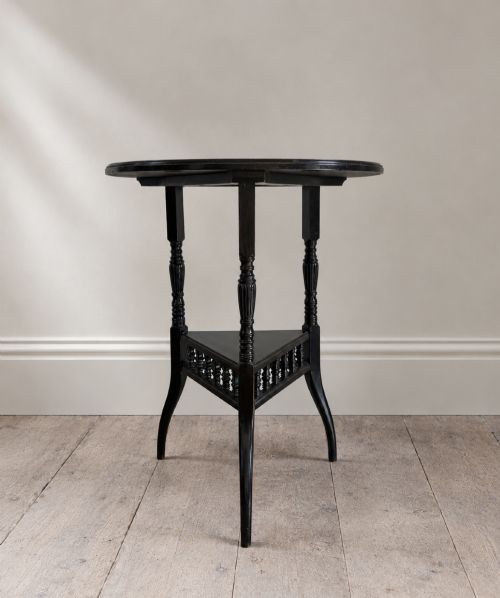
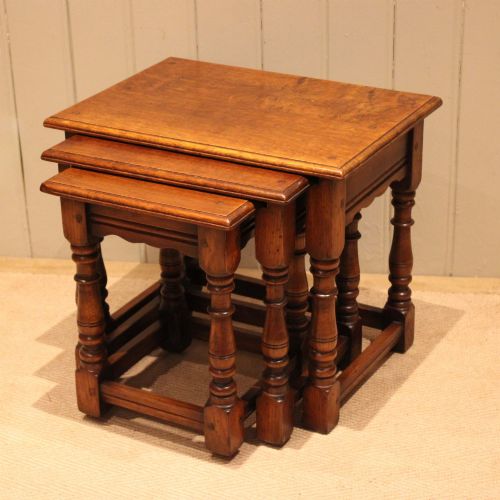
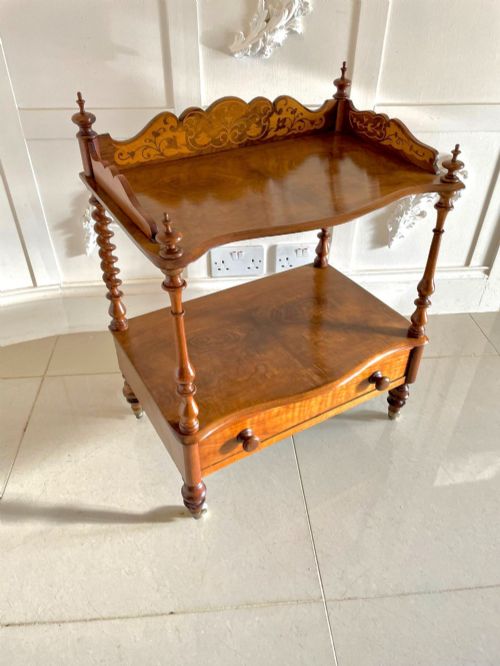
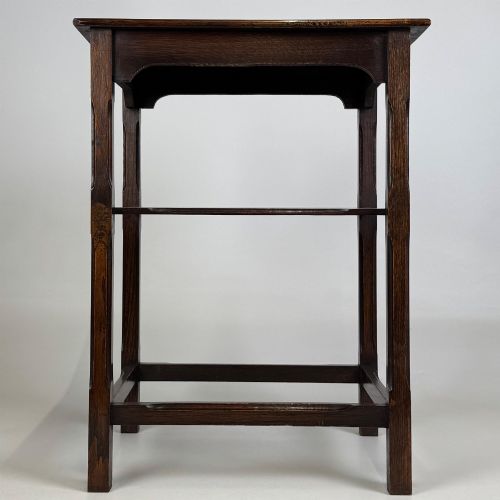
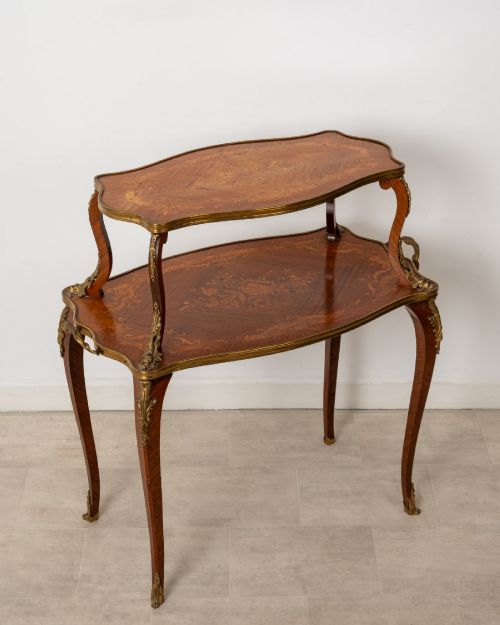
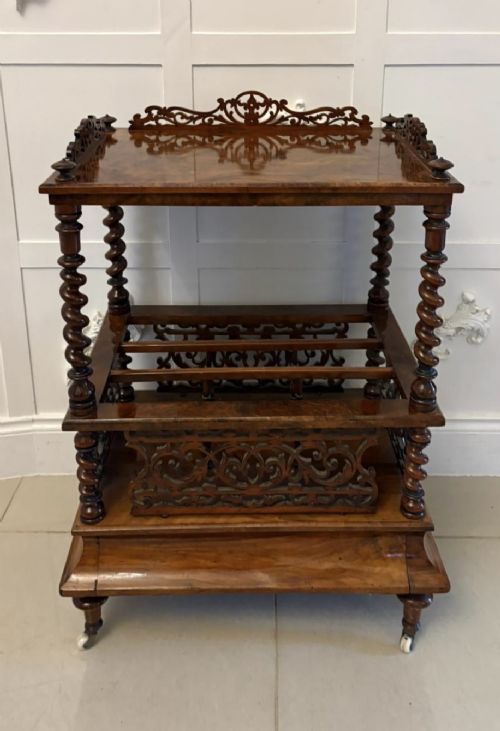
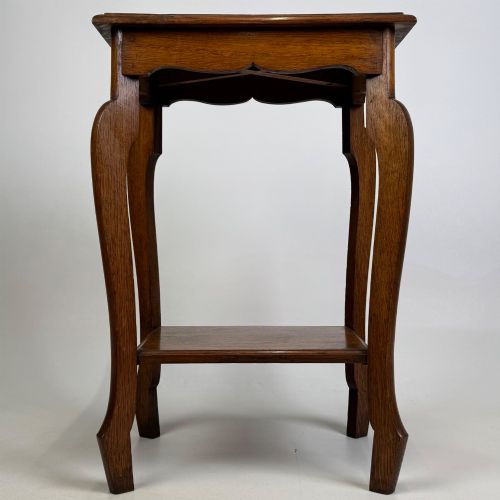
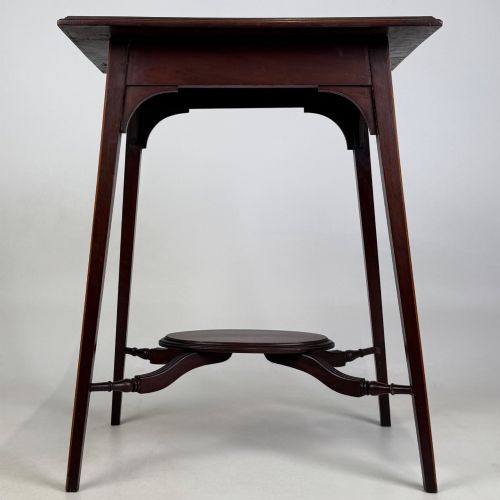
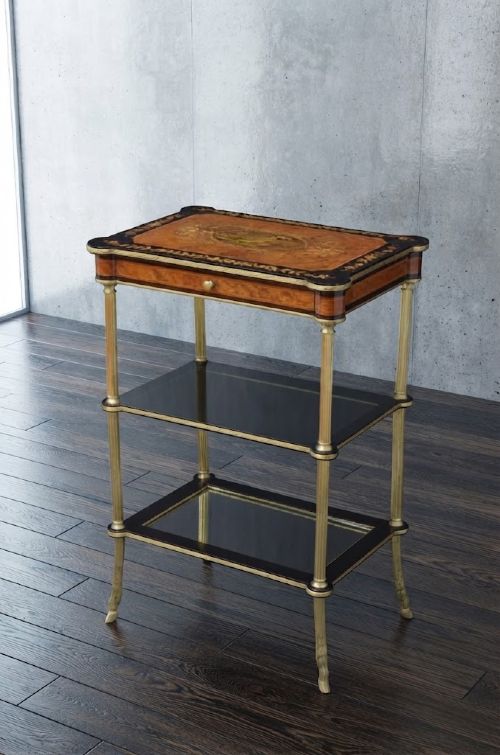
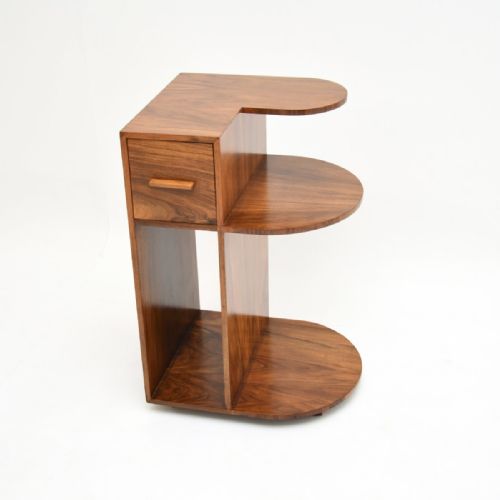
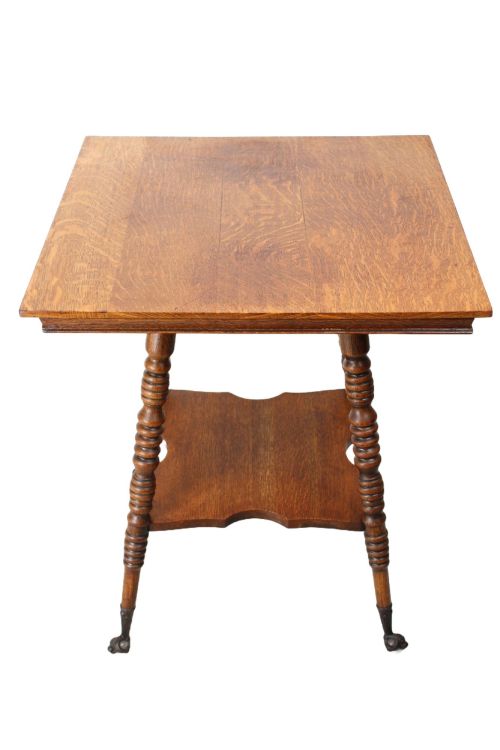
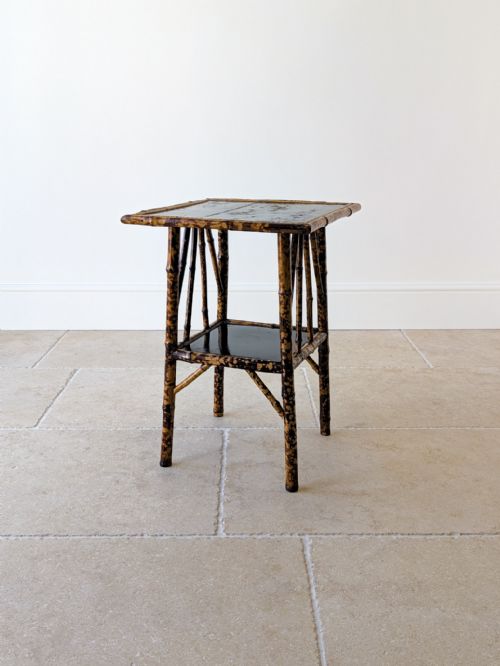
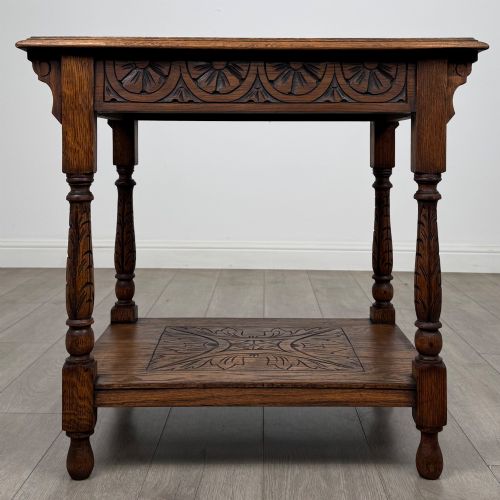
A tiered occasional table provides multiple platforms arranged vertically for resting books, lamps, or decorative items within a room. The selections on this page span from Victorian and Edwardian examples to later Art Deco pieces, utilising forms such as etageres, nests of tables, and two-tier side tables.
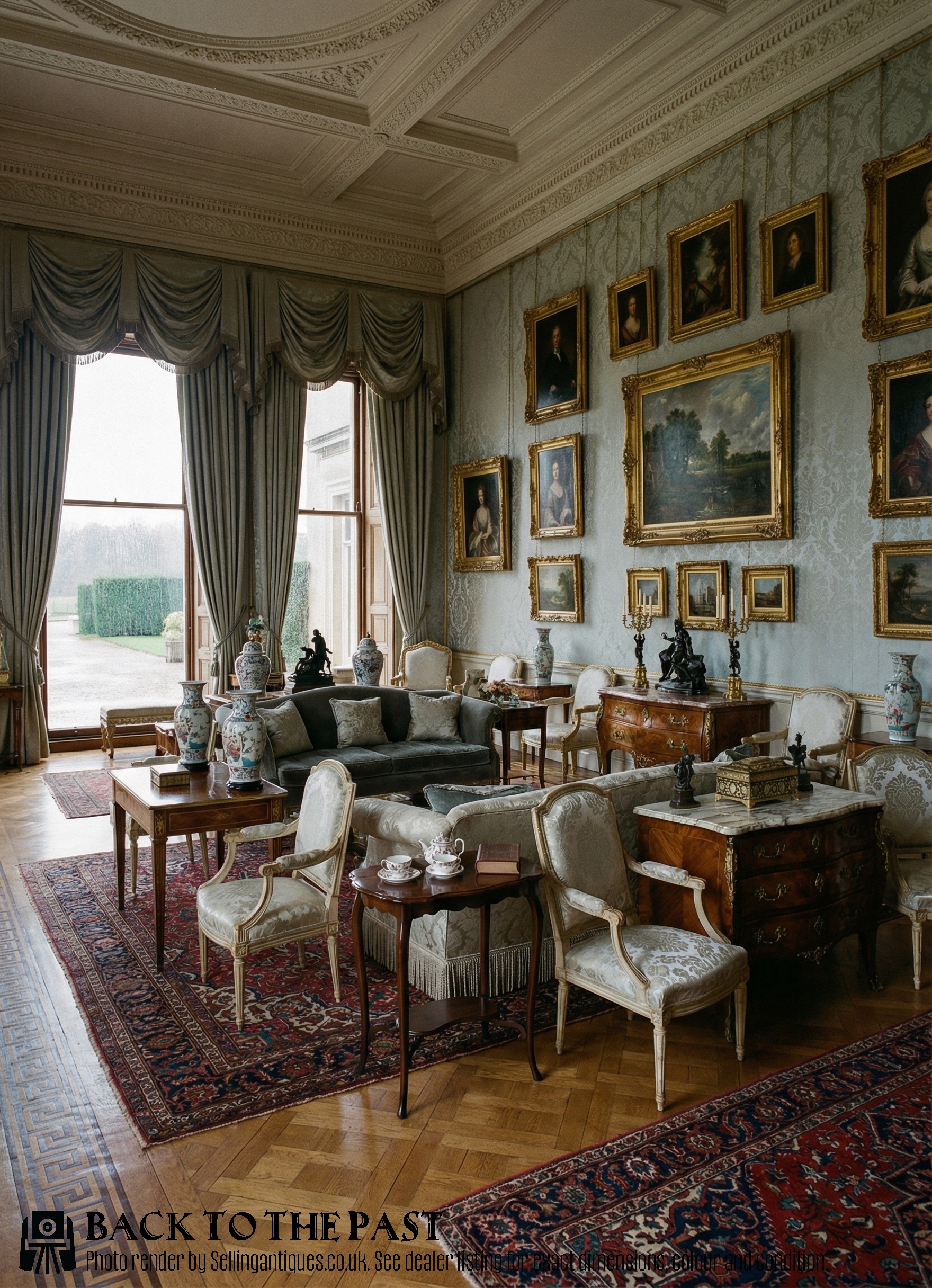
Materials and construction
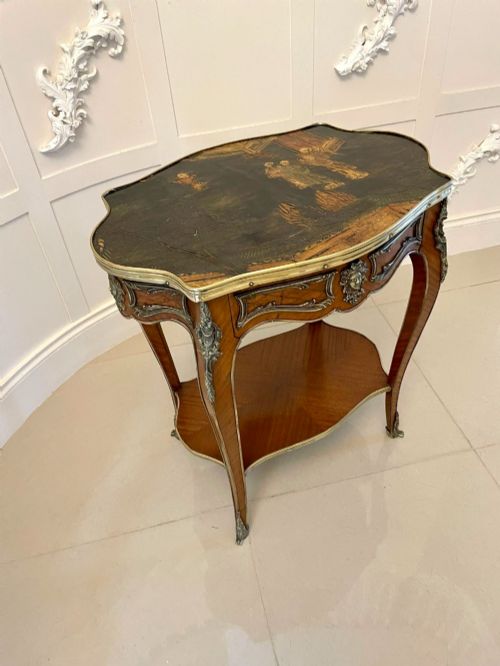
Cabinet makers utilised a range of timbers including walnut, mahogany, oak, kingwood, and rosewood, often applying walnut veneers or marquetry details to enhance the visual grain. Structural support frequently incorporated brass, ormolu mounts, and lacquered brass frameworks, particularly in French and etagere forms.
Additional decorative elements included ebonised finishes, hand-tooled leather inserts, mirrored tiers, and bamboo construction. Joinery and mounting methods varied according to the period, from solid Cotswold School oak construction to delicate Louis XV revival gilt details.
Tiered Occasional Table Retail Price Guide 2026
Typical asking prices for tiered occasional table among the pieces listed under this phrase on Sellingantiques today, from the lower quarter to the upper quarter. They describe what is for sale here now, not the wider market.
Listings feature periods from the 18th century through to Art Deco, with walnut, oak, and mahogany as the dominant timbers.
Judging the standard
Quality rests in the precision of the timber selection, such as the choice of figured walnut veneer or burr walnut, and the crispness of any applied carving or brass ormolu mounts. Finer examples display meticulous attention to secondary details like mirrored tiers, inlaid marquetry, and tooled leather inserts.
Construction integrity distinguishes standard production pieces from workshop items bearing specific stylistic traits or attributed designs. The harmony of proportions between the tiers and the stability of the upright supports dictate the overall success of the piece.
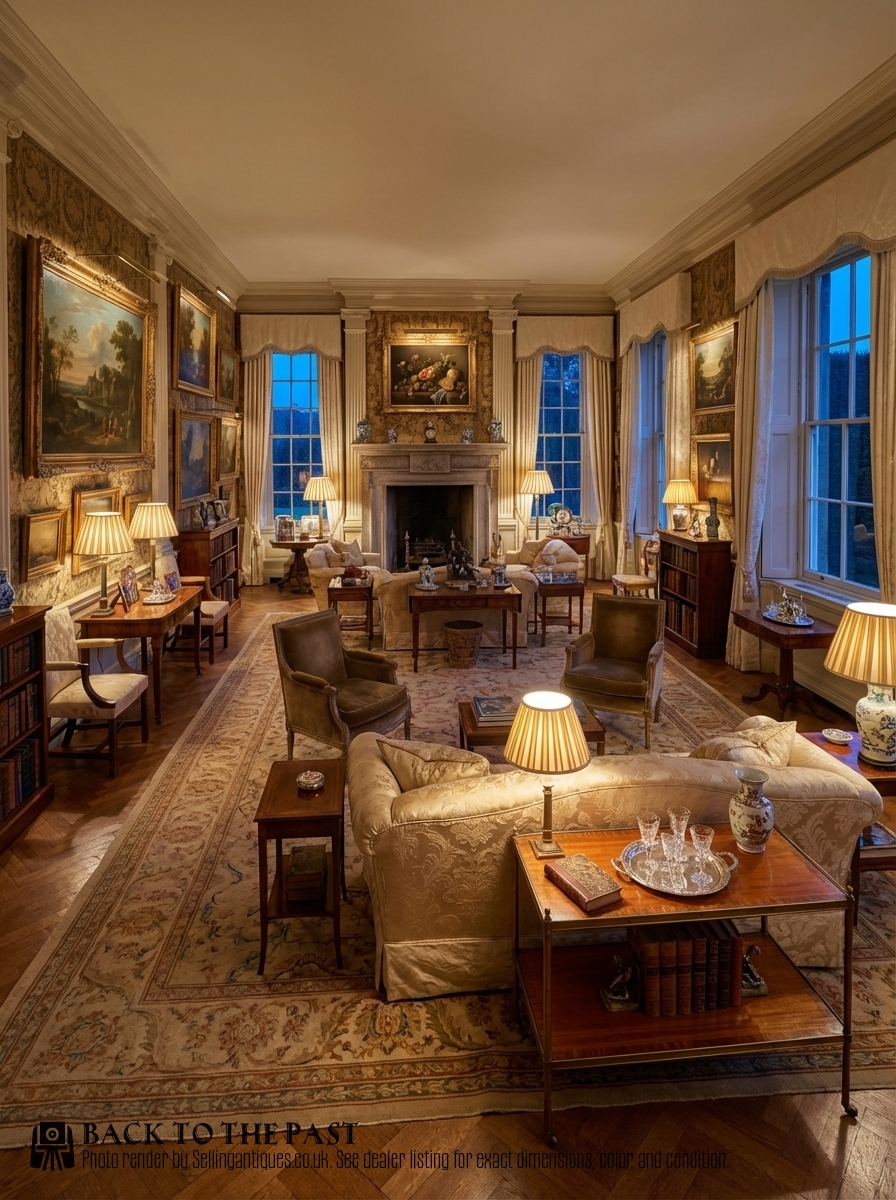
Gregory & Co·Mallett of London
The Tiered Occasional Table Glossary
- Étagère
- A piece of furniture consisting of a set of open shelves for displaying small objects. They often feature multiple tiers supported by slender columns.
- Marquetry
- Decorative veneer work where pieces of wood, shell, or ivory are fitted into a ground to form geometric or pictorial designs. This technique adds ornamental surface patterns to table tops and tiers.
- Ormolu
- Gilded bronze applications used as decorative mounts on furniture. It is characteristic of French revival and Victorian pieces.
- Burr walnut
- A figured wood grain obtained from the wart-like growths on walnut trees, prized for its swirling patterns. Cabinet makers selected it for prominent table surfaces.
Tiered Occasional Table: Frequently Asked Questions
What is a tiered occasional table?
A tiered occasional table is a small piece of furniture featuring two or more stacked horizontal surfaces. These extra levels provide additional space for lamps, books, and decorative objects.
They appear in various styles across the Victorian, Edwardian, and Art Deco periods, serving functional roles beside chairs or in hallways.
Where do I place a tiered occasional table?
These tables fit easily beside sofas, armchairs, or in empty corners where surface space is needed without a large footprint. Their multiple tiers allow you to place a reading lamp on top while keeping magazines or ornaments on the lower shelves.
Freestanding centre versions also work well positioned in the middle of a room to be viewed from all sides.
How do I identify an Edwardian tiered table?
Edwardian examples often utilise lighter timbers such as satinwood, mahogany, or inlaid satin-walnut, reflecting a shift away from heavier Victorian aesthetics. They frequently take the form of delicate etageres with brass supports or slender tapering legs.
The construction tends to be lighter and more refined, designed for drawing rooms and parlours of the early twentieth century.
Are Art Deco tiered tables different?
Art Deco pieces embrace bolder geometric lines and distinctive wood selections like figured walnut and limed oak. They often feature clean architectural silhouettes with two or three tiers designed for modern living of the interwar period.
Unlike earlier revival styles, they rely on the natural grain of the timber rather than applied carving or gilt mounts for their decorative effect.