



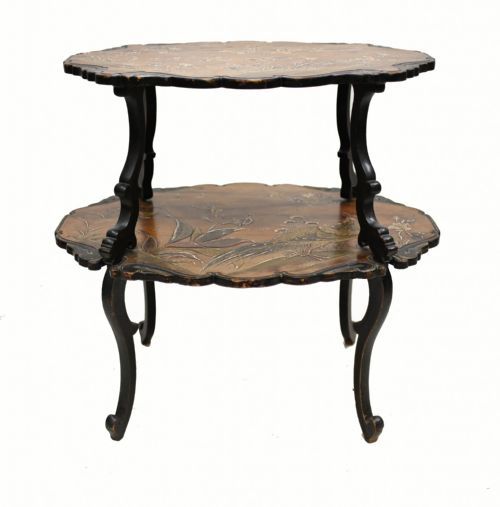
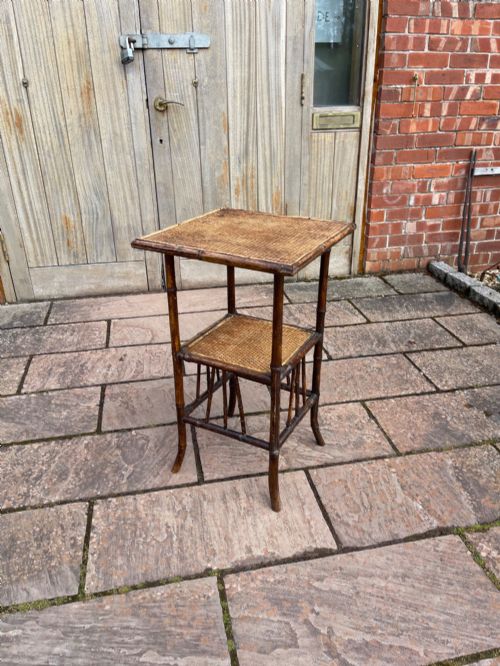
Two Tier Coffee Table
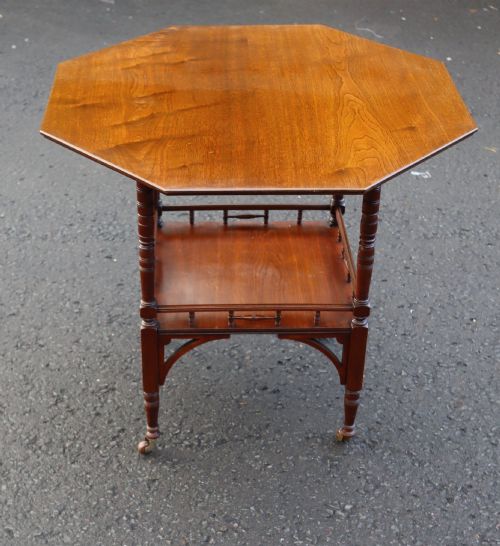
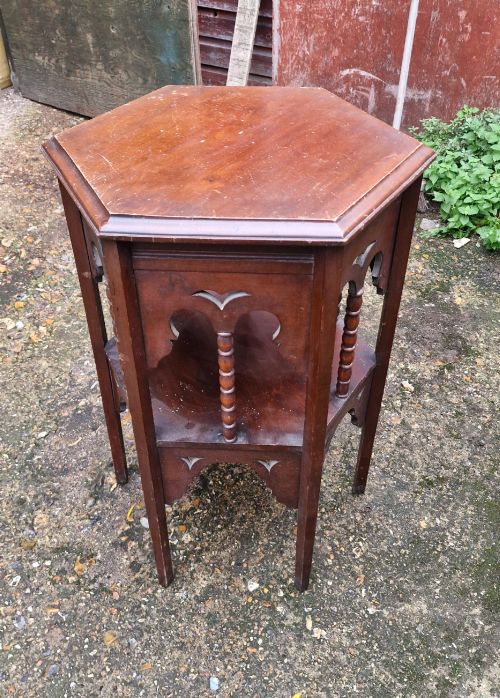
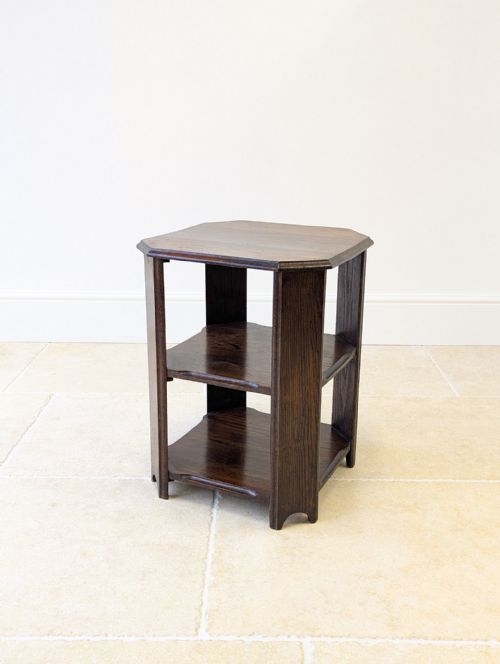
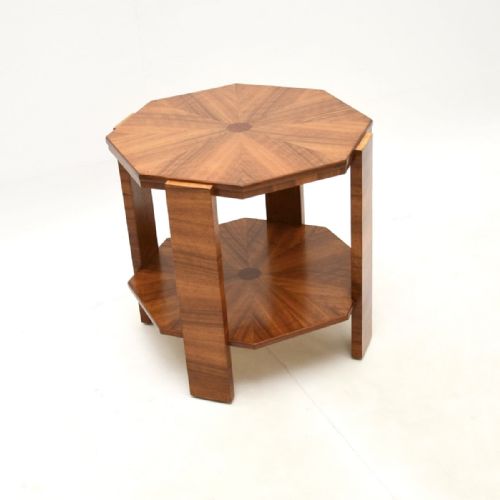
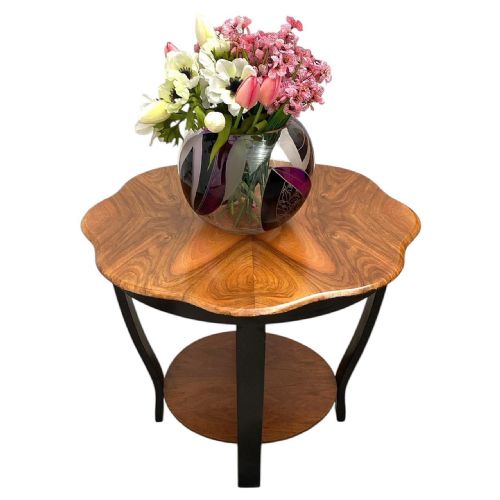
A two tier coffee table brings double the surface area to a room, offering practical levels in walnut, mahogany, and oak.
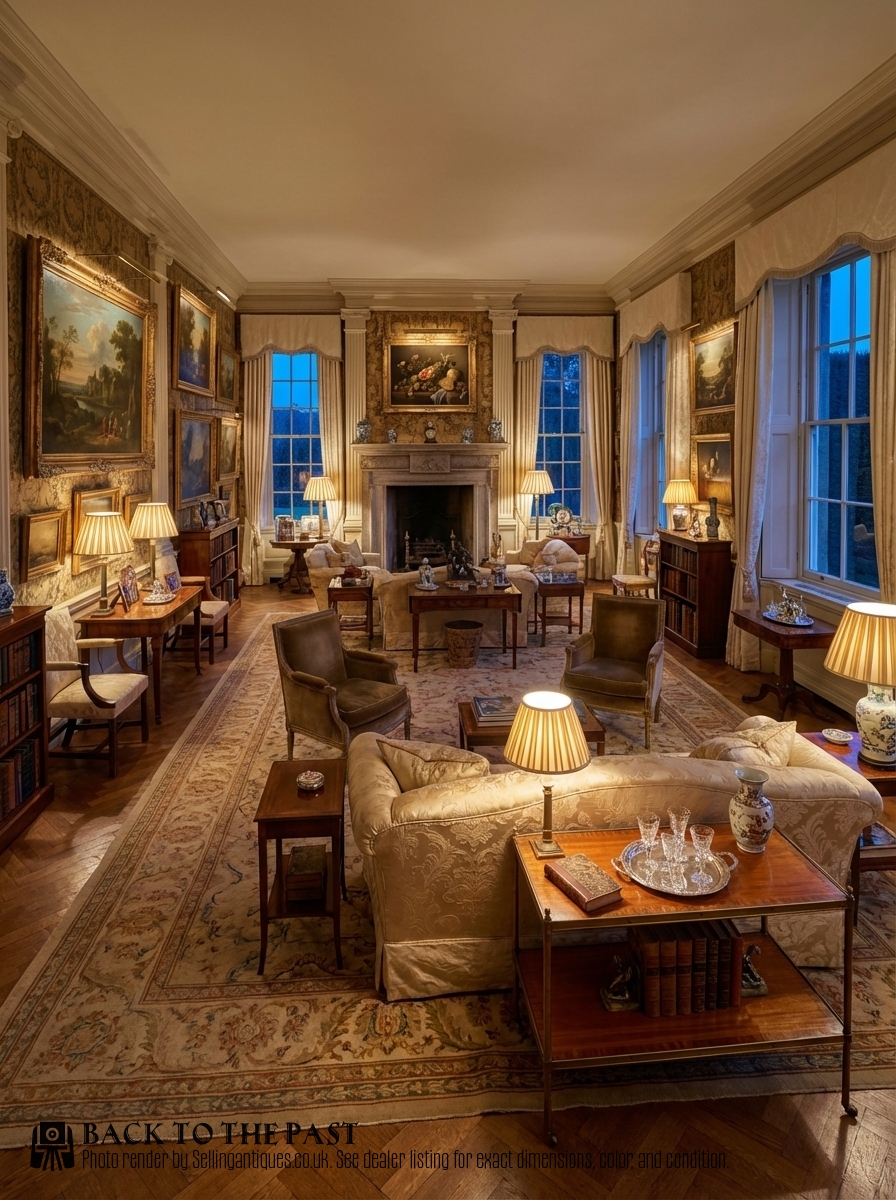
Two Tier Coffee Table
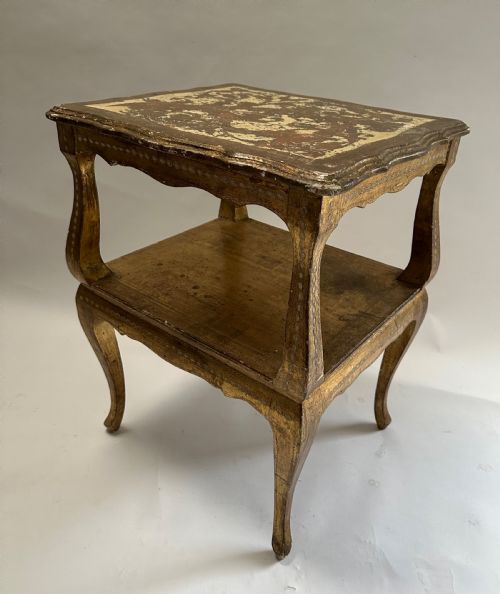
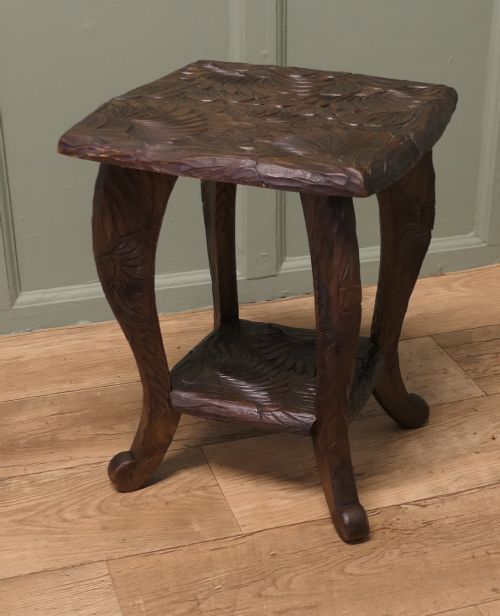
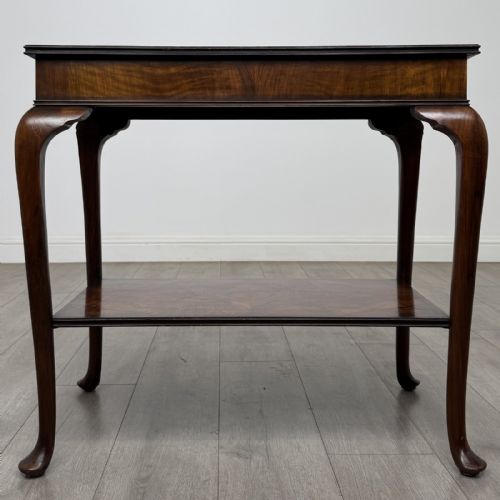
When you search for a two tier coffee table, you are looking at low tables designed with a secondary shelf beneath the main surface. The selection spans the nineteenth century through the Art Deco period and mid-century modern era.
The secondary tier provides functional space for books and objects, making these dual-level surfaces a practical choice for living spaces.
How they were made
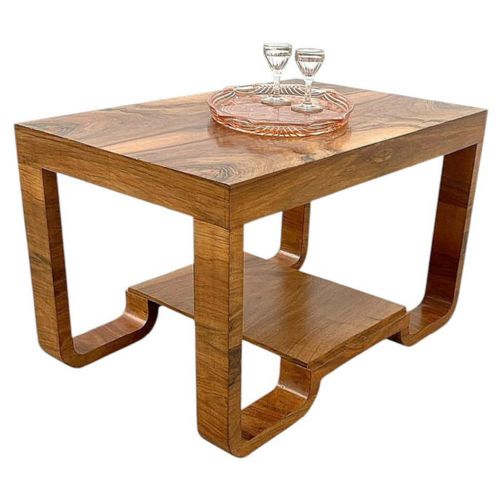
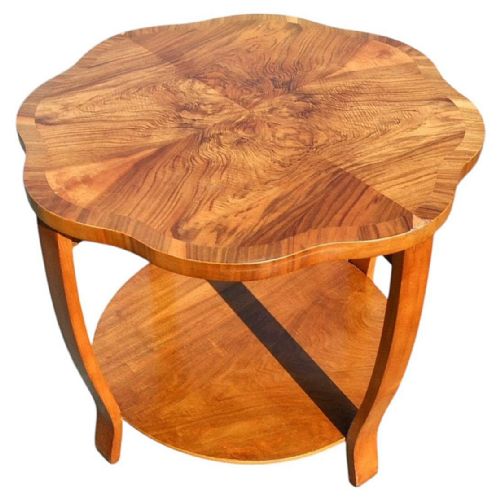
Cabinet makers utilised solid timbers such as oak and mahogany for structural integrity, often pairing them with decorative veneers like figured walnut and satinwood to create striking surface patterns.
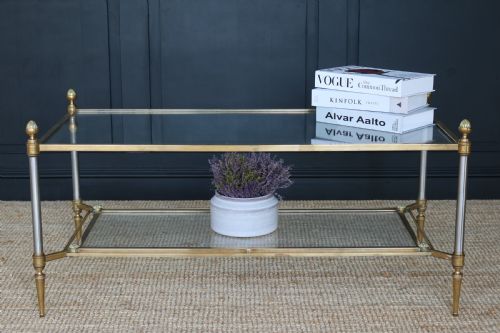
Metal elements including brass and chrome appear alongside glass tops and ebonised wood details, reflecting the varied design influences from Edwardian neo-classical styles to Art Deco and Hollywood Regency.
Two Tier Coffee Table Retail Price Guide 2026
Typical asking prices for two tier coffee table among the pieces listed under this phrase on Sellingantiques today, from the lower quarter to the upper quarter. They describe what is for sale here now, not the wider market.
Materials range from traditional timber and brass to glass and ebonised wood.
What varies in quality
The standard of a two tier coffee table rests upon the selection of timber veneers and the precision of the joinery connecting the lower shelf to the primary structure. Tables featuring highly figured grain patterns and solid framing demonstrate superior craftsmanship compared to simpler utilitarian builds.
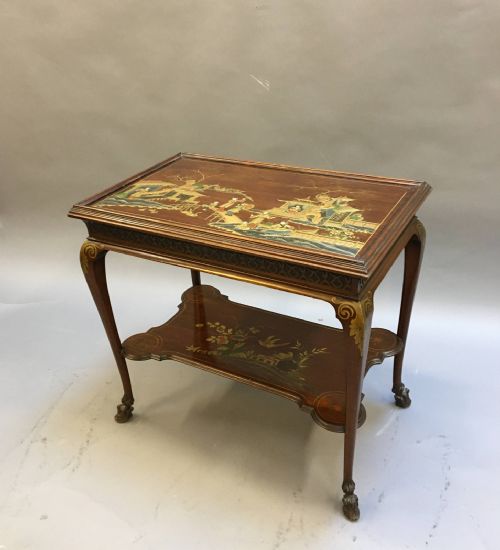
Proportion and decorative additions such as inlay, brass framing, or carved details distinguish exceptional examples from standard production pieces of the same period.
Maison Jansen·Majorelle·Heals
The Two Tier Coffee Table Glossary
- Etagere
- A piece of furniture consisting of open shelves for displaying small objects. These low tables use the etagere format to provide a functional secondary tier.
- Veneer
- A thin layer of superior wood glued to a base timber to provide a decorative surface. Figured walnut veneers create striking patterns across many Art Deco table tops.
- Japanning
- A European imitation of Japanese lacquer work popular on antique furniture. This technique produces a glossy dark finish decorated with raised gilt motifs.
- Neo-Classical
- A style drawing inspiration from the classical art and architecture of ancient Greece and Rome. Edwardian interpretations feature restrained classical motifs and symmetrical inlay.
Two Tier Coffee Table: Frequently Asked Questions
What is a two tier coffee table?
A two tier coffee table is a low surface featuring an additional lower shelf beneath the main top. This extra level provides convenient space for storage and display.
Such designs appear across multiple periods, including Edwardian and Art Deco eras, utilising materials like walnut, mahogany, and brass.
How do I style a two tier coffee table?
The double-level design allows you to balance decorative objects on the top surface while keeping books or periodicals neatly stored below. This keeps the main area uncluttered.
Matching the wood tone of the table to existing room furniture helps integrate the piece into your interior scheme.
Are these tables sturdy enough for daily use?
Constructed from solid hardwoods like oak and mahogany, these tables were built to withstand regular domestic demands. The lower tier also adds structural bracing between the legs.
Care should be taken with veneered surfaces to avoid moisture damage from unprotected cups or glasses.
How do I identify an Art Deco two tier coffee table?
Art Deco examples typically date from around 1930 and showcase geometric forms, symmetrical lines, and highly figured walnut or oak veneers. Some pieces incorporate chrome or brass framing.
Simpler Edwardian versions rely on inlaid mahogany, tapered legs, and subtle classical stringing rather than bold modernist geometry.