





Art Deco Cocktail Table
An art deco cocktail table brings the sharp geometry and glamour of the interwar years straight into your sitting room.
Art Deco Cocktail Table
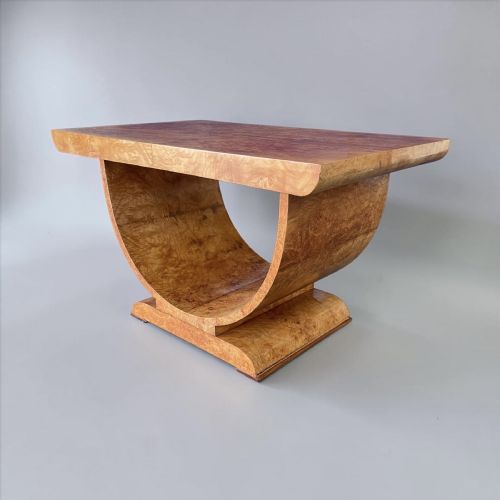
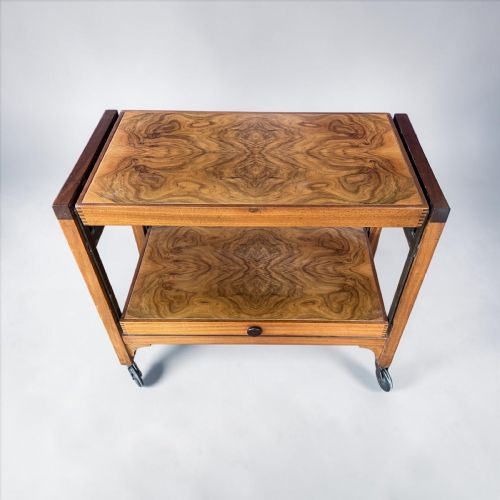
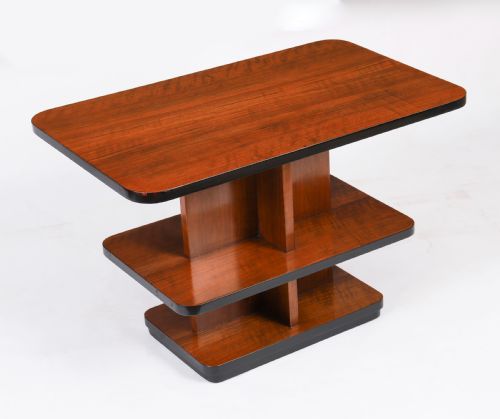
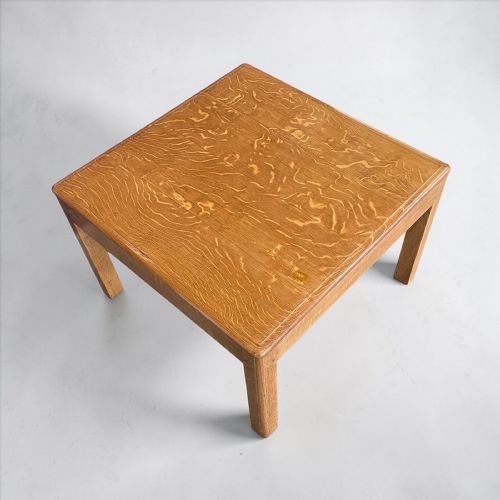
An art deco cocktail table serves as the centrepiece of a room, designed specifically for entertaining with drinks during the interwar decades. The pieces gathered here span coffee tables, metamorphic serving trolleys, and pop-up bars that conceal bottle storage beneath the surface.
Most examples date from the nineteen-thirties, with earlier pieces reaching back to nineteen-ten and nineteen-twenty. Buyers will encounter low coffee tables alongside ingenious transforming designs that rise or open to reveal fitted compartments for glassware.
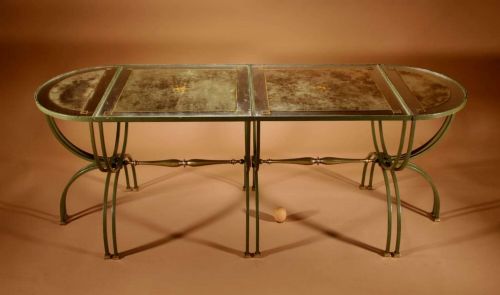
Forms range from simple circular and rectangular coffee tables to elaborate French wrought iron pieces and nests of tables. The selection includes standard coffee tables and specialist drinks furniture from England, France, and Scandinavia.
How they were made
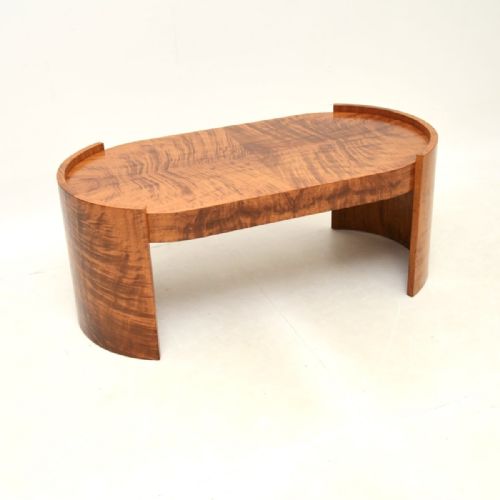
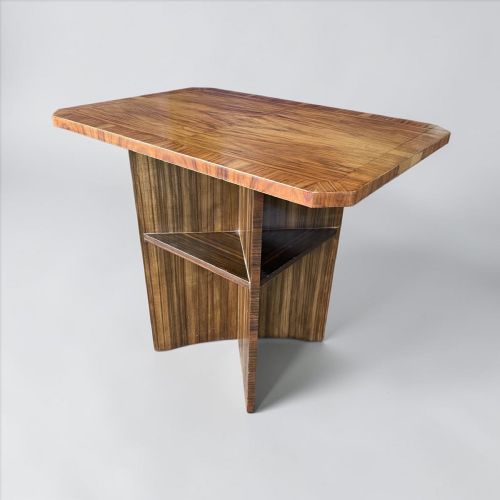
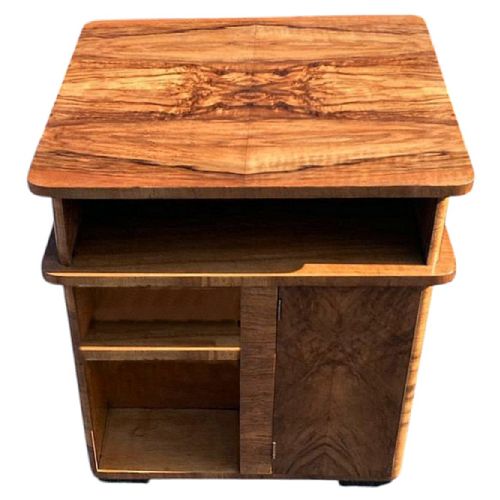
Veneering techniques allowed craftsmen to arrange geometric patterns across the top surfaces, exploiting the natural swirls of burr walnut and figured walnut. Metamorphic and pop-up mechanisms relied on precise engineering of wooden or brass hinges and pulleys hidden within the body of the table.
Art Deco Cocktail Table Retail Price Guide 2026
Typical asking prices for art deco cocktail table among the pieces listed under this phrase on Sellingantiques today, from the lower quarter to the upper quarter. They describe what is for sale here now, not the wider market.
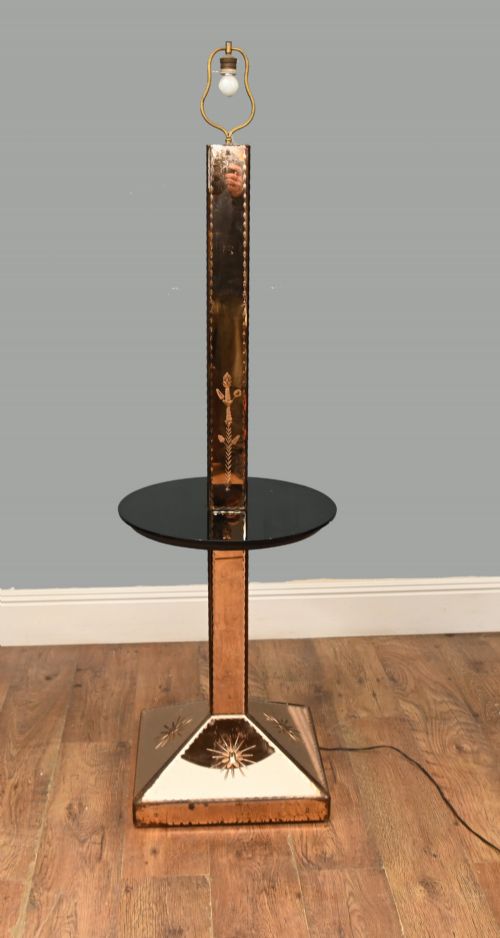
Materials span walnut, burr walnut, satin birch, maple, ebony, macassar, brass, wrought iron, and mirrored glass.
What varies in quality
Quality rests primarily on the choice of timber veneer and the symmetry of its grain matching across the top. Highly figured burr walnut and scarce satin birch elevate a piece above standard plain walnut construction.
The sophistication of the mechanics distinguishes standard tables from superior metamorphic and pop-up cocktail units. Smooth operation in the folding leaves or rising bottle platforms indicates high-grade workshop execution.
Betty Joel·Epstein·Incorporall
The Art Deco Cocktail Table Glossary
- Burr walnut
- A timber taken from the growth growths or burls of a walnut tree, yielding swirling, knotty grain patterns prized for decorative veneer. Makers utilised this wood to create dramatic symmetrical patterns on table tops.
- Metamorphic
- Furniture designed to transform from one object into another, such as a coffee table that raises into a cocktail bar. These clever pieces conceal storage compartments beneath expanding surfaces.
- Pop up
- A mechanism within a cabinet or table that lifts bottles and glassware into view when the top is opened. This action adds an element of theatricality to serving drinks.
- Satin birch
- A pale, lustrous hardwood originating from northern regions, used by Scandinavian makers to achieve a bright finish. It offers a distinct contrast to darker walnut furniture.
Art Deco Cocktail Table: Frequently Asked Questions
What is a pop-up cocktail table?
A pop-up cocktail table is a dual-purpose piece of furniture that conceals bottle storage and glassware compartments within its frame. When opened, internal mechanisms raise the drinks holders toward the user.
These designs were popular in the interwar years for entertaining in compact spaces. They combine the low profile of a standard coffee table with hidden utility.
How do I date an art deco table?
Dating relies on stylistic markers, materials, and construction methods characteristic of the nineteen-twenties and thirties. Geometric lines and the use of burr walnut point firmly toward this era.
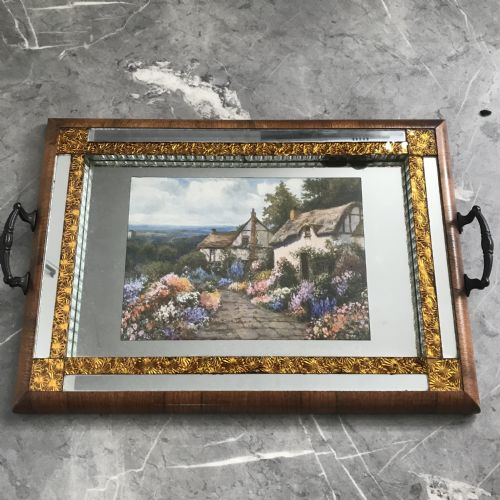
Earlier examples from nineteen-ten often incorporate simpler mirrored glass trays or transitional Edwardian shapes. Pieces from nineteen-forty frequently feature wrought iron and brass elements reflecting continental trends.
Are these tables suitable for everyday use?
These tables were built to accommodate drinks service and daily living during the twentieth century. Their robust wood frames and glass surfaces handle normal domestic activity well.
Care should be taken with veneered surfaces and antique glass to prevent moisture damage. Using coasters preserves the polished finish of walnut and maple tops.
Where were these tables made?
The pieces originate primarily from workshops in England and France, alongside examples from Scandinavia. British makers favoured figured and burr walnut veneers.
French pieces frequently incorporate wrought iron, brass, and mirrored glass into more sculptural frames. Scandinavian workshops utilised pale satin birch to create lighter silhouettes.