


Art Deco Low Table
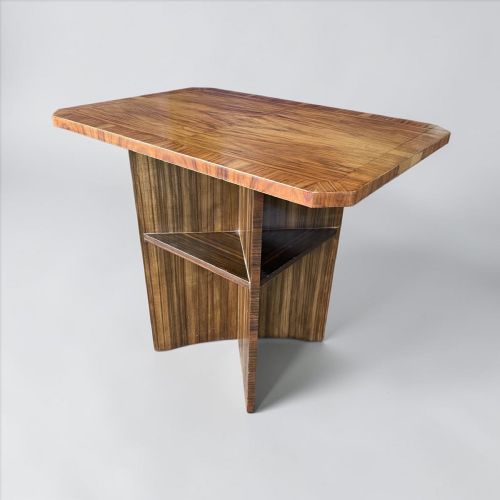
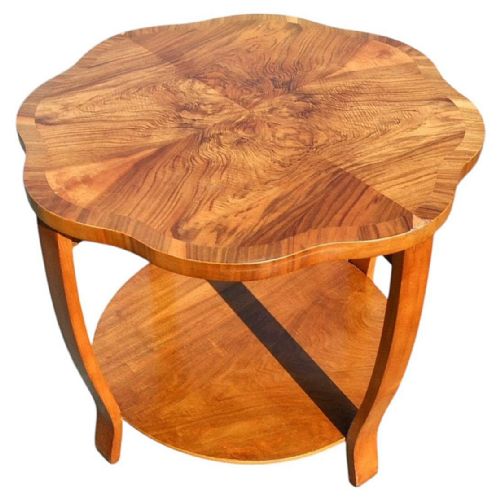
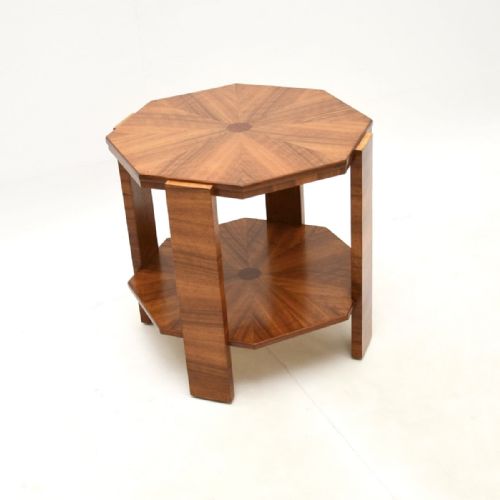
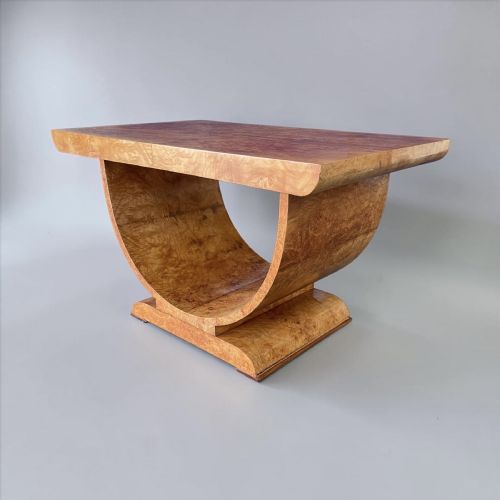
An art deco low table anchors a room with strong horizontal lines and rich timber grains.

Art Deco Low Table
An art deco low table provides a compact, low-slung surface designed primarily for seating areas, emerging prominently during the interwar decades. These pieces serve as practical coffee tables, occasional surfaces, or tiered lamp stands within domestic interiors.
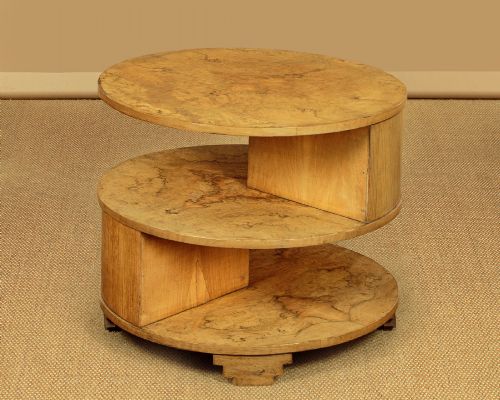
The selections available here predominantly date from the nineteen-twenties, nineteen-thirties, and nineteen-forties. English, French, and Scandinavian examples dominate the forms, frequently appearing as circular, square, or two-tier configurations.
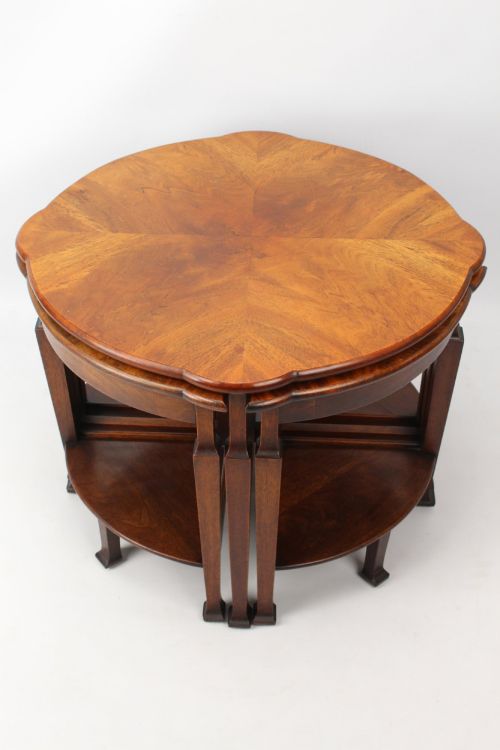
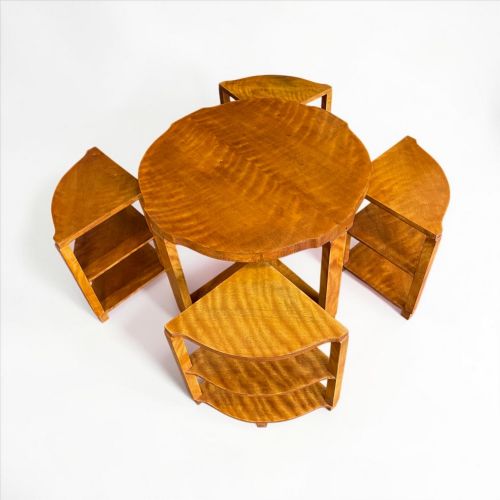
While coffee tables and occasional tables form the majority of the current items, related low forms such as nests of tables and side tables also appear.
Materials and construction methods
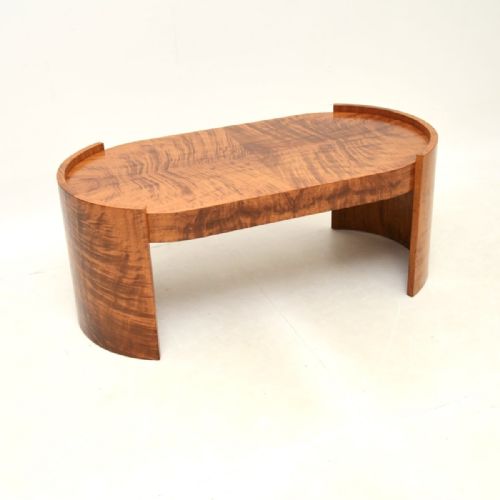
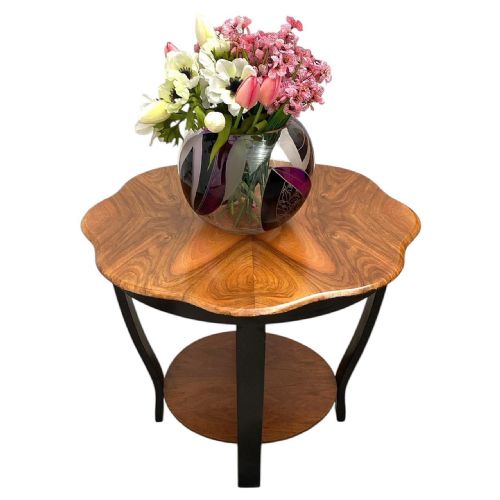
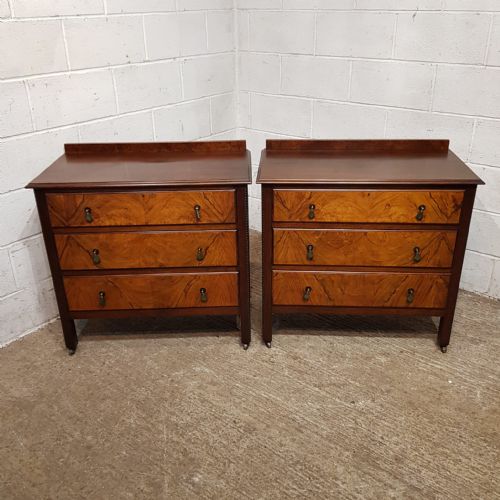
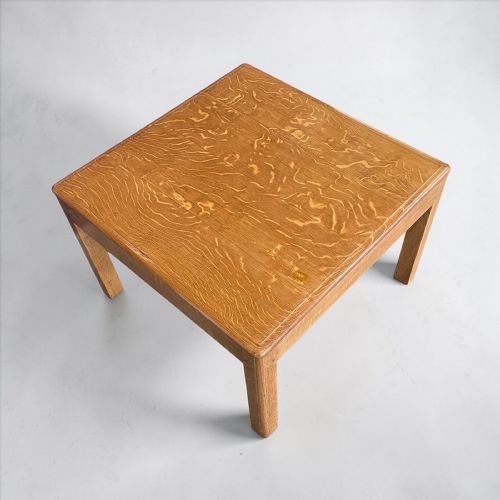
Cabinetmakers utilised rich hardwoods and decorative veneers, notably burr walnut, figured walnut, oak, birch, and maple, applied over solid carcases. The grain patterns dictate the visual appeal of the surface, often arranged in symmetrical book-matched layouts.
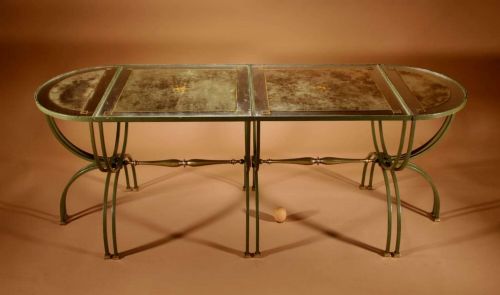
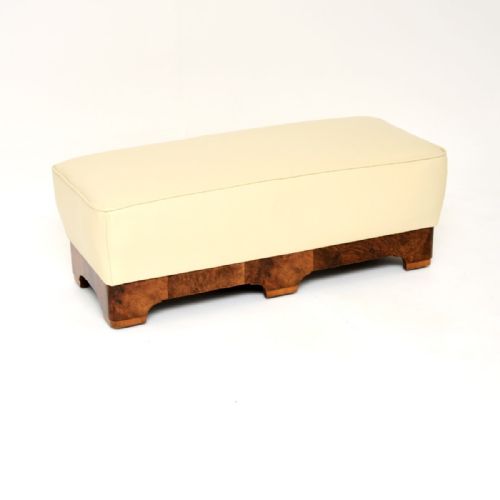
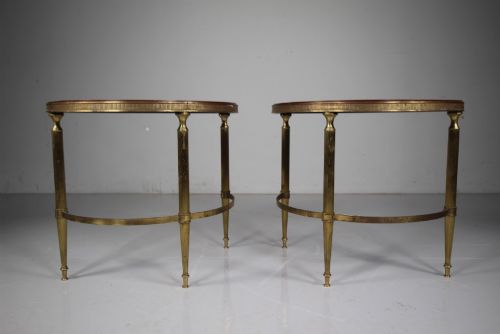
Many designs incorporate contrasting materials such as inset leather panels, brass trims, wrought iron framing, and original glass tops. Ebonised wood and bleached walnut provide further tonal variety across English and continental workshops.
Art Deco Low Table Retail Price Guide 2026
Typical asking prices for art deco low table among the pieces listed under this phrase on Sellingantiques today, from the lower quarter to the upper quarter. They describe what is for sale here now, not the wider market.
At least one table comes paired with a clown motif lamp, proving that art deco designers maintained a sense of theatrical humour.
Distinctions in quality
The standard of an art deco low table rests upon the selection and matching of the veneer. Superior examples display continuous, balanced grain patterns across the top and apron, whereas lesser pieces utilise plain timber or simpler cuts.
Structural refinement separates standard production from exceptional work. Precision in the joinery of tiered shelves, the weight and finish of applied brass or wrought iron details, and the integration of secondary timbers define the upper tier of craftsmanship.
Betty Joel·Heals·Gilbert Rohde·Bowman Brothers·Majorelle·Waring & Gillow·Marcel André Bouraine·C W Burns·Gillows
The Art Deco Low Table Glossary
- Burr walnut
- A figured wood grain obtained from walnut tree growths, producing swirling patterns that makers favoured for tabletops.
- Two-tier
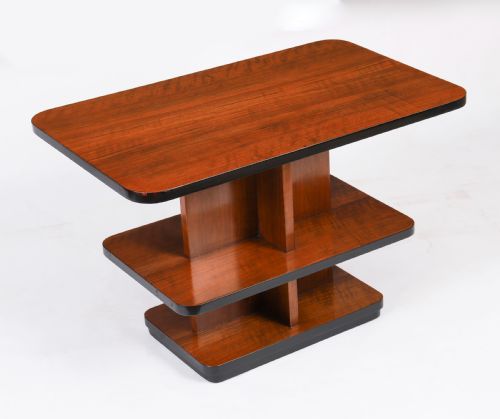
- A furniture design featuring an upper surface and a lower shelf separated by upright supports, commonly used for storage.
- Veneer
- A thin slice of decorative wood glued over a stable secondary timber base to create a refined external finish.
- Demi-lune
- A half-moon shape characteristic of tables designed to sit flush against a wall or to pair together.
- Ebonised
- Wood treated with a chemical stain or finish to simulate the dense, dark appearance of ebony.
Art Deco Low Table: Frequently Asked Questions
What defines an art deco low table?
An art deco low table is characterised by clean geometric shapes, low proportions, and an emphasis on decorative wood veneers like walnut and maple. These pieces reflect the modernist design ethos of the interwar period.
They often incorporate stepped tiers, contrasting insets of leather or glass, and metal accents such as brass or wrought iron.
How were these tables used originally?
These tables functioned primarily as coffee tables, tea tables, or low occasional surfaces placed beside lounge seating. Their reduced height suited the lower, more relaxed seating styles adopted during the nineteen-twenties and thirties.
Tiered versions allowed hosts to keep reading materials, smoking accessories, or drinks separated on different levels.
How should I care for a veneered wooden table?
Burr walnut and figured veneers require protection from direct sunlight and excessive heat, which can dry out the timber and cause the veneer to lift. Use coasters and dry cloths for routine maintenance.
Avoid commercial silicone polishes, as they build up over time and dull the original finish of the wood.
How can I tell a nineteen-twenties table from a nineteen-forties piece?
Tables from the nineteen-twenties and early thirties often display exuberant geometric forms, rich burr veneers, and exotic woods like satin birch. Pieces from the nineteen-forties tend towards simpler construction methods and more restrained use of materials.
The presence of wrought iron frameworks and integrated glass also points towards the later end of the period.