

1930s Walnut Table
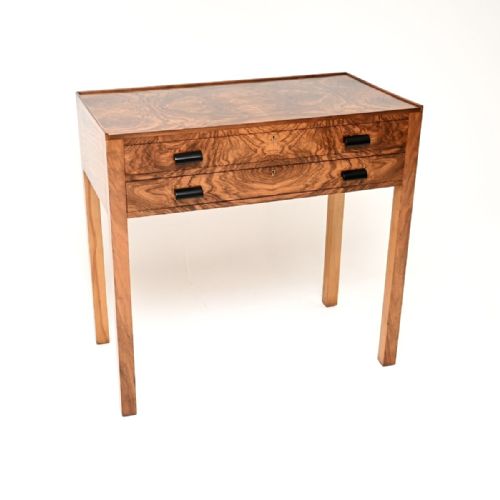
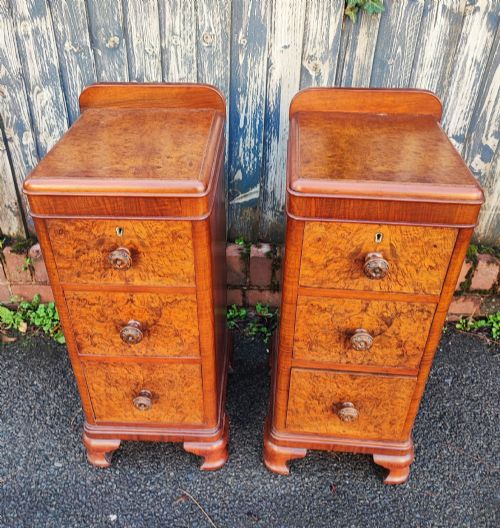
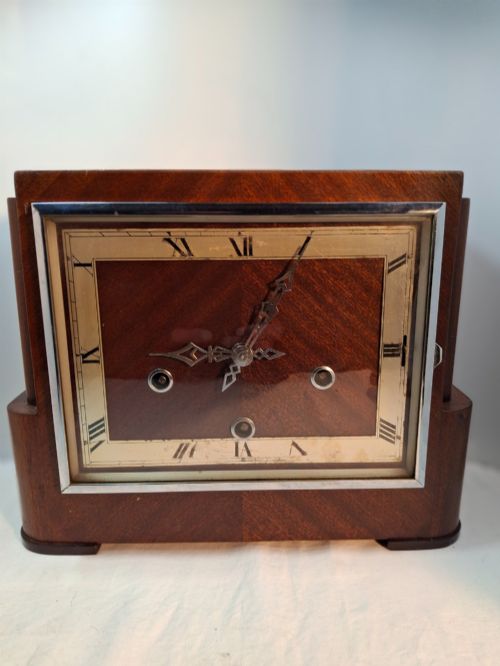
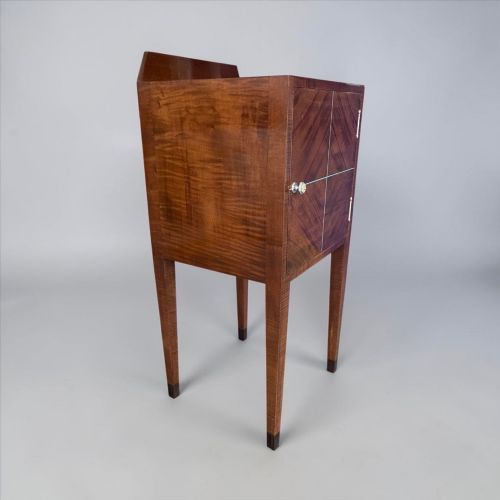
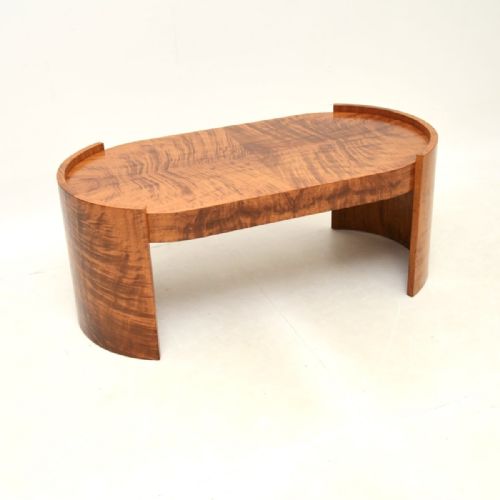
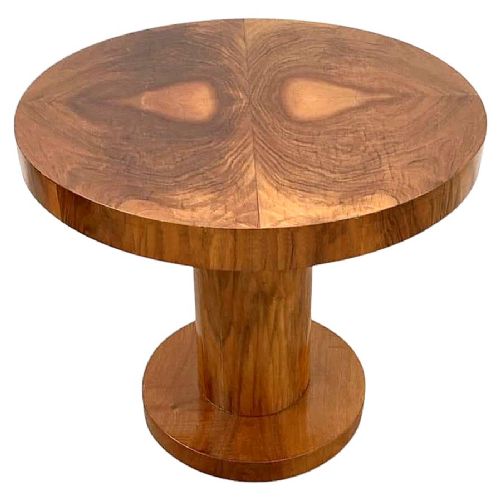
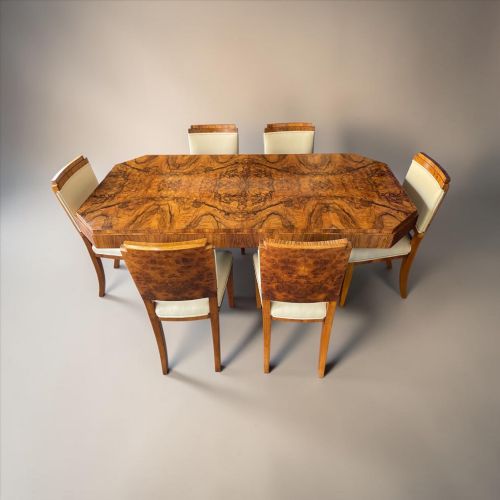
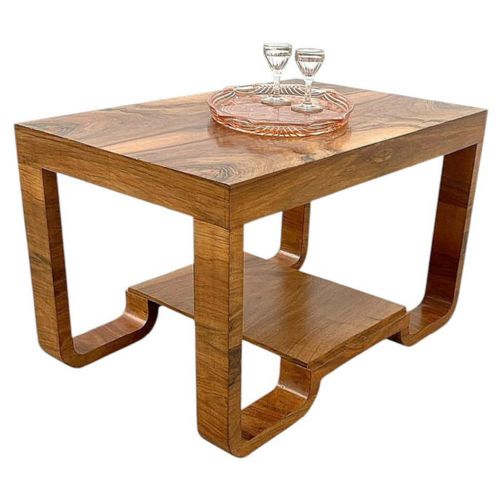
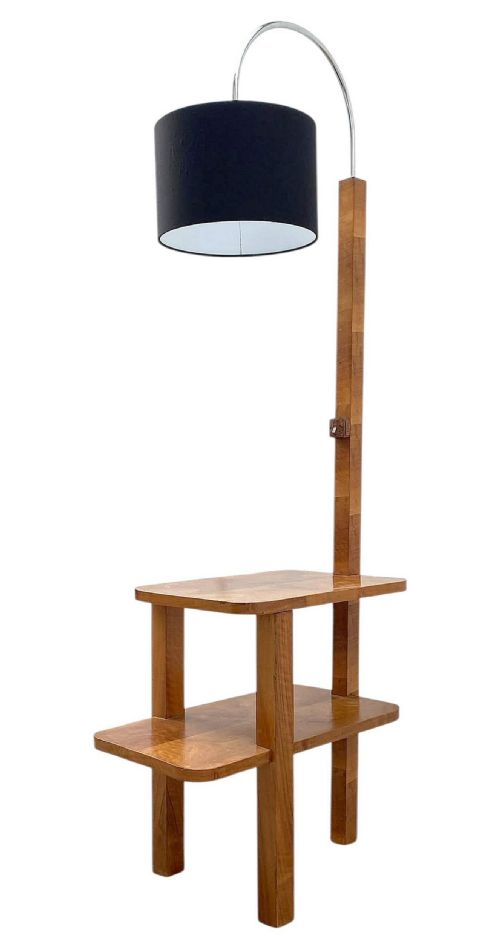
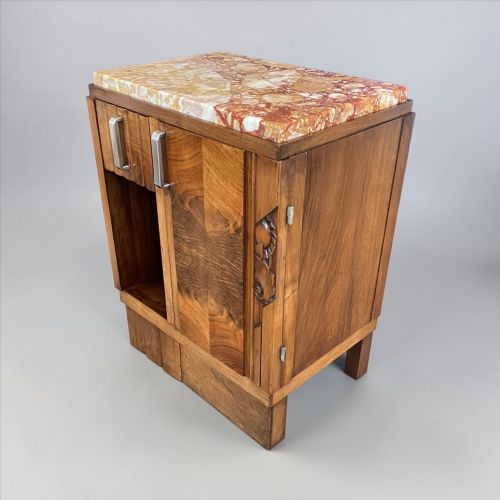
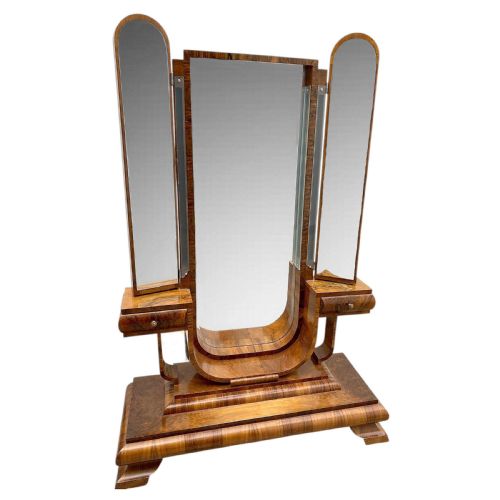
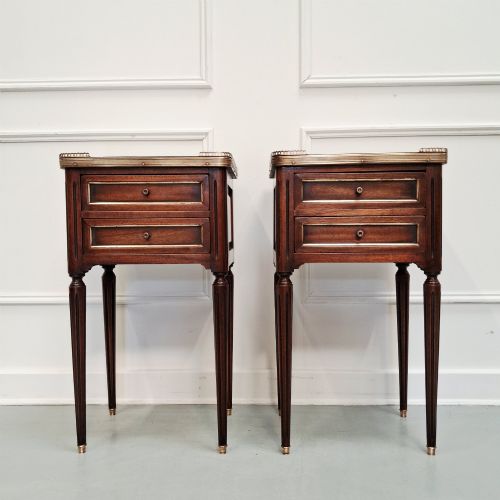
These pieces of a 1930s walnut table bring distinctive grain patterns and period character into a modern interior.
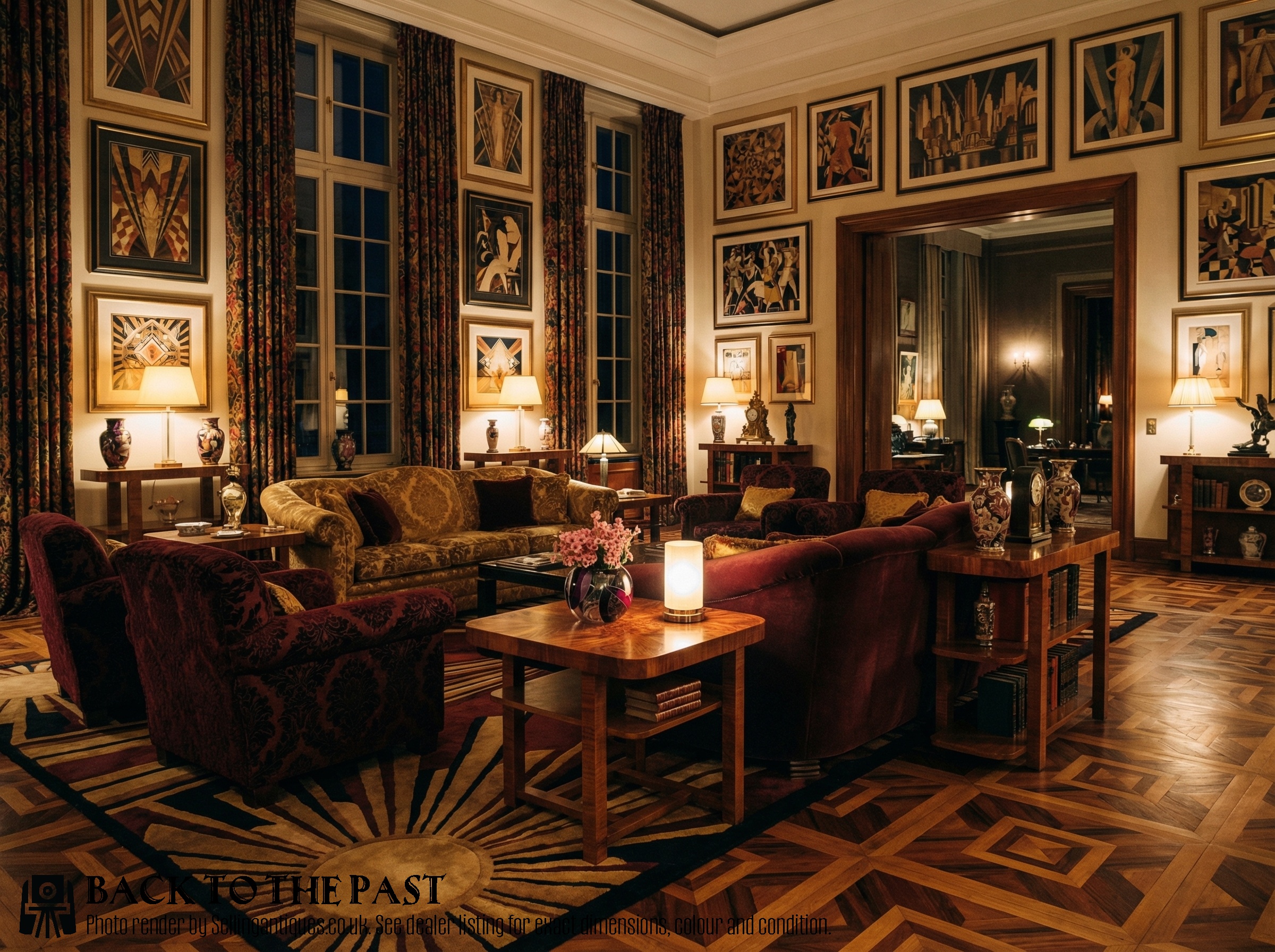
1930s Walnut Table
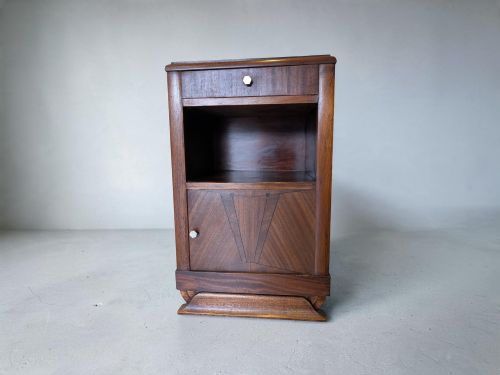
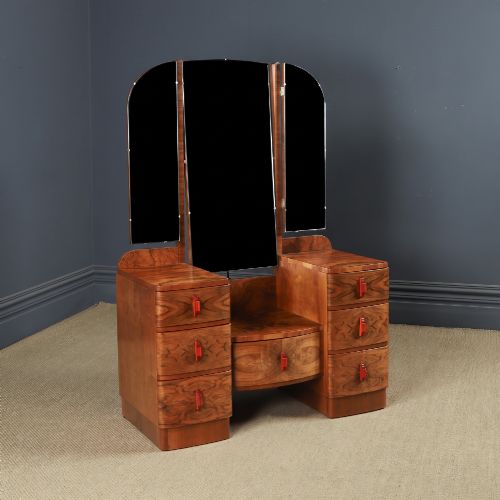
Most examples originate from English and French workshops of the period, spanning occasional furniture to larger dining pieces. Alongside dedicated tables, the inventory includes related forms such as bedside cabinets, desks, and two-tier trolleys sharing the same material vocabulary.
How They Were Made
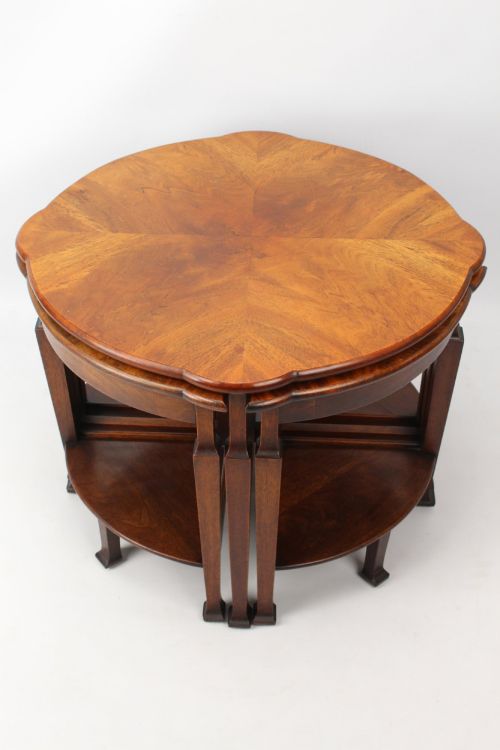
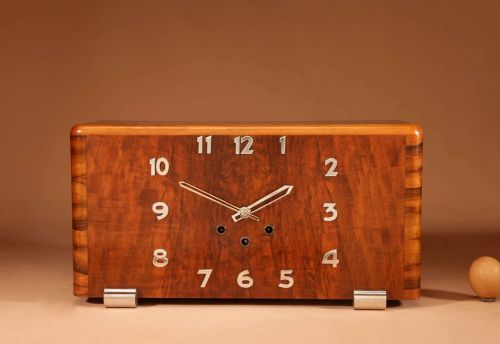
Cabinet makers applied thin veneers of figured walnut and burr walnut over solid secondary timbers to create striking symmetrical grain patterns across table tops. Workshops also incorporated materials like glass, chrome, and leather for functional tops and decorative accents.
Construction techniques balanced traditional joinery with modern industrial elements, particularly in pieces featuring tiered structures or metal hardware. Parquetry and cross-banding frequently defined the borders of table surfaces.
1930s Walnut Table Retail Price Guide 2026
Typical asking prices for 1930s walnut table among the pieces listed under this phrase on Sellingantiques today, from the lower quarter to the upper quarter. They describe what is for sale here now, not the wider market.
What Varies in Quality
The choice of veneer sets the baseline for visual impact, with heavily figured burr walnut and book-matched grain arrangements marking out finer examples. The complexity of the form, such as multi-tiered designs or integrated book storage, also separates standard production from more ambitious pieces.
Execution of detail defines the upper tier, including precise parquetry work and the integration of contrasting materials like chrome or leather. Maker attribution further distinguishes the standing of particular tables.
Maurice Adams·Walter Carter Harrods·Hille·Epstein
The 1930s Walnut Table Glossary
- Burr Walnut
- A form of walnut timber taken from the growth growths or burls of the tree, yielding intricate, swirling grain patterns. Cabinet makers prized this wood for creating decorative table tops.
- Art Deco
- A design style dominant in the 1930s characterised by sleek geometric forms, streamlined silhouettes, and modern materials. Tables from this movement often feature stepped profiles and polished surfaces.
- Parquetry
- A geometric mosaic of wood pieces used for decorative effect on furniture surfaces. It appears on table tops to form repeating patterns.
- Cross-Banding
- A border technique where thin strips of veneer are laid perpendicular to the main grain of the table top. This frames the central panel with a contrasting direction of wood grain.
- Veneer
- A thin slice of superior wood applied over a base timber to give the appearance of solid costly material. Figured walnut veneer is typical on pieces from this era.
1930s Walnut Table: Frequently Asked Questions
What styles define a 1930s walnut table?
These pieces predominantly reflect Art Deco design principles, characterised by geometric symmetry, clean lines, and polished wood surfaces. Occasional variations also touch upon revival styles and French provincial aesthetics.
The focus remains on showcasing the natural figuring of the walnut timber rather than applying heavy carved ornamentation.
How do I care for a walnut surface?
Walnut benefits from regular dusting with a soft, dry cloth and occasional treatment with appropriate furniture wax to nourish the wood. Avoiding direct sunlight and excessive moisture prevents the veneer from fading or lifting.
Leather-inset tops require separate conditioning to keep the material supple over time.
Where were these tables made?
The primary origins recorded for these pieces are English and French workshops of the interwar period. Major department stores and specialist cabinet makers produced both standard domestic items and bespoke suites.
French pieces frequently incorporate contrasting details like marble or exotic woods alongside the core walnut.
Are nesting tables practical for daily use?
Nests of tables offer flexible surface area that can be expanded or tucked away compactly as needed. The multi-tiered formats provide convenient storage options for books and small items in living spaces.
Their sturdy construction suits daily placement beside seating areas.