

Art Deco Tier Table
An art deco tier table brings architectural geometry and stacked utility into a room, offering multiple surfaces for display and daily use.
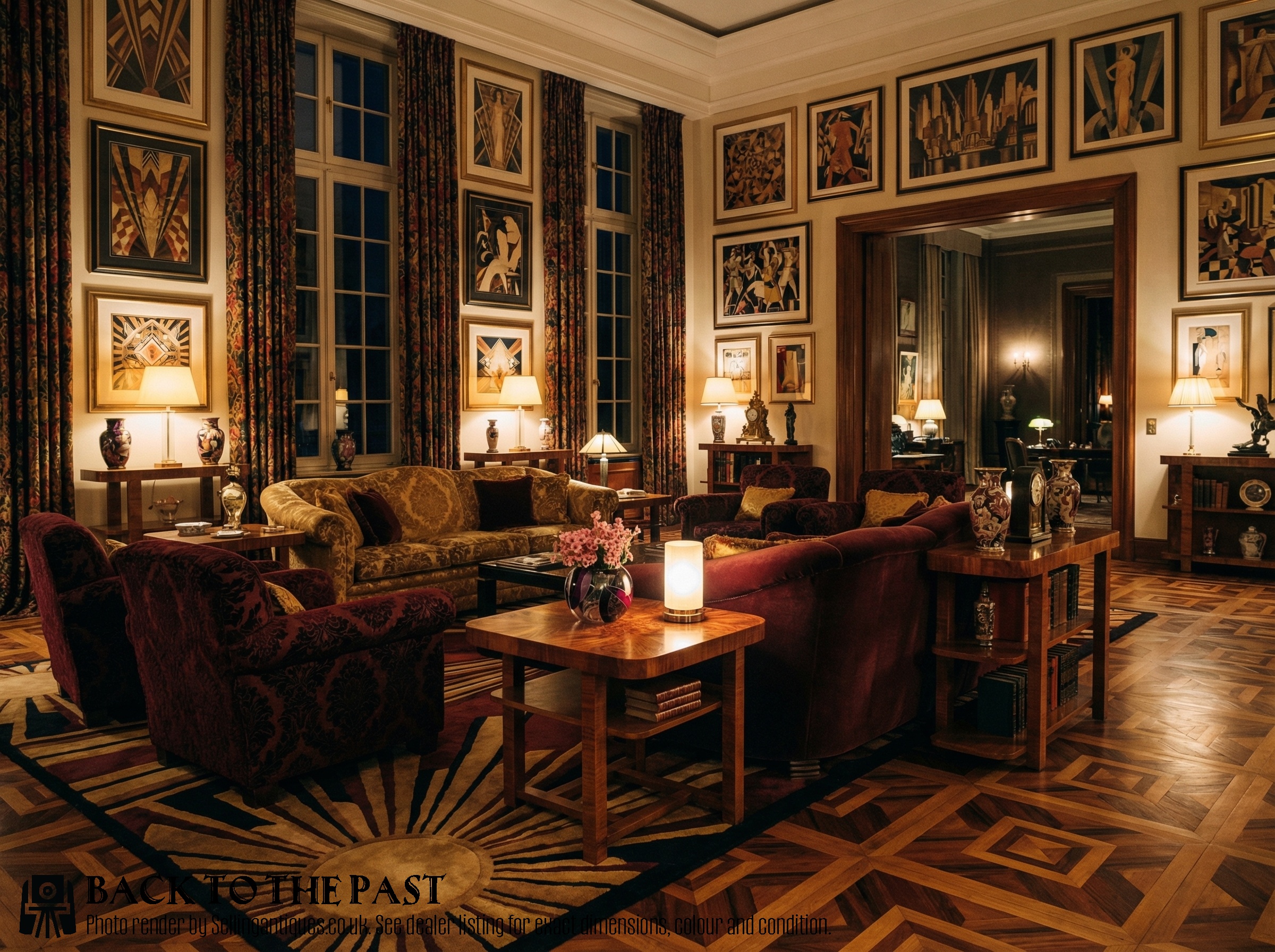
Art Deco Tier Table
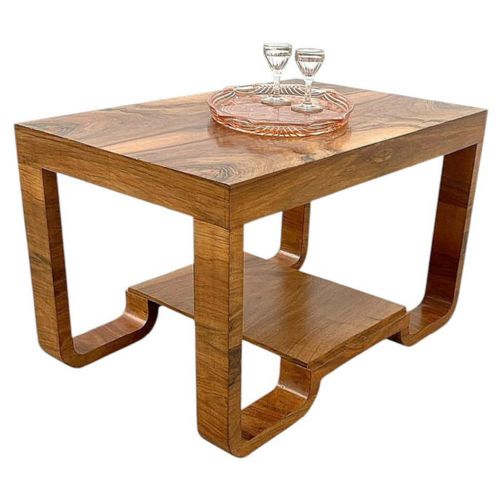
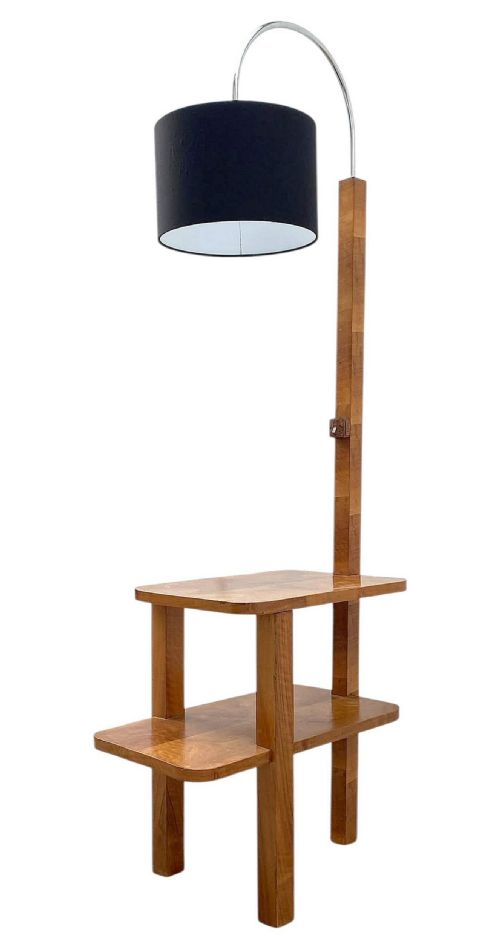
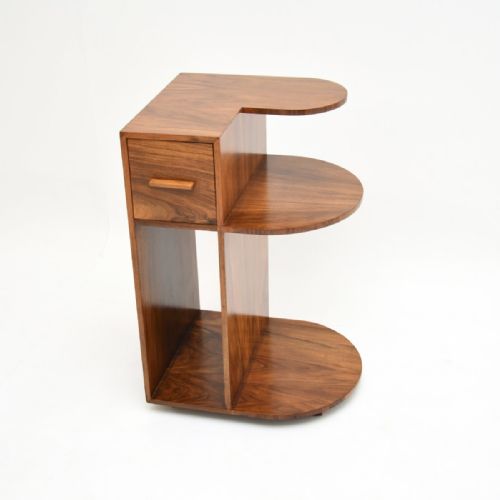
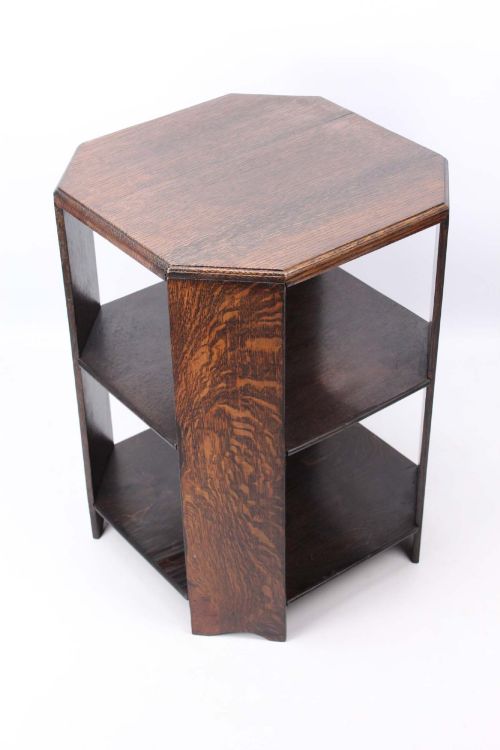
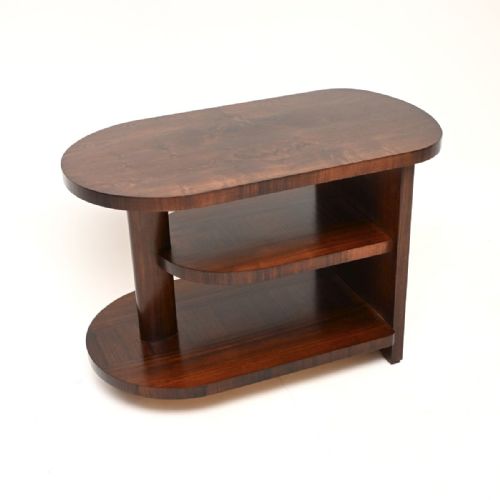
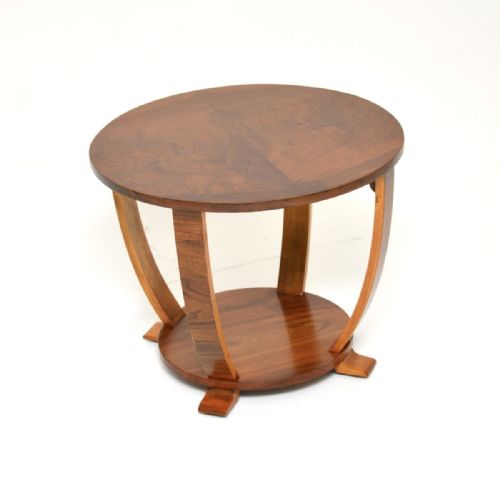
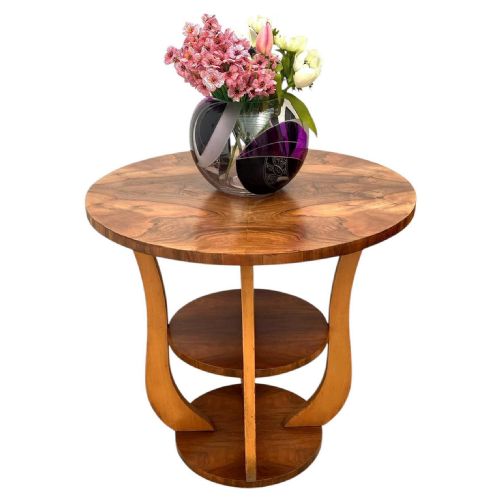
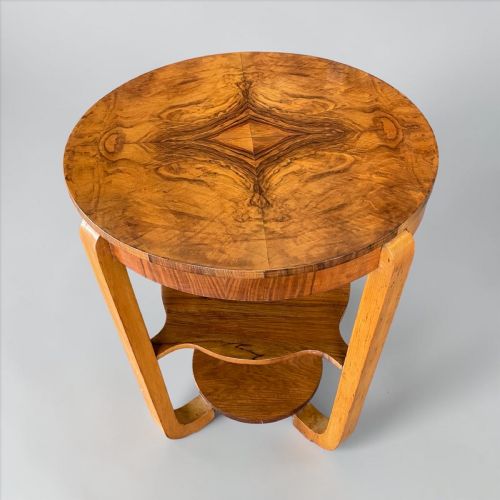
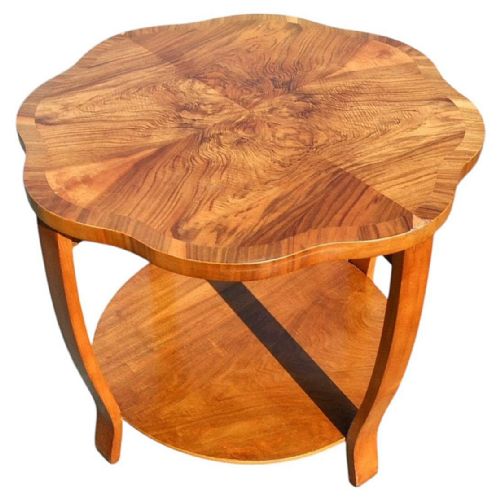
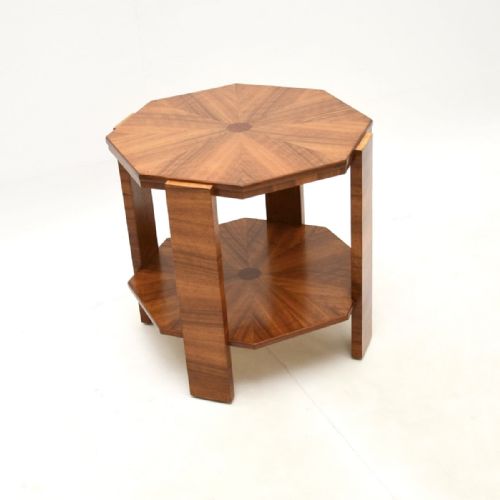
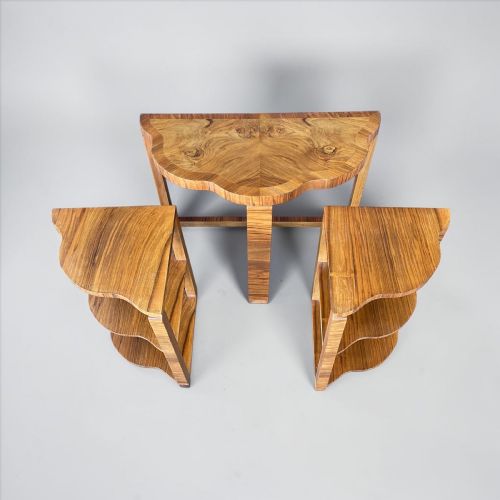
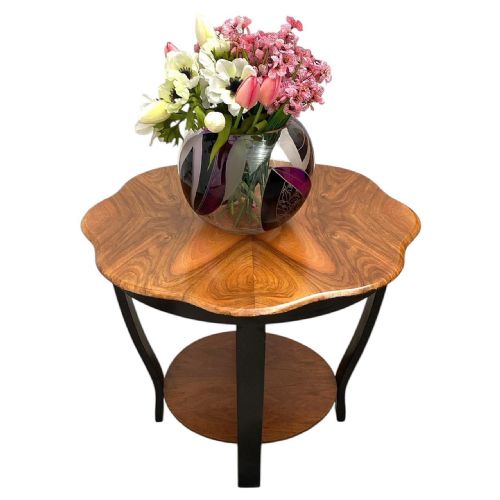
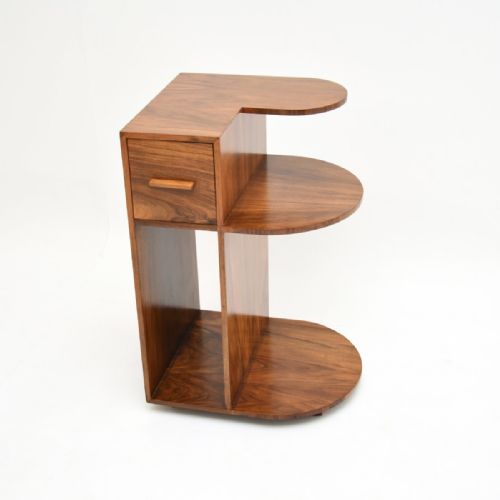
An art deco tier table serves as a functional centrepiece or compact surface, most commonly appearing as a two-tier or three-tier coffee, side, or occasional table originating primarily from the 1920s, 1930s, and 1940s. These multi-level designs allow for efficient use of space, providing distinct surfaces for books, lamps, or decorative objects while maintaining a low, horizontal silhouette.
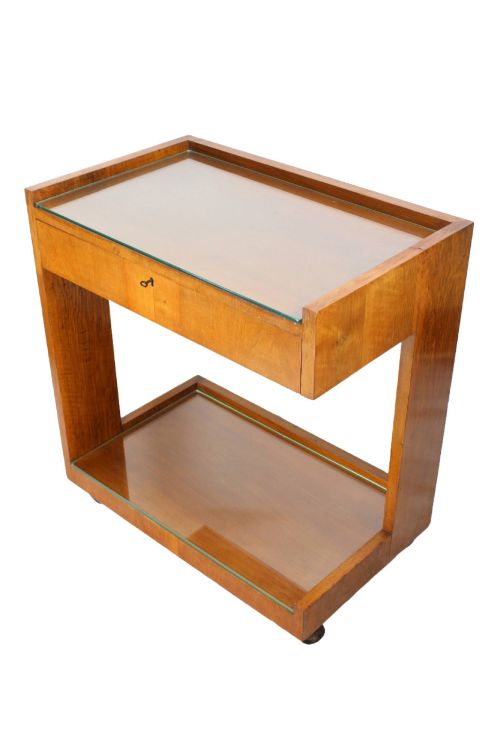
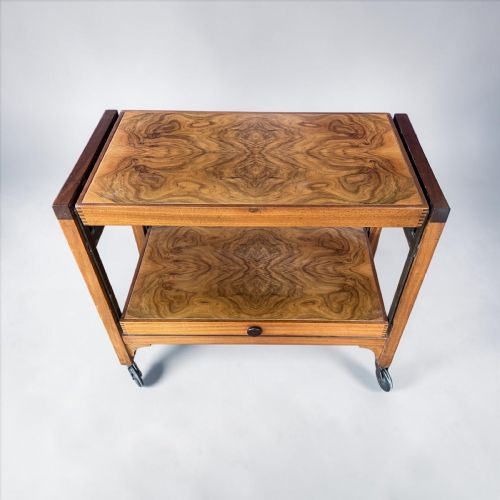
The selection ranges from circular and square coffee tables to specialised book tables, serving trolleys, and metamorphic pieces that adapt their shape for hospitality. English and French workshops produced many of the surviving examples, utilising tiered platforms connected by columns, stepped panels, or metal supports.
While side tables and coffee tables dominate the selection, occasional variations include nests of tables and compact centre tables. The overarching form relies on geometric progression, stepping down or up in balanced increments that define the period aesthetic.
What Varies in Quality
The sophistication of the timber selection dictates the visual hierarchy of these tables, with highly figured book-matched veneers representing a higher standard of craftsmanship than plain timber boards. Grain alignment across the multiple tiers demonstrates the maker's precision and intent.
Construction methods and hardware integration separate standard production items from high-end pieces, particularly in the execution of joints, stability of stacked tiers, and quality of metal plating on chrome or brass elements. The inclusion of complex mechanics in metamorphic or multi-functional trolleys further distinguishes superior workshops.
Art Deco Tier Table Retail Price Guide 2026
Typical asking prices for art deco tier table among the pieces listed under this phrase on Sellingantiques today, from the lower quarter to the upper quarter. They describe what is for sale here now, not the wider market.
Some tables transform into card tables or cocktail bars when you need a sudden surface for guests.
Gilbert Rohde·Gomme
The Art Deco Tier Table Glossary
- Veneer
- A thin slice of figured wood applied over a stable core timber to display decorative grain patterns without warping. This technique allowed makers to utilise expensive woods efficiently.
- Tiered
- Having multiple horizontal surfaces arranged in steps or levels above one another. This configuration maximises surface area within a compact footprint.
- Metamorphic
- Designed to change shape or function through folding, sliding, or pivoting mechanisms. These pieces adapted easily from small side tables into serving trolleys or card tables.
- Book-matching
- A technique where adjacent veneer leaves are opened like pages of a book to create a symmetrical mirror-image pattern. It produces striking geometric effects across table tops.
- Machine Age
- A design movement celebrating industrial progress, characterised by clean lines, functional geometry, and the use of chrome and steel. It heavily influenced 1930s furniture production.
Art Deco Tier Table: Frequently Asked Questions
What is an art deco tier table?
An art deco tier table is a multi-level occasional, coffee, or side table produced predominantly during the 1920s and 1930s, featuring stepped or stacked horizontal surfaces.
These pieces combine geometric styling with practical surface space, utilising materials like figured walnut, oak, and chrome.
How were these tables used originally?
They functioned as versatile surfaces for lamps, books, smoking accessories, and drinks, often placed beside sofas or in the centre of rooms.
Some specialised variants included built-in book storage or served as movable tea trolleys for entertaining guests.
How do I style a tier table at home?
Distribute objects across the multiple levels by placing taller items on lower shelves and smaller decorative pieces on top to maintain visual balance.
Allow the natural wood grain or contrasting metal details to remain visible rather than overcrowding every available surface.
How can I tell the period of a table?
Look for characteristic materials such as figured walnut veneer, blonde oak, macassar ebony, and tubular chrome supports typical of the interwar decades.
Construction details, including the presence of solid secondary woods and stepped architectural silhouettes, generally point towards manufacture between 1920 and 1940.